
A cat's white nose: what it means and what to do
What color should your pet's nose be? What causes increased pigmentation, and what does it mean if a cat's nose suddenly turns white? Let's explore when nose color changes in cats are a warning sign and what this symptom might indicate.
Content
Nose pigmentation in cats
In fact, the color of a cat's nose can be very diverse, and this factor depends on the presence of certain pigments in the skin cells, which also form the animal's color.
The nose can be any color:
- pink It is formed due to the translucence of blood vessels through the skin, devoid of the pigment melanin, and is most often found in cats with a white coat (full or partial albinos), as well as in other colors if the area around the nose is colored white;
- brown is a characteristic feature of animals whose color is dominated by red shades;
- grey occurs in blue and smoky colored cats;
- black can occur in pets of any dark color, as well as in blue British and Scottish cats;
- light (almost pink) with a dark border occurs in cats of different breeds and colors;
- spotted the nose is also a normal variant, and the spots can be formed both by the peculiarities of the pigment location and birthmarks in the nose area.
In a healthy, active animal, the nose is slightly wet to the touch, cool, without any crusts or discharge from the nostrils.
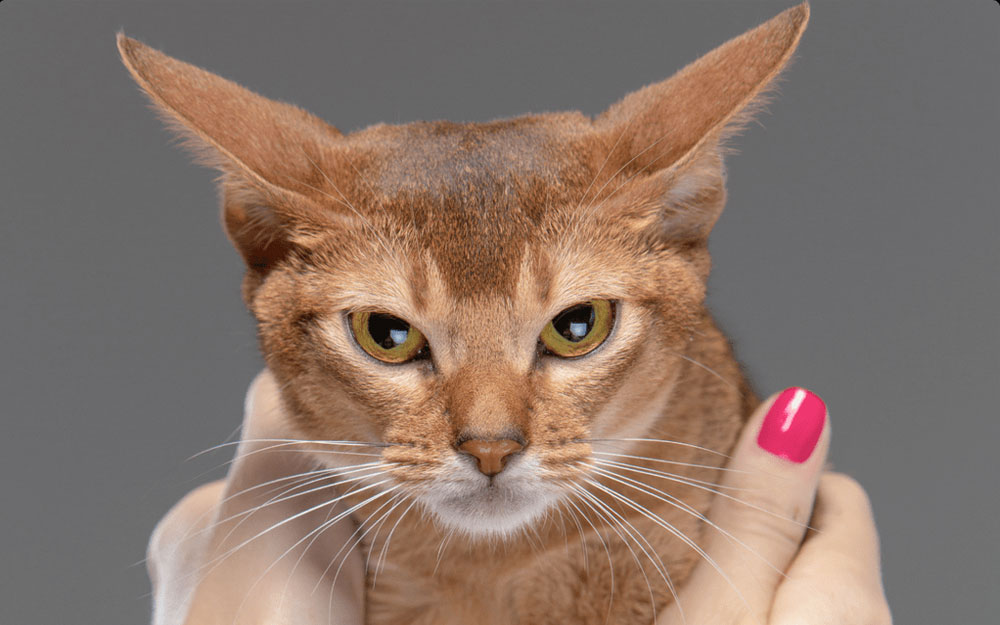
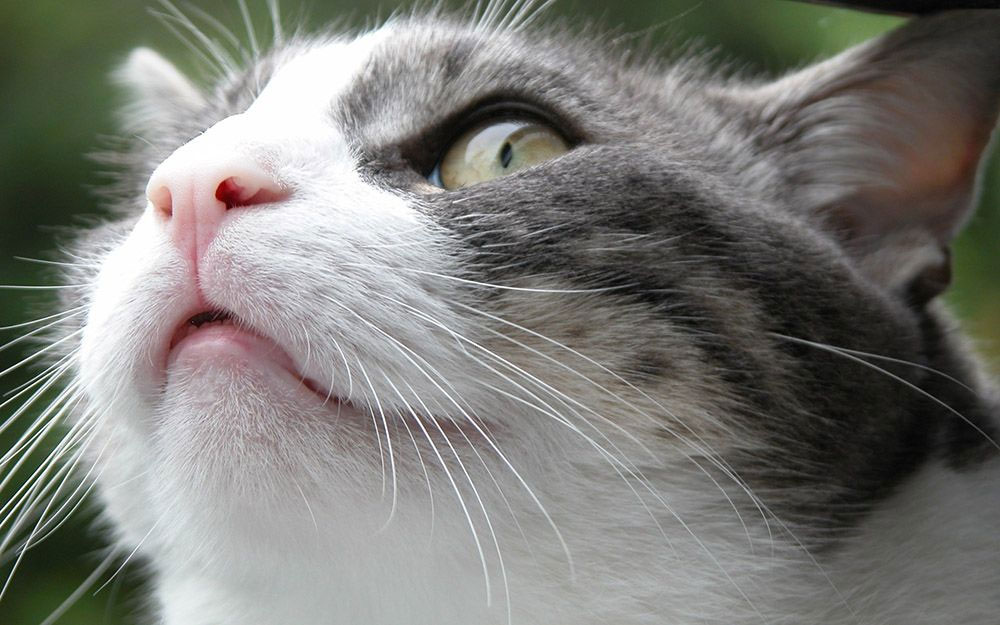
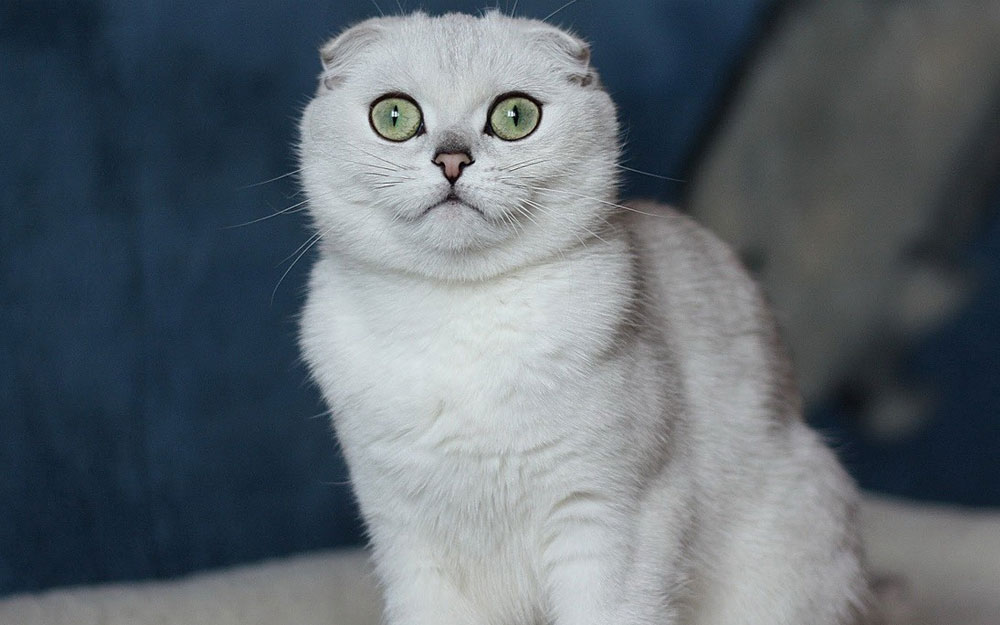
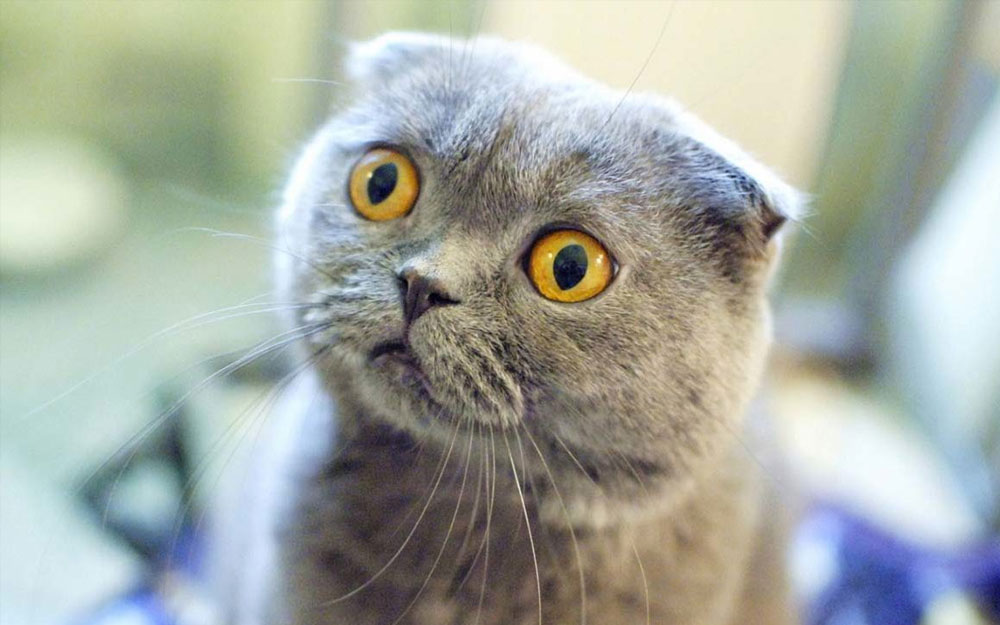
A cat's nose can't be completely white. White fur occurs when melanin is absent, but the skin then has a delicate pink tint.
Color changes (causes and what the symptom indicates)
If your pet has been living with you for a while, you know exactly what color their nose is normally and how it changes throughout the day. While color change isn't always a sign of illness, in some cases, a pale (discolored) nose can indicate a serious problem.
So, let's take a closer look at what can affect the color of the nose, why the color may change, what it means, and when you need to contact a veterinarian as soon as possible.
The cat has a red nose
Owners of cats with naturally pink noses may notice their pet's skin tone changing throughout the day:
- immediately after sleep it is quite pale, because the animal was at rest and its metabolic processes were slowed down;
- After active games or a stressful situation, the nose becomes bright, almost red, and this is also normal, because it is caused by increased blood flow
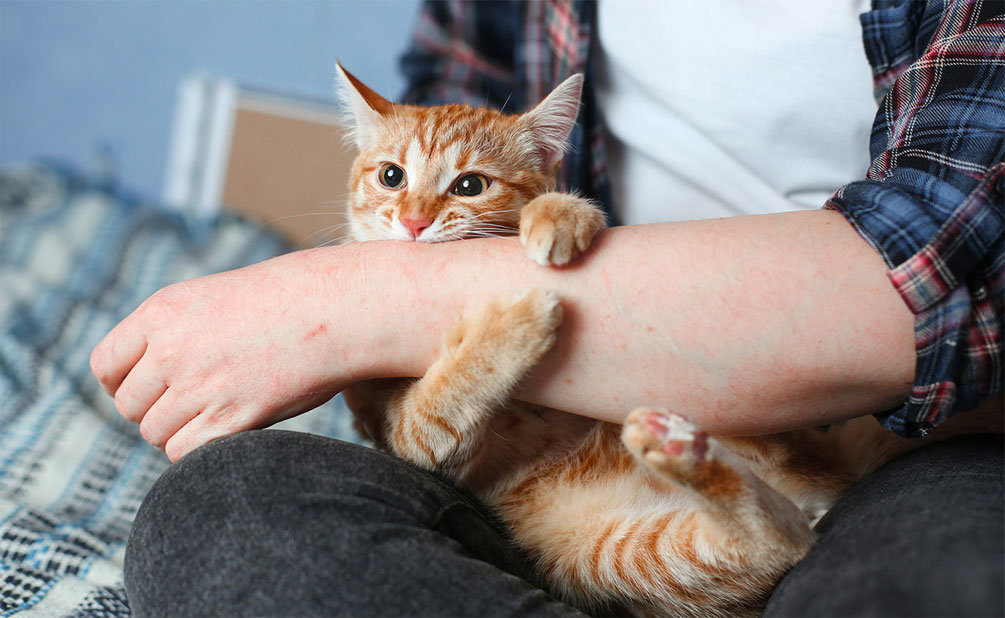
The cat has a white nose
Most often, a "white nose" doesn't appear truly white, but rather bluish, light gray, or pale brown (depending on the animal's true color). However, the owner understands that this pale shade is not normal for the pet.
The reason why your pet's nose turns white may be due to factors such as:
- HypothermiaDon't worry if you notice a white nose on your pet after a walk on a frosty day. Keep an eye on it; it might warm up within a few minutes and everything will return to normal.
- VetiligoA skin condition characterized by the formation of patches of depigmented skin. Typically, in such cases, the lightening will not be concentrated only in the nose area but may also appear in other areas of the body, including patches of white (gray) fur of varying sizes and locations.
- Dehydration (Dangerous!) If an animal has no access to water for a long period or refuses to drink during an acute illness, a sudden lightening of the nose's color may be a sign of dehydration.
- Anemia (Dangerous!) A condition in which the red blood cell count (erythrocytes) in the blood is reduced requires a complete examination of the animal, based on which a veterinarian will make a diagnosis and prescribe the necessary treatment.
- Decreased tissue oxygenation (Dangerous!) A condition in which oxygen delivery to cells is disrupted can be life-threatening, so an animal with this symptom requires immediate assistance. The symptom can develop against the background of heart problems, as well as as a result of intoxication.
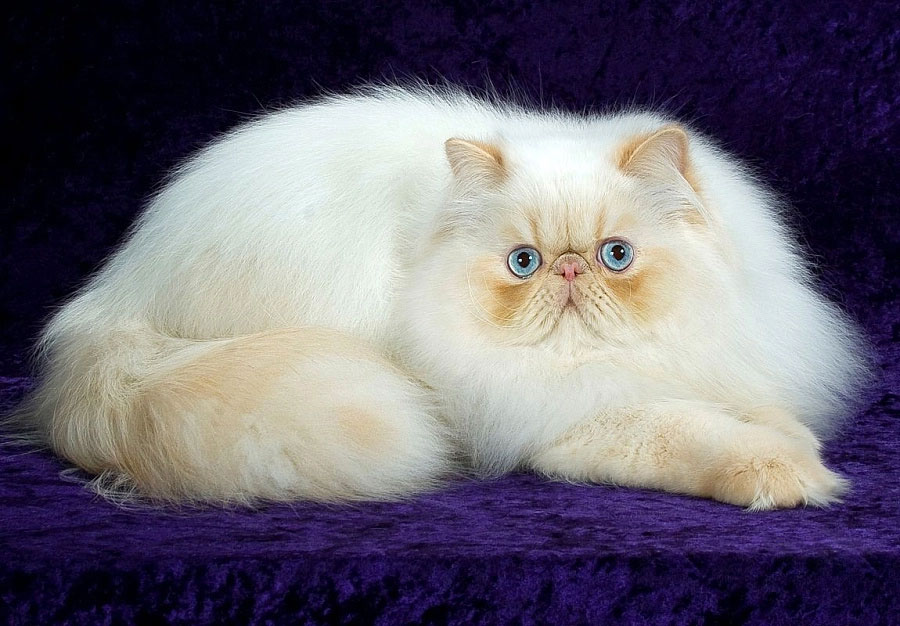
A normal cat's nose may be lighter than usual after spaying (neutering) or other surgery performed under general anesthesia. A whiter (lighter than normal) nose may occur during the postoperative period, when the animal is recovering from the effects of the medication, but this symptom should resolve once the condition returns to normal.
Another reason why a cat's nose may turn white is due to significant blood loss, such as after a difficult birth or injury.
If your pet has been injured and you notice a lighter coloration of the nose and mucous membranes (look into the mouth and assess the color of the tongue and lips), you should take it to the clinic as soon as possible, as this could be a sign of internal bleeding.
Emergency care is required if the “white” nose is combined with other threatening symptoms:
- impaired coordination and/or consciousness;
- shortness of breath;
- refusal of food and water;
- high temperature (dry, hot nose);
- The cat sneezes and has copious discharge from its nose.
Why does a cat's nose turn black?
Sometimes owners notice that their pet's nose has become noticeably darker and begin to worry whether this means the animal has health problems and needs treatment.
There are also many reasons for hyperpigmentation of the nose, and not all of them are dangerous:
- Age-related changesIn some animals, the pigmentation of the nose becomes even darker as they age, and this is normal. The paw pads and skin around the eyes also typically darken.
- Bacterial infectionIn this case, dark spots on the nose will form as crusts, and there may be profuse discharge from the eyes and nose.
- Fungal infectionIn this case, dark spots may look like a thin layer of dirt that doesn't wash off with water and are often located outside the nose area.
- InjuriesYou may think your cat's nose has turned black, but this visual effect could actually be caused by dried blood. Free-roaming cats often fight, causing serious injuries.
- NeoplasmsIf changes affect not only the color but also the shape of the nose, the cause may be a benign or malignant tumor.
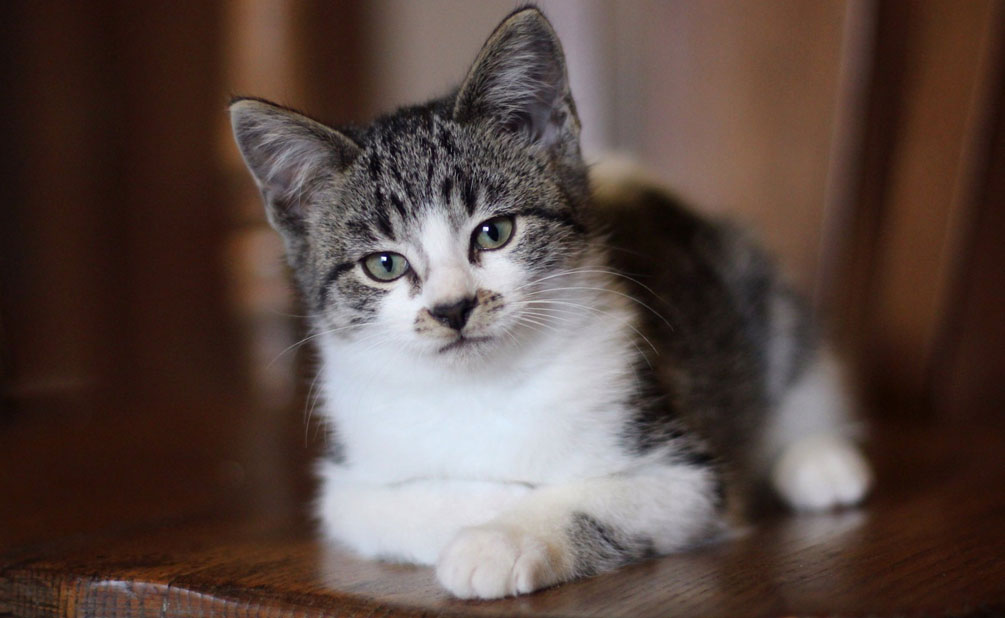
In any case, if your cat's nose suddenly turns black and you're sure it's not dirt or age-related, you should take your pet to the vet and have him examined to determine the cause of these symptoms.
Veterinarian's advice
Watch this video to see what a cat's nose should look like in a normal state, as well as what changes should alert the owner:
Read also:
- Causes and treatment of runny nose in cats
- Pneumonia in cats: symptoms and treatment
- Calicivirus infection in cats: symptoms and treatment


Add a comment