
White poop in dogs: why and what it means
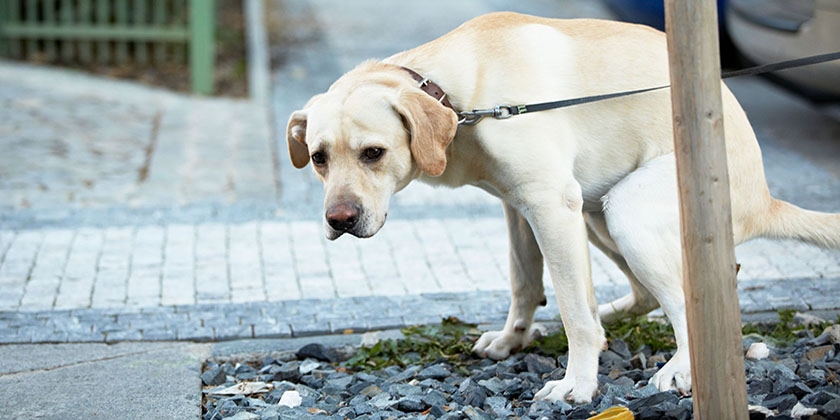
All canines have brown feces, the coloration coming from bile produced by the liver. If a dog has white (acholic) feces, it means bile is not reaching the intestines. This usually indicates a serious illness, although in some cases, discolored feces can be caused by a completely harmless reason.
Content
Causes of acholic stool not related to disease
A dog's stool may change color to white in several cases:
- When including large amounts of trimmed lard, fatty meat, or cottage cheese in your dog's diet, the saturated fatty acids found in such foods negatively impact the entire digestive system, causing discoloration of the dog's stool.
- A course of treatment with certain medications destabilizes liver function (antibiotics, antidiarrheals).
- Regularly feeding your dog bones and cartilage. White stool after eating bones occurs because the vitreous tissue of cartilage and bone are poorly digested by the dog's body, and the white particles are remnants of incompletely digested food.
If you minimize the amount of animal fat in your dog's diet and stop feeding them bones, the stool color will return within 2-3 days. If nothing has changed, and especially if, in addition to discolored stool, your dog is showing signs of deterioration (nausea, vomiting, general weakness, loss of appetite), you should consult a veterinarian immediately.
Dangerous causes of acholic stool
Serious conditions that can cause white stool in dogs include:
- cirrhosis – a severe, often incurable disease in which liver cells are replaced by fibrous (scar) tissue, causing the organ to gradually lose its ability to function;
- hepatitis is an inflammatory disease that affects liver cells;
- cholecystitis - inflammation of the gallbladder;
- Cholangitis is a disease associated with the development of inflammatory processes in the bile ducts located both inside and outside the liver.
- Cholelithiasis (gallstone disease) is a pathology characterized by the formation of stones or sand in the gallbladder and bile ducts.
- pancreatitis ― inflammation of the key organ of the endocrine and digestive systems - the pancreas.
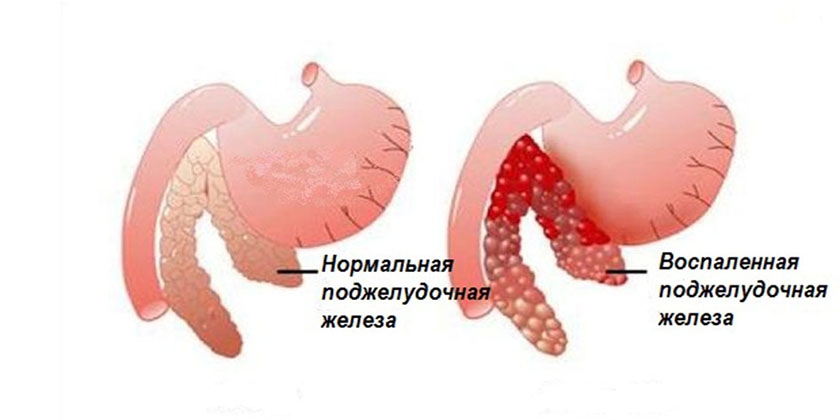
Acholic feces in dogs can also be caused by malignant neoplasms, benign liver tumors (hemangiomas, fibromas, cysts, lipomas), and structural abnormalities of the gallbladder and bile ducts, which mechanically impede the process of bile production and its release into the intestines.
Diagnosis and treatment
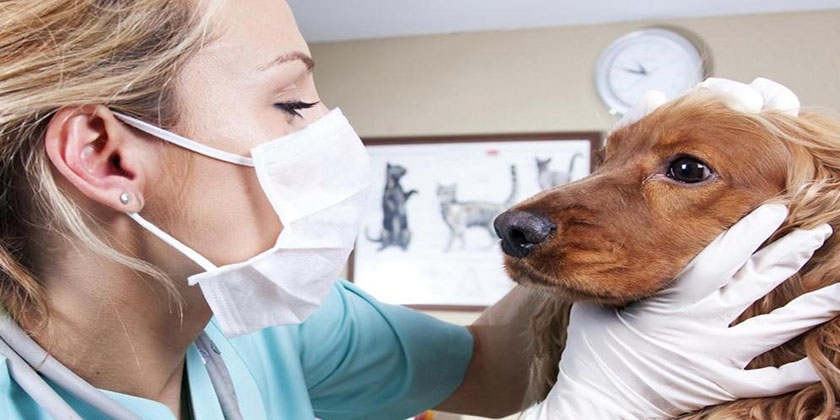
To understand exactly why your dog has white stool, you should consult a veterinarian, who will then refer you for a series of tests. This may include:
- general and biochemical analysis of blood and urine;
- stool test (for the presence of helminths, enterobiasis and dysbacteriosis);
- Ultrasound or X-ray of the peritoneum.
In some cases, a histological analysis of liver cells is performed. This involves performing a puncture of the peritoneum, and a liver tissue sample is removed with a needle and sent to a laboratory for examination under an optical microscope. A diagnosis will be made based on the results.
In most cases, drug treatment is prescribed. For hepatitis, hepatocyte regeneration stimulants (hepatoprotectors), antibiotics, sulfonamides, and antispasmodics are used. For cholecystitis and cholangitis, selective antibiotics or antiparasitic agents, choleretic agents, and salicylic and ascorbic acid preparations are used.
Pancreatitis is dangerous not only because of the inflammation but also because the pancreas produces a reduced or even complete cessation of digestive enzymes, which impedes digestion. Therefore, in addition to symptomatic treatment, dogs with this condition are prescribed probiotics to restore intestinal microflora. Surgical treatment may be necessary for tumor resection or removal of large stones.
In any case, if a dog's white stool is caused by a liver, gallbladder, pancreas, or gastrointestinal disease, the animal will be prescribed a therapeutic diet. Prohibited foods include fatty meats and dairy products, smoked meats, offal, bones, and strong meat broths.
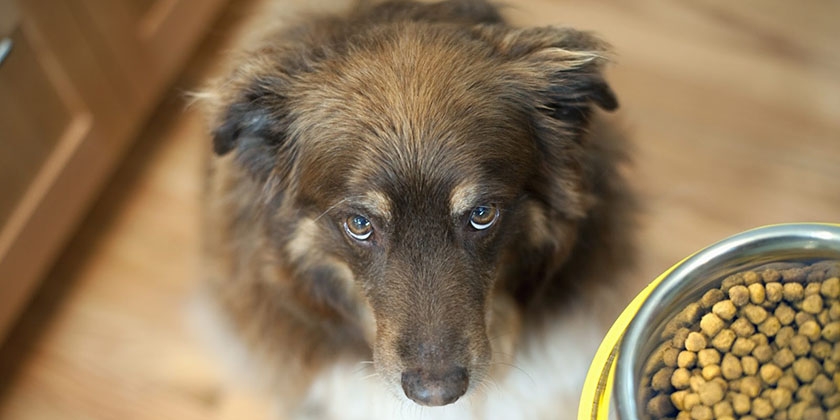
A dog's diet may include boiled lean meat, porridge (oatmeal, buckwheat), and low-fat cottage cheese. Vegetables should only be given after cooking and preferably in pureed form. If your dog is accustomed to prepared foods, cheap dry food should be strictly avoided during the diet.
Read also:


Add a comment