
White and Pale Gums in Dogs: Causes and Treatment
Many owners have heard that white and pale gums in dogs are a cause for concern, but not everyone knows what causes this symptom, what to do if you notice that the mucous membrane has turned pale, and when the animal needs immediate help.
Content
What does the condition of the mucous membranes indicate?
The gums, as well as the tongue and the mucous membranes of other parts of the mouth, can tell a lot.
Capillaries (thin blood vessels) that permeate all body tissues are extremely close to the surface in the mucous membranes, causing unpigmented areas in the skin to have a pink tint. The intensity of the coloring depends on many factors and can vary depending on the individual characteristics of the animal and its health.
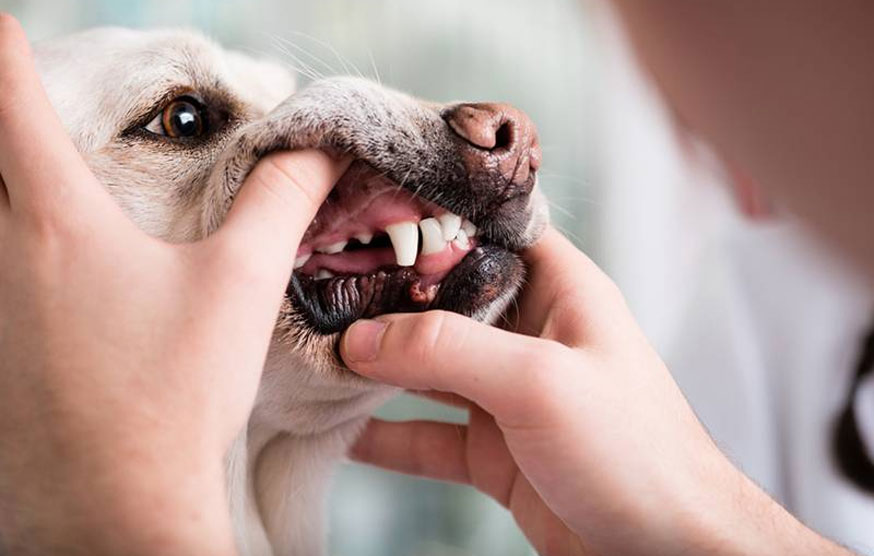
To know exactly what color your dog's gums should be, you need to regularly examine your pet's mouth.
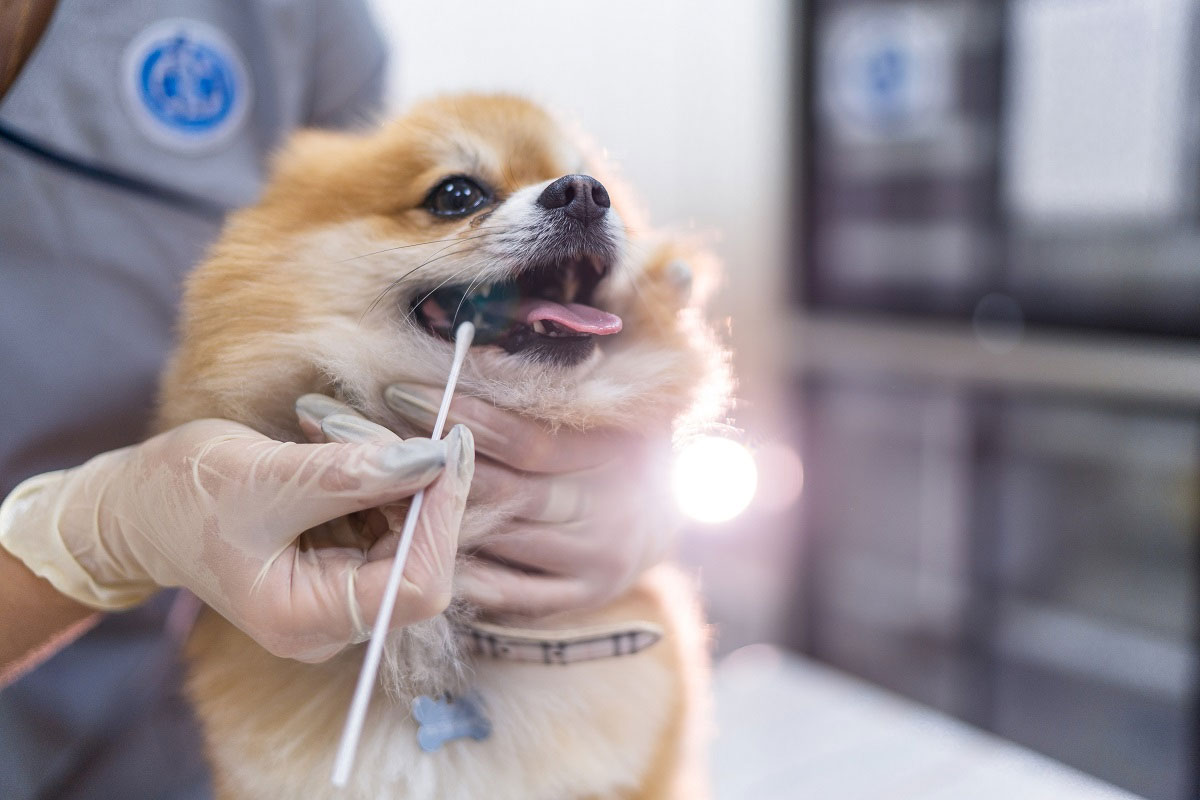
The surface of the mucous membranes is always protected from drying out by mucus, which should normally be slippery to the touch and almost transparent in appearance.
The color and moisture content of your gums can reveal important facts such as:
- quality of blood supply to peripheral vessels;
- oxygen saturation of the body;
- sufficiency (or lack) of water in the body.
Any changes should be cause for concern, but if your dog's gums have become pale (lighter than usual), or the amount and consistency of mucus has changed, this is a reason to visit the veterinarian.
Possible causes of pale gums
Don't panic if you notice slightly white gums on your dog, unless your pet's condition is otherwise alarming. However, it's still worth consulting a veterinarian to determine the cause of the change and address it.
Not all conditions characterized by pale mucous membranes are a sign of serious illness, but if your pet does have a health problem, the sooner it is diagnosed, the more effective the treatment will be and the more optimistic the prognosis for recovery.
Lack of vitamins and microelements
If a dog has consistently pale mucous membranes, along with lethargy, fatigue, and poor appetite, but examination reveals no serious pathologies, the problem may lie in an unbalanced diet.
Don't underestimate the danger of constant lack of vitamins, especially during the period of active growth and development of the puppy, as well as during pregnancy.

Helminthic infestation
If a dog does not receive anthelmintic medications regularly, the number of parasites in the intestines can become so large that their activity will lead to serious problems, one of the manifestations of which may be pale mucous membranes.
Anemia (anemia)
Light colored gums may indicate iron deficiency. anemia, which develops if the animal:
- does not get enough iron from food;
- cannot absorb iron due to gastrointestinal problems.
Anemia and vitamin deficiencies are diagnosed based on blood test results.
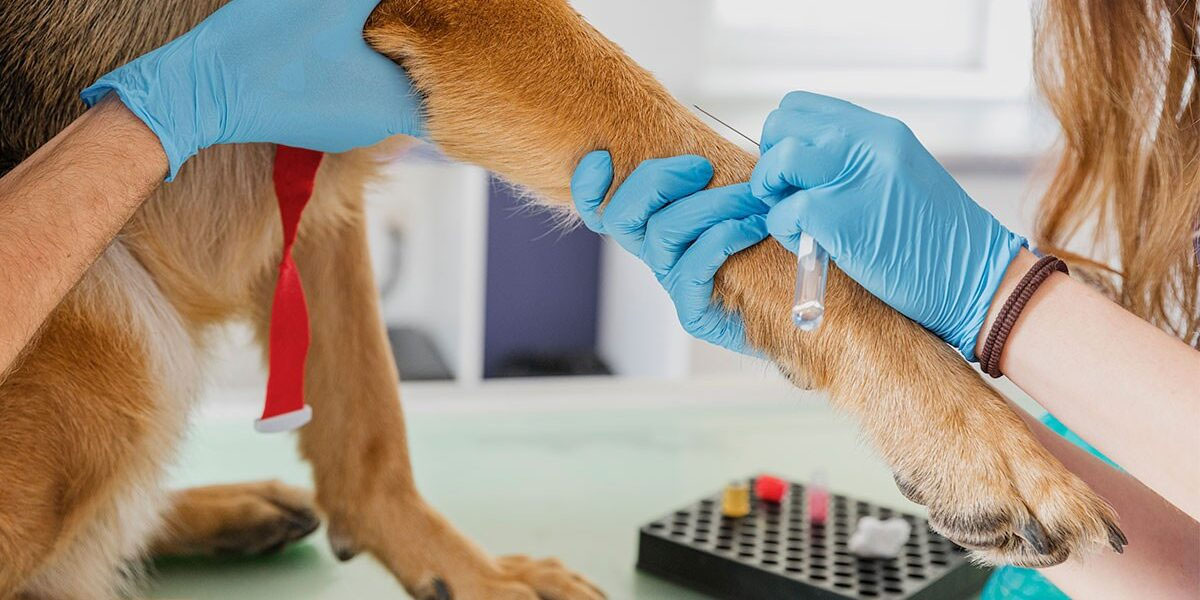
Major blood loss
If an animal has been injured, the damage isn't always visually apparent. It's important to know that white gums in a dog can indicate significant blood loss. In the absence of external injuries, internal bleeding can be suspected, meaning the animal requires immediate medical attention.
Also, light (but not white) gums may remain for some time in dogs after a major surgery or difficult birth, but the natural shade should normally be restored fairly quickly.
Changes in blood count
A decrease in the production of erythrocytes (red blood cells) can be caused by:
- autoimmune diseases;
- parasitic infections (babesiosis, piroplasmosis);
- thyroid dysfunction (hypothyroidism);
- oncological processes.
A similar symptom can sometimes be observed while taking antibiotics and certain other medications that affect blood counts. After discontinuing the medication or completing the course of treatment, blood counts return to normal, and the pale gums also resolve.
Cardiac dysfunction
If, as a result of a serious condition or progressive disease, the heart is unable to ensure normal blood flow, peripheral circulation suffers first, which, from the point of view of a person not versed in medical subtleties, appears as paleness of the mucous membranes.
Only a veterinarian can determine whether a dangerous symptom is related to a heart problem after conducting a comprehensive examination.
The following symptoms, observed along with light gums, should be a cause for concern:
- the animal's breathing is shallow, intermittent, uneven (a heart attack may be suspected);
- the dog gets tired quickly, walks poorly, refuses to eat;
- there is shortness of breath, which appears even with minor physical exertion;
- At night the animal suffers from a "heart cough".
If any of the listed symptoms are present, you should take your dog to the veterinarian as soon as possible.
Respiratory dysfunction
Respiratory problems can develop as a result of various illnesses (in this case, gums turn white due to a lack of oxygen in the blood). Typically, these symptoms progress quickly, and without qualified veterinary care, the animal may die.
The following may indicate a pet’s serious condition:
- completely colorless (white or slightly gray) gums;
- shallow or heavy breathing;
- wheezing;
- loss of consciousness.
Poisoning
Another reason why a dog has white gums could be severe poisoning chemicals or toxins that some pathogenic organisms produce during their life cycle.
As a rule, in this case, pale gums can be observed along with such manifestations of intoxication of the body as:
- diarrhea;
- vomit;
- refusal to eat;
- increase in body temperature.
Conclusion
As you can see, there can be many causes for a symptom such as pale mucous membranes. If the problem arises due to illness, injury, or a tick bite, and your pet is clearly feeling unwell, don't bother trying to find the cause or treat your dog with home remedies. Take your pet to the vet as soon as possible for a diagnosis and the selection of an effective treatment.
But even if your dog is feeling well, pale gums are a reason to postpone vaccinations and other medical procedures and conduct a full examination to identify the cause and any possible underlying health problems.
Read also:
- What to do if a snake bites a dog
- Burns in dogs: what they are and what to do
- Hypoglycemia in Dogs: Symptoms and Treatment


Add a comment