
Protein in Urine in Cats: Causes and Treatment
A clinical urine analysis provides a comprehensive picture of the animal's metabolic processes and can detect many diseases. For example, laboratory testing can detect protein in a cat's urine. Normally, the urine of a healthy animal should not contain protein. Its presence is permissible in quantities no greater than 0.3 g/L.
Although the presence of protein compounds in a cat's urine is sometimes caused by harmless physiological reasons, in most cases it indicates pathologies in the animal's reproductive, urinary, or circulatory systems.
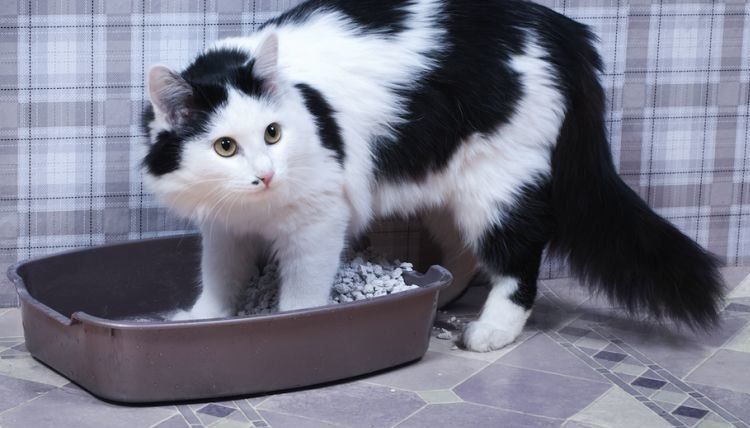
Causes of protein in cat urine
Even if protein levels in urine reach the upper limit of normal, there's no indication of disease. A pathology is defined as the presence of protein in amounts significantly exceeding the acceptable limit; this condition is called proteinuria.
Protein in the urine can be one of the symptoms of the following diseases:
- cystitis;
- urethritis;
- pyelonephritis;
- glomerulonephritis;
- renal amyloidosis (a disorder of protein-carbohydrate metabolism);
- urolithiasis;
- anemia;
- infectious diseases (ehrlichiosis, Lyme disease);
- high blood pressure;
- pyometra (one of the dangerous forms of endometritis);
- lipemia (presence of lipids in the blood);
- systemic lupus erythematosus;
- diabetes mellitus;
- oncological diseases of the genitourinary system.
Types of proteinuria
Proteinuria can be functional (physiological) or pathological. The former is harmless and is a temporary reaction to sudden physical exertion, overheating, hypothermia, or high-protein foods. The level usually returns to normal when the triggering factor ceases, for example, by changing a cat's diet.
The pathological form develops against the background of some disease and is subdivided into:
- Prerenal, when small protein molecules enter the kidneys from the blood, penetrating the filtration barrier.
- Postrenal: protein fractions form in the urinary tract as a result of inflammation. This form most often develops with a bacterial infection.
- Renal, which is caused by functional or anatomical disorders of the kidneys. In this case, the presence of protein in the urine is the result of inflammation or damage to the parenchymal tissue.
Symptoms
In some cases, protein in a cat's urine is discovered incidentally, without any other signs of illness. This may occur with functional proteinuria or during the initial stages of the disease's pathological form. As the disease progresses, symptoms common to many other conditions may appear, so a diagnosis based on history alone is impossible.
You can assume that your cat has proteinuria if the animal:
- loss of appetite;
- it loses weight quickly;
- weakness and apathy are observed;
- vomiting occurs frequently;
- The urine is cloudy and blood fragments can be found in it.
Important! If your cat exhibits even a few of these symptoms, it's time to immediately contact a veterinarian to determine the underlying cause as soon as possible. Proteinuria is a condition whose successful treatment depends largely on accurately identifying the underlying condition and promptly initiating therapy.
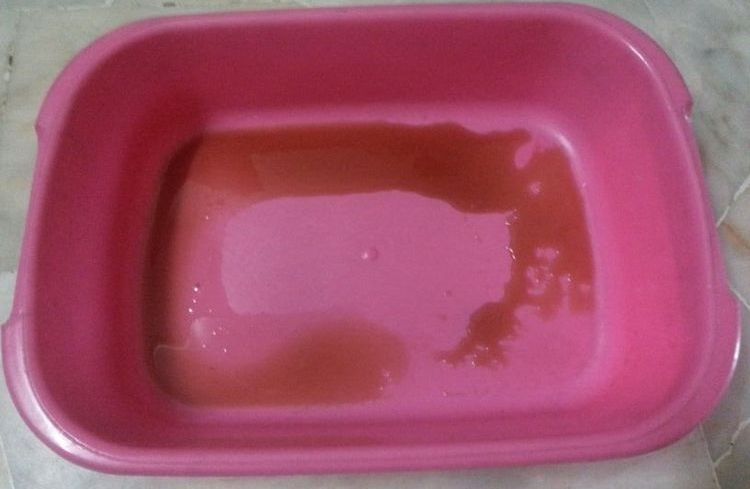
Diagnostics
The list of diagnostic tests is determined by the veterinarian. The initial diagnostic method is a general urinalysis. A rapid urine protein test, performed with a paper pH strip, does not always provide reliable results and does not provide quantitative data.
If proteinuria is suspected, the cat is given bacteriological and chemical urine tests. The following parameters are determined:
- color;
- transparency;
- density;
- acidity (pH);
- sediment character;
- protein;
- mucus;
- epithelium;
- fat and ketone bodies;
- presence of blood elements;
- "liver" pigment bilirubin;
- glucose.
Important! To ensure accurate urine protein test results, avoid feeding your pet high-protein foods for at least 24 hours before urine collection. These include poultry, liver, cottage cheese, milk, and eggs.
Differential diagnosis of proteinuria may also include general and biochemical blood tests, ultrasound, X-ray and other studies.
Treatment
Proteinuria is most often treated on an outpatient basis. Treatment depends directly on the underlying condition causing protein in the urine.
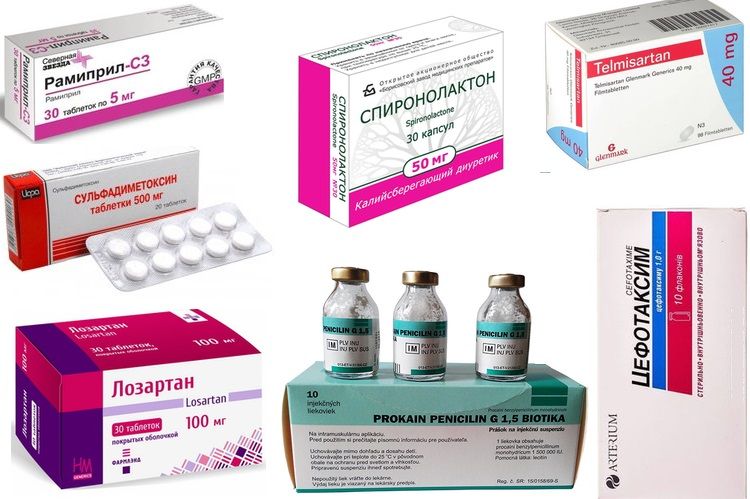
Most often, protein in the urine is caused by kidney disease. If it is a functional disorder, treatment is needed. renal failure Cats may be prescribed ACE inhibitors: Benazepril, Imidapril, Lisinopril, and Ramipril. Medications containing ALA, EPA, and DHA (omega-3 fatty acids) can help improve renal vascular health. These unsaturated fatty acids are taken long-term, and are recommended for older animals on a regular basis.
In case of inflammatory processes in the kidneys or urinary tract (pyelonephritis, cystitis, urethritis), antibiotics of the penicillin or cephalosporin group are prescribed (Penicillin, Carbenicillin, Amoxicillin, Cefepime, Cefotaxime), as well as sulfonamides (Sulfen, Sulfadimethoxine). Antibiotic therapy with tetracycline-based drugs is used if a cat is diagnosed with ehrlichiosis, an acute infectious disease transmitted by ticks.
If a cat is diagnosed with hypertension, it is prescribed a course of treatment with antihypertensive medications (Losartan or Telmisartan) and/or potassium-sparing diuretics (e.g., Spironolactone). A low-fat and low-salt diet is used as an additional treatment and preventative measure.
For anemia not associated with blood loss (hemolytic, hypoplastic, or nutritional), the animal is prescribed medications that help increase hemoglobin levels. These include iron, copper, and cobalt supplements, as well as B vitamins. Nutritional anemia, with decreased red blood cell and hemoglobin levels, is often observed in young cats and kittens due to poor nutrition or impaired iron absorption. In such cases, a veterinarian will recommend introducing liver into the cat's diet.
The severity of proteinuria, even if caused by a severe pathology, can be effectively reduced by limiting protein-rich foods in the cat's diet and increasing the amount of omega-3 and omega-6 fatty acids. The state of the animal's immune system is also important. To improve its resistance, a cat that has recovered from proteinuria is recommended to take a course of immunomodulators; veterinarians usually prescribe Gamapren, Gamavit, Vetozal or Immunovet.
How to collect cat urine for analysis: video
Read also:
- Chronic renal failure in cats: symptoms and treatment
- Struvites in a cat's urine: how to treat them
- Triple phosphates in urine in cats


6 comments
Zhenya
Hello! The cat is 3 years old, not neutered. He started having problems with the toilet (pee) - before peeing, he meows plaintively, cannot pee the first time, pees sometimes very little, sometimes normally. Sometimes he walks past the tray in small portions. He often shivers (his whole body as if from the cold), but it is more noticeable on the paws and back). We contacted the veterinarian, gave a urine test: in the urine there is elevated protein 3.0, pH 6.5, specific gravity 1.030, the color is light yellow, transparency is slightly turbid; ketone bodies, bilirubin, urobilinogen, nitrites are negative; microscopy of the sediment: erythrocytes 1-3 in the field of vision, leukocytes 2-5, squamous epithelium singly; transitional epithelium -; renal epithelium -; casts -; fat +++; microflora cocci +; microflora rods -, mucus +; salts-; spermatozoa ++ .
We did an ultrasound of the abdominal organs: the conclusion - signs of abundant echogenic suspension in the interosseous cavity; deformation and dilation of the cystic duct of the gallbladder (L-shaped). At first, they prescribed Canephron for a month - his urination began to improve. The course ended and everything started again. We went to another veterinary clinic: they gave blood for biochemistry: no inflammation was detected, urea 13.7; creatinine 139.7; glucose 5.8; protein 64.1; cholesterol 3.2; alkaline phosphatase 66.2; ALT 55.4; AST 16.4. We retook the urine - protein again 3.0; pH 6.5; no fat. They prescribed Chofitol, papaverine, Whiston, Kotervin, Renal food, there seems to be no improvement, about a week later he vomited food.
After that, we went back to the vet. They stopped the Chofitol, papaverine, and Koterwin and prescribed gabapentin and buscopan. The very next day, the cat's face was swollen, he was barely moving, he was unsteady, his eyelids were swollen, he started scratching his eyes, his body turned red, he was constantly vomiting, and he started having diarrhea, but his appetite remained. They stopped giving him all the medications. We went to the vet clinic and got two injections of subcutaneous dexamethasone and subcutaneous serenia. He improved that same day; he's no longer nauseous or having diarrhea. Please help! Has anyone else experienced these symptoms? They can't figure out what's wrong with the cat and just prescribe a bunch of medications that only make him worse.
Daria is a veterinarian
Hello! Are the kidneys normal? There must be problems there too, since the animal has so much protein in its urine (the kidneys are failing to perform their primary function – filtration). Due to the inflammatory reaction in the kidneys, protein "slips" into the urine. You need to monitor how much the cat drinks and urinates. If both are frequent, diabetes (both mellitus and non-mellitus) should be ruled out. Let's look at the urine. The urine specific gravity is at the lower limit. Chronic kidney disease should also be ruled out.
Since the cat still has high protein levels even after therapy, a kidney examination is essential. This type of "proteinuria" is often a key marker for the development of severe nephropathies (diabetic nephropathy, primary chronic glomerulo- and tubulointerstitial pathologies, infectious and non-infectious diseases of the kidneys and urinary tract). We ignore red blood cells and white blood cells (their numbers are too low and have no diagnostic value). Fat in the urine is considered normal in cats and is also ignored.
Daria is a veterinarian
Now for the biochemistry. Urea is above normal. If this blood level is above normal, the primary cause is kidney pathology (parenchymal disease due to glomerular disease, tubular dysfunction, necrosis, or fibrosis). Shock, dehydration, a weak heart, recent feeding of a high-protein diet (the kidneys are the first to respond to a protein-rich diet), intestinal bleeding, and fever can also contribute to elevated levels. Creatinine is also elevated, which also indicates problems with the urinary system (prerenal, renal, and postrenal factors), and serum phosphorus levels are extremely important in this case. The other parameters are within normal limits. Therefore, Chophytol was not really needed. A renal ultrasound is a must!
Daria is a veterinarian
Regarding antibiotic therapy: have they really not prescribed it? The first choice is amoxicillin (11 mg/kg orally (hereinafter referred to as p/o) of live weight 3 times a day), cephalexin (8 mg/kg p/o 3 times a day), ampicillin (22 mg/kg p/o 3 times a day). Second choice (if the above does not help): chloramphenicol (33 mg/kg p/o 3 times a day), gentamicin (6 mg/kg subcutaneously 3 times a day), enrofloxacin (5-10 mg/kg p/o 3 times a day), tetracycline (18 mg/kg p/o 3 times a day).
The medications that caused the facial swelling should no longer be given, as they triggered an allergic reaction (more commonly known as angioedema). Fortunately, anaphylactic shock did not occur. Your pet should be given IV fluids if signs of dehydration begin. But first, be sure to evaluate the kidneys! Many medications have nephropathic properties, which will only worsen the pet's condition.
Nastya
Hello, my British Shorthair cat is 1 year and 2 months old. She hasn't been able to go to the bathroom properly for 5 days. She sits frequently, but can't, or only dribbles. We went to the doctor, and he prescribed No-Spa tablets and amoxicillin. We gave her the tablets in the evening and the next morning, and she started to go. For the next two days, she went slightly less than usual, but overall, she was doing well. We did an ultrasound and found no sediment or stones, and her bladder size was normal. We did a urine test, and two days later, she still can't go to the bathroom, sitting frequently, up to 10 times an hour.
The analysis showed:
pH 7,
density 1.066,
Protein 3,
Blood+,
Squamous epithelium 0-3,
Erythrocytes leukocytes 1-3,
Cocci bacteria ++,
Struvites +++
The doctor said to continue amoxicillin for up to 10 days, giving noshpa caused difficulties and suffering, he said to give kotervin, Royal Canin Urinary LP34 food.
She's been eating normal food for a day and a half, drinking water normally—about 100 ml a day—but the next day she threw up. Could you please tell me what this could be and what to do to prevent it from getting worse? It seems to me it's getting worse.
Daria is a veterinarian
Hello! How can there be no sediment if there are struvites in the urine? Bacteria in the urine is clearly cystitis. But struvites are a sign of impending kidney stones. Blood is appearing because the sand is scratching the urethra. Do you give the antibiotic with food or intramuscularly? Have you had your kidneys examined with an ultrasound? Have you had a blood test done?
Add a comment