
Belgian Shepherd (Groenendael, Tervuren, Malinois, Laekenois)
The Belgian Shepherd is a sturdy, compact dog with versatile working qualities. While it was once primarily a herding dog, today it is used primarily as a service dog, family dog, companion, and guard dog.
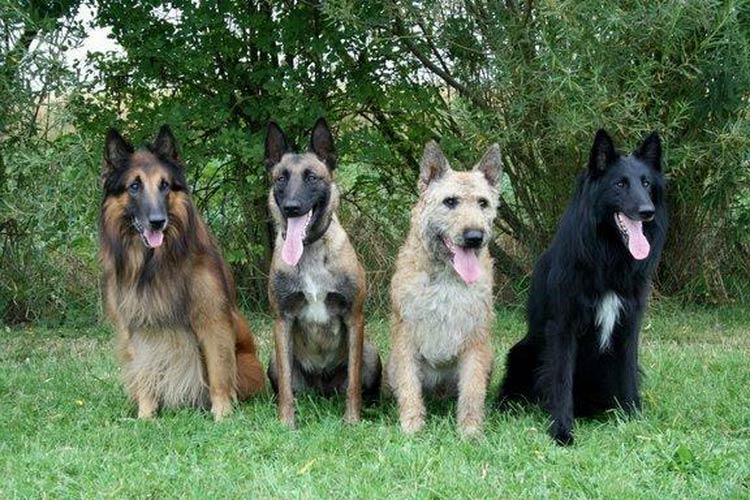
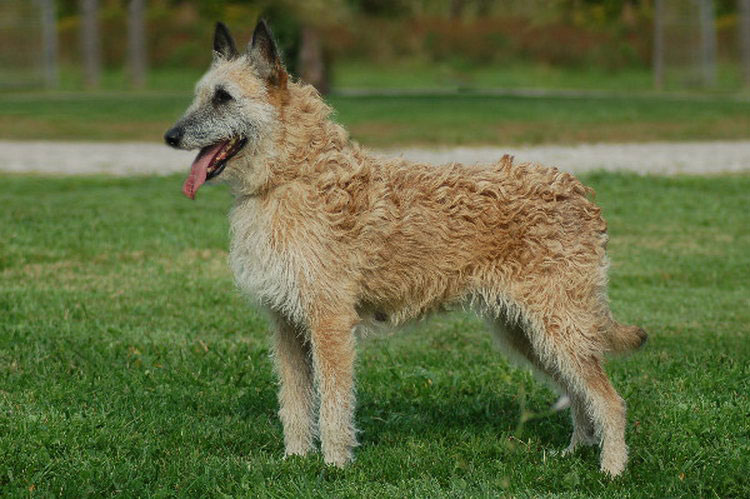
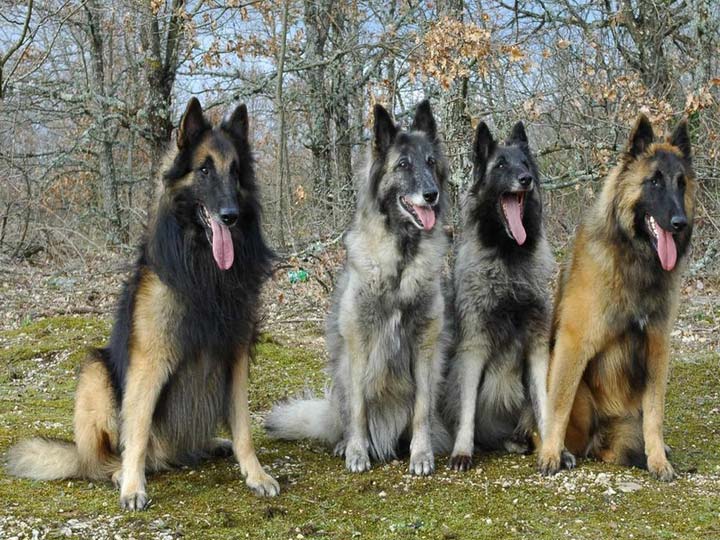
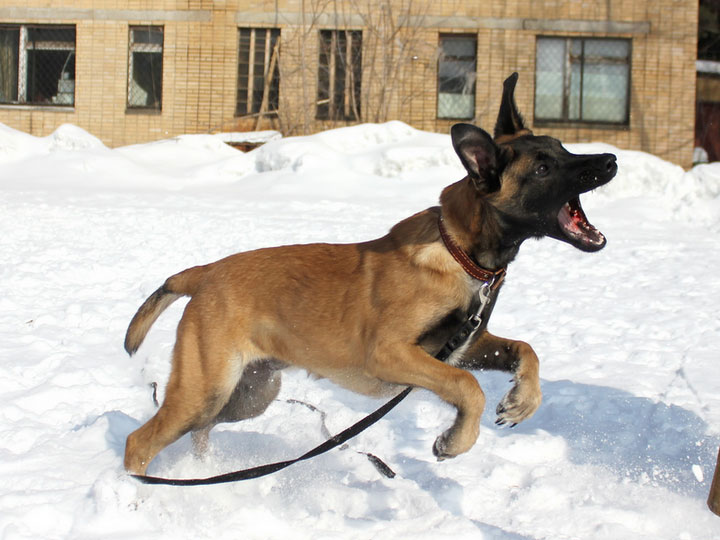
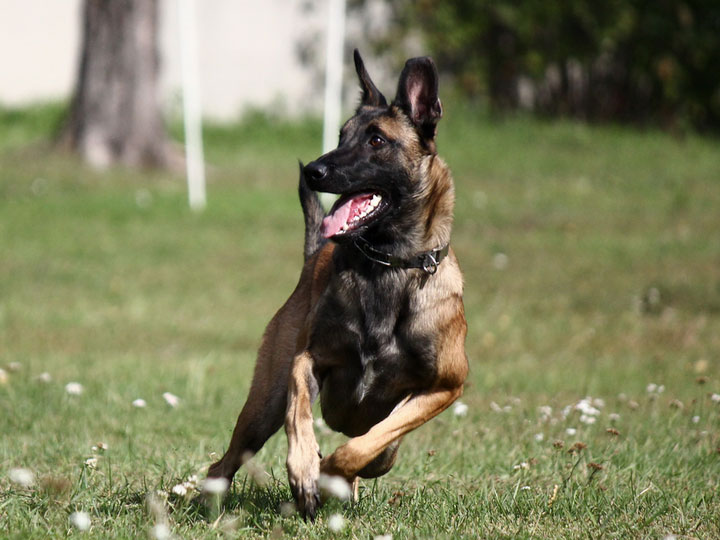
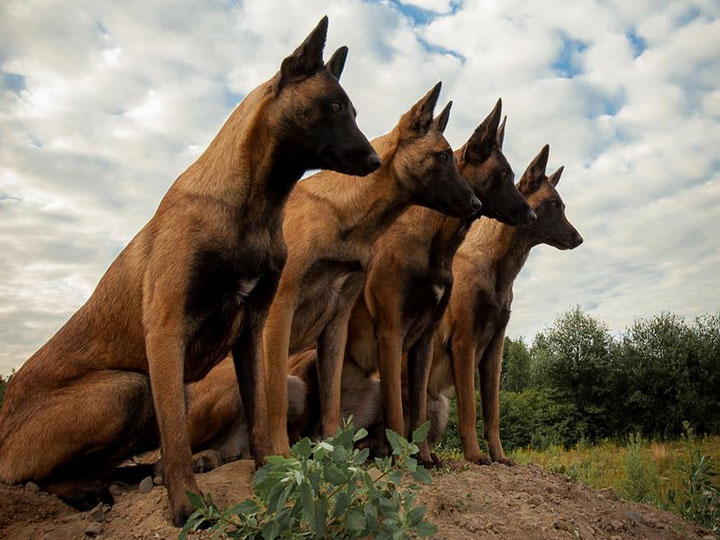
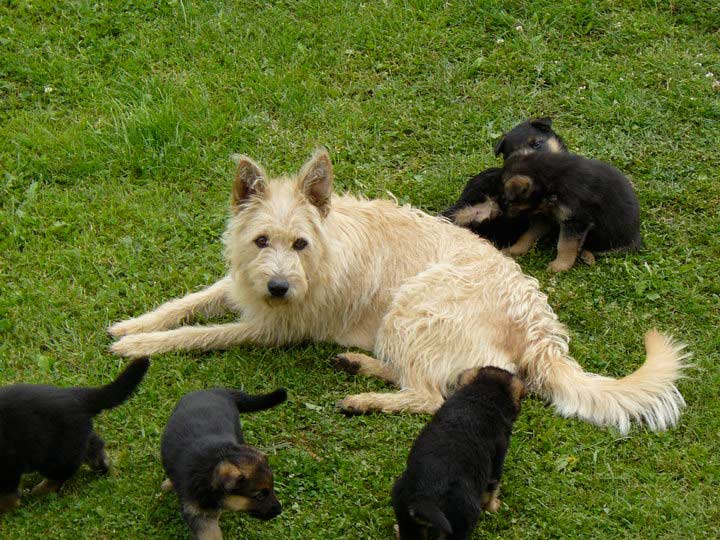
There are four varieties of Belgian Shepherds, each differing in coat quality and length: the Malinois, Tervuren, Groenendael, and Laekenois. According to the FCI classification, all of them are considered representatives of a single breed—the Belgian Shepherd. The photo below shows the appearance of a Malinois, the most popular variety, and the others. Other organizations distinguish the varieties separately or don't recognize them at all. For example, in the United States, the Groenendael, Tervuren, and Malinois are registered separately and are considered distinct breeds, while the Laekenois is not recognized at all.
Content
History of origin
In the 19th century, Belgium focused on breeding herding dogs. There were numerous breed groups, all of which differed greatly in appearance and coat type.
In 1891, a group of enthusiasts led by A. Rele, a professor at the Koogerhem Veterinary Institute, decided to develop a breed that would combine the best qualities. They can be considered the discoverers of the Belgian Shepherd and the first breeders of the breed. They organized the Belgian Shepherd Club and the first dog show, which took place in the fall of that year. Over 100 dogs were entered at the dog show, and the best specimens were selected for further breeding. The cynologists developed a breeding program and diligently implemented it over the next six years.
In 1901, the first Belgian Shepherds were entered into the national "Breeders' Book." Subsequent work aimed to standardize the breed and eliminate undesirable defects. In 1910, the type and temperament, which are common to all four varieties, were approved. However, their popularity varies across countries. In Russia and the CIS, the Malinois is the most popular, leading many to consider it a distinct breed. The Groenendael and Tervuren compete for second place, while the Laekenois remains the least popular, even in its homeland.
Over the years, the Belgian Shepherd has been the subject of heated debate and discussion regarding the obvious differences in appearance, but working ability and temperament have remained undisputed.
Video review of the Belgian Shepherd (Malinois) dog breed:
Appearance and standards
In appearance, the Belgian Shepherd gives the impression of a strong working breed. It is harmoniously built, well-proportioned, and carries itself proudly. The average height is 58-62 cm, and the weight is up to 30 kg. Its gait is free and direct. Shepherds can gallop, but a more characteristic gait is a leisurely walk or trot, with the legs moving parallel and the topline remaining level.
Head and muzzle
The skull is equal in length to the muzzle. The head is well-defined and dry. The bridge of the nose is straight. The muzzle tapers evenly to a fully pigmented tip with wide nostrils. The lips are dry and pigmented. The teeth are strong, white, and complete, with a correct bite. The stop is well defined. The eyes are almond-shaped, medium in size, and set deep. Brown is preferred. The eyelids are dark. The ears are triangular, set high, and carried erect.
Physique
The body is powerful, but not heavy. The format is slightly elongated. The topline is straight and wide. The neck is slightly elongated, widening noticeably toward the shoulders. The limbs are strong, dry, and well-muscled. The belly is moderately tucked up. The croup is slightly sloping. The paws are oval. The claws are dark and large. The skin is elastic and fits tightly to the body.
Coat and color
All Belgians have a fairly thick, dense coat with good structure and a soft undercoat that provides protection from adverse conditions.
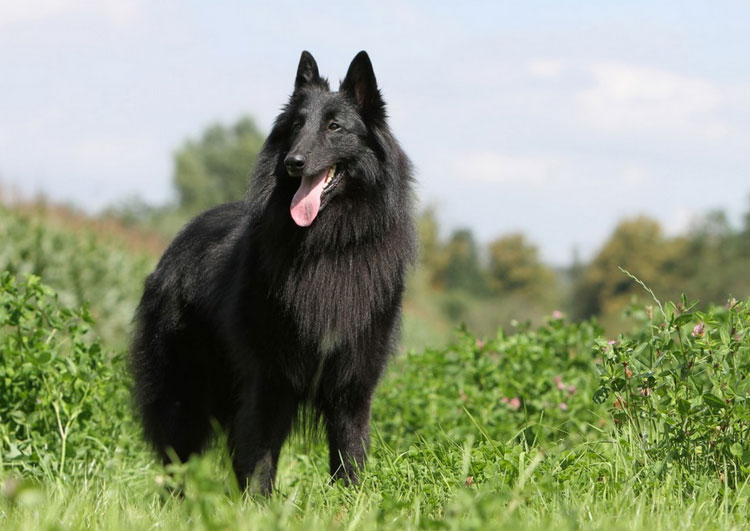
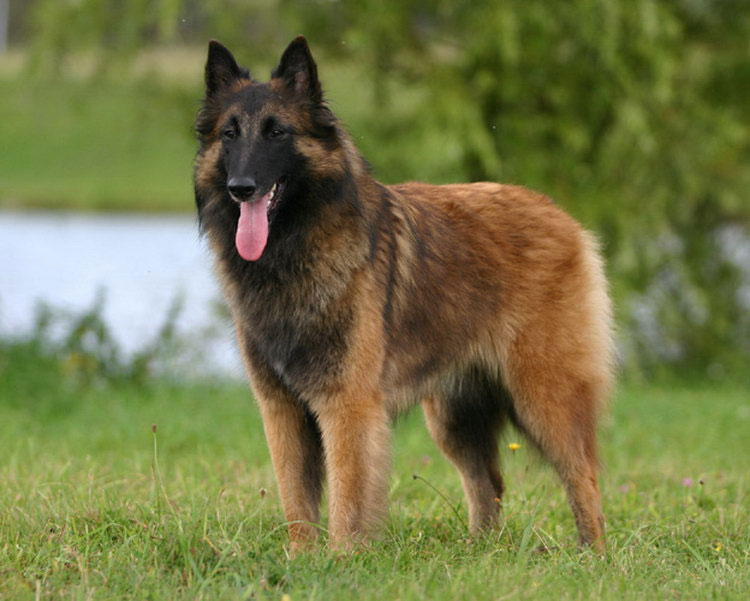
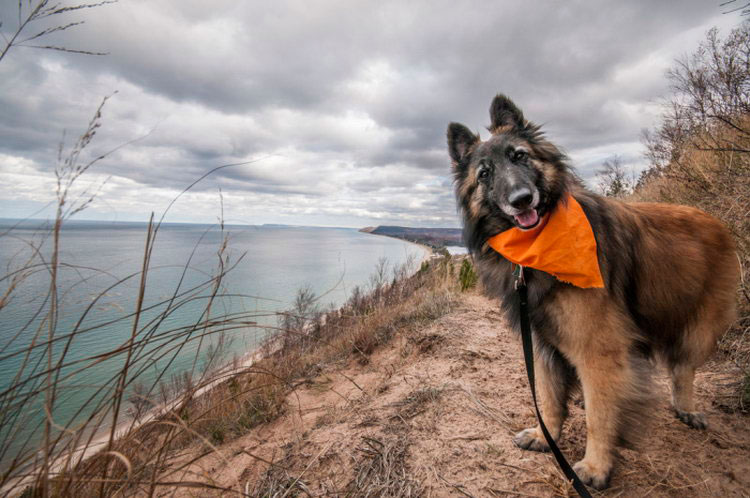
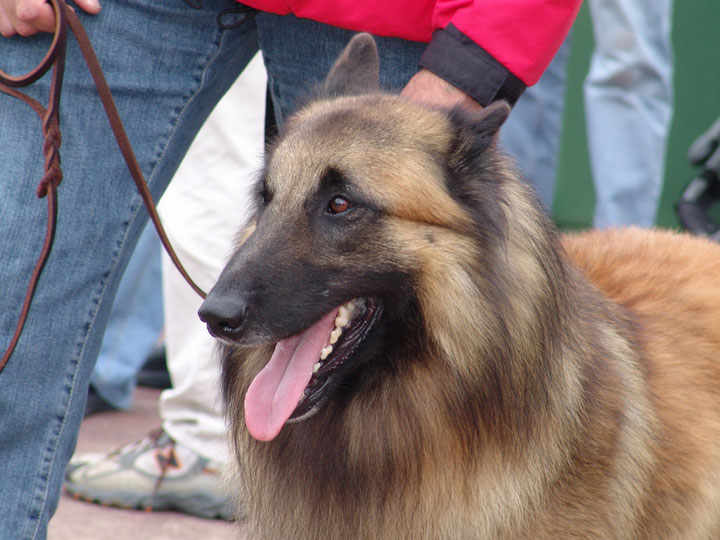
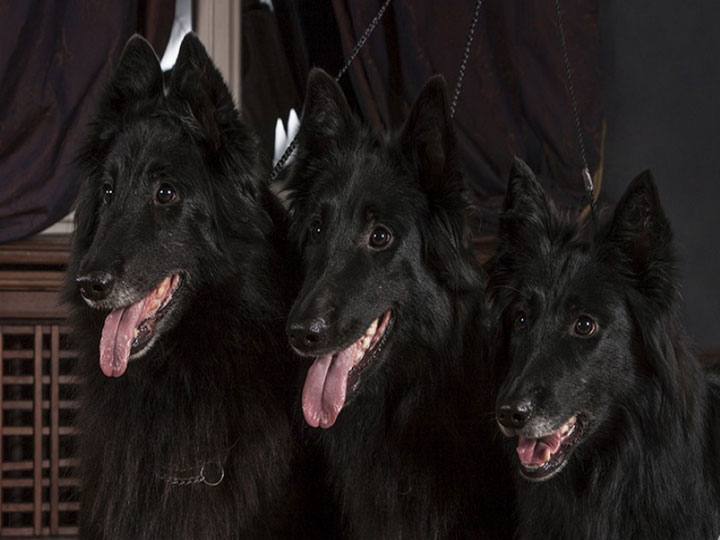
• Long-haired dogs are represented by the Groenendael and Tervuren types. They are distinguished by a beautiful, straight, flowing topcoat. On the head and underparts, it is short. On the neck and tail, it is longer, forming feathering.
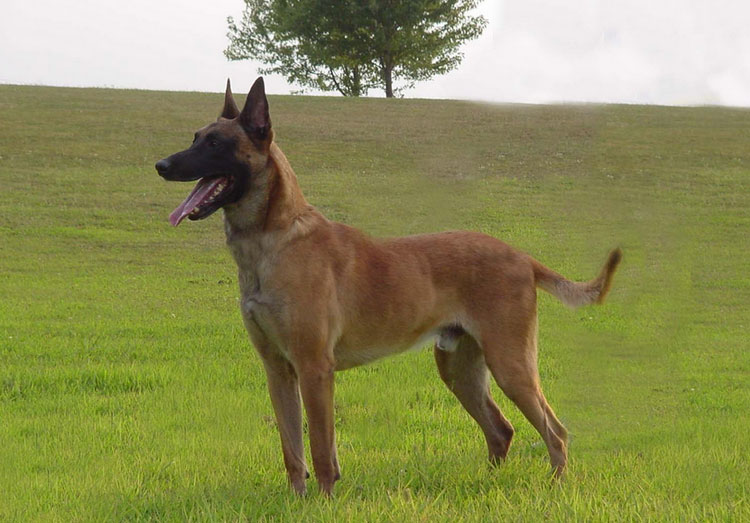
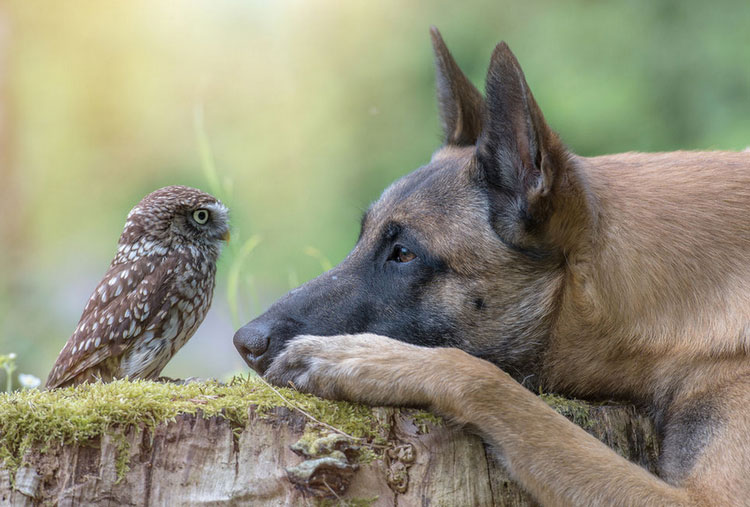
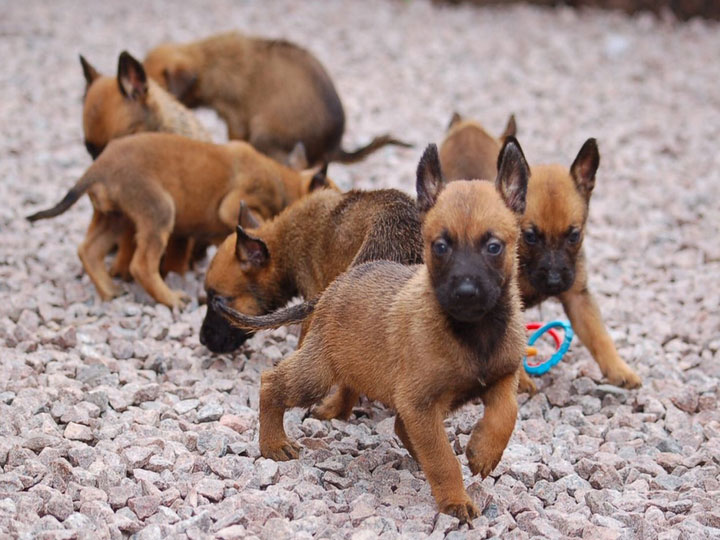
• Smooth-haired (Malinois) – the coat is short all over the body. The hair length increases only slightly on the neck, forming a collar, and also on the back of the thighs.
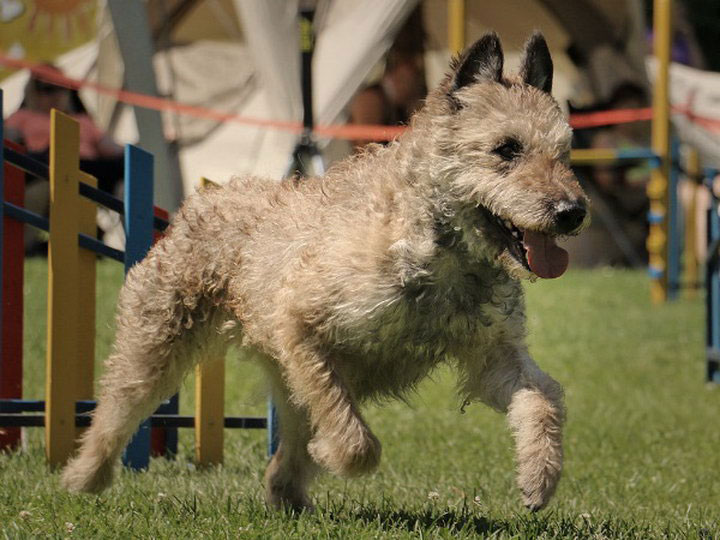
• Wirehaired (Laekenois) are characterized by hard, dry, coarse hair, average length is 6 cm. On the muzzle, the hair covers the shape of the head. The tail is slightly furred.
Belgian Shepherd colors:
• Malinois – fawn with mask; May have black markings;
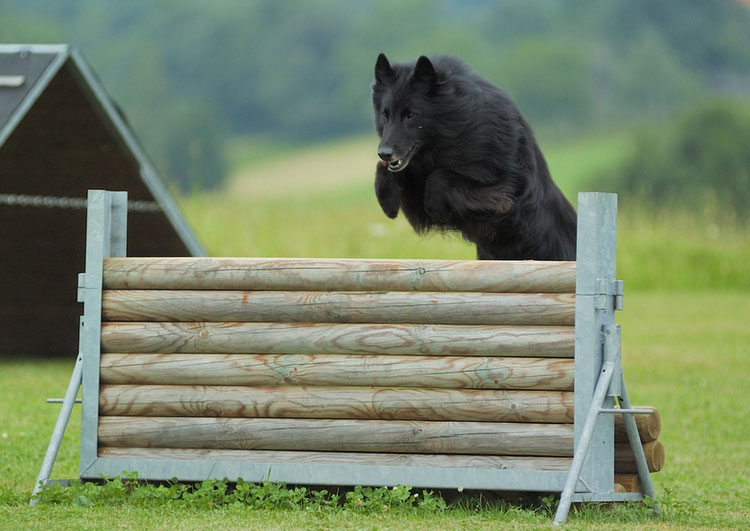
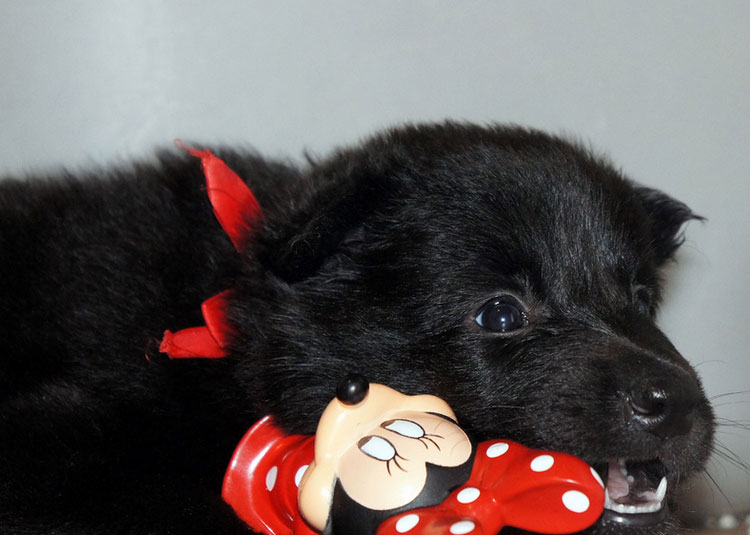
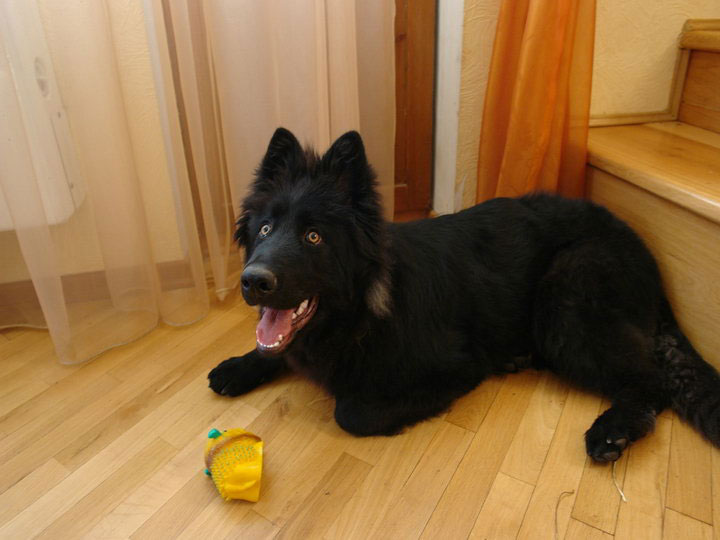
• Groenendael – solid black color;
• Tervuren – fawn, also gray with a mask. May have a black marking. The color should be rich, not washed out;
• Laekenois - fawn with light traces of black markings and mask.
All varieties may have small white markings on the toes and chest. The mask of the Malinois and Tervueren should be visible. "Black markings" mean that the tips of the hairs may be black, which offsets the base coat.
Crossbreeding of representatives of different types is prohibited.
Photos of Belgian Shepherd dogs (Malinois, Tervuren, Groenendael and Laekenois):
Character and psychological portrait
Belgian Shepherds are balanced, calm, and self-assured, possessing an elegant, dignified, and even exaggeratedly serious demeanor. They are always affectionate and approachable with family members. They are very loyal, obedient, and energetic, and possess excellent guarding qualities. They get along well with children. They will tirelessly walk with an older child, but they are caring toward younger children and understand their pranks.
Belgians are not aggressive, but they will watch strangers closely and treat everyone with caution. Even without proper training, a Belgian Shepherd will defend their family and property if necessary.
The Belgian Shepherd is the intelligence and independence of a shepherd, the vigilance and fearlessness of a guard, the reliability and loyalty of a security guard.
Getting along with dogs depends on the personality of the neighbors. Belgians, as a rule, are not averse to company and peaceful coexistence. With proper training, they don't bother domestic cats, understanding that they are also part of the family, but they will happily chase away neighbors' cats.
Training
Belgian Shepherds are known for their high intelligence. Their designation as a versatile working breed means they are highly trainable. trainingThey grasp all commands "on the fly," memorize them for a long time, and execute them without hesitation. Of course, all this is subject to regular training. Protection and guard training is best done with an experienced trainer.
Belgians easily master the General Training Course (GTC) or the Protective Structures Course (ZKS). They also easily learn agility and other sports. They can be found serving in law enforcement, customs, and search and rescue services.
Belgian Shepherd puppies are naturally resourceful and inquisitive, but they learn basic rules and commands very quickly, especially if their owner and dog have a good relationship. Early socialization is crucial; the puppy should be introduced to other animals, people, sounds, and surroundings. This will help raise a well-balanced, confident dog.
Maintenance and care
Shepherds are perfectly suited to living in a private yard. Naturally, the dog should have its own home, an insulated kennel for cold weather, and a place to hide in the shade during hot weather. Kennels can be considered temporary shelter. Apartment living is not the best option, even with regular walks. But if you're looking for a Belgian Shepherd on the ninth floor, a Malinois is the perfect choice. Good physical exercise and regular mental stimulation are essential requirements.
Grooming a Belgian Shepherd primarily involves caring for the coat, regularly brushing and removing dead undercoat, especially during shedding season. Frequent bathing is not recommended. Each coat type requires a different approach, requiring different frequency of treatments and the appropriate equipment. The Malinois (pictured below, a Groenendael) is the least demanding in terms of grooming; along with the Tervuren, it will require a good brushing, especially during shedding season. Other essentials include regular inspection of the eyes, ears, and teeth for debris. Brushing is performed as needed.
Diet
There are two types of food for your Belgian Shepherd: commercial dry food or natural. Dry food is selected based on the dog's age and physiological condition (active, adult, pregnant, or nursing). Typically, commercial diets are fully balanced and do not require vitamin or mineral supplements. Natural food should be based on cereals, meat, and organ meats, with some vegetables and fruits. Eggs and fermented milk products are occasionally given to the dog. Natural food requires additional vitamin and mineral supplements.
Health, disease and life expectancy
Belgian Shepherds are strong, resilient dogs with robust immune systems and excellent adaptability to various weather conditions. Of course, this doesn't mean they don't require preventative care, proper grooming, and a healthy diet.
In addition to diseases caused by improper care, the breed is known to have several hereditary diseases and predispositions to certain ailments:
• Allergies;
• Bloating of the stomach and intestines (with the possibility of subsequent volvulus)
• Dysplasia of the hip and elbow joints;
• Cataract;
• Obesity;
• Epilepsy.
The average life expectancy of Belgians is 10-12 years.
Choosing a Belgian Shepherd Puppy and Price
It's best to buy a Belgian Shepherd puppy from a breeder who specializes in the breed and has a proven track record. Of course, the dog must also meet the requirements it will face as an adult, possessing the necessary working qualities and temperament. To avoid disappointment in the puppy's character and talents, it's important to evaluate the parents' accomplishments. Most clubs can conduct specialized behavioral and character testing for puppies for a preliminary assessment.
In Russia and the CIS countries, the most common varieties are the Malinois and Groenendael; others are less popular and very difficult to find, let alone buy.Belgian Shepherds of different types cost roughly the same. A Belgian Malinois, Groenendael, or Tervuren with a good pedigree ranges from $500 to $1,000. The price is primarily influenced by the kennel's location, the quality and achievements of the parents, and the demand for the breed. If the puppies are the result of random or amateur matings, their price usually does not exceed 10,000 to 15,000 rubles.
Photos
Photos of Belgian Shepherd puppies and dogs. The photos clearly show the appearance and differences of the different Belgian Shepherd varieties: Groenendael, Tervuren, Malinois, and Laekenois.
Read also:
- White Swiss Shepherd (American-Canadian Shepherd)
- Maremma Sheepdog
- Bukovinian Shepherd (Southeastern European Shepherd)


Add a comment