
Bedlington Terrier
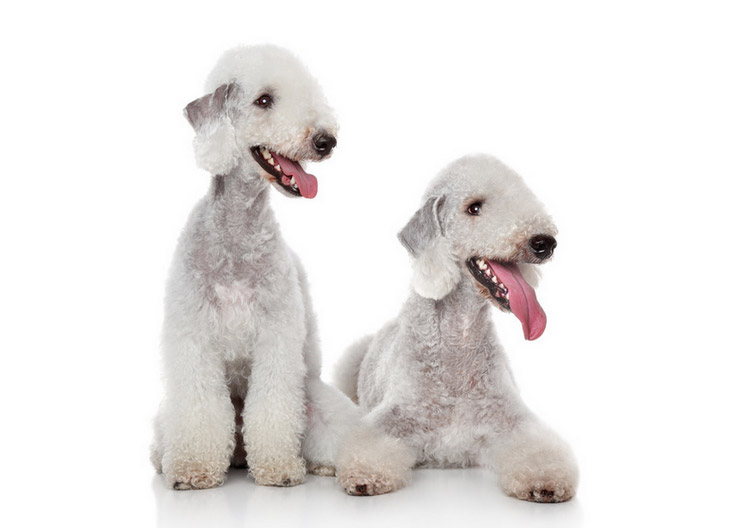
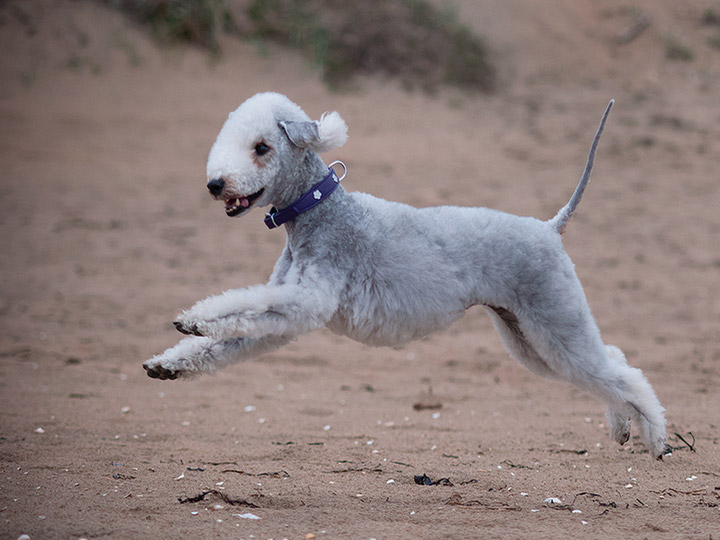
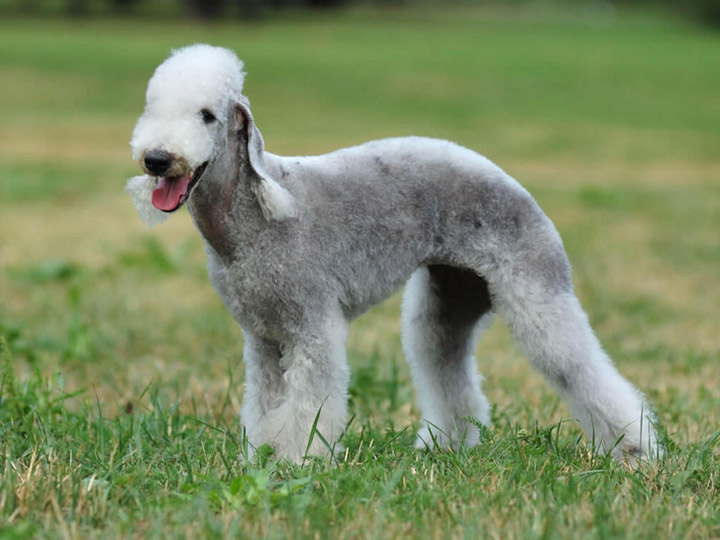
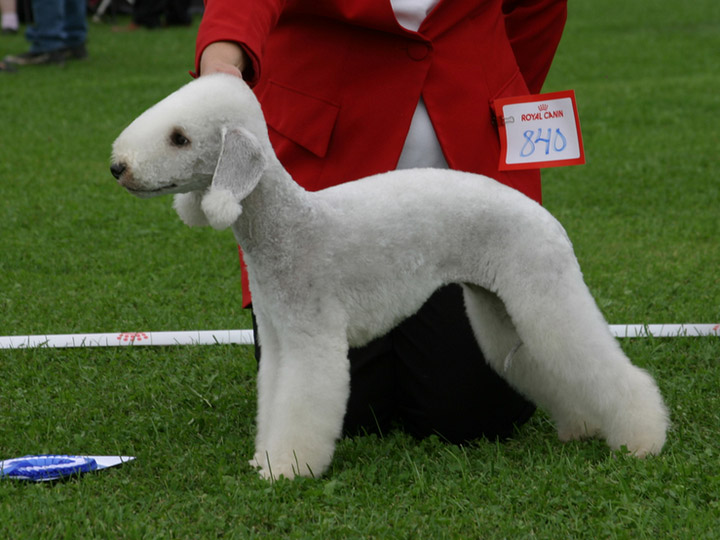
The Bedlington Terrier is a dog with the gentle appearance of a sheep and the temperament of a true terrier. Many breed lovers are drawn to this dog's distinctive appearance, which makes it impossible to go unnoticed.
Content
History of origin
When and how these dogs originated remains a mystery. It is known for certain that terriers of this type were found in England in the 18th century and were called Northumberland Fox Terriers (Fox Terriers). The first written mention of them was by Northumberland bagpiper James Allen. Cynologists believe that the breed was formed with the participation of greyhound, whippet, Otterhound, and the wool cap on the head indicates a relationship with the Dandie Dinmont Terrier.
Bedlingtons were very popular among small shopkeepers, farmers, and miners. They often accompanied traveling circuses. The breed is named after the small mining town of Bedlington, in the surrounding area where it was most common. It was officially recognized in 1825, and the first standard was adopted in 1867. In 1935, a stud book was started, listing all the English Bedlingtons known at the time. The most outstanding Bedlington was Ainsley Piper. She began hunting at just over six months of age and continued to catch the most ferocious badgers and otters even after becoming old and blind.
Bedlingtons acquired their elegance only in the 1920s, and their distinctive haircut gave them a sheep-like appearance. These features are the breed's hallmark and played a huge role in its popularization and spread.
Purpose
Since their inception, these courageous and agile dogs have earned the title of honorary ratters. They were fast enough to hunt rabbits and strong enough to tackle badgers and otters. The modern Bedlington Terrier is a companion and family dog that has, however, not lost its hunting instincts.
Video about the Bedlington Terrier dog breed:
Appearance and standards
The Bedlington Terrier is a graceful, elegant, and flexible dog without a trace of coarseness. Standing approximately 40 cm tall and weighing 8.5–10.5 kg, the Bedlington Terrier's outward delicacy and fragility are deceptive; beneath their soft, fluffy coat lie steely muscles, and their charming sheepskin face conceals strong, powerful jaws. Despite their decorative appearance, they are truly a terrier, surprisingly agile, robust, and resilient.
The head is elongated, covered with a white, silky cap of fur. The skull is flat and rounded, with a slight stop and a straight, continuous line from the tip of the nose to the back of the head. The jaws are long and tapering, with a scissor bite. The lips are tight. The eyes are small, triangular, bright, and deep-set. The color is brown, usually lighter shades. The ears are medium-sized, oval, covered with fine, velvety hair, with tufts at the tips. They are set low, lying close to the head.
The neck is long, tapering toward the head. The body is muscular. The topline is arched. The chest is deep, and the ribcage is flat. The underline has a distinct arch. The tail is medium in length, gracefully curved, tapering toward the tip and never carried higher than the topline. The legs are straight, set slightly wider at the chest than at the pastern. The hind legs appear longer than the front legs. The paws have well-knit, long toes and thick pads.
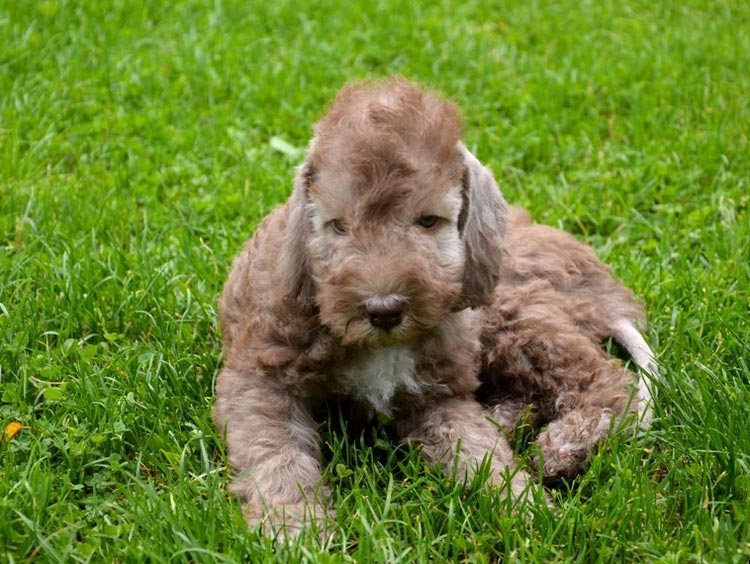
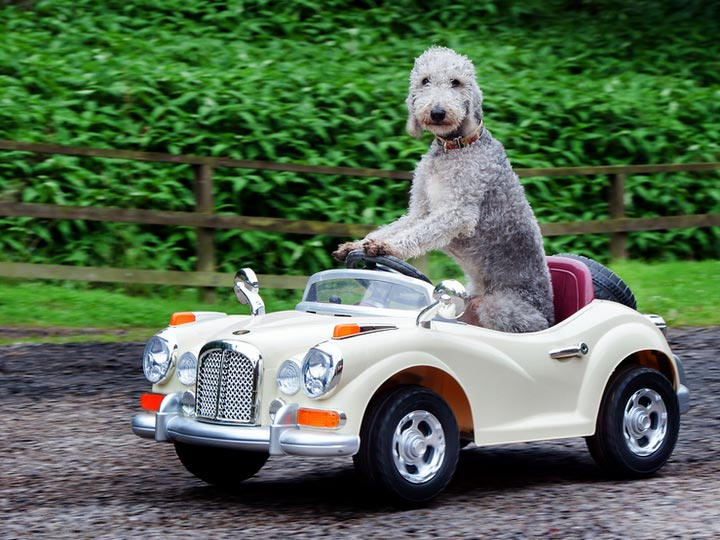
The coat is very distinctive, atypical for terriers. The hair is silky, thick, and soft. It does not lie flat against the skin and tends to curl, especially on the head. The color is sandy, liver, or blue.
Character
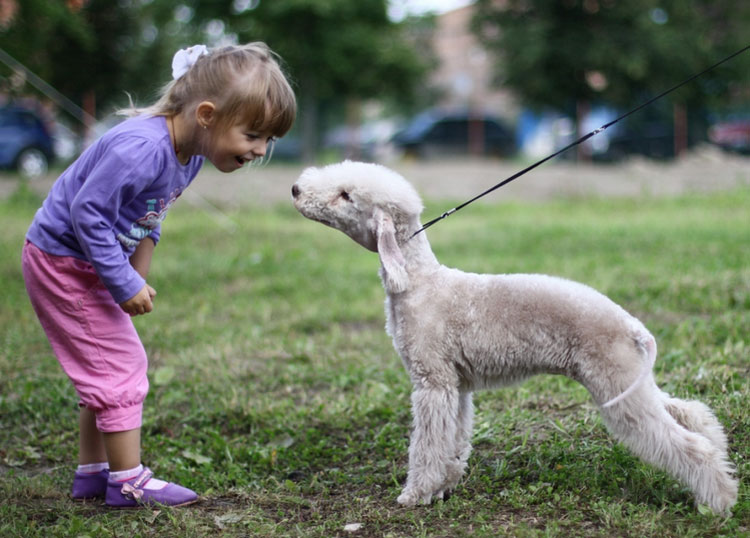
These dogs are very active, energetic, and curious, and they enjoy experiencing new things. They are always ready to go for a walk or travel. The Bedlington Terrier does not tolerate rough or disrespectful behavior. They strive to be equal with people. They need an owner who values this partnership and respects their individuality.
They are balanced, good-natured, meek in everyday life, but full of courage and bravery in critical moments.You can keep a Bedlington for years and still never truly understand its true nature, which manifests itself in extreme situations. If its owner is threatened, a Bedlington can display unbridled rage and a bulldog-like tenacity. It can easily jump as tall as a human, and its agility and strength make it a formidable opponent. However, deliberately cultivating a dog's anger and protective nature is never recommended.
Bedlingtons are great with children and are very affectionate with other family members. Even with strangers, they are generally friendly. They may become wary only if intruders encroach on their territory or displease their owner.
Education and training
Bedlingtons are highly trainable. To be fair, it should be noted that during their development, they are more likely trained than trained. They can be taught almost anything, but since Bedlingtons are not service dogs, unquestioning obedience is not to be expected. These dogs excel in agility, dog racing, and rat-baiting competitions.
The Bedlington can be very stubborn, so the optimal approach to training is regular, short training sessions, during which commands are given in a calm but firm voice. Incidentally, the dog must be kept busy with activities such as walks, games, and training. Otherwise, it becomes bored, difficult to manage, and mischievous.
Content
Bedlingtons are absolutely not suitable for outdoor living. They should live in an apartment or private home with a private yard where they can stretch their muscles, dig holes, and enjoy hunting and guarding the territory. Indoors, these dogs generally don't cause problems – they are clean, odorless, and shed very little. They are very intelligent, calm, and undemanding, and they adhere to established rules. With proper socialization, they get along well with other dogs and cats.
In cold weather, the Bedlington needs additional insulation – sweaters and jackets chosen according to the weather will protect the dog from hypothermia.
Bedlingtons require ample exercise. If the dog lives in an apartment, it's recommended to take it for walks twice a day for about an hour. Keep in mind that a neighbor's cat or squirrel might tempt an avid hunter into chasing them.
Care
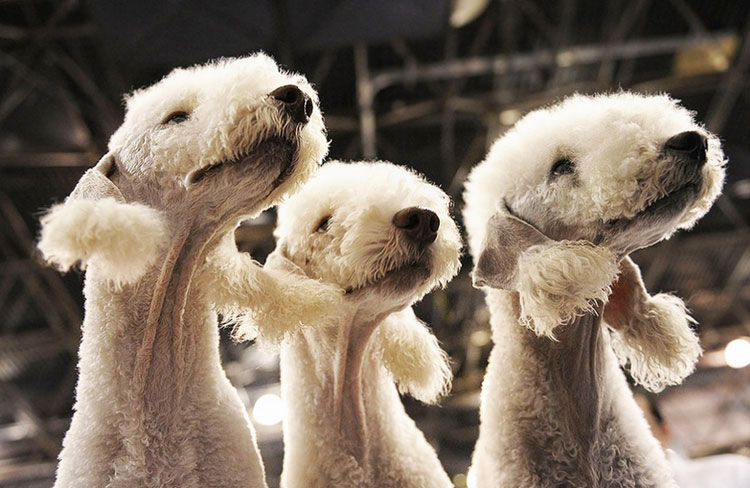
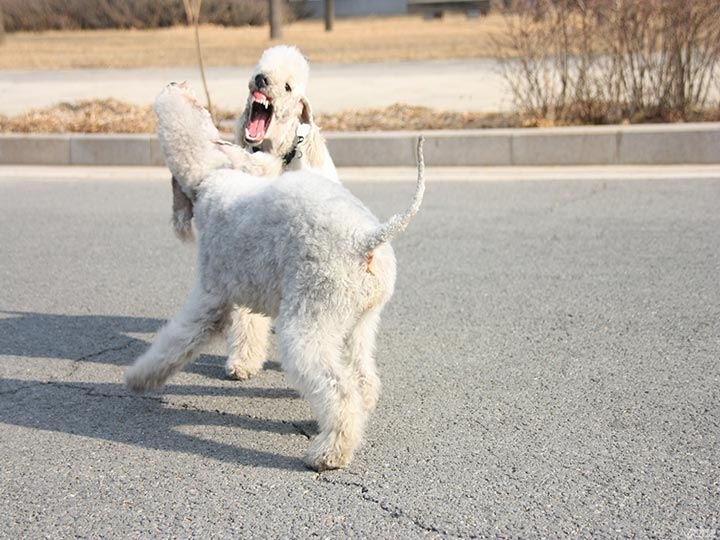
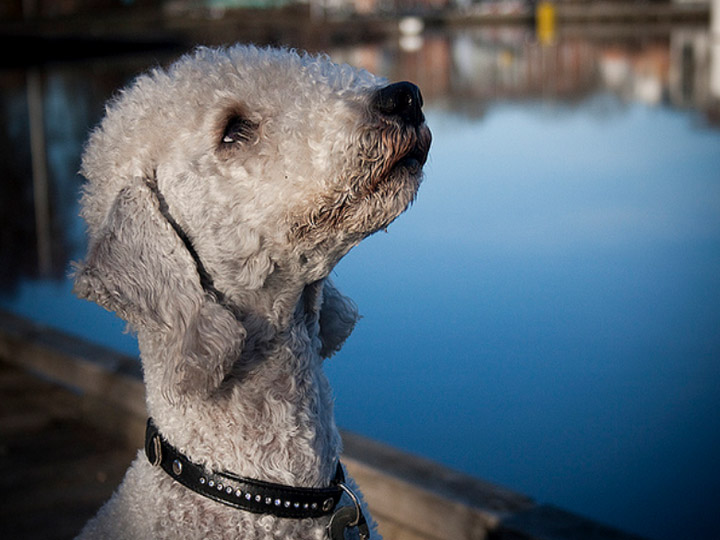
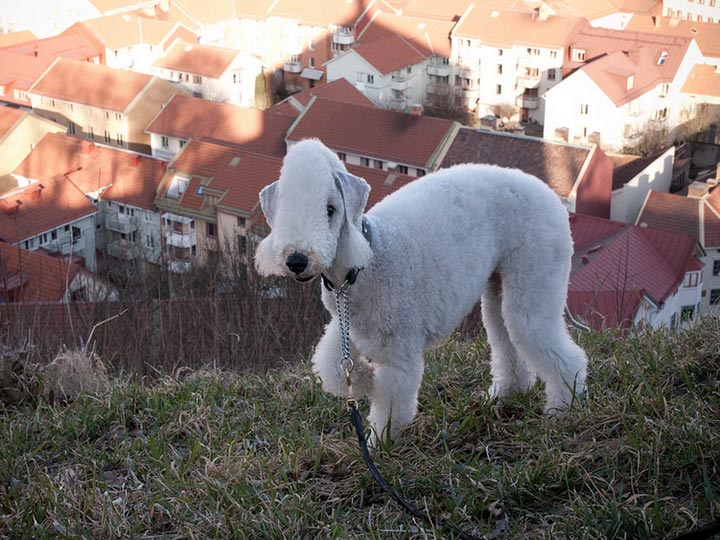
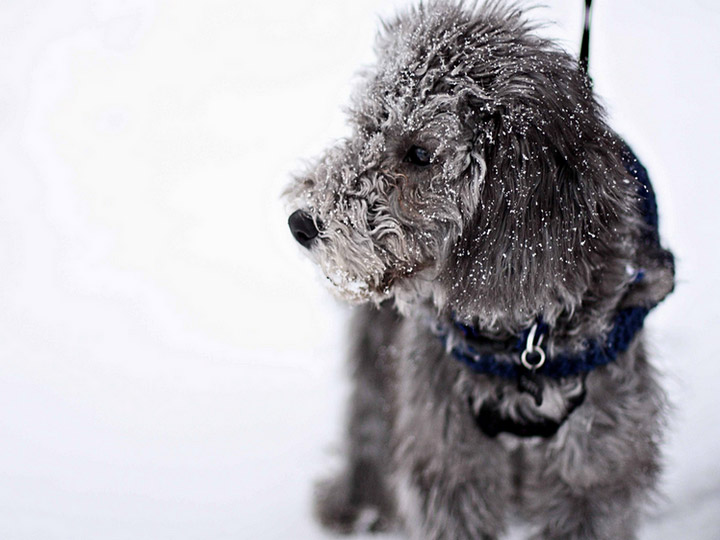
Most terriers have a coarse, wiry coat that's typically trimmed, but the Bedlington is different. Its distinctive style is achieved with scissors and manual dexterity. The dog is trimmed every one to two months. This rule only applies to pets who need to maintain a show-quality appearance. Pets who don't compete in shows can be trimmed much less frequently, but their appearance will be different, as you can see in the photos in the gallery. It is advisable to brush your Bedlington every day. This procedure improves blood circulation, stimulates hair growth, and prevents tangles. Additionally, grooming includes weekly ear and teeth cleaning and nail trimming as needed every 3-4 weeks.
Diet
Bedlingtons eat little and are not prone to overeating, so they maintain excellent health into old age. They can be fed natural food or commercially prepared foods. In both cases, the diet should be healthy and well-balanced.
Due to the tendency to copper toxicosis, it is advisable to avoid including copper-rich foods in the diet.
Furthermore, it's not advisable to change the dog's diet. During colder months, you can slightly increase the carbohydrate content.
Health and life expectancy
Bedlingtons are very strong and hardy dogs. With proper care and maintenance, they rarely get sick. There are a number of diseases to which dogs of this breed are particularly predisposed. These include copper toxicosis of the liver and eye diseases such as distichiasis, cataracts, and progressive retinal atrophy.
The Bedlington Terrier is a long-lived breed. The average lifespan is 14 years, but some of these dogs have celebrated their 20th birthday.
Choosing a puppy and price
Bedlingtons are known in many countries, but their numbers have always remained small. There has never been much demand for them. The first representatives of the breed appeared in Russia a long time ago and are now successfully exhibited at world-class shows, a testament to their competitiveness and high quality.
It's difficult to find Bedlington Terriers for sale, which is certainly a good thing for the breed. Puppy sales are primarily handled by kennels or private breeders, but some are dedicated to their craft and others are simply looking to make a buck. Therefore, it's important to pay attention to the breeding stock and living conditions, the breeders' attitude toward the dogs, and any awards and achievements.
It's important to decide in advance on the puppy's class. Will it be a pet only (pet class) or a breeding stock (breed class). Show class dogs are the most expensive. They often win top places at shows and are the perfect embodiment of the standard.
After learning how much a Bedlington Terrier costs, people often give up on the idea of buying a pet sheepdog. The average price of a puppy is 40,000 rubles.
Photos
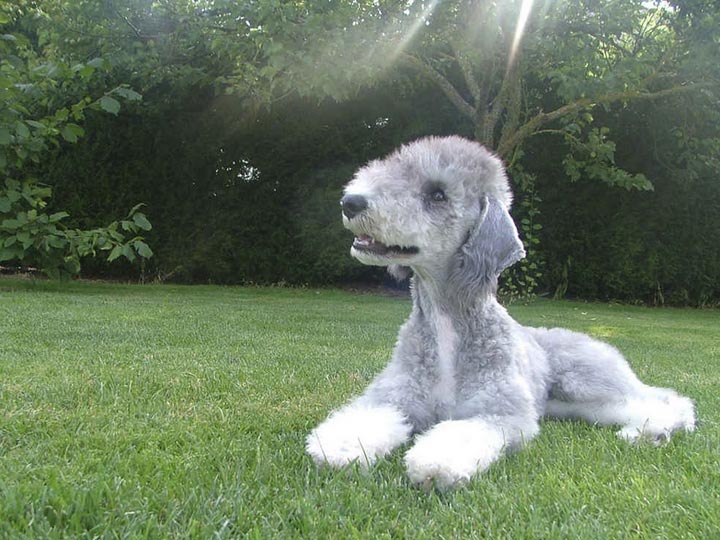
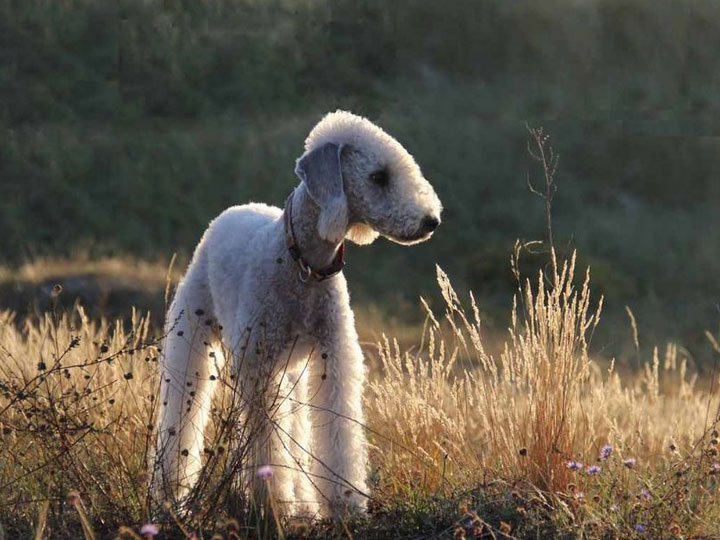
The gallery contains a collection of photos of Bedlington Terrier puppies and adult dogs:
Read also:
- Australian Silky Terrier (Silky)
- Parson Russell Terrier
- Japanese Terrier (Mikado Terrier, Japanese Fox Terrier, Kobe Terrier)


Add a comment