
Basque Shepherd
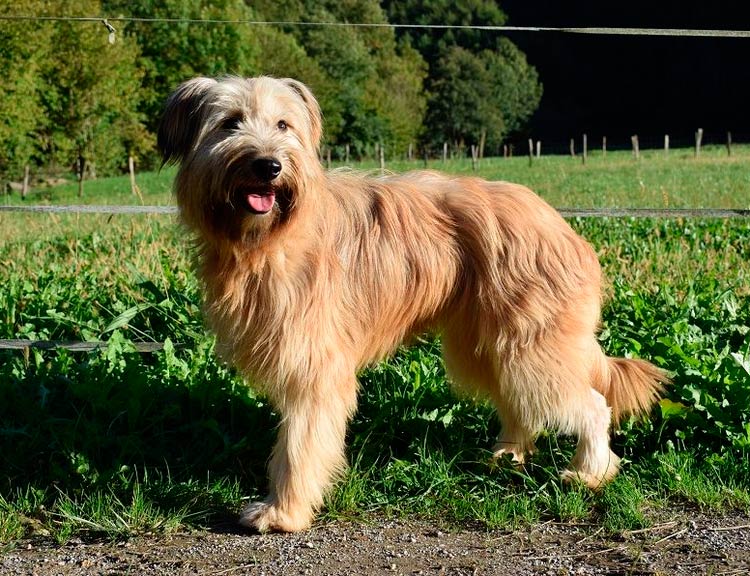
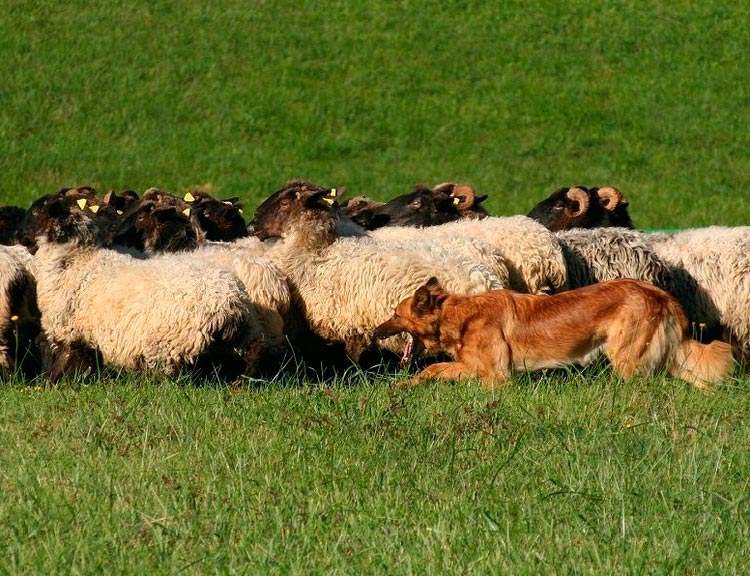
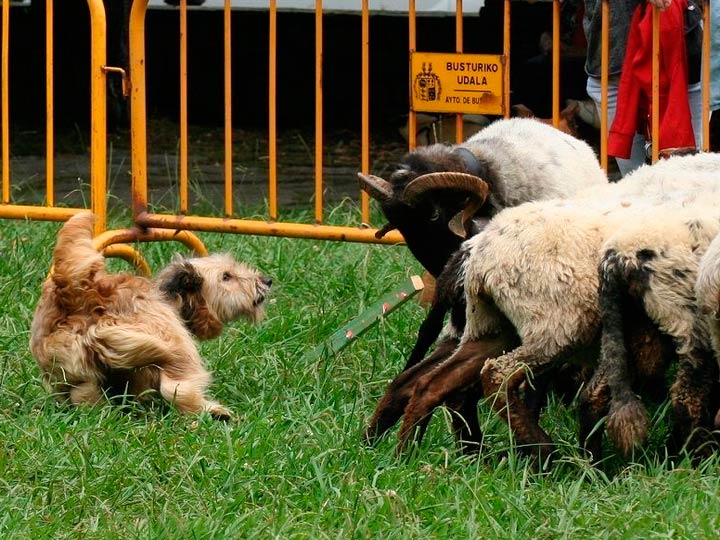
The Basque Shepherd is a breed of herding dog developed in Spain, specifically in the Basque Country. It is still used by locals today to herd and guard livestock. It is believed to have descended from Central European Shepherds. Until the 1990s, no one considered it a distinct breed, and shepherds were uninterested in public recognition. The Basque Shepherd gained attention in the early 1990s, following its triumphant performance in international herding competitions.
Content
History of origin
It is known for certain that the Basque Shepherd has been bred in northern Spain for many centuries. Frescoes and paintings from the 18th century depict very similar dogs, and research on remains found during excavations supports the theory of an ancient origin. In the 1950s, many Basques came to the United States to work as contract shepherds. Some are known to have brought dogs with them. Their four-legged helpers likely contributed to the formation of the breed. Australian Shepherd, but dog handlers are still arguing about this.
In the late 1980s, Basque dogs made a splash at several international herding competitions. Following this, the government awarded a scholarship for a research project to study these dogs. Canine researchers searched records from across the Basque Country, conducted genetic studies, and demonstrated the difference between the Basque Shepherd and the Pyrenean, Catalan and others.
The Royal Canine Society of Spain recognized the Basque Shepherd Dog (Spanish: Euskal Artzain Txakurra) in 1996. The breed is not recognized by any international canine association.
Appearance
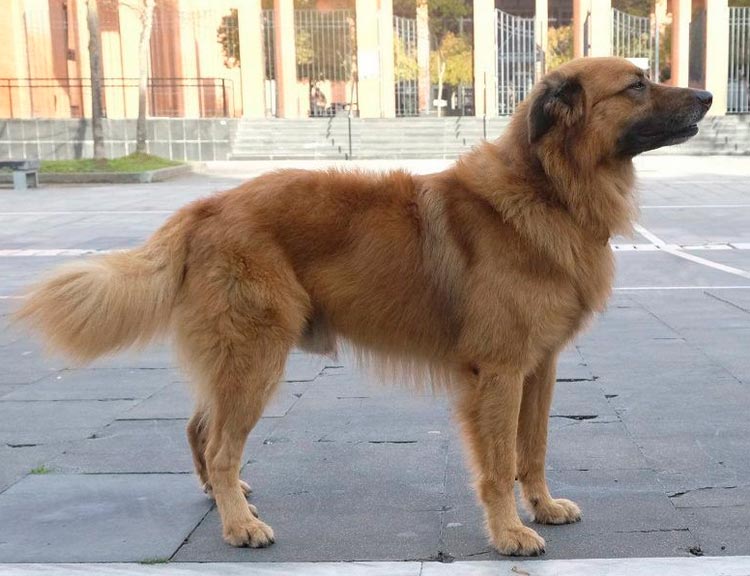
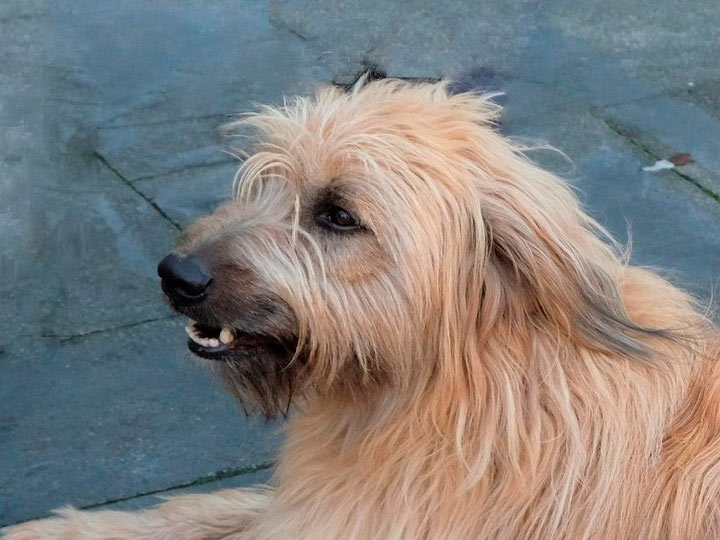
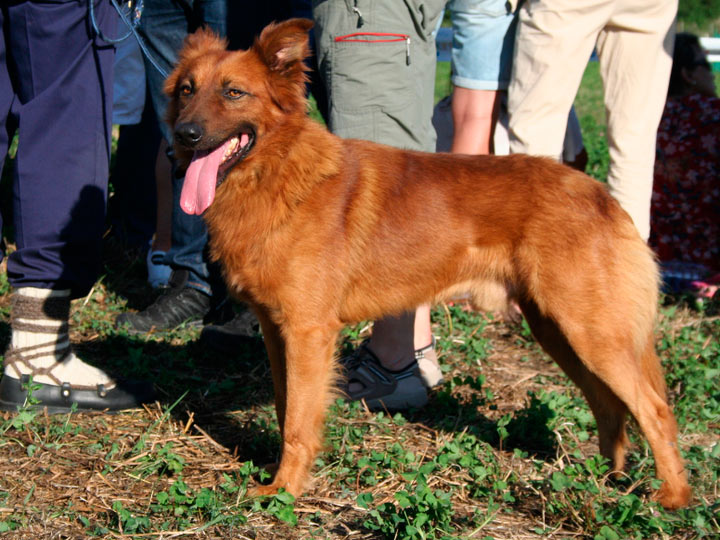
The Basque Shepherd is a harmoniously built dog with a sturdy, moderately elongated body. The breed is divided into two varieties: smooth-coated and wire-coated. Each has its own standard, but essentially they differ only in coat type. Sexual dimorphism is pronounced.
- Height at withers: 47-61 cm;
- Weight: 17-36 kg.
The head is elongated and proportional. The muzzle is shaped like a truncated pyramid. The earlobe is always black. The stop is clearly defined. The lips are tight. The teeth are strong and complete. The eyes are oval, medium-sized, with black eyelids. The iris is brown or amber. The ears are medium-sized, triangular, semi-erect or hanging. The neck is cylindrical, short, strong, and widens toward the body.
The body is moderately elongated. The back is strong and long. The loin is straight and relatively short. The croup is well developed, equal in length and width, with a slope varying from 30 to 40 degrees. The chest is moderately broad, not very deep. The underline is slightly tucked up. The tail reaches the hock and is very mobile. The limbs are lean and strong, with well-developed and prominent tendons. The feet are oval. Dewclaws are permitted.
According to the type of wool, there are two varieties of the breed:
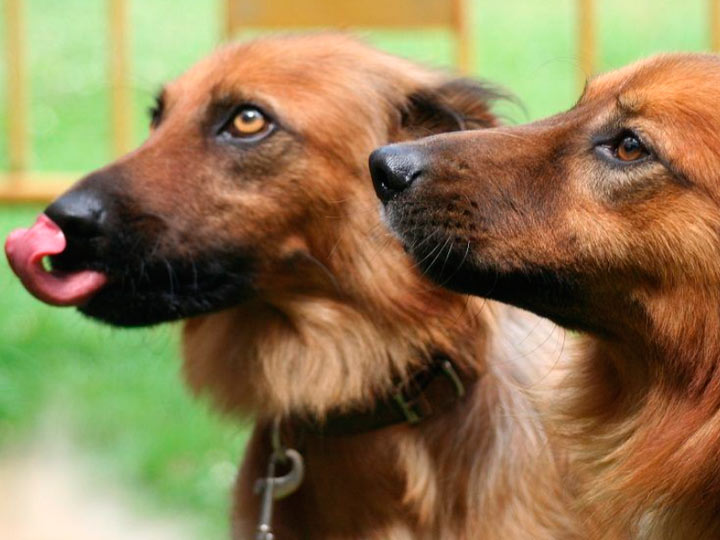
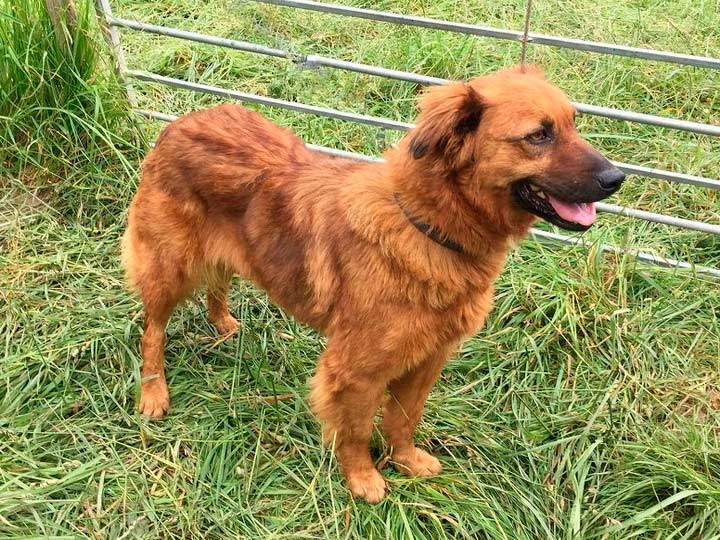
- Smooth-haired: The coat is fine in texture, medium in length, and lies close to the body. It is very short on the muzzle and front of the legs. It forms feathering on the back of the legs and tail.
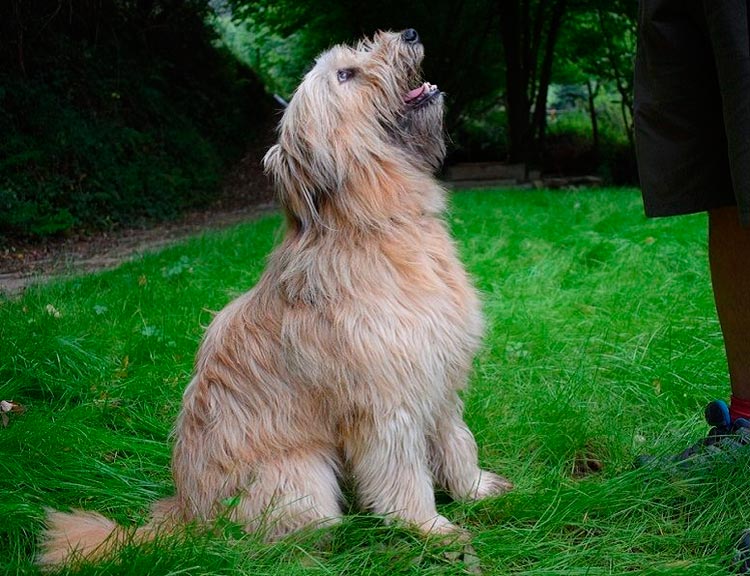
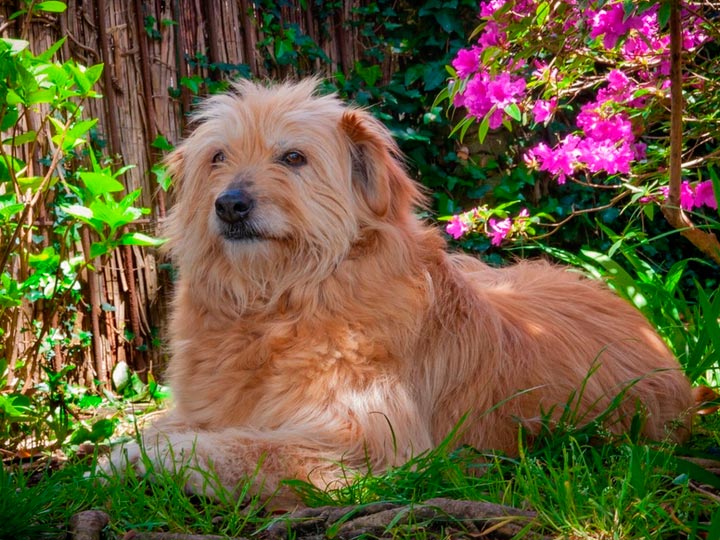
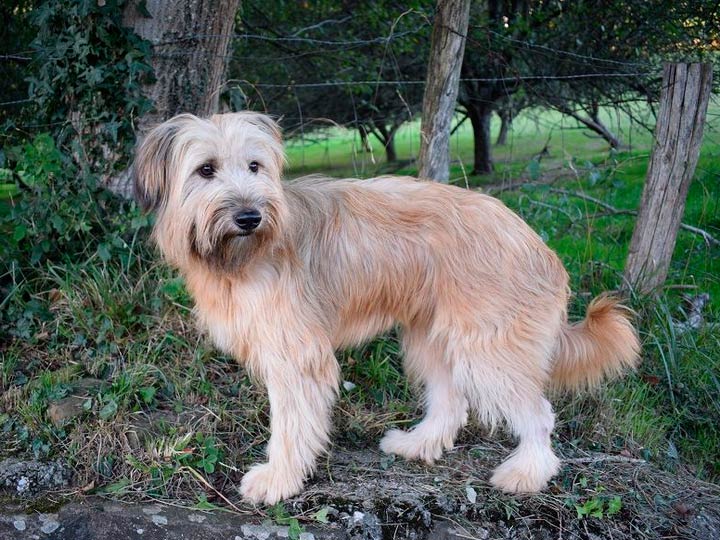
- Wirehaired - The coat is rather coarse, tousled, and has a rough texture. It is somewhat longer on the head, ears, upper body, and tail.
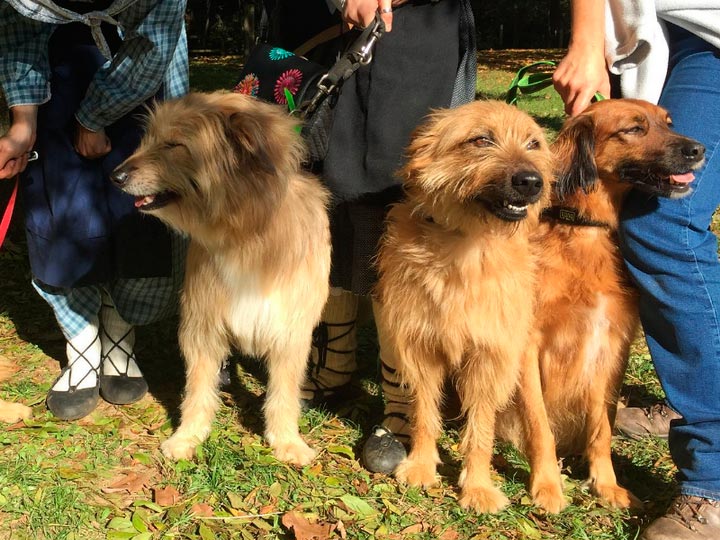
Colors for any variety: red of different shades, fawn.
Character and behavior
The Basque Shepherd is energetic and even-tempered, possessing a strong territorial and herding instinct, and forming a close bond with its owner. It always remains within sight. It is easily trained and adapts to a variety of tasks. It is wary of strangers, but not overtly aggressive. It is very friendly and affectionate with family friends. It gets along well with children when properly socialized.
The Basque Shepherd is suitable for herding work, and also makes a good family dog and companion for active people. It can compete in various sports, including agility, rally, flyball, and others.
Content Features
The Basque Shepherd is easy to care for and feed. It is not suited to year-round outdoor living in regions with prolonged frosts. It does well indoors or in an apartment, but only if it receives ample exercise.
Basque Shepherds need several hours of daily exercise. Free running and varied exercise will help them stay in shape. A lack of these can lead to destructive behavior.
Grooming includes standard hygiene procedures: deworming, brushing, bathing, ear cleaning, and nail trimming as needed.
Health and life expectancy
Basque Shepherds are considered a healthy breed. Their life expectancy is 13-15 years. There is no data on breed-specific health problems due to the small number of dogs and the lack of research.
Buying a Basque Shepherd puppy
Today, there are only about 700 registered representatives of both varieties worldwide. Between 2011 and 2019, only 470 puppies were officially born, and 49 in 2019. Therefore, the breed is listed as critically endangered. It is virtually unheard of outside of Spain.
In 2016, a non-profit organization called the Basque Shepherd Association was founded in Spain. It brings together breeders and owners, promotes the breed, registers, and assists with the sale of puppies.
Price
The average cost of a puppy depends on the pedigree and working ability of the parents. On average, it's 500 euros.
Photos and videos
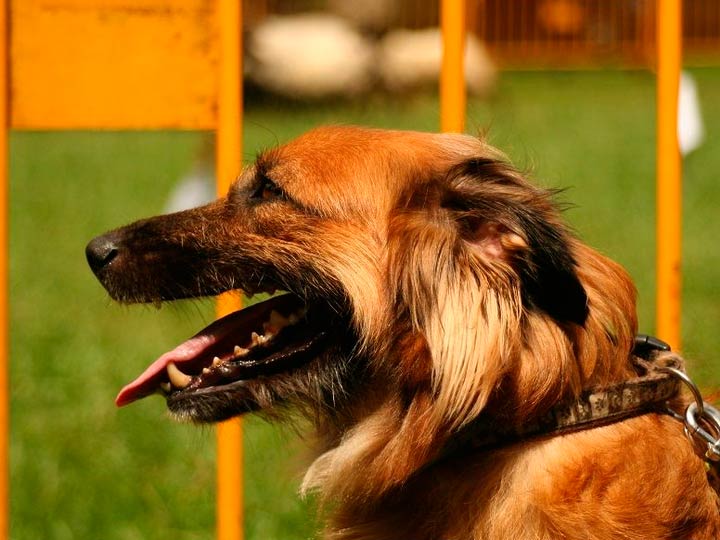
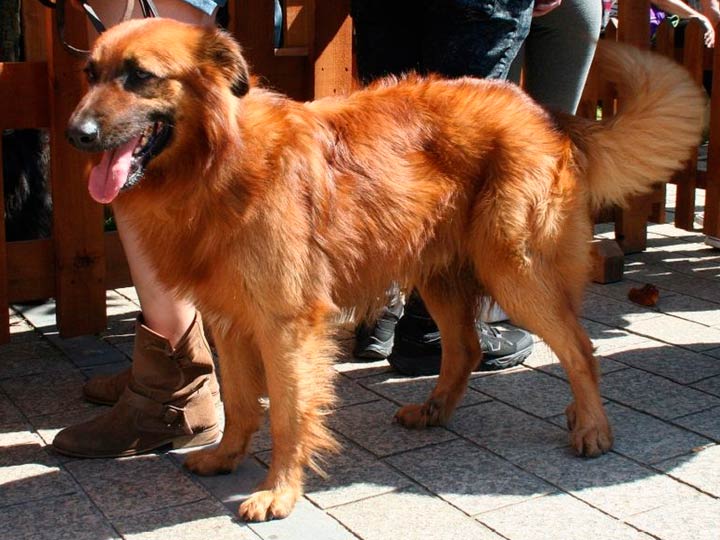
You can see more photos of Basque Shepherd dogs in the gallery. The photos feature both varieties (smooth-haired and wire-haired) in a variety of colors.
Video about the Basque Shepherd dog breed
Read also:


Add a comment