
Barbet (French Water Dog)
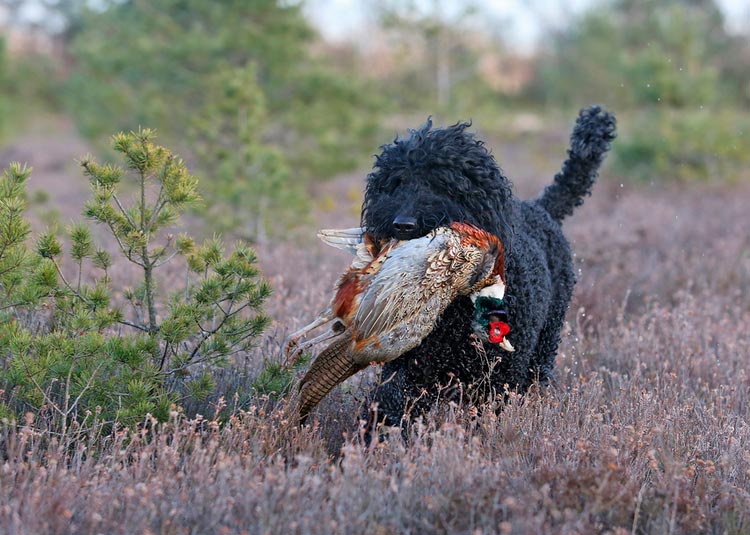
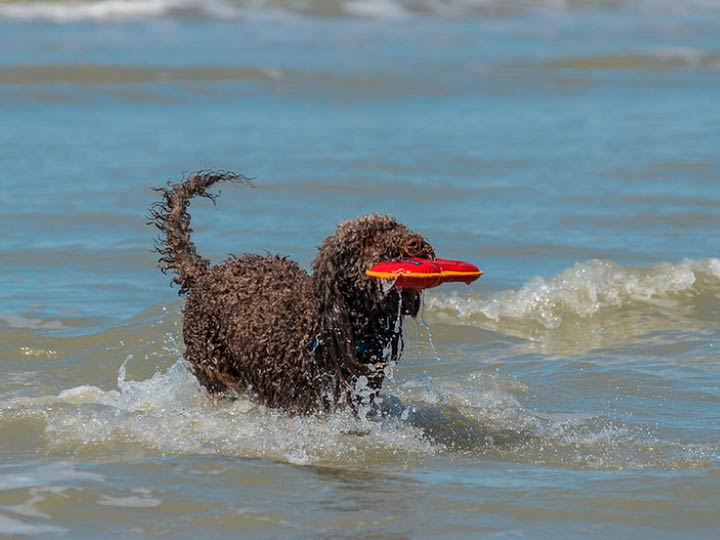
The Barbet, or French Water Dog, is a hunting dog breed used to retrieve birds from water and land. Barbets are excellent swimmers and divers. By nature, they are friendly, playful, and loyal. Recently, they have been promoted as sporting dogs for active people. The breed is very rare and few in number, even in its native land.
Content
History of origin
Water dogs have been known in Europe for so long that no theory about their origin has been confirmed. Written accounts, as well as images of similar dogs, date back to the 14th century. Experts believe that barbets, Bichon Frise, poodles, the Portuguese Water Dog and some other breeds, including extinct ones, had common ancestors.
The breed's name is believed to come from the French barbe, meaning "beard".
Barbets have a broad genetic base, meaning they were formed by crossing several breeds. It's impossible to say for certain which ones. Breed clubs began to form in the late 19th century. At that time, dogs first began to be shown not only in France but also in other countries. The earliest known standard was adopted in 1894. Breeding efforts were significantly slowed by the First and Second World Wars. The Barbet, like many others, was on the brink of extinction, but thanks to the efforts of enthusiasts, the breed was preserved and transformed. Today, the Barbet (French: Barbet) is considered a rare breed. There are approximately 600 dogs in the world.
Video about the Barbet dog breed (French water dog helps around the house):
Appearance
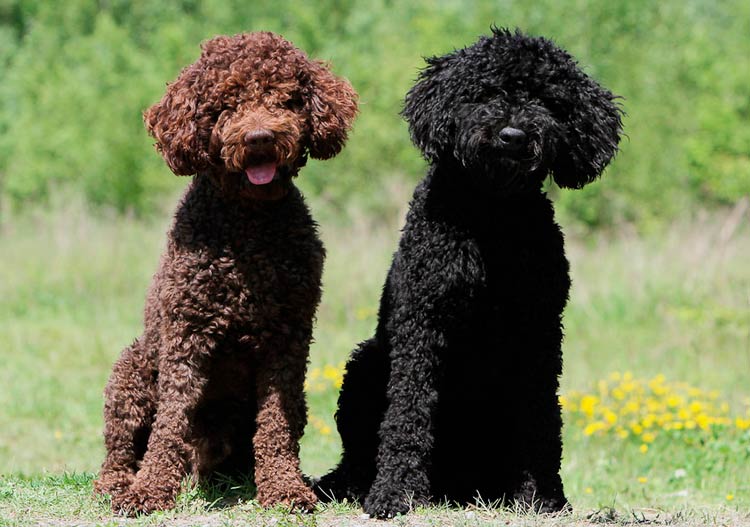
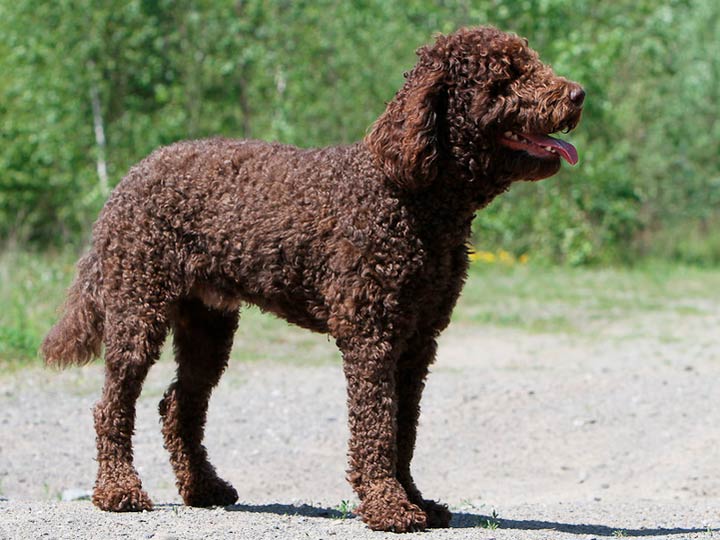
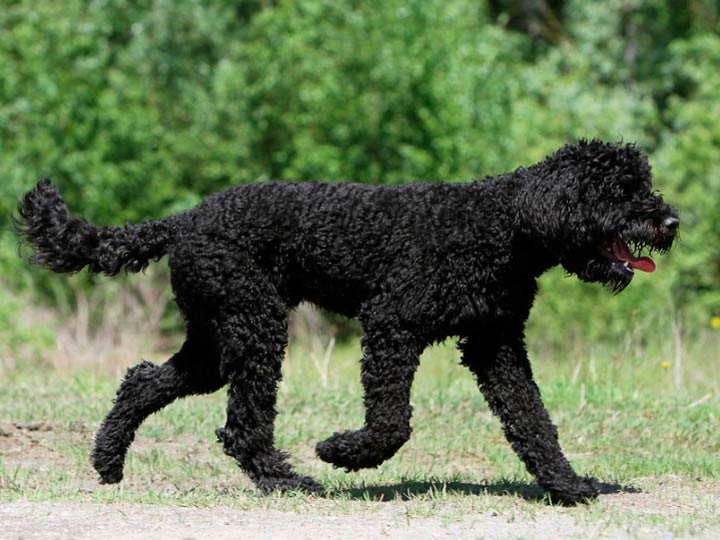
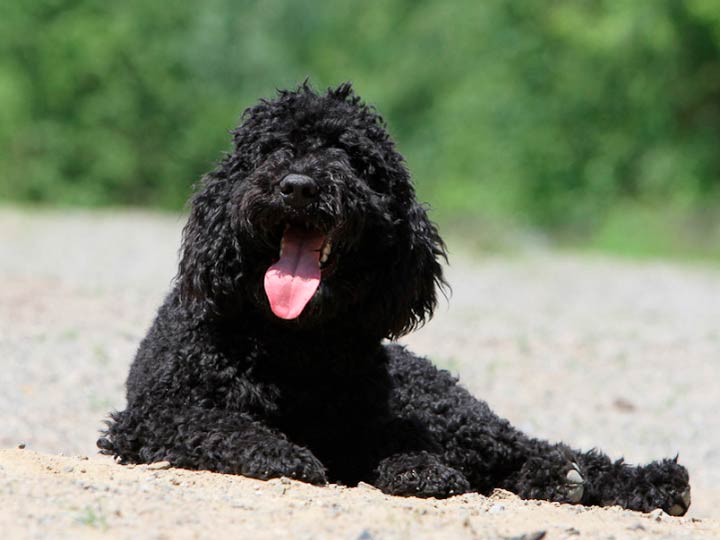
The Barbet is a medium-sized dog with an athletic build, a round head, long, wide, drooping ears, and thick, long hair that curls into short curls to form a beard. The height at the withers for males is 58-65 cm (22-25 in), for females 53-61 cm (21-24 in), and the weight is 17-25 kg (37-55 lbs).
The skull is broad and rounded. The stop is defined. The muzzle is slightly shorter than the cranial part. The nose is black or brown depending on the coat color, wide with open nostrils. The muzzle is square. The lips are thick, pigmented, and completely covered with long hair. The jaws are of equal length. The bite is scissor-like. The eyes are round and expressive, with brown or black eyelids. The ears are set low, at or below eye level, flat, long, wide, and covered with hair that hangs in strands.
The neck is strong and short. The body is roughly square. The loin is short and arched. The croup is a continuation of the loin and is rounded. The chest is well developed, deep, and wide. The tail is carried low, raised above the horizon when moving, and may curl into a slight hook at the tip. The limbs are straight, with well-developed muscles and strong bone structure.
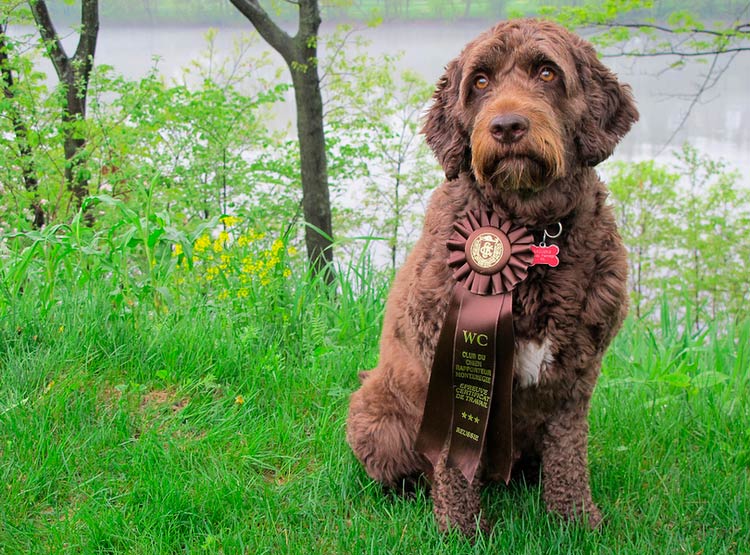
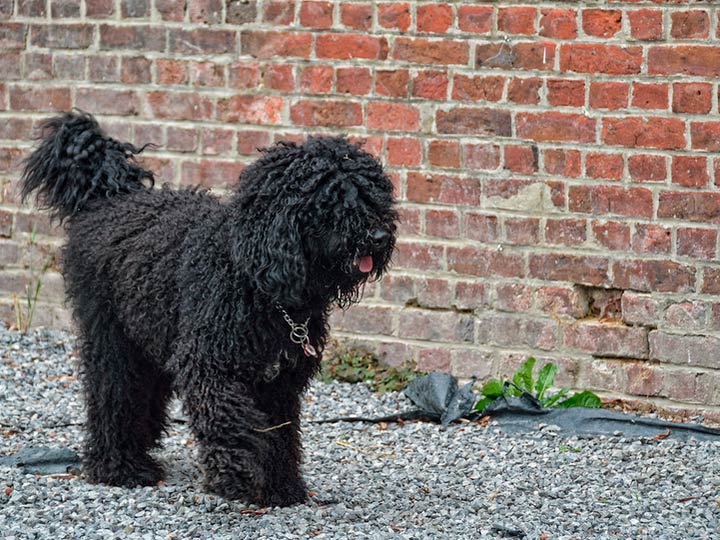
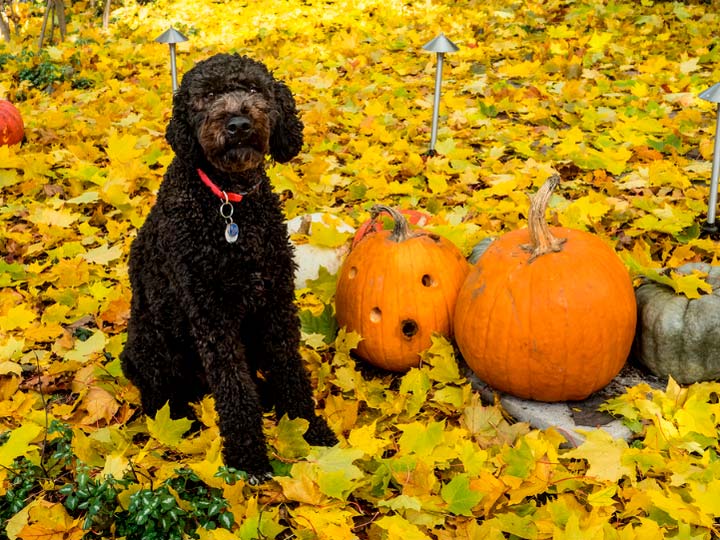
The skin is relatively thick. The coat is long, curly, and may form strands. Colors include solid gray, black, fawn, pale fawn, and brown. Any of these may have white markings, as well as solid white, white, or light fawn with dark spots.
Character and behavior
Barbets are intelligent, energetic, and friendly dogs, very devoted to their owners. Without daily exercise and mental stimulation, they can become bored and lazy. Outgoing and sociable, they quickly find common ground with both adults and children. They get along well with other dogs and cats. They can coexist peacefully with small animals raised with them. Their relationship with birds is ambivalent; more often than not, a barbet cannot control its hunting instinct.
Barbets love to wallow in puddles or swamps, which is why they are jokingly called "dirty dogs."
Don't expect a Barbet to be aggressively defensive. It won't protect its owner, much less their property. The only thing it can do is bark to warn of guests, who will then be greeted with a flick of its tail. Barbets can be left alone for a while, but the rest of the time they will seek companionship and literally follow their owner around.
Education and training
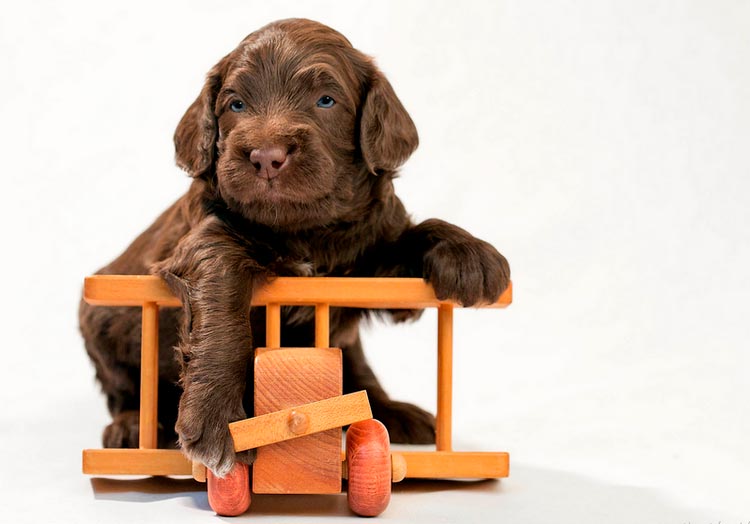
Barbets are highly trainable; they are intelligent and rarely stubborn. They learn commands quickly and happily obey them, especially when motivated. Barbet puppies want nothing more than to cuddle and play. While this can be challenging, it's essential to teach them behavioral rules from an early age, monitor their compliance, and insist on following commands during short training sessions. Adult dogs are much calmer, more responsive, and outgoing. Once the foundation has been laid, further training and mastering new commands and skills is relatively straightforward. Generally, training and raising a Barbet is within the capabilities of even an inexperienced dog owner.
Content Features
The barbet is undemanding in its living conditions. It can live in an apartment, provided it receives regular exercise, or in an enclosure with an insulated kennel.
It's important to remember that the Barbet was bred to work and won't be happy if it's confined to an apartment all day. The same can be said for a dog that lives in a yard and never ventures outside.
To stay healthy and active, he needs moderate exercise: long daily walks, active games, and training. Besides hunting, the Barbet can be involved in various sports (agility, flyball, freestyle, canicross, etc.). It can be a companion for a morning jog. And of course, the barbet needs the opportunity to swim. Its thick coat and relatively thick skin make it resistant to cold, so from early spring to late fall, the barbet will happily jump into a pond.
Care
The Barbet sheds virtually nothing, making it a relatively hypoallergenic dog. Grooming requires a whole arsenal of grooming products and tools. Brush your dog at least once a week. Some require more frequent brushing because mats form more easily. Furthermore, Barbets easily pick up twigs, leaves, and grass, so it's a good idea to lightly brush them after walks to remove any debris.
With good care and regular brushing, the Barbet sheds virtually no hair.
The Barbet's coat grows constantly, so it requires regular trimming. A short haircut also makes grooming significantly easier during the warmer months. Show-bred Barbets are trimmed every two to three months. The coat is left at 8-10 cm (3-4 inches) long over the entire body, with longer hair on the head, ears, and tail. The goal of trimming is not only to shorten the coat but also to emphasize the correct proportions of the body. An ill-fitting haircut can seriously ruin the dog's appearance. Barbets are bathed once a month. When wet, the coat is smoothed out, but when dry, it curls again.
Ears are inspected weekly and cleaned as needed. Eyes are also monitored for cleanliness and dryness. Fast-growing, strong nails are trimmed as needed.
Nutrition
Barbets are generally not picky eaters. They adapt well to any type of diet. Most owners and breeders prefer to feed their dogs dry food. If desired, you can create a diet for your dog. natural diet according to standard rules.
Recommended portions are slightly increased for very active dogs. Calorie increases are also recommended during cold weather and hunting season. The main indicator of proper nutrition is good health and a healthy appearance.
Health and life expectancy
The Barbet is considered a healthy dog with favorable genetics. However, breeders should monitor for conditions such as hip dysplasia and, to a lesser extent, elbow dysplasia. Testing for progressive retinal atrophy is also recommended to eliminate affected dogs from breeding. Allergies are less common. epilepsy.
Barbets are predisposed to ear infections, but these are most often due to poor ear care. Preventive measures are standard: vaccinations, treatment for external and internal parasites, and an annual medical examination. The average lifespan is 10 years.
Choosing a Barbet Puppy
Finding a Barbet puppy, especially one of a specific gender and color, can be quite challenging. As mentioned above, the breed is rare. There are a few owners in Russia, but none of them are involved in breeding. Occasionally, ads for Barbet puppies for sale appear online. If you're looking for a promising puppy, it's worth considering buying one abroad, particularly in France. The price of a Barbet puppy in Europe typically ranges from 1,000 to 3,000 euros. In Russia, exclusive puppies rarely sell for less than 50,000 rubles.
Photos
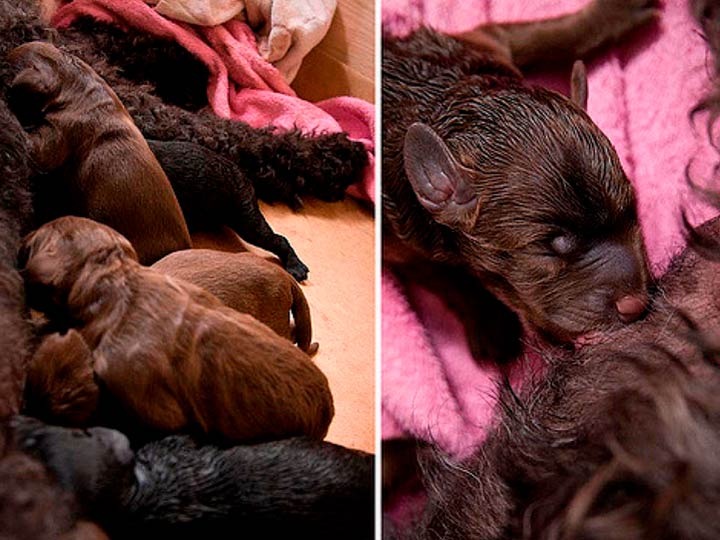
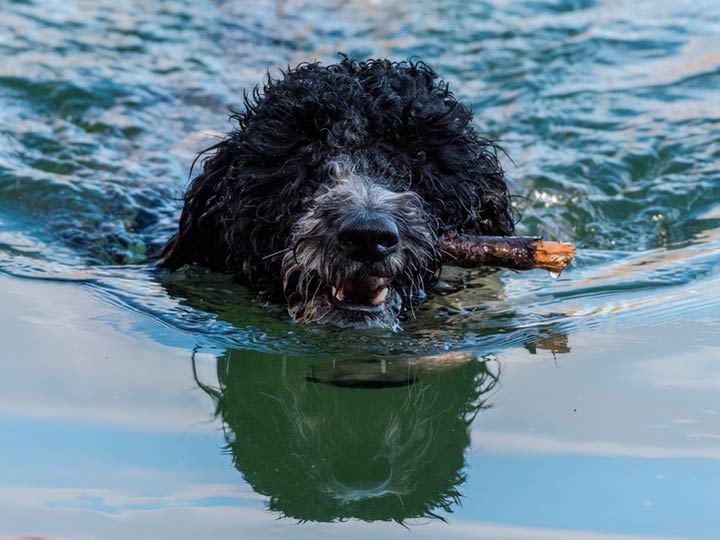
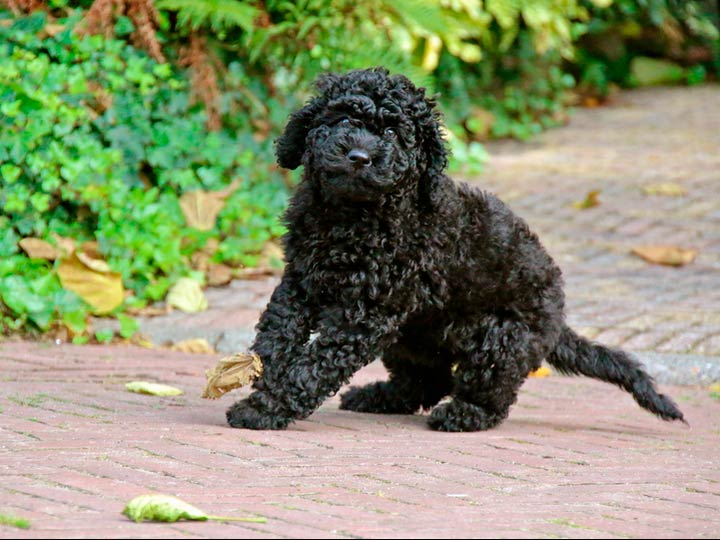
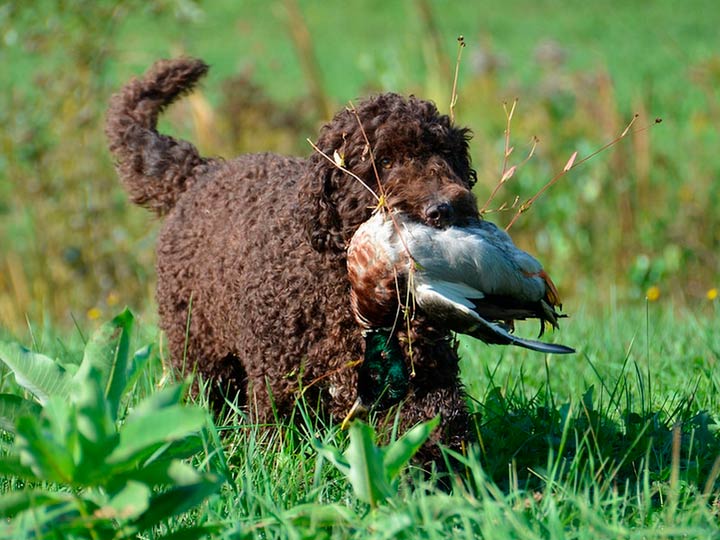
The gallery contains vibrant, diverse photographs of adult Barbet dogs and puppies (French Water Dogs).
Read also:


Add a comment