
Balinese cat
Balinese cats or Balinese These are essentially long-haired Siamese, of course, with their own distinct characteristics. They are intelligent, affectionate, and graceful. Despite their name, the breed has no connection to the island of Bali; their country of origin is the United States.
Content
History of origin
The origins of the Balinese are inextricably linked with the Siamese cat, from which they descend. In the 1920s, long-haired kittens began appearing in a litter of short-haired Siamese. At first, breeders tried to keep this under wraps, considering the mutation a flaw.
But in the 1950s, American breeders Marion Dorsey and Helen Smith decided to seek recognition for longhaired Siamese kittens and began painstaking work to create a new breed. In 1958, they were joined by Sylvia Holland, who acquired her first Balinese and played a significant role in uniting enthusiasts. The breed was officially recognized by American associations in the 1960s, and the name "Balinese" was adopted.
In the 70s, Balinese was recognized by some international organizations, and it began to spread throughout the world, in particular, it appeared in Russia.
Video review of the Balinese cat breed:
Breed description and standards
The Balinese have a silhouette Siamese catThey are graceful and elegant, medium-sized, with fine, long muscles, long legs, and a tail. Below, we've prepared a detailed description of the breed:
Head and muzzle
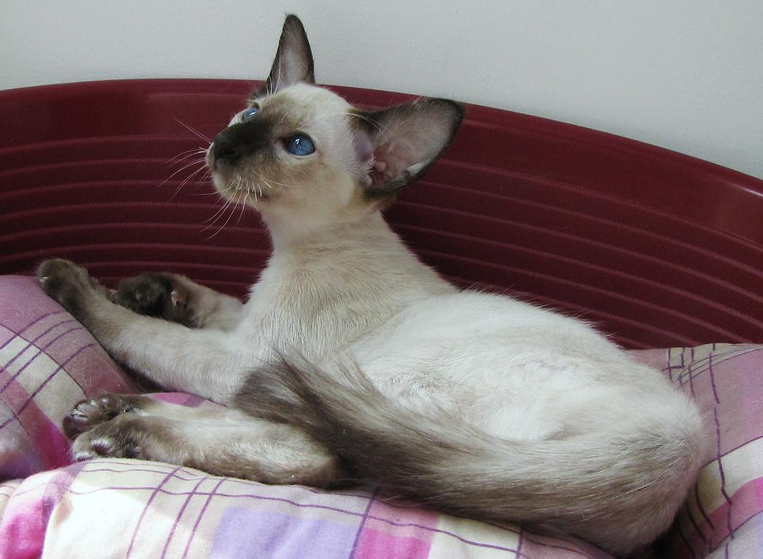
The head is shaped like an elongated triangle with large, pointed ears and a straight nose. The tip of the chin meets the tip of the nose to form a vertical line. The eyes are large, almond-shaped, and slightly elongated, adding an oriental touch to the appearance. The nose is long, with a smooth transition from the forehead. The eye color is always sapphire, a vibrant and rich blue.
Frame
The Balinese's body is long and slender. This combination results in refined bone structure and strong muscles. The abdomen is tucked in. The hips should not be wider than the shoulders. The hind legs are as long and slender as the front legs, but slightly longer. The paws are small and oval.
Coat and colors
The medium-length coat is very soft, fine, and silky, lacking an undercoat. The tail, slightly longer at the neck and shoulders than on the body, has a light, plumed fringe. The Balinese originally had four recognized basic colors:
- blue point;
- seal point;
- frost point;
- chocolate point.
Later, cream point, red point, tabby point, and tortie point were added. The "point" prefix indicates the mandatory presence of a mask on the face, legs, ears, and tail. If possible, a uniform point should be distinguished by a darker shade with smooth transitions. The coloring on the rest of the body is light and even, with slight darkening on the sides and back allowed.
Balinese kittens are born white; their future color begins to appear only at 1-3 months, and is fully formed by 1.5 years.
Character
The Balinese cat's personality shares many similarities with that of its closest relative, the Siamese cat. They are energetic and self-assured, yet very sociable and affectionate, forming strong bonds with their owners and disliking loneliness. Balinese cats have a soft, pleasant voice and are very talkative.
Balinese dogs have boundless curiosity, and they're incredibly inventive, considered one of the most intelligent breeds. They're true intellectuals, quick to grasp everything: family rules, restrictions, and game rules. They learn quickly and are easy to train. They're generally tolerant of children and get along well with other pets, though their interactions with small rodents can be unpredictable. They're often considered excellent ratters, but many breeders disagree. The breed was bred artificially, and its members have never had to worry about foraging for food on their own.
Reviews of the breed
Most reviews of the Balinese cat breed are very positive. It can be concluded that Balinese are sociable and intelligent cats who absolutely cannot stand being alone. They are very energetic and inquisitive. Like any other cat, Balinese require early socialization and proper training.

A Balinese cat breeder comments on their personality:

Not everyone might appreciate the Balinese's talkativeness and activity, which can sometimes overstep its bounds. Also, these cats require a great deal of attention, not just in terms of grooming, but in terms of care, love, and affection.


Judging by reviews, Balinese dogs possess a whole range of characteristic traits. Whether they are positive or negative, let everyone decide for themselves:
- Attached to the owner (usually they choose one person);
- They demand attention;
- Can't stand loneliness;
- Very tame, affectionate;
- Overly talkative;
- Energetic and playful, especially when young;
- Smart and cunning.
Care and maintenance
Balinese cats are recommended for apartment living. Many generations of them have spent their entire lives in apartments, which has caused them to lose the necessary instincts and skills for outdoor life, as well as their resistance to viruses and bacteria. At home, a cat should definitely have its own bed and toys—even simple ones, but plenty of them. This is essential to prevent the need for exercise in these active and inquisitive cats from developing destructive behavior.
Balinese grooming is not difficult. Their very fine fur is not prone to tangling or matting, but daily brushing is recommended to maintain their coat and remove dead hair. For brushing, choose a metal brush with an antistatic coating or natural bristles. During seasonal shedding, breeders recommend using a furminator.
It is not advisable to bathe Balinese cats frequently, and, as a rule, this is not necessary; cats keep themselves clean on their own and do not really like water.
Bathing is recommended only before shows, and during bathing, a special shampoo for long, fine hair and conditioner are used. Cats' ears, eyes, and teeth are cleaned as needed, and their claws are trimmed only with special clippers.
Diet
Balinese cats are generally not picky eaters, and there are no special feeding recommendations. Simply follow a routine and select a suitable diet that suits their age, physiological condition, and physical activity. This can be natural food or prepared premium, super-premium, or holistic foods.
Health and life expectancy
Unfortunately, Balinese cats have inherited a predisposition to a number of diseases from Siamese cats:
- In adulthood, bowel, skin or breast cancer are often diagnosed;
- Amyloidosis of the kidneys and liver;
- Hereditary heart diseases;
- Hypotrichosis;
- Strabismus;
- Gingivitis;
- Feline asthma;
- Gastric hypokinesia.
Breeders strive to conduct various tests promptly and prevent sick animals from being bred, but these are only small steps toward ensuring the breed's genetic health. The average lifespan of a Balinese is 10-12 years.
Choosing a Balinese Kitten
The first thing prospective owners should understand is that a Balinese is not just any longhaired kitten or cat with a pointed coloring, or Siamese. Balinese are blue-eyed cats with elongated body proportions, large ears, and a fairly long nose. Their fur lies close to the body and is completely devoid of undercoat. Balinese kittens are born completely blind, helpless, and always white. The color begins to emerge gradually as they grow.
The kittens are easily distinguished by their unusual appearance: they have a comically large head, large ears, and an elongated muzzle. The babies are covered in light down, which is longer on their backs and tails.
To ensure that your kitten is a Balinese, you must see at least one parent and a copy of the other's pedigree. Balinese cats are allowed to be bred with Siamese, Seychellois, and Oriental Longhairs; other combinations are prohibited. Along with the kitten, you should bring home a veterinary passport with vaccination records, a pedigree, or a certificate from any feline certification system.
The cost of Balinese kittens
There aren't many catteries and pedigree kittens in Russia. At least, far fewer than the number of online ads for them.
Longhaired kittens of various origins with a recognizable "Siamese" coloring are typically passed off as Balinese. The price of these Balinese kittens can range from a minimum of 200 rubles to an indecent 3,000-5,000 rubles. A promising pedigree is sometimes included along with the attractive description.
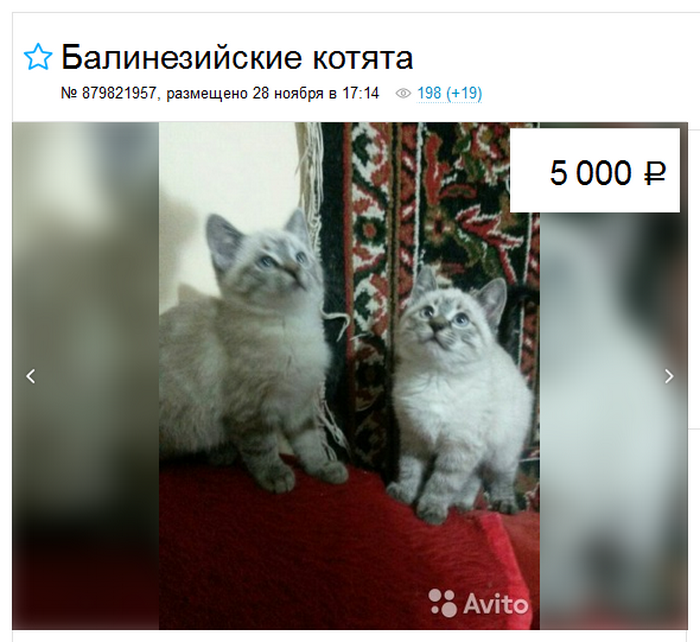
Be careful when buying purebred animals online.
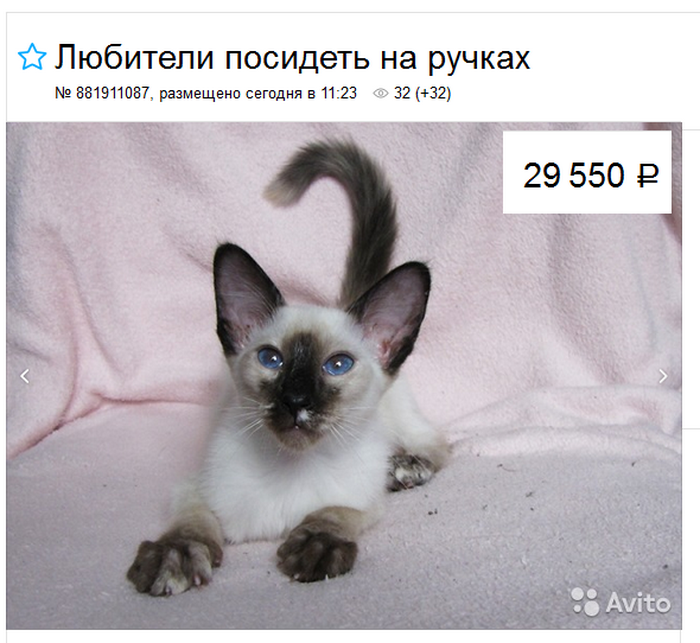
A Balinese kitten from a cattery will cost from $350. The price is justified by the cost of the parents, exhibition fees, paperwork, veterinary procedures, and other expenses. A good purebred kitten will likely need to be reserved in advance; pet-quality kittens (not for shows or breeding) are easier to acquire.
Photos
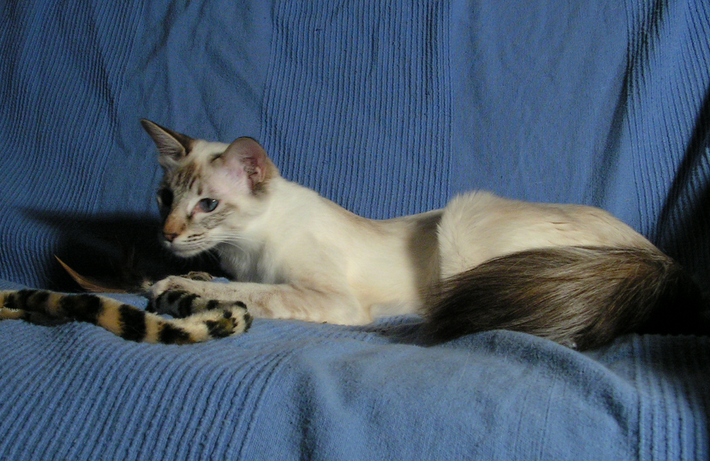
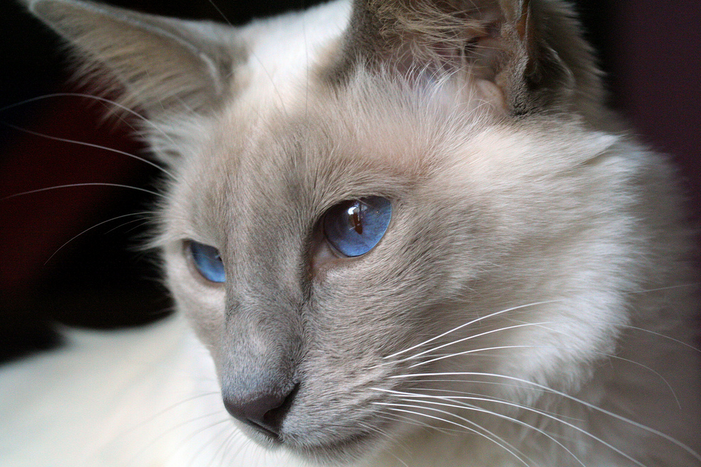
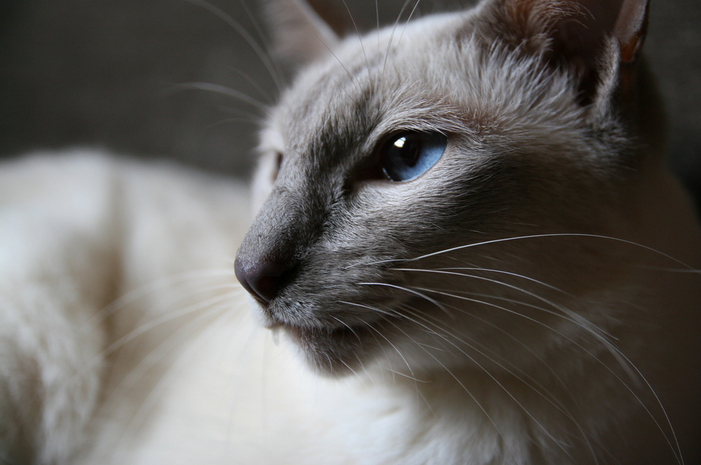
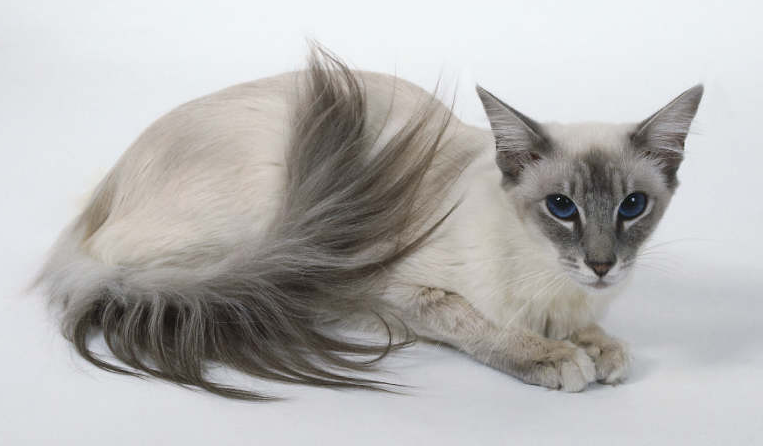
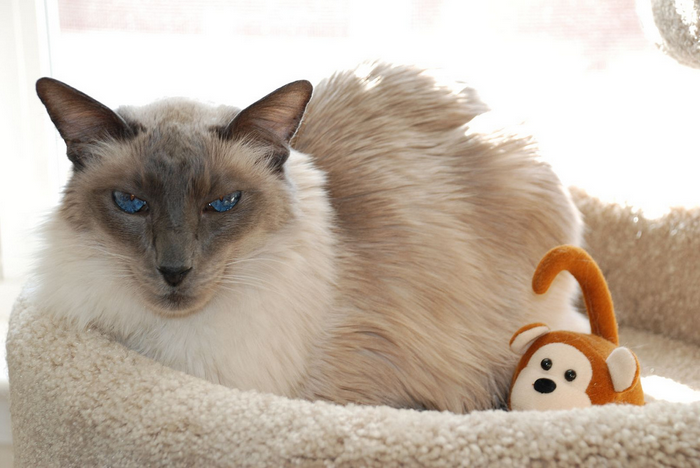
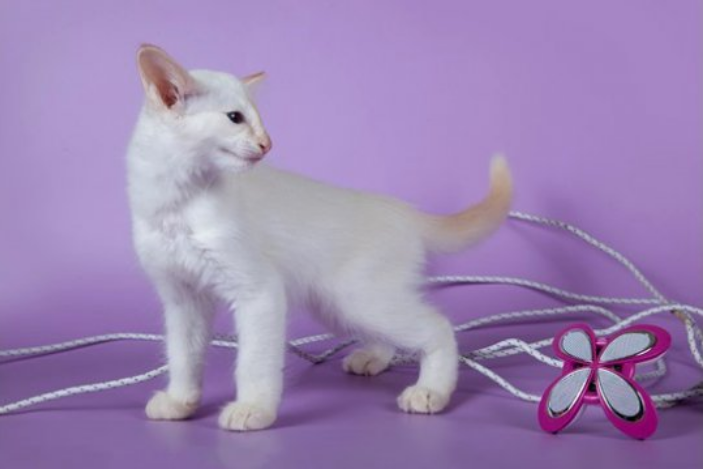
Photos of Balinese cats (Balinese cat):
Read also:


Add a comment