
Baytril for dogs
Baytril is a veterinary antibiotic used for dogs and other animals. This article provides a full description. Due to its broad spectrum of activity, it can be used for conditions caused by gram-positive and gram-negative bacteria. When used correctly, it effectively treats bactericidal infections, which is its primary effect.
Content
- 1 What does it contain?
- 2 Pharmacological properties
- 3 How much does it cost and where can I buy it?
- 4 When is it applied?
- 5 Instructions for use in veterinary medicine
- 6 When should you not use it and what are the possible consequences?
- 7 Important points for storage and use
- 8 Owner reviews
- 9 Veterinarian Reviews
What does it contain?
Enrofloxacin is responsible for killing bacteria in this medication. It also contains additional components and active ingredients:
- potassium oxide hydrate;
- butyl alcohol;
- water for injection.
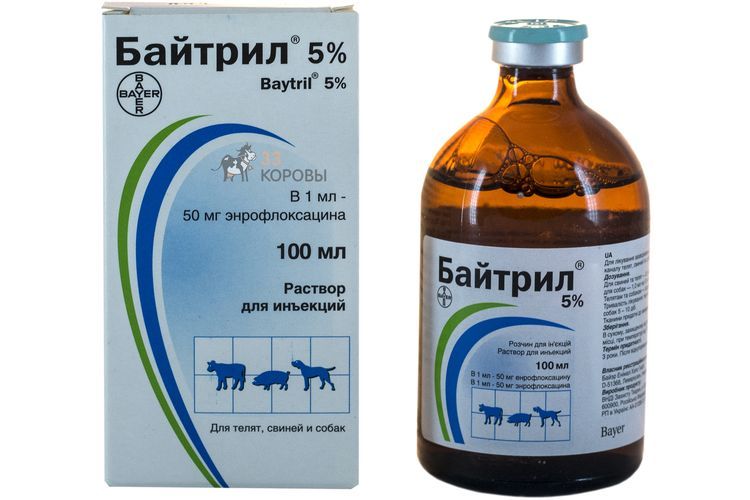
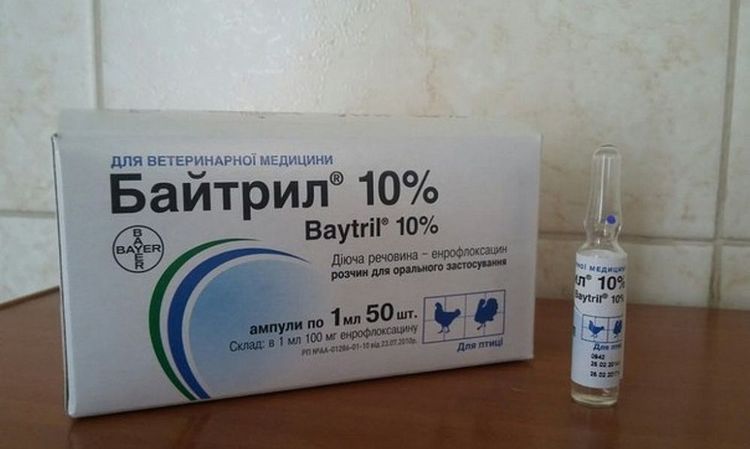
The active ingredient concentration can be 2.5%, 5%, or 10%. For dogs, only Baytril 5% and 2.5% are used. Due to its high concentration, the 10% medication is only used for large animals (pigs, calves) or can be diluted for use in poultry.
It is available only as a light yellow injection solution. The medicinal liquid is packaged in dark glass vials and sealed with rubber stoppers.
Pharmacological properties
The medication belongs to the fluoroquinolone group of antibiotics. Its active ingredient inhibits the DNA of harmful bacteria, causing them to stop reproducing and die. The medication is effective against various types of bacteria:
- streptococci;
- staphylococci;
- proteins;
- Bordetella;
- salmonella;
- campylobacter;
- mycoplasma and others.
After injection, the active ingredient quickly reaches the site of the disease via the bloodstream. It spreads throughout all organs and systems. This allows the medication to be effectively used for various bacterial infections. It begins to work within 20-30 minutes. The effect lasts for 24 hours, so once-daily injections are sufficient.
Please note! When taken at the recommended dose, Baytril is well tolerated by animals and has no toxic effects. However, overdose may contribute to deterioration in the pet's health.
How much does it cost and where can I buy it?
The price of Baytril used for treating dogs depends on the content of the active substance:
- 2.5% 100 ml – 340-380 rub.;
- 5% 100 ml – 380-430 rub.
The drug is also sold in regular veterinary pharmacies. It can also be purchased online.
When is it applied?
The drug has a broad spectrum of action. The instructions state that Baytril is prescribed for dogs for diseases caused by harmful bacteria affecting the respiratory, genitourinary, and other systems. The medication is typically used to treat the following respiratory diseases:
- tracheitis;
- rhinitis;
- laryngitis;
- bronchitis;
- pneumonia and others.
The medicine is also successfully used for other pathologies:
- with streptococcosis;
- with colibacillosis;
- with glomeluronephritis;
- at salmonellosis;
- for purulent inflammation of the bladder;
- in septicemia;
- for various mycoses;
- for dysentery;
- with phlegmon;
- with balanoposthitis, etc.
The antibiotic can also be used to treat secondary infections in viral diseases and pathologies caused by pathogens sensitive to enrofloxacin.

Despite its broad spectrum of action, do not use this medication without consulting a doctor and obtaining an accurate diagnosis. If the condition is not caused by an infection, its progression may worsen. Do not self-medicate.
Instructions for use in veterinary medicine
Baytril injections are administered once daily using the subcutaneous route. The dosage is calculated based on body weight: 5 mg of enrofloxacin per 1 kg of body weight:
- If Baytril 2.5% is used, then 0.2 ml of solution will be needed per kilogram of the animal’s weight.
- If a 5% solution is used, its dose is 1 ml per 10 kg of weight.
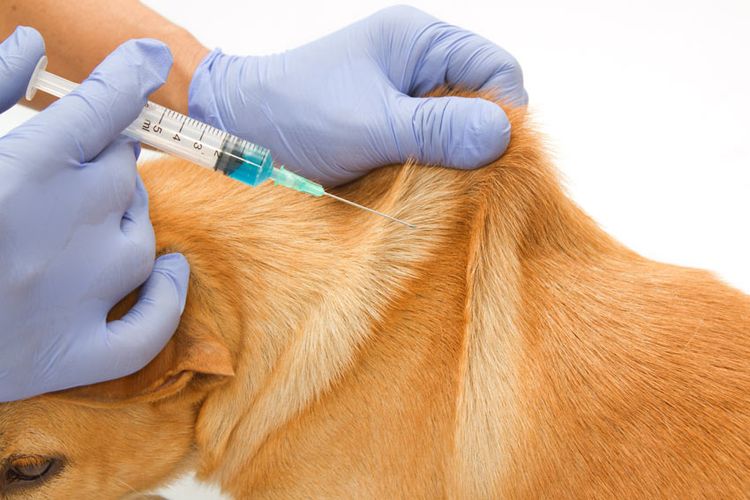
The medication is very painful, so large pets should not be given 5 ml in one injection site, or 2.5 ml in small breeds. The solution should be administered slowly to reduce pain. Painkillers are sometimes prescribed, but only a doctor can prescribe them.
To avoid possible unpleasant consequences, you must perform the following steps:
- Gently pull back the skin at the withers.
- Massage the injection site lightly.
- Inject the medication slowly. If the dose is large, inject into several sites.
Try not to inject into the same place.
Treatment duration ranges from 3 to 10 days and is determined by the doctor based on the underlying pathology, symptoms, and overall health. If the dog's condition does not improve within 3 days, fluoroquinolone susceptibility testing should be repeated. If the results are negative, a different antibacterial agent should be selected.
It is recommended to administer injections at the same time each day. Missing doses or not following the treatment regimen may negatively impact effectiveness. If an injection is missed for any reason, resume treatment as soon as possible. There is no need to increase the dosage.
When should you not use it and what are the possible consequences?
The use of Baytril for dogs is unacceptable in the following cases:
- puppies up to 1 year old, until the skeletal system is fully formed;
- during pregnancy;
- for diseases of the nervous system accompanied by convulsions;
- during lactation;
- in case of intolerance to the components;
- in case of cartilage tissue pathologies.
You should also avoid using it if the disease is caused by microorganisms that are resistant to the drug.
Please note! It is strictly forbidden to use Baytril in combination with tetracycline, macrolides, chloramphenicol, and nonsteroidal anti-inflammatory drugs.
Baytril has a strong effect on the animal's body and can cause side effects. These typically manifest as digestive problems. The animal may experience:
- vomit;
- nausea;
- loose stools;
- lack of appetite and other symptoms.

The antibiotic can also cause an allergic reaction, which can include skin rashes, redness, itching, respiratory problems, and more. If an adverse reaction occurs, discontinue the medication, administer an antihistamine, and use symptomatic treatment.
If the medication is administered too quickly or incorrectly, hardening may occur at the injection site. This can easily develop into sepsis, which can lead to hair loss and other problems. Unless you have sufficient experience, it's best to leave injections to a veterinarian.
Important points for storage and use
The medication should be stored at a temperature between 5 and 25 degrees Celsius. It is important to keep the storage location out of the reach of children and out of direct ultraviolet rays. The unopened solution retains its pharmacological properties for 3 years from the manufacturing date (found on the packaging). Once opened, the medication can be used for only 28 days, after which it must be discarded. No special disposal precautions are required.
If the bottle seal is broken, the solution has become cloudy, or contains foreign impurities or sediment, it cannot be used to treat pets.
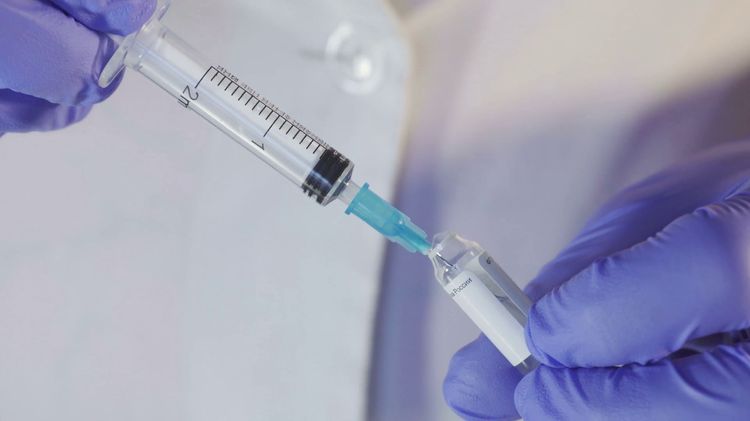
When using Baytril, follow the general guidelines for using veterinary medications. If the solution comes into contact with skin or mucous membranes, rinse with plenty of running water. If an allergic reaction occurs, seek medical attention and bring the original packaging with you.
Owner reviews
Elena, the owner of the sheltie:
"We used Baytril to treat pneumonia. The dog developed severe joint pain. The injury had occurred as a puppy, but had barely shown any signs of pain. Occasionally, there would be minor pain with changes in the weather or heavy exertion. After the injections, the dog became almost completely immobile. We had to urgently select a different antibiotic."
Dmitry, the owner of the Great Dane:
"The area after the first Baytril injection began to itch intensely. At the next injection, the dog yelped in pain, so further use had to be discontinued. Its effectiveness is difficult to judge, as two injections weren't enough to clear up the purulent cystitis. Apparently, our dog had an allergic reaction to the medication, even though the doctor had given it a positive review."
Veterinarian Reviews
Anton, a veterinarian with 8 years of experience:
"Baytril is a broad-spectrum antibiotic. This advantage is offset by a significant number of side effects. Necrosis at the injection site often occurs, especially if owners administer the injections themselves. To avoid negative consequences, strictly follow the dosage and doctor's recommendations."
Victoria Andreevna, veterinarian with 12 years of experience:
"An effective antibacterial drug. Its main advantage is its broad spectrum of action. I prescribe it to my patients for respiratory or genitourinary conditions. Sometimes allergic reactions or stomach and intestinal problems occur. I consider Baytril one of the safest antibiotics, but I don't recommend using it without a doctor's prescription."
Read also:


2 comments
Svetlana
Our dog was prescribed this for pneumonia for five days, and after the first injection, he felt much better. There were some lumps at the injection sites, but they resolved within a couple of weeks. Let's say, when weighing the benefits against the risks, the benefits outweigh the risks.
Victoria
The doctor prescribed it to the dog, literally an hour later the dog felt better, the next day he began to run and jump.
Add a comment