
Bikejoring for dogs: what it is and how to do it correctly
Continuing with the topic of sports that owners can enjoy with their pets, today we'll discuss what bikejoring for dogs is, whether this activity is safe for your four-legged friend, and how to practice it properly.
Content
Bikejoring as a sport
Bikejoring (sometimes spelled Bike-joring) is a relatively new canine sport. The training is quite simple: a dog, equipped with a special harness that evenly distributes the weight, tows a bicycle with its owner.
Individual participants (or teams) start off alone. The winner is the one who completes the course in the shortest time.
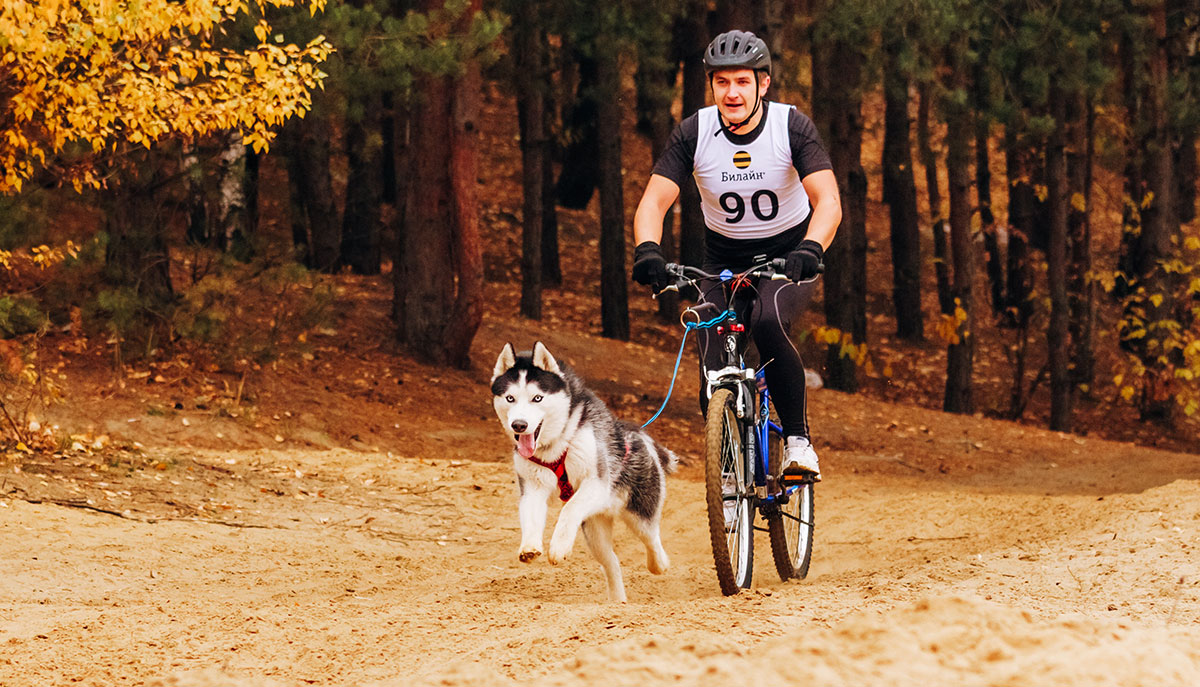
Dog-assisted bikejoring was originally developed to train real sled dogs participating in winter endurance competitions held annually in the northern regions of the country. These athletes require regular physical activity, so effective training must continue even during the snowless months. Bikejoring emerged as a distinct sport relatively recently, but today it is rapidly gaining popularity in various countries.
Bikejourney can be done with a single dog or with a team of dogs. Team training typically uses a special sled.
What breeds can participate?
The most common breeds of sled dogs that take part in bikejourneying are:
- Likes;
- Husky;
- Malamutes;
- Samoyeds;
- Chinooks or their crossbreeds.
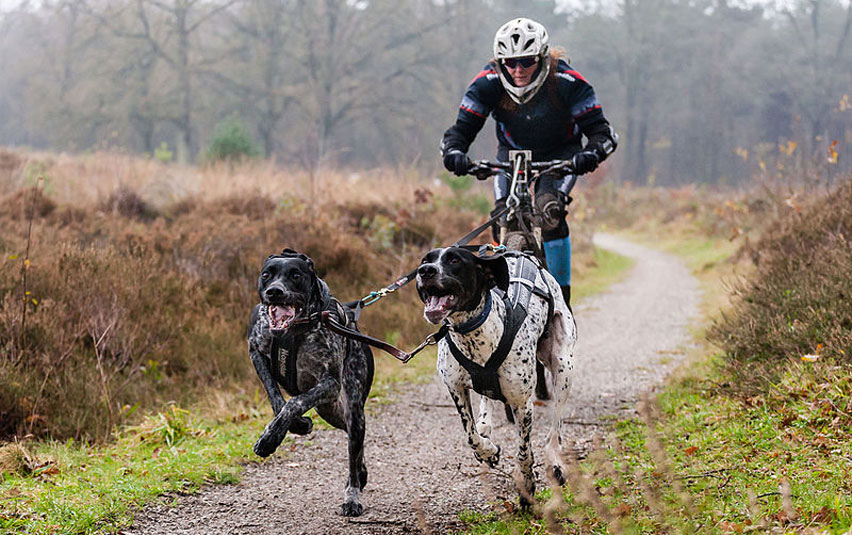
There are no official breed restrictions in bikejoring, but there is a strict selection process for participants based on criteria such as:
- weight (the dog must be large enough to handle the task);
- age (animals from 9 months to 10 years old are allowed);
- state of health (It is recommended to visit a veterinarian and make sure that your pet has no contraindications to high physical activity before starting training).
Is Bikejording Safe?
High activity levels are essential for the mental and physical well-being of sled dogs. Bikejoring training fully satisfies these dogs' needs for muscular and emotional stimulation.
Regular exercise will only benefit your pet if the owner follows these basic rules:
- Strict monitoring of the dog's health before the start of training, as well as throughout the entire period of active sports participation.
- Using professional equipment (you can’t just attach a leash to a bicycle and put a classic walking harness on your pet).
- Conducting classes on special dirt tracks (running for long periods on asphalt can injure the paw pads).
- Caring for your dog during training involves arranging regular breaks for rest and drinking, choosing a pace that's comfortable for your dog, and constantly monitoring your pet's condition during training.
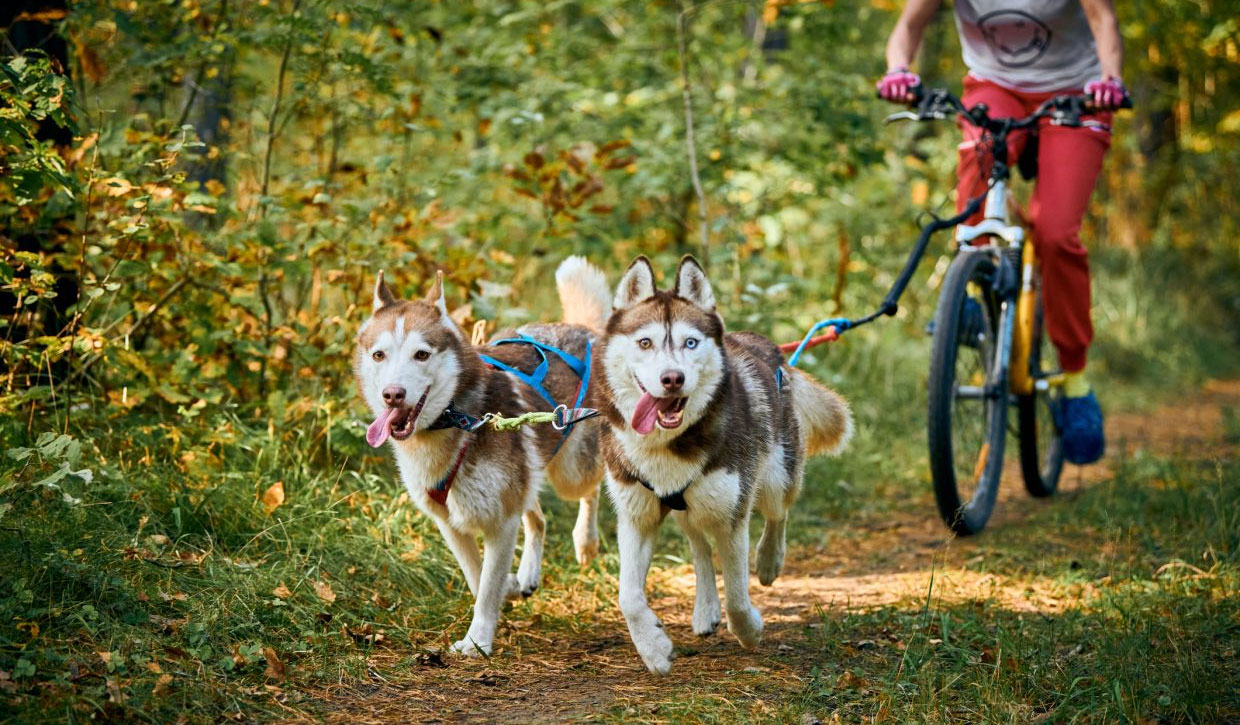
Like any sport, bikejourneying can be dangerous if the prescribed rules and regulations are not followed, or if the animal is overexerted during training.
Towing a bicycle is associated with increased stress on the musculoskeletal system, so it is strictly forbidden to involve puppies, elderly or weakened dogs, or animals with any orthopedic problems in this sport.
Every dog is an individual, so if you're interested in cycling and want to try bikejourney, consider whether your dog enjoys the activity. If your dog doesn't enjoy being pulled, it may simply not be for them, and you should consider another sport.
Necessary equipment
To ensure safe and beneficial training for your dog, make sure you have the right equipment. Acquiring everything you need is easy these days, as there are many specialized websites online dedicated to various types of drylanding.
Even if you just want to try it, you should have the following equipment already during your first training session.
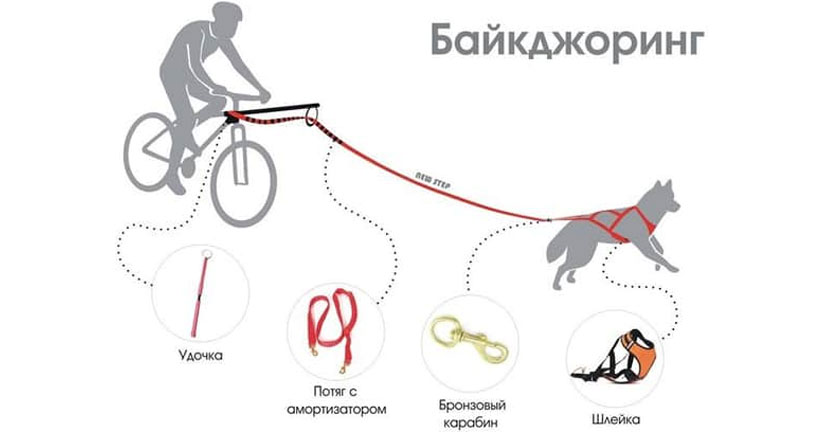
Sports harness
A bikejourney harness differs significantly from a classic walking harness. This accessory must be selected based on your pet's anatomy. A sports harness is designed to distribute the load as evenly as possible, allowing the dog to breathe freely while moving and avoiding discomfort.
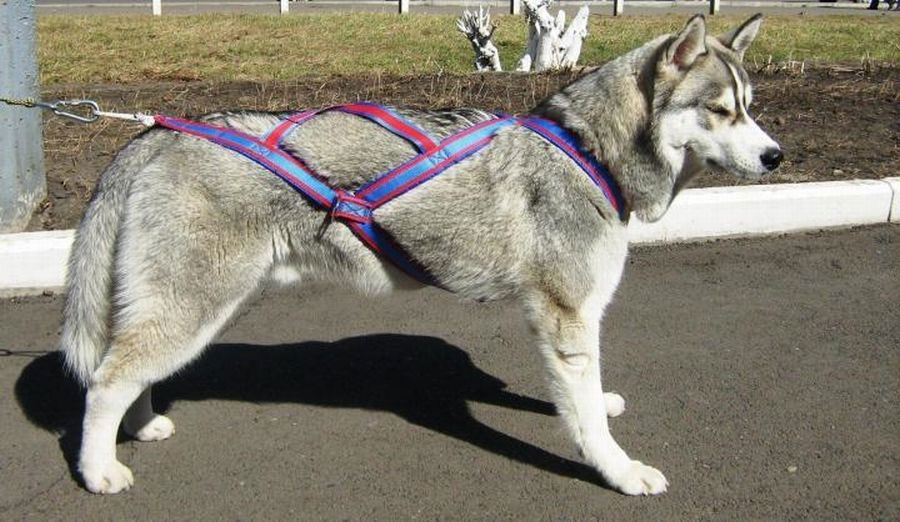
In general, classic racing harnesses for sled dogs, such as those used in sled dog racing and sledding, can be used for pulling a bike on straight trails without sharp turns. However, if you prefer more challenging trails, you'll need a special, wide harness that fits your dog perfectly.
Where to start training
Watch this video to learn how to organize bikejourney training with your dog:
Read also:
- ZKS for dogs: what is it?
- How to train a husky at home
- UGS for dogs: what is it and what does it include?


Add a comment