
Austrian Hound (Brandlbrack, Austrian Smooth-haired Hound)
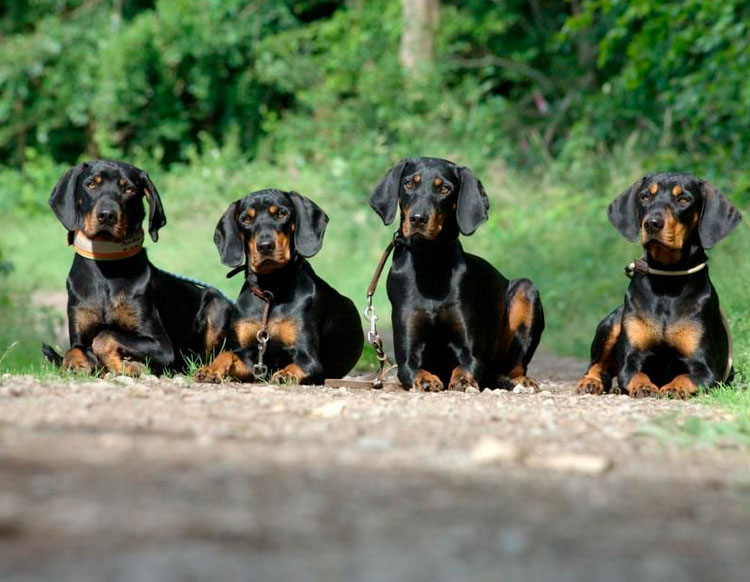
The Austrian Hound (Brandlbrack, Austrian Smooth-Haired Hound) is a strong, hardy, agile, and agile dog with a friendly disposition and excellent scenting skills. It is used to chase hares and other game, as well as to track wounded animals by following a blood trail.
Content
History of origin
The black and tan smooth-coated Austrian hound is believed to be a descendant of the Tyrolean hound, which in turn descended from the Celtic Braque and other ancient breeds. Nothing reliably known about their history before the mid-19th century, as no one deliberately bred them.
The name Brandlbracke comes from the words "Brand" meaning "uncontrollable fire" (referring to the yellowish-brown markings) and "Bracke" meaning "four-eyed" (referring to the obligatory markings above the eyes).
The breed's origins are considered to be in the mountainous regions of Austria. It was there that the black and tan Braques were popular, from which the modern Austrian hound was developed. Its closest relative is Slovak copsRepresentatives of the breed have been registered in the Austrian stud book since 1884 under the name Brandlbracke. The breed was recognized by the Fédération Cynologique Internationale in 1995.
Purpose
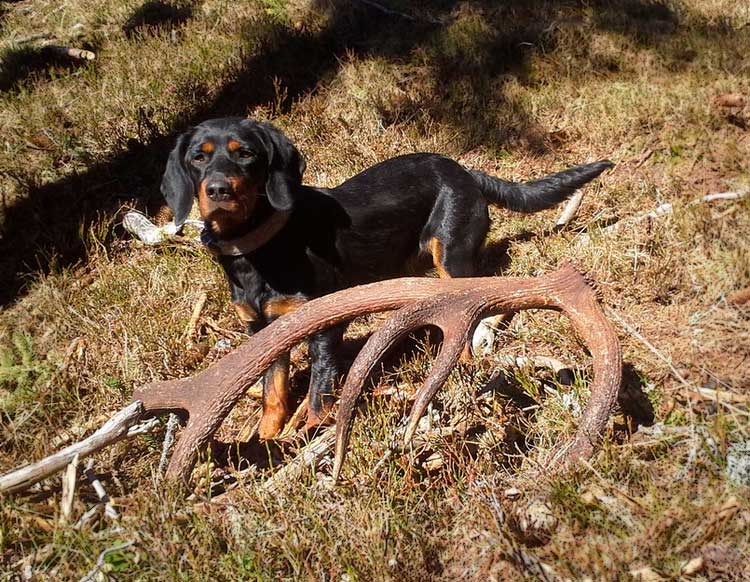
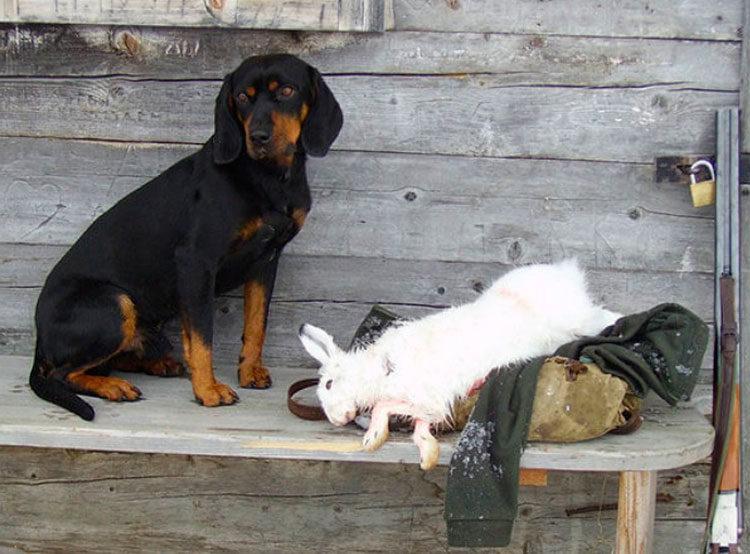
The Austrian Hound is primarily bred for hare hunting. It has a very keen sense of smell and can chase with or without vocalization. It is extremely hardy, tenacious, and passionate. It is suitable for work in mountainous and flat terrain, before and after the shot, and following a blood trail. It is also suitable for hunting wild boar, deer, and elk.
The Austrian Hound can work in a pack or alone. Once it picks up the scent of a hare or other game, it pursues it passionately, awakens it, and drives it toward the hunter. After a shot, it locates and retrieves a wounded animal. It also holds larger game by vocalizing its location.
Appearance
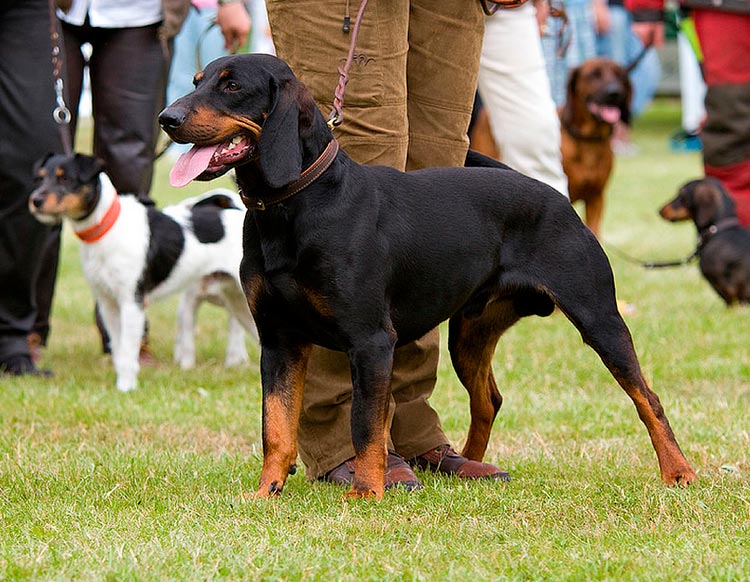
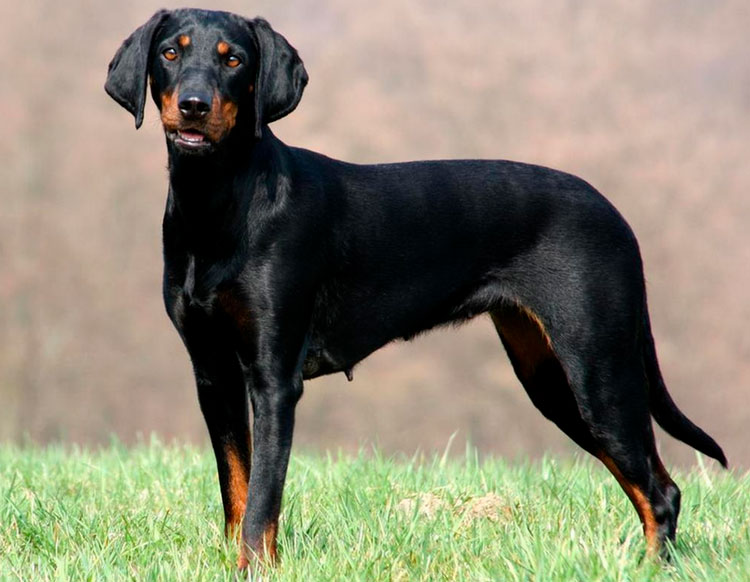
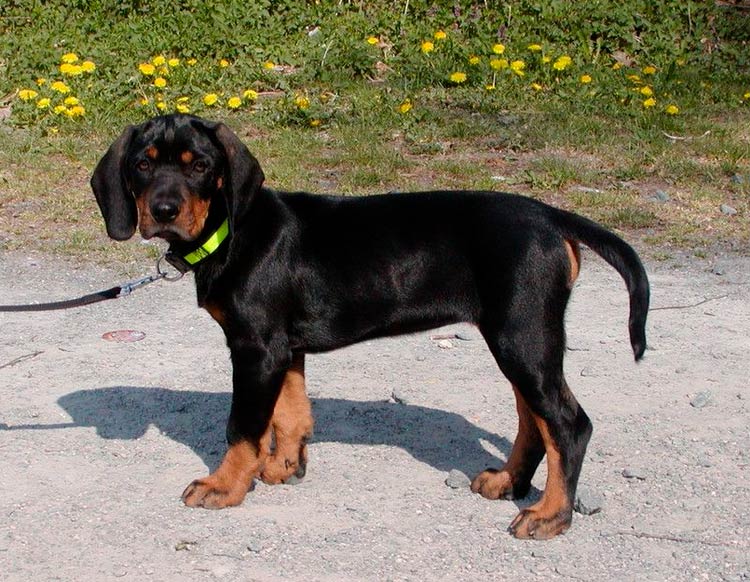
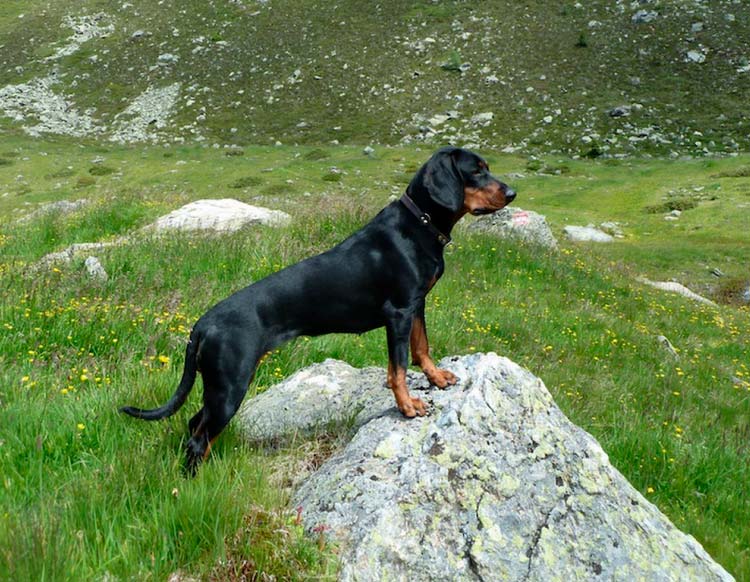
The Austrian Hound is a medium-sized dog with a lithe body and a short, black-and-tan coat. Weight is not specified by the standard, but typically ranges from 16 to 27 kg. Height at the withers:
- Males - 50-60 cm;
- Bitches ― 48-54 cm.
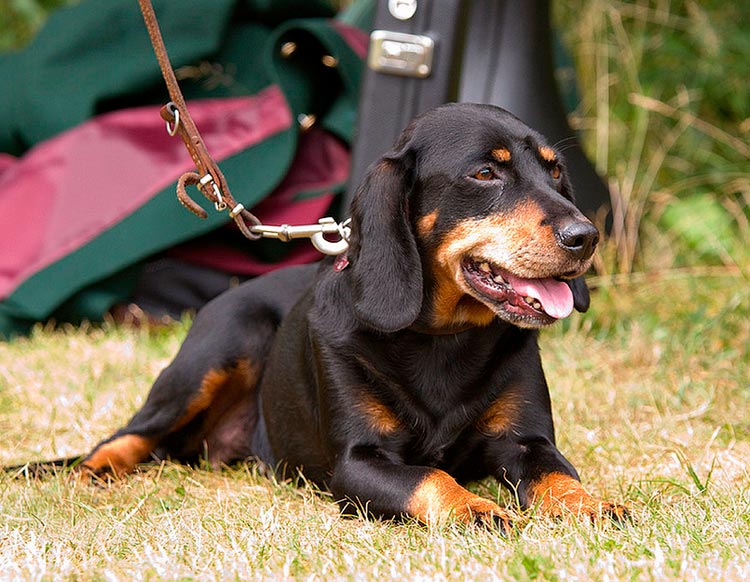
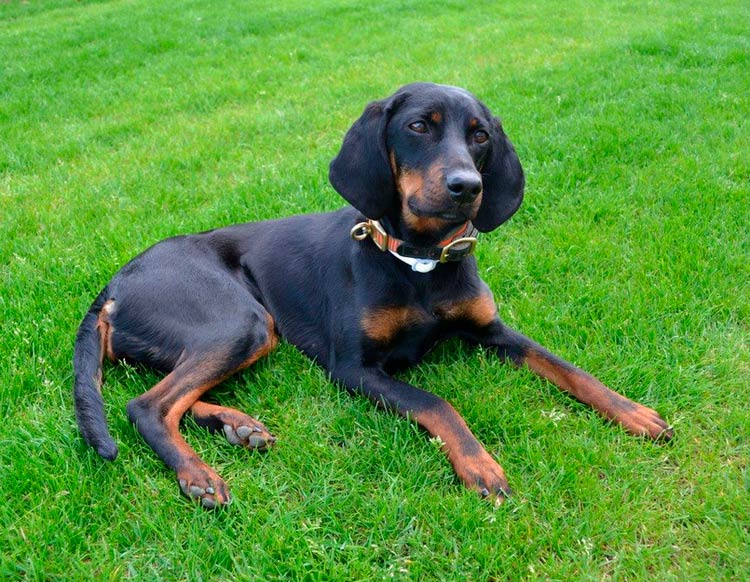
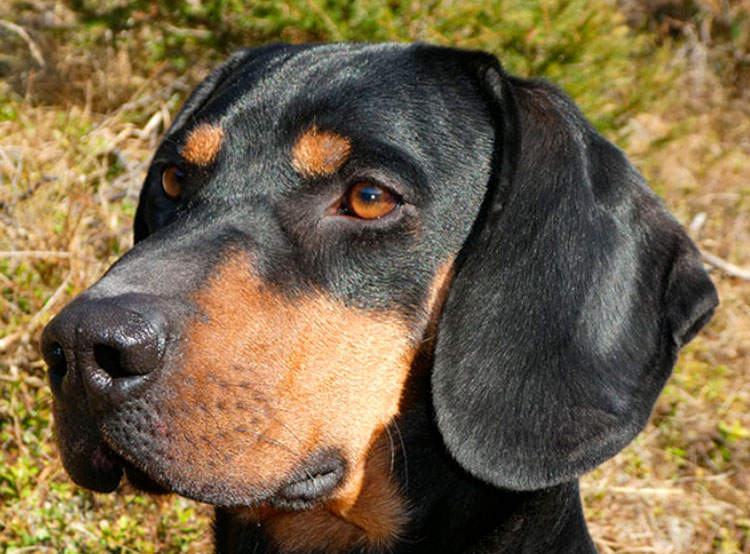
The head is proportionate to the size of the body. The skull is broad. The muzzle has a straight, strong, not very pointed bridge. The nose leather is black. The lips are well developed, close-fitting, and well pigmented. The jaws are strong. The teeth are complete. The bite is scissor-like. The eyes are dark brown. The ears are set high, hanging, flat, of medium length, and not very wide.
Thanks to its build, the Austrian Hound is very agile and jumpy.
The neck is strong and of medium length. The body is strong and very flexible. The withers are well defined. The back is long. The loin is slightly arched. The croup is slightly sloping. The chest is deep and wide. The tail is set slightly below the level of the back. When at rest, it is lowered, long, and tapers to a tip. The underside of the tail has coarser hair. The limbs are very well developed, with moderate bone and strong joints, straight and strong. The hind legs are well angulated. The paws are arched, rounded, and strong. The toes are well knit. The pads are elastic and large. The claws are black and strong. The gait is flexible and light.
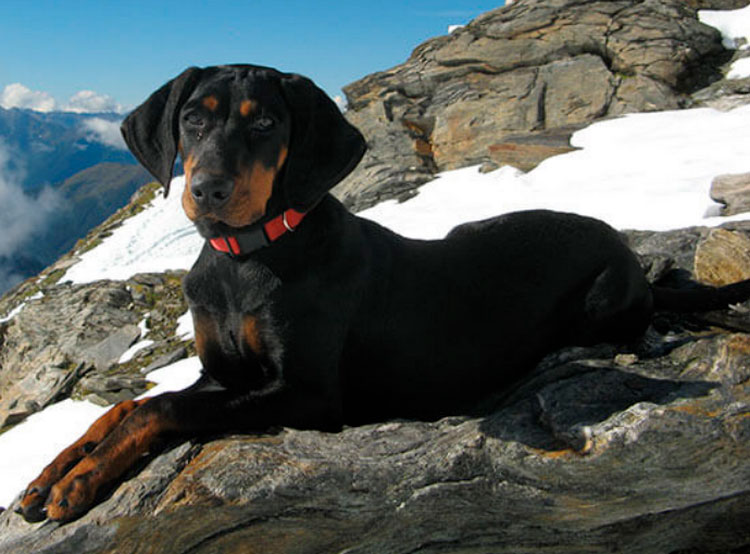
The coat is close-lying, short, dense, strong, and thick, with a glossy sheen. The hair is approximately 2 cm long. The coat is black with small, clearly defined tan markings (ranging from fawn to dark red). Tan markings are mandatory above the eyes.
Character and behavior
The Austrian Hound is a calm, even-tempered, and friendly dog. It forms strong bonds with its family, is very owner-oriented, and craves attention. It gets along well with children. It is not aggressive by nature and gets along well with other pets. Conflicts may arise between dogs of the same sex. The Brandlbracke barks when unfamiliar people or animals approach the territory, but is not suitable for guarding due to its friendly nature.
The Austrian Hound has the firm character of a hunting dog. It has a strong pursuit instinct and is accustomed to independence. In everyday life and at work, it can be somewhat independent and stubborn, but with proper training, it is obedient and quite manageable.
Content Features
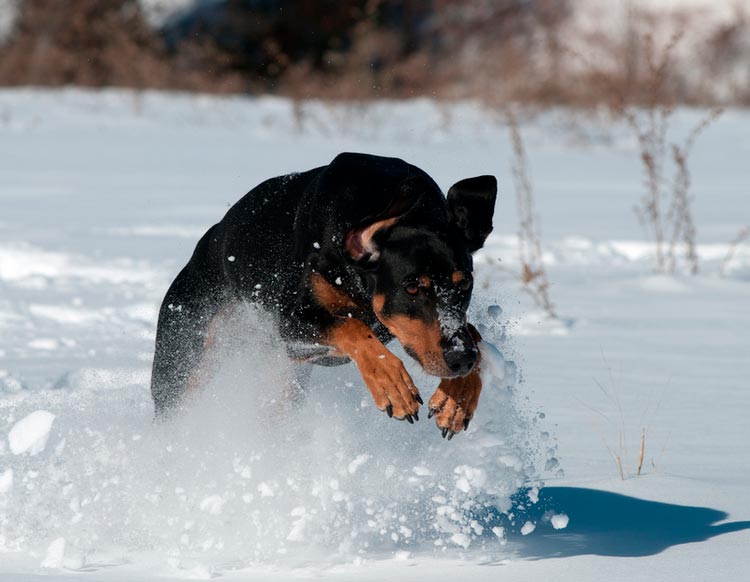
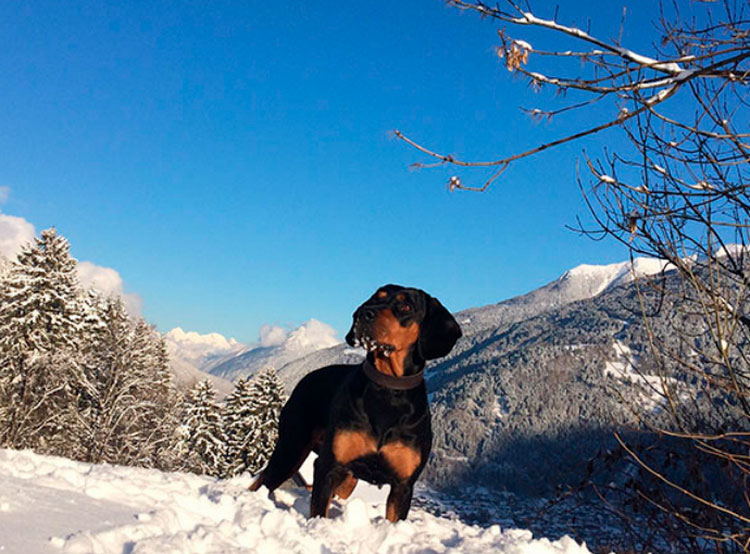
The Austrian Hound is suitable for living in a city apartment, but a country house is the ideal choice. It is not suited to living outdoors in freezing temperatures. The Austrian Hound is a working dog and requires long daily walks.
Care
The Austrian Hound doesn't require extensive grooming. To maintain a neat appearance, weekly brushing with a brush or a mitten designed for short-haired breeds is sufficient. Regular ear cleaning, teeth brushing, and nail trimming are also essential.
Health and life expectancy
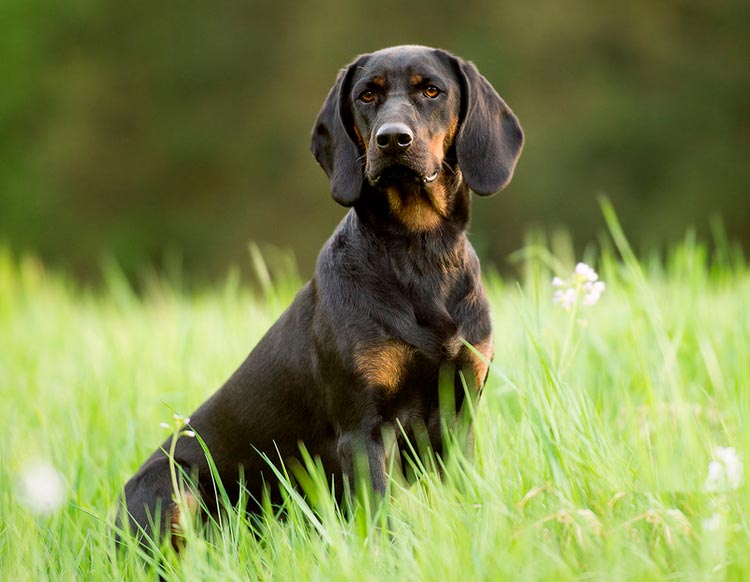
Austrian hounds are generally strong, hardy, and healthy dogs, not prone to any illnesses. Illnesses are usually caused by poor living conditions and feeding. Life expectancy is 12-14 years.
Choosing an Austrian Hound Puppy
Outside of Austria, the Brandlbrack is unpopular. There are several large breeders in Germany and other European countries. In Russia, there are only a few representatives of the breed. The best place to start your puppy search is with the Austrian National Breeding Cubes.
Price
The average price for an Austrian Hound puppy from good working parents is 1,500 euros.
Photos and videos
Photos of Austrian Hound dogs in the gallery.
Video about the Austrian Hound dog breed
Read also:


Add a comment