
Australian Silky Terrier (Silky)
The Australian Silky Terrier is a small, toy dog with a beautiful, flowing coat. The Silky, as it's also known, can be an excellent choice for those seeking a miniature companion with a distinctive appearance and a gentle disposition. Due to its coloring and small size, it's often confused with the Yorkshire Terrier, but they are clearly two different breeds.
Content
History of origin
With the onset of British colonization in Australia, new dog breeds began to appear, including small terriers brought by the British. One of the first creations of Australian breeders was the Australian Terrier. It became the basis for a new breed – the Australian Silky Terrier. Presumably, the selection was targeted, and the Silky Terrier emerged as a result of crossing Australian dogs and Yorkshire TerriersDandie Dinmont Terriers also took part in the program. In its early days, the breed was known as the Sydney Silky Dog.
At the beginning of the 20th century, there were no clear distinctions between the Australian, Sydney, and Yorkshire Terriers. In 1929, a standard was established for each. However, breeding progressed slowly and only gained momentum after 1955, when the name Australian Silky Terrier was officially established. In 1958, the breed was recognized by the National Kennel Club of Australia.
After World War II, American servicemen brought Silky Terriers to the United States, where they quickly became popular. In 1959, the American Kennel Club awarded the breed championship status, and in 1965, it received international recognition from the United Kennel Club (KCU). Although Silky Terriers are terriers, all organizations classified them as toy breeds, believing that they would be safer with smaller dogs than with larger ones.
Video about the Australian Silky Terrier breed:
Appearance and standards
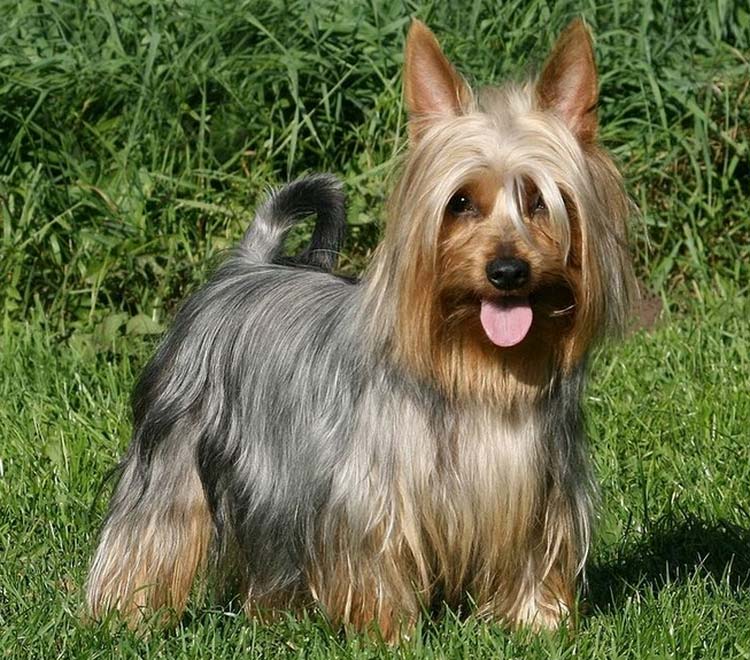
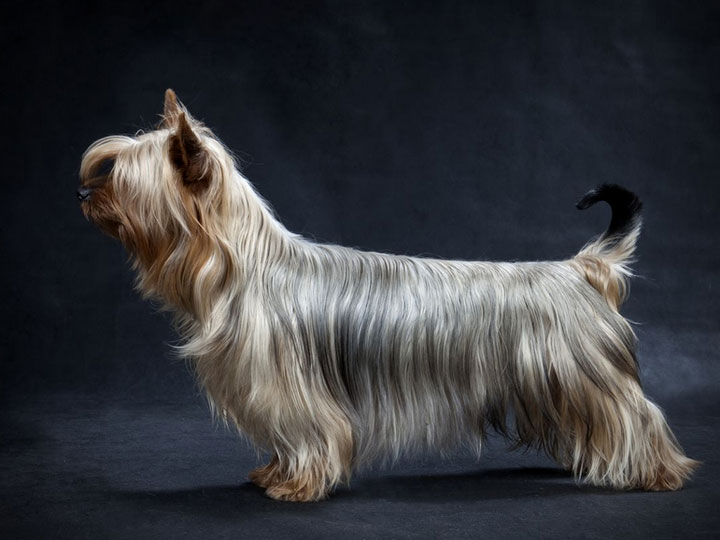
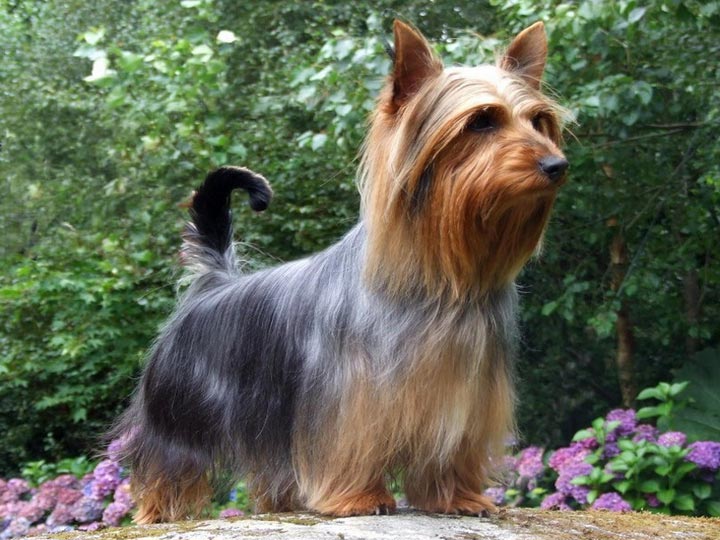
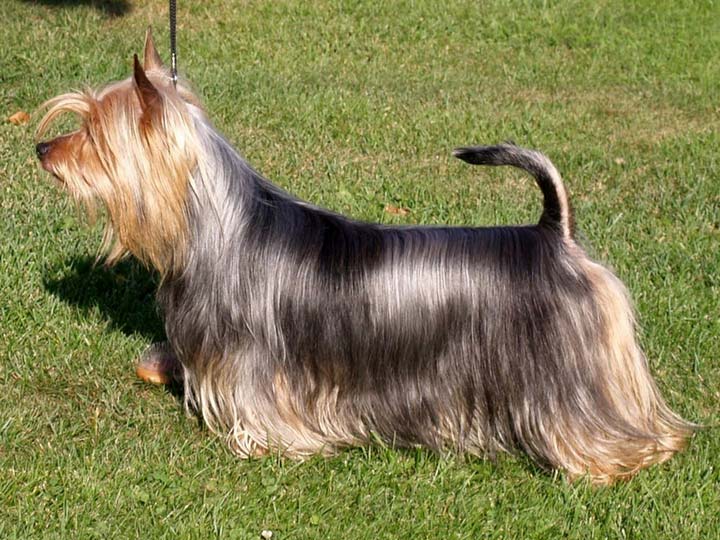
According to breed standards, the Australian Silky Terrier is a small, compact, slightly elongated toy dog with long, soft hair and a pointed muzzle. Height at the withers is 20-23 cm, weight 3.5-4.5 kg.
The head is moderately long, with a distinct stop. The muzzle is pointed, and the nose is black. The jaws are strong, with a correct bite. The eyes are small and oval. The ears are dark, erect, set high and wide apart, with pointed tips. The auricle is thin.
The neck is slightly arched and of medium length. The body is moderately long, with a level topline. The loin is strong. The chest is moderately broad and deep, with well-sprung ribs. The tail may be docked, in which case it is set high and held in an upright position. The undocked tail should be in balance with the overall size. It may be slightly curved, but not curled over the back. The legs are strong, straight, and not long. The paws are small and tightly closed, reminiscent of a cat's. The pads are thick, and the claws are dark.
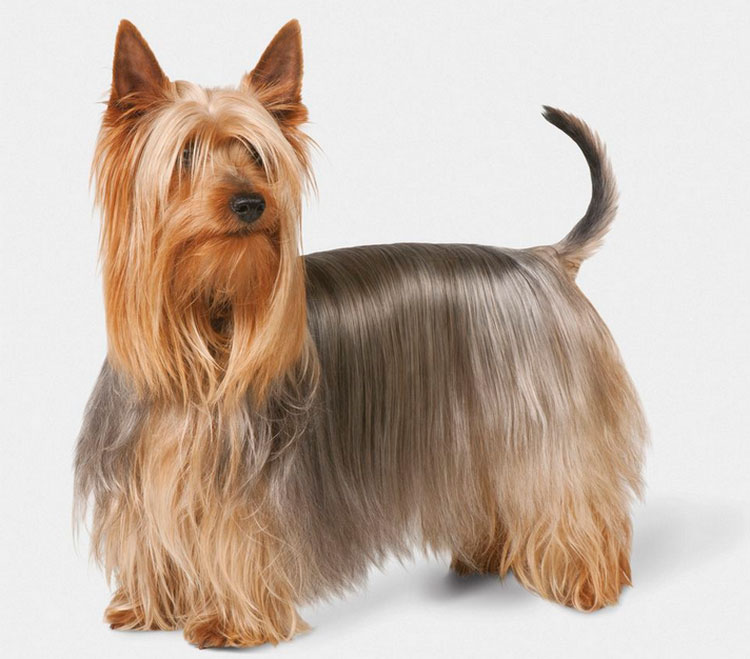
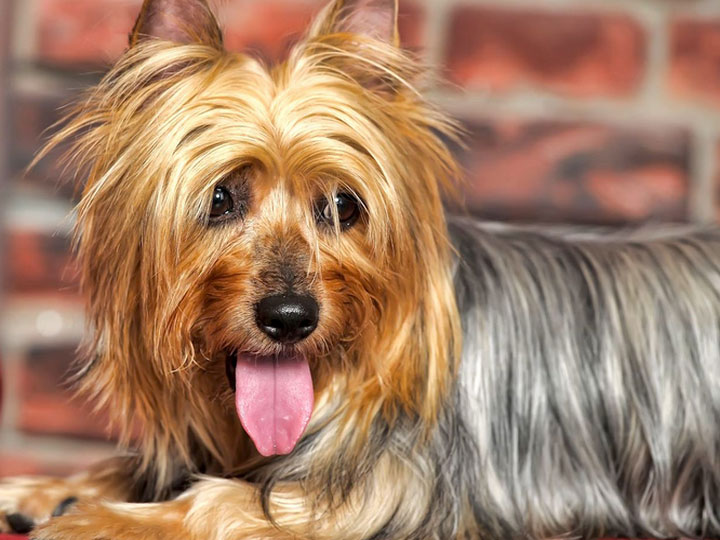
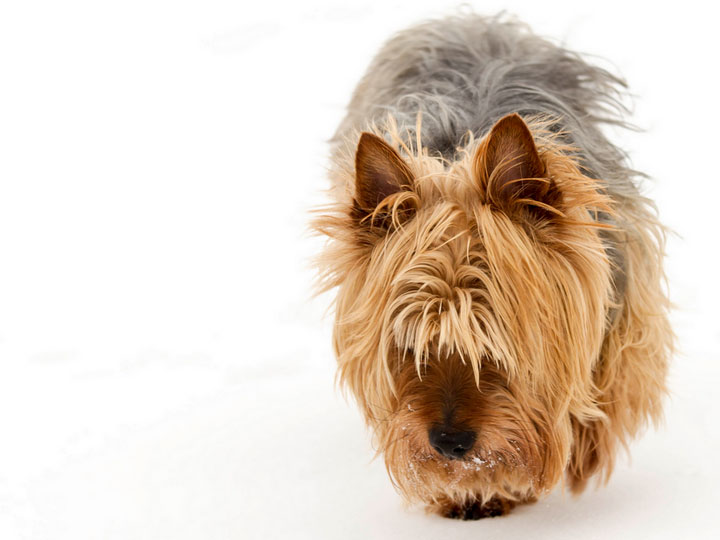
The coat is straight, flowing, fine, and shiny. Its silky texture makes it soft to the touch. Its length should not impede the dog's movement, so there should be a gap between the lower horizontal edge of the hair, which hangs down from the body, and the ground. The hair on the front and hind legs, ears, bridge of the nose, around the eyes, and lower jaw is short. On the head, between the ears, the hair is long, parted, and falls to the sides, not covering the muzzle. There is no undercoat.
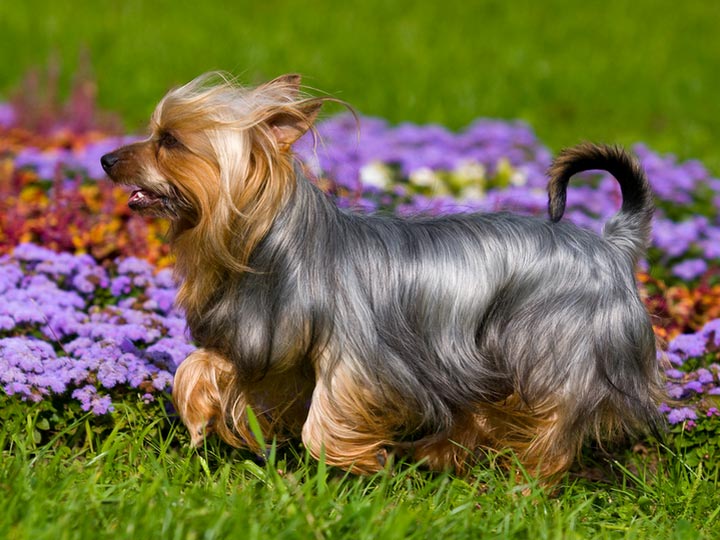
The recognized Silkie color is blue and tan. The body coat can be any shade of blue, with a richer color preferred. The tail is significantly darker. Tan markings appear on the ears, muzzle, cheekbones, around the anus, and on the lower legs. The blue, pure and unmarked, begins at the base of the skull, extends to the tip of the tail, and continues down the forelegs to the wrists and the hind legs to the hocks. It is very difficult to describe the original coat color, so it is best to use photos of Australian Silkies as a guide.
The difference between a Silkie and a Yorkshire Terrier
Silkies are often confused with Yorkies. This is hardly surprising, as the breeds are related and share a similar color and size, but that's where the similarities end. Let's look at the key characteristics that will help you distinguish an Australian Terrier from a Yorkshire Terrier:
- The head and jaw of the Silkie are larger than those of the Yorkie, and the muzzle is longer;
- Australian Terriers are larger and heavier than Yorkshire Terriers;
- The ears, tail, nose and lower part of the legs of the Silky are covered with short hair, while the Yorkshire Terrier has long hair;
- The silk hair is softer and lighter, this is noticeable even in the photo;
- The Yorkie's body is square, while the Australian Terrier's is elongated;
- Show snares are much easier to care for;
- Silkies are more resilient and sturdy, better suited for long walks. Generally speaking, they're not as playful as Yorkshire Terriers.
Character
The Australian Silky Terrier is a friendly and energetic dog that enjoys brisk walks and games. Overall, it exemplifies all the terrier qualities: alertness, activity, courage, and self-esteem. Silkies form a strong bond with their owners and are affectionate and friendly with other family members.
They get along well with children of all ages, but they are especially interested in older children. Their size precludes them from being a guard dog for their pack, but their courage and alertness make them excellent watchdogs, always alerting them to new arrivals with a loud bark. They are wary of strangers. The Australian Silky Terrier was originally considered a purely toy dog, but their ancestral hunting and territorial instincts occasionally make their presence felt. If the dog is allowed to spend time at the dacha in the summer, moles and field mice are a thing of the past.
According to owner reviews, Silky Terriers have wonderful personalities. They are cheerful, playful, and happy. They quickly understand what is expected of them and adapt to the personality and lifestyle of their family. They always want to be close to their owner.
Silkies are intelligent and very easy to train. Recent studies have shown that among 100 toy breeds, they rank a respectable 20th in trainability. They can be very temperamental, stubborn at home, and pick fights with larger dogs on walks, but with proper training, they are submissive and obedient. They love to cuddle and receive praise.
Content
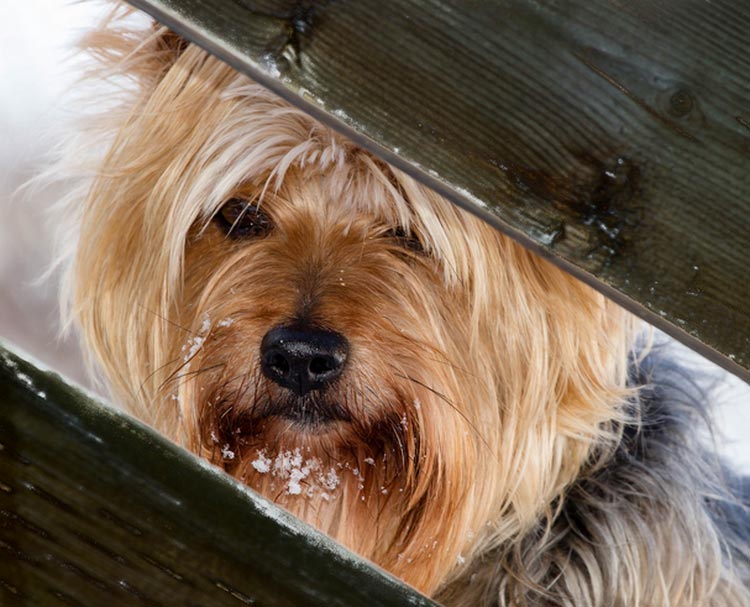
Silkys, as befits a toy dog, should live in an apartment or private home. It's worth noting that they're quite calm indoors, but as soon as they're outside, they forget their intelligence and freshly brushed coat and run wild, expending pent-up energy. It's crucial to spend time with your dog every day, playing with them, so they don't have the energy for mischief.
Since the Silkie does not have an undercoat, they become very cold in the cold season and require additional insulation.
Diet
Silky Terriers can be fed either natural food or commercial pet food. Breeders recommend the latter, as it's easier to provide a balanced diet. If the food isn't specifically formulated for long-haired breeds, it's recommended to add vitamins for skin and coat.
Care
Grooming a Silkie isn't as difficult as it seems, but it's also not as easy as caring for a short-haired dog. From puppyhood, you need to accustom your puppy to bathing and blow-drying, as well as brushing its teeth and ears and trimming its hair. These procedures will become regular.
The terrier's silky coat is prone to matting, so daily brushing is recommended. Use grooming products designed for dogs with long, soft coats. Yorkshire Terrier products are often suitable. Mats should not be brushed out; they should be carefully untangled. Silkies are bathed once a week. As needed, the dog's ears should be cleaned, eyes should be kept clean, teeth should be brushed, and nails should be trimmed as needed.
Silky Terriers are exhibited in their most natural state. Before the show, the coat is trimmed slightly. If desired, short haircuts are allowed at home.
Conditions of detention
The Australian Silky Terrier thrives in a small apartment, but regular exercise is essential for its harmonious development. Long daily walks with its owner help keep the dog active. After such walks, the Silky Terrier has the energy for play and entertaining at home. However, if the terrier leads an overly sedentary lifestyle, it may signal potential health problems.
When keeping a dog in a country house, it's important to provide a secure space: the yard should be securely fenced. This breed is very curious and may escape if precautions aren't taken.
Health and life expectancy
The breed is known to have several diseases to which dogs have a genetic predisposition:
- allergies;
- tracheal collapse;
- diabetes mellitus;
- patellar dislocation;
- elbow dysplasia;
- epilepsy;
- intervertebral disc herniation;
- aseptic necrosis of the femoral head;
- Malassezia dermatitis;
- cataract;
- urolithiasis;
- corneal ulcer;
- short hair syndrome.
All dogs must be vaccinated. They also require regular treatment for external and internal parasites. Their lifespan is 12-13 years.
Choosing a puppy and price
Representatives of the breed began appearing in Russia after 2010. The population is still very small, but in major cities there are already kennels breeding Australian Silky Terriers and offering high-quality puppies. Before purchasing a puppy, you should read about the breed, learn about the kennels, and call and speak with the breeder.
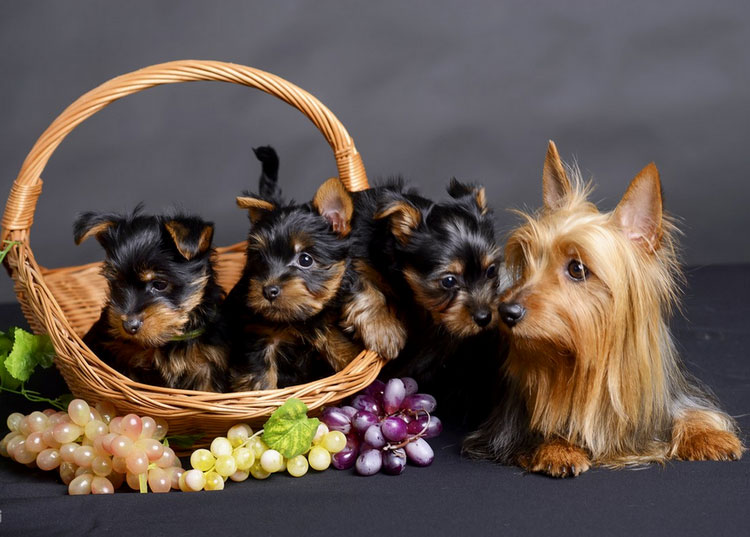
You need to choose a puppy very carefully. Scammers often pass off Yorkshire Terrier puppies as rarer and more expensive snares.
It's crucial to evaluate the parents' accomplishments and character. It's quite possible that physical appearance and temperament are inherited. A young puppy should conform to the standard as closely as possible. The coat should be smooth to the touch, with a scissor bite, a smooth tail, and a straight back. The puppy's origin must be confirmed by documents from the RKF or the country of its birth. A veterinary passport and a sales contract are required. It's a huge plus if the parents have been tested for genetic diseases common to the breed. Puppies can have a much darker color. According to the standard, the puppy's coloring should completely turn blue by 18 months of age.
How much does an Australian Silky Terrier cost?
Now let's move on to the question of how much an Australian Silky Terrier costs. On average, they cost between 30,000 and 45,000 rubles. Sometimes, puppies are sold for less than usual if they belong to a pet class that is unsuitable for breeding or showing. Sometimes, a dog can cost more than 45,000 rubles if it is of interest for breeding, carries rare bloodlines, or perfectly meets the standard.
Photos
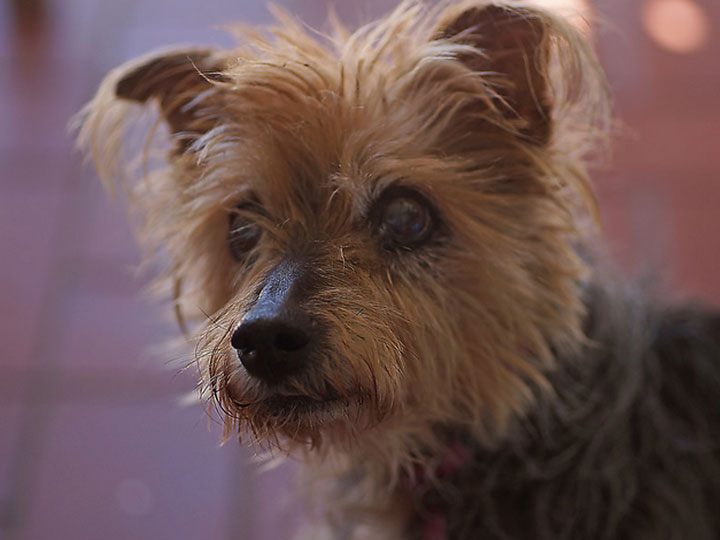
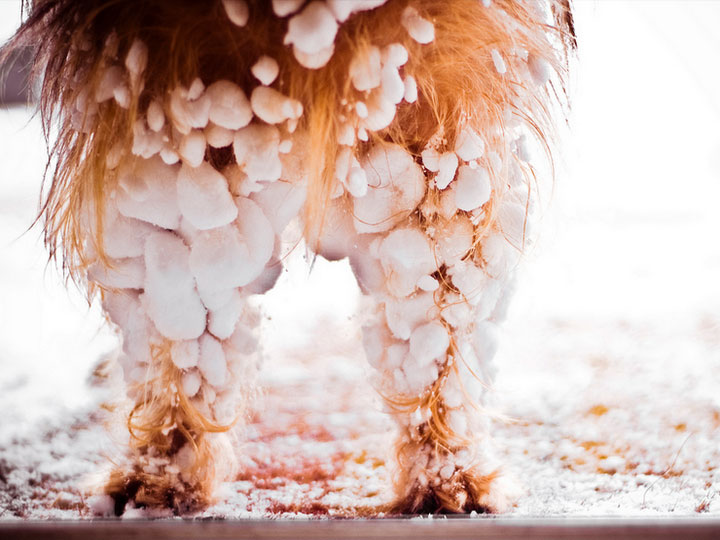
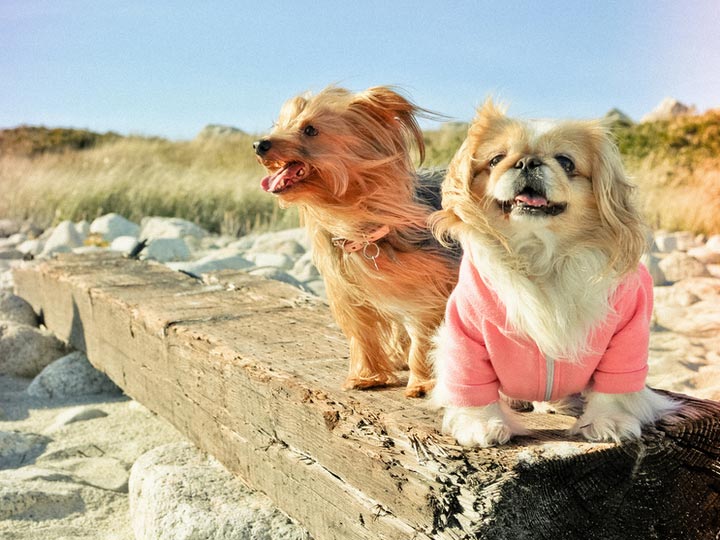
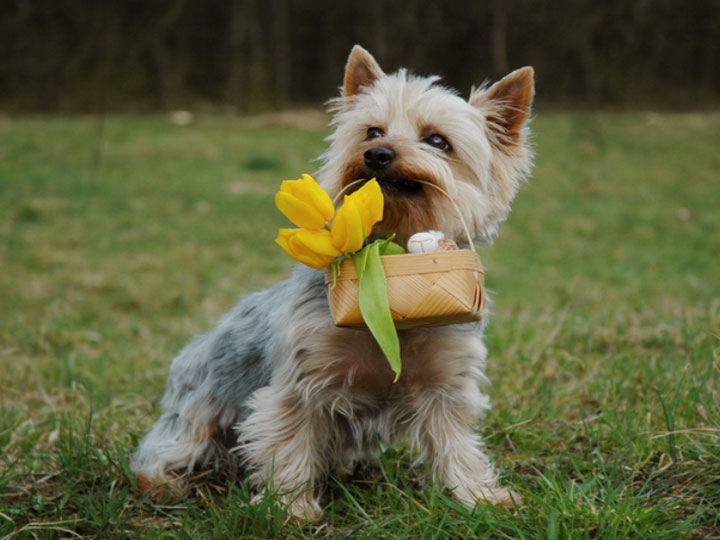
This gallery features photos of Australian Silky Terrier puppies and adults. Silky in all her glory:
Read also:


2 comments
Tatiana
Currently, the Beautiful Life kennel has Australian Silky Terrier (Silky Terrier) puppies.
Tatiana
Beautiful Life Kennel has a show-quality male for sale! His eyes are clear, he's been vaccinated according to his age, and he's waiting for the best hands.
Add a comment