
Australian coolie (obsolete German coolie)
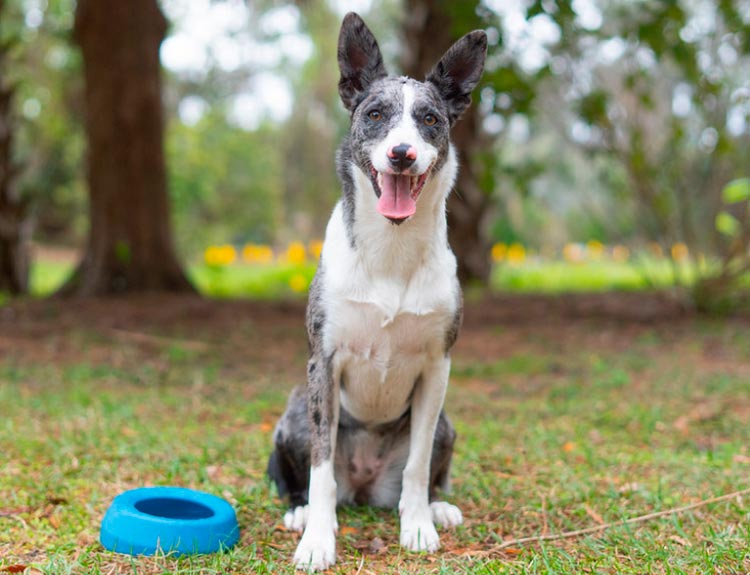
The Australian Koolie is a herding dog breed developed in the early 20th century. Prized in its native land for its exceptional intelligence and excellent working abilities, potential owners should consider it primarily as a functional working dog or a companion for active sports.
Content
History of origin
In a 1903 issue of the New South Wales Agricultural Journal, the author describes a sheepdog called the Welsh Heeler. This breed was also known as the German Koolie. It was developed in the early 20th century and has remained virtually unchanged since then.
Some cynologists believe that the ancestors of the Coolie were smooth collies color blue merle, brought from Britain for Thomas Hall's Australian Heeler Kennel in the late 19th century, and black and tan collies from the Scottish Highlands. Others believe they are descendants of German Shepherds, small herding dogs common in Central Europe. However, there is no genetic or anecdotal evidence to support this.
For a long time, Australian farmers crossed good dogs without paying much attention to their breed affiliation; this is how the Coolie was formed, through selection solely for working qualities.
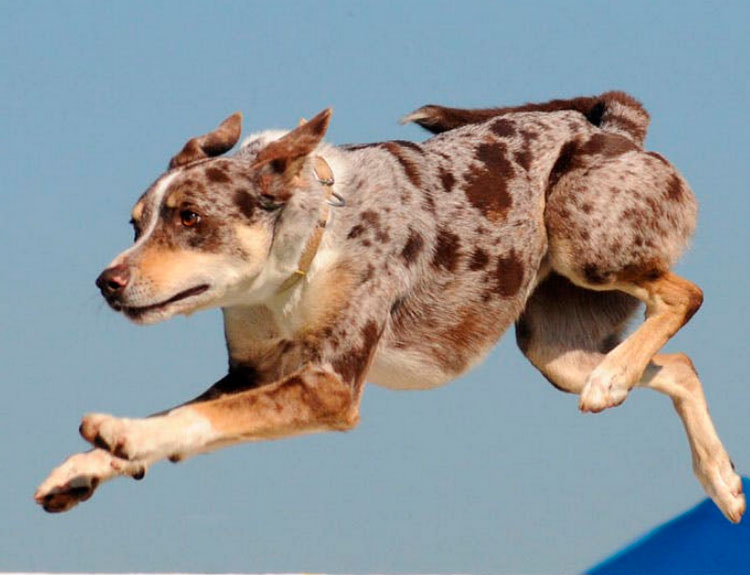
In 2000, the Coolie Club of Australia was founded. In 2004, the breed was recognized by the Australian Sporting Registry. Since then, in some Australian states, they can compete in herding, obedience, agility, flyball, and tracking events.
Coolie's appearance
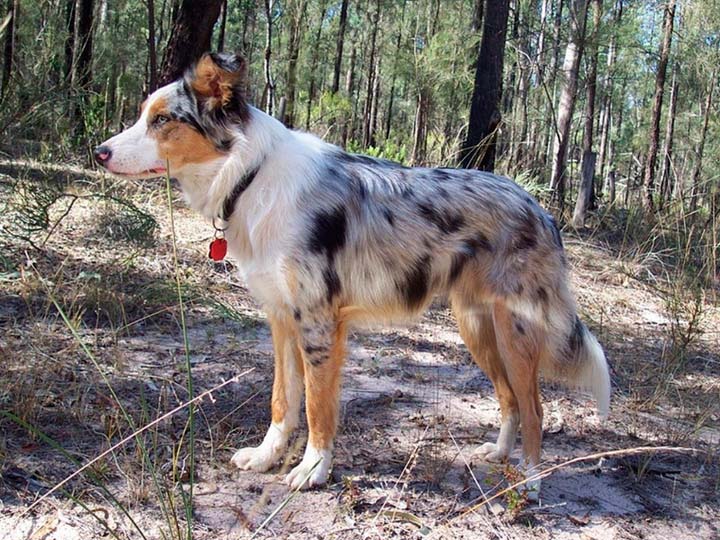
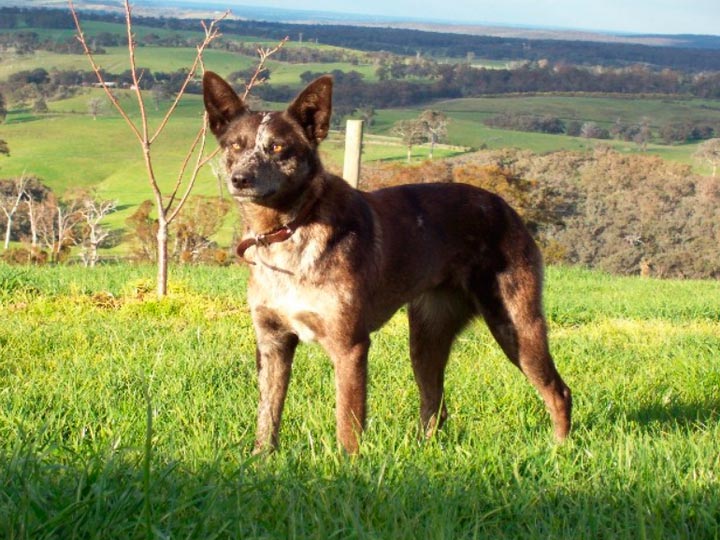
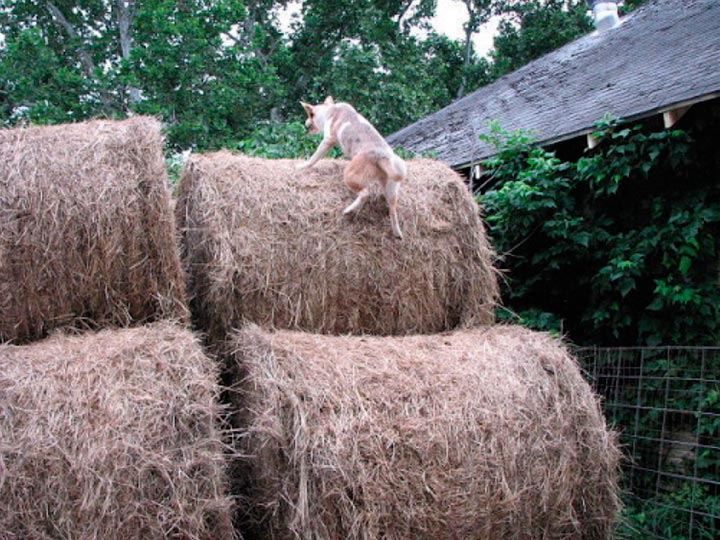
The Australian Koolie is a medium-sized dog with a muscular body, giving the impression of endless stamina. When moving, it is very lively, flexible, and agile.
The breed exhibits significant genetic diversity. This ensures robust health, but makes it impossible to standardize all dogs according to phenotype.
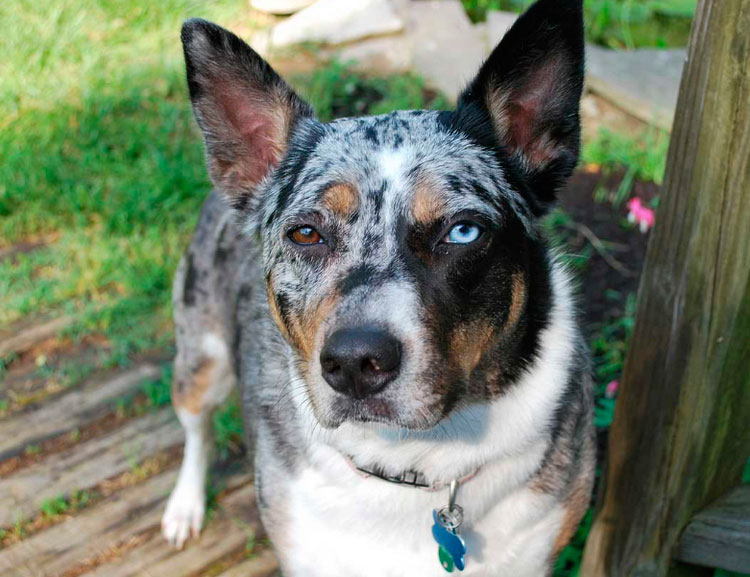
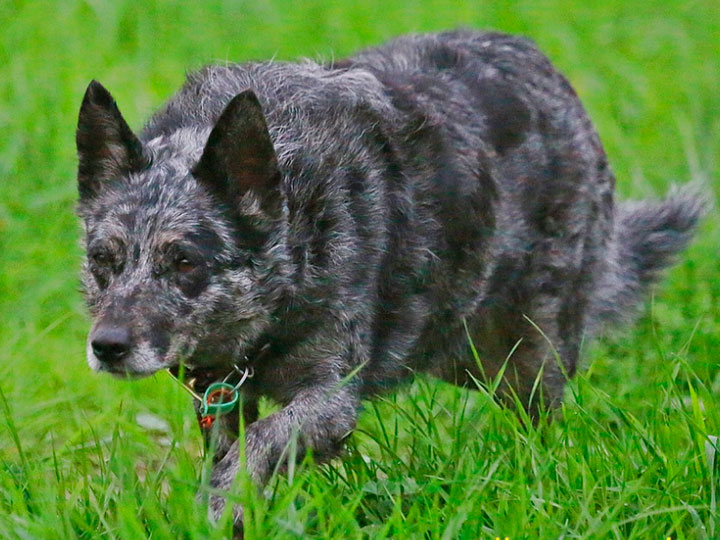
The head has a slightly rounded or flat skull, wide between the erect ears. The muzzle is of moderate length. The teeth are healthy and strong, with a scissor bite. The eyes are oval, medium in size, and set wide apart. The neck is fairly long, slightly arched, and blends smoothly into the shoulders.
The body is moderately elongated with a deep chest. The forelimbs are muscular and set parallel. The hindquarters are very muscular, with strong, well-defined thighs. The tail is bushy or smooth, reaching no higher than the hock.
The Australian Club defines the breed not so much by external characteristics, but based on working qualities.
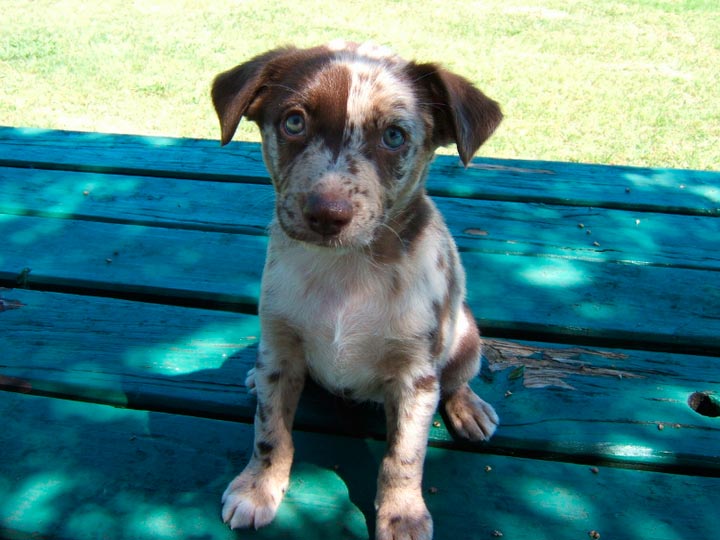
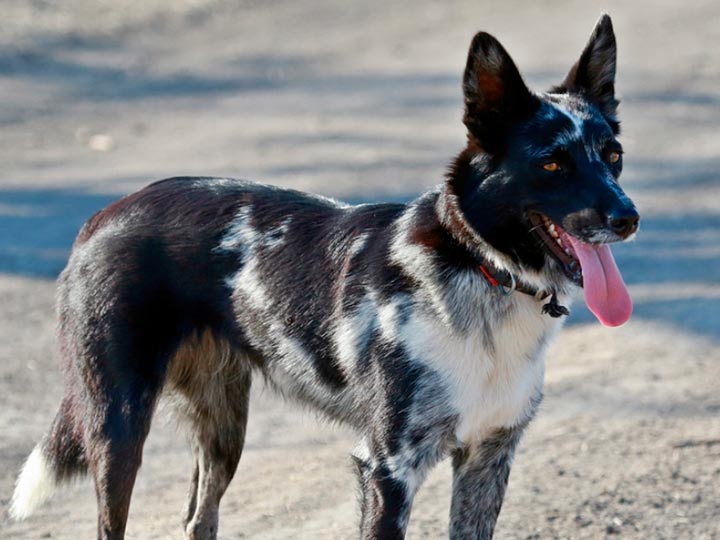
The coat can be short, long, or medium length, but smooth-coated dogs are preferred. The amount of undercoat depends on climate conditions. Base colors: black, brown, and merle with any of these.
Character and behavior
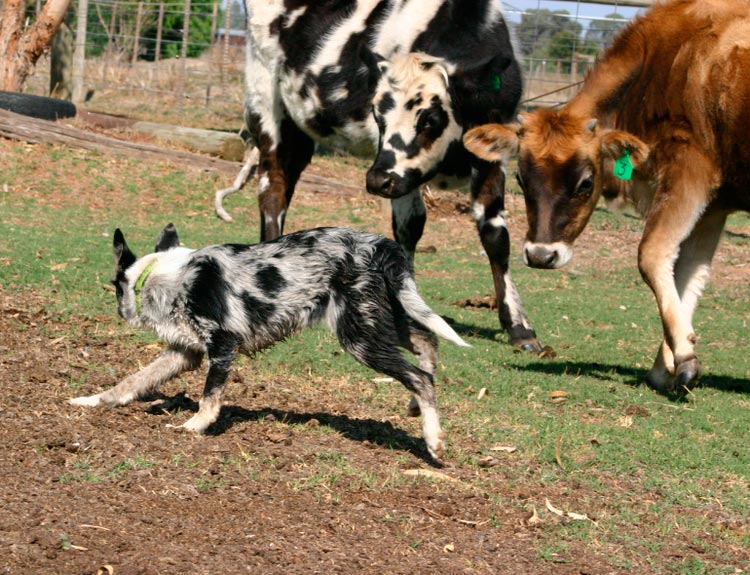
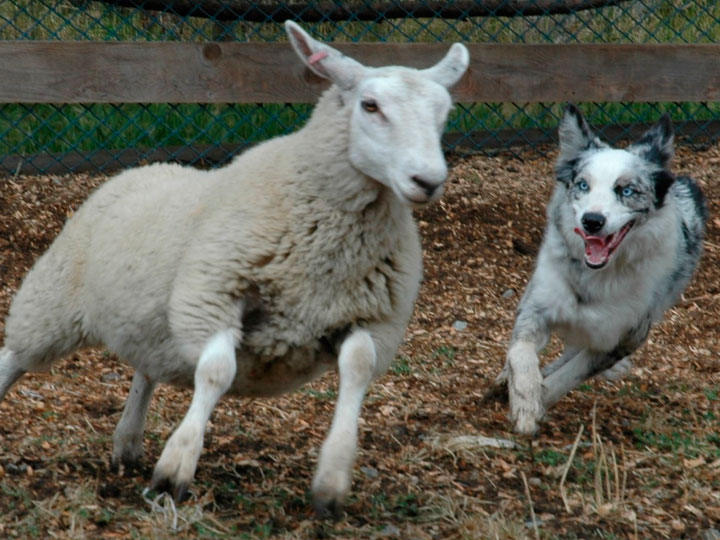
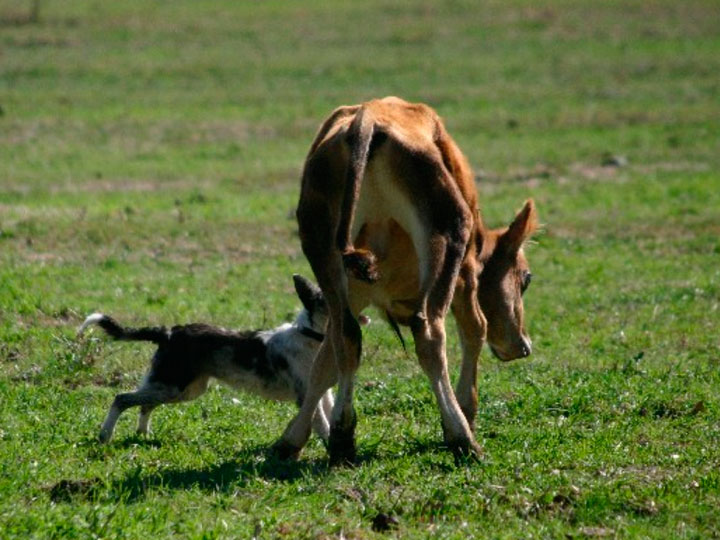
Australian Koolies have a natural herding instinct. Unlike many other herding dogs, they are quiet. They are assertive but careful. These qualities make them suitable for work that requires caution: with young animals, in confined spaces, and for dividing flocks into groups.
Herding dogs are distinguished by their friendly, attentive, and sociable nature. They are never overly aggressive and generally do not bark at strangers. They are loyal and devoted to their families. With proper socialization, they get along well with children. They are renowned for their intelligence and herding instinct. They are extremely attentive and respond quickly and readily to training. They are relatively adaptable to various situations and are self-assured.
Australian Koolies are versatile dogs with a natural ability to gather others together quietly and confidently, using their agility, speed and strength when needed.
Maintenance and care
Kulis are hardy, strong, very energetic, and easy-to-care-for dogs. They are not ideal for apartment living, as it would be difficult to provide them with sufficient physical and mental stimulation. Ideal living and working conditions would be on a farm. They do not require any special care.
Australian (German) Koolie dogs should be considered, first and foremost, as functional working dogs, well suited to life and work on a farm.
Health and life expectancy
While Koolie dogs are indeed very healthy and have excellent immunity, they are not among the healthiest dogs on the planet and can suffer from hereditary diseases, the incidence of which varies depending on the breeder's line and qualifications:
- hip dysplasia;
- Collie eye anomaly;
- epilepsy;
- progressive retinal atrophy;
- elbow dysplasia;
- osteochondritis dissecans;
- retinopathy.
When mating two merle dogs, there is a high risk of producing blind and/or deaf puppies. Furthermore, Australian Working Coolies can suffer from any other infectious or non-infectious diseases. They require timely vaccinations and deworming. Life expectancy is 14-18 years.
Where to buy a Koolie puppy, price
Most of the breed's representatives and breeders are located in Australia, but since 2000, more and more Koolie dogs have been exported to other countries. In 2002, the first dogs were exported to the United States. Since 2008, they have been exported to New Zealand and India, and since 2011, to Switzerland and other European countries. They are easily found and purchased in Russia. Australian Kelpie or a puppy healer, but there is no data on the kuli nurseries.
The price of Koolie puppies in Australia varies widely, depending on the value of the parents and their working qualities. In the US, Koolie puppies are considered a sporting breed, and the average price for a Koolie puppy is $700 or more.
Photos and videos
You can see more photos of Australian Coolie dogs in the gallery.
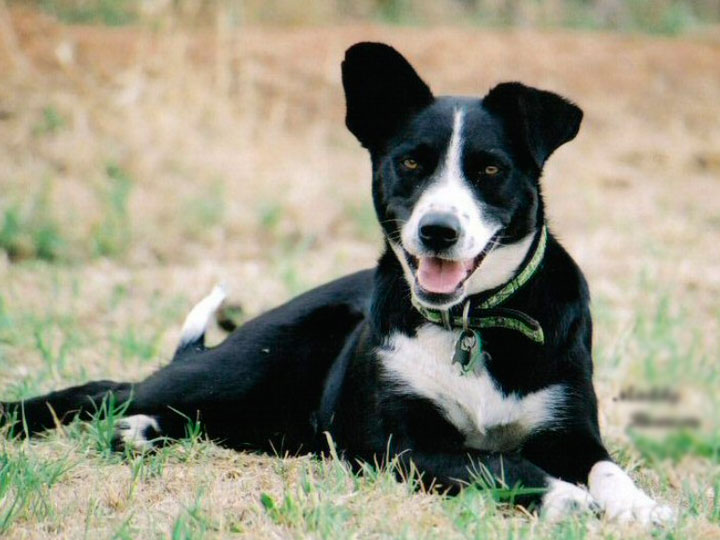
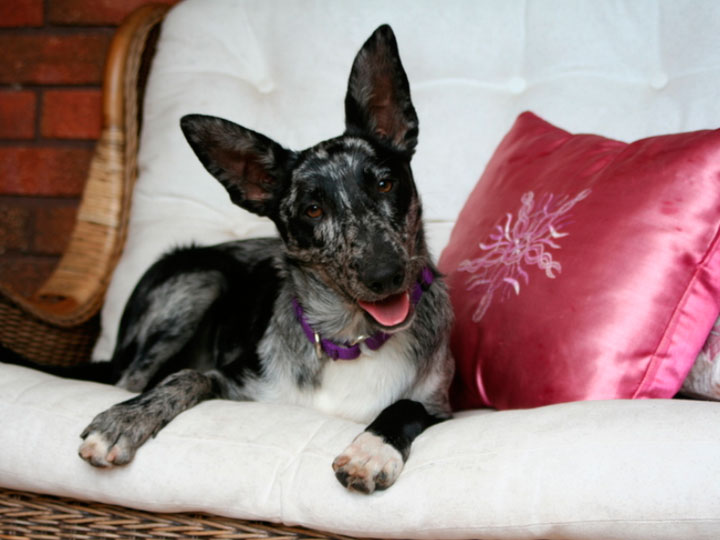
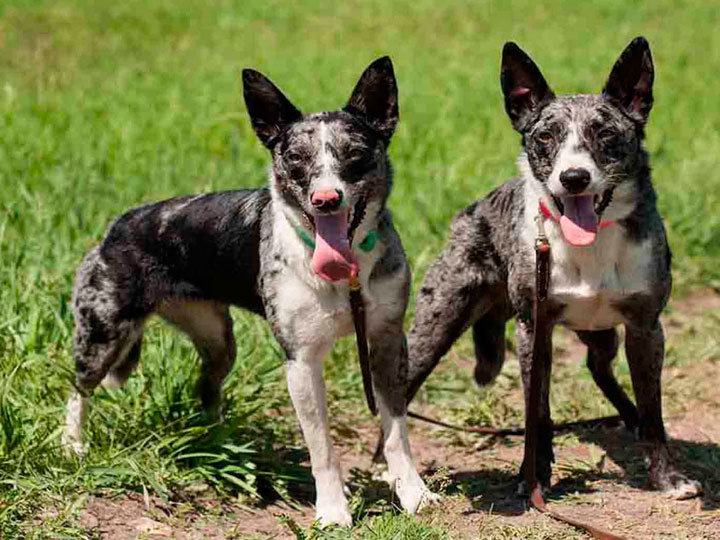
Video about the Australian Koolie breed
The video shows a coolie working with a flock of sheep. The video is slightly sped up, but this doesn't detract from the speed, agility, and efficiency of these sheepherders.
Read also:


Add a comment