
Avitaminosis in dogs: symptoms and treatment
Heterotrophic organisms are those incapable of synthesizing organic matter by oxidizing inorganic compounds or through photosynthesis. All warm-blooded animals are heterotrophs, and vitamins—biological substances of diverse chemical natures—are essential for their normal functioning. A deficiency in these substances causes hypovitaminosis (avitaminosis), a series of organ and system dysfunctions. In this article, we will discuss the factors that contribute to the development of avitaminosis in dogs, its manifestations, and treatment.

Content
Causes and signs of vitamin deficiency in dogs
Dogs get most of their vitamins from their food. A deficiency of these nutrients can cause:
- Improper nutrition or poor quality food, if the food you feed your dog does not contain the required amount of vitamins or if they are not sufficiently absorbed by the animal's body.
- Digestive problems. Certain diseases or conditions that affect a dog's digestive system can interfere with the normal absorption of ingested vitamins.
- Insufficient food intake. If a dog isn't eating the required amount of food (for example, if it's on a strict diet), this can also lead to vitamin deficiencies.

Symptoms of vitamin deficiency in dogs may include the following:
- general weakness, rapid fatigue;
- growth and developmental delay;
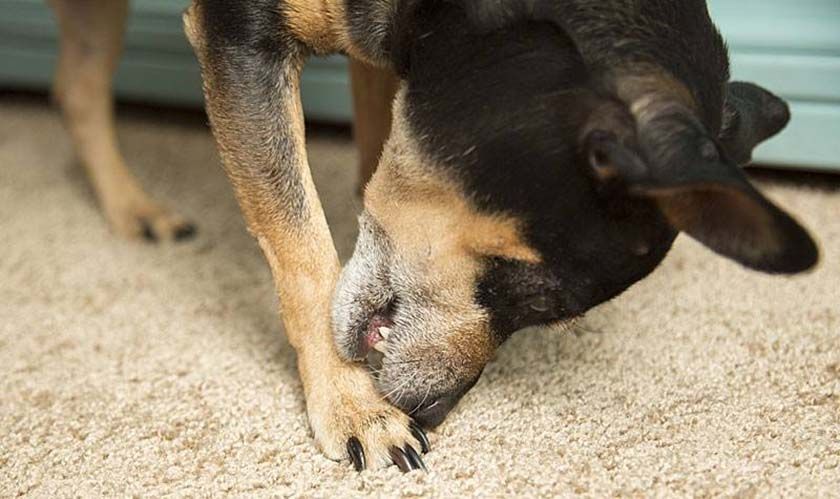
- loss of appetite, desire to eat unusual objects (picular disorders);
- poor coat condition;
- skin problems (itching, inflammation, rashes);
- frequent occurrence of infectious diseases;
- disorders of the nervous system;
- digestive problems such as diarrhea or constipation;
- problems with teeth and gums;
- deterioration of vision;
- problems with the reproductive system (inability of bitches to become pregnant or poor milk production).
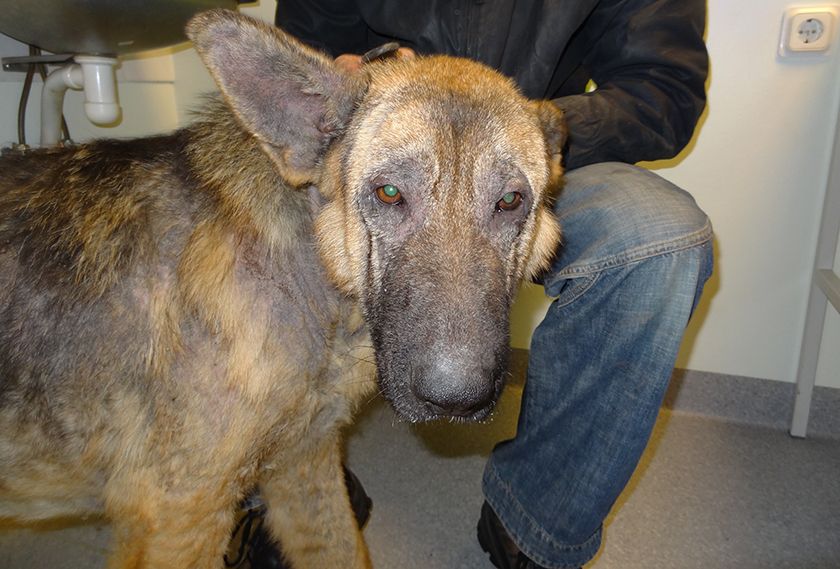
The photo below shows an example of how vitamin deficiency manifests itself in dogs: dry, dull fur, localized baldness (alopecia areata), inflamed gums, and an uninterested look.
Diagnosis of hypovitaminosis in dogs
If you suspect your dog has a vitamin deficiency, you should consult a veterinarian. Diagnosis of hypovitaminosis should only be performed and interpreted by a qualified veterinarian. It is based on clinical signs and laboratory results.
Avitaminosis in dogs manifests itself with various symptoms depending on the vitamin deficient. For example, vitamin A deficiency can cause skin and vision problems, vitamin D deficiency can cause bone and dental problems, and vitamin C deficiency can cause immune system problems.
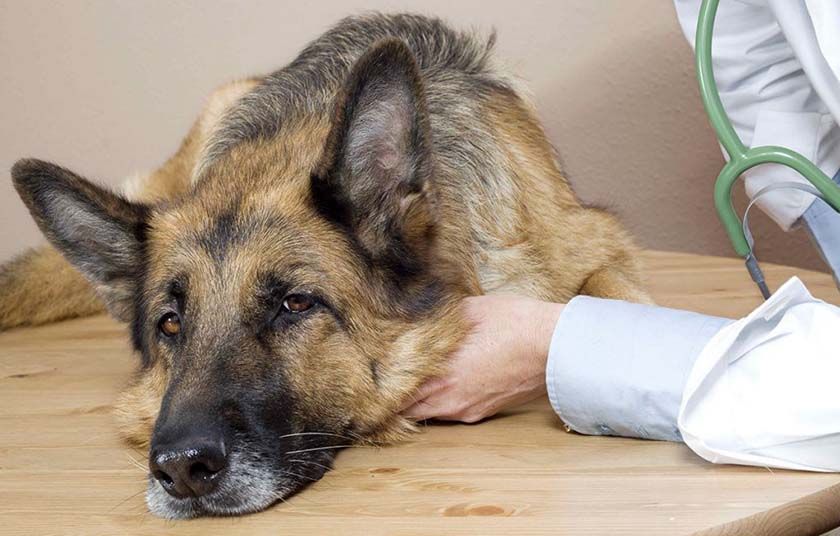
To determine the amount of vitamins in the body, the vet may take a blood sample from the dog and also analyze the animal's diet to determine whether it is getting enough of all the necessary vitamins.
What vitamins do dogs need?
These micronutrients play a key role in regulating numerous biochemical processes in a dog's body. Among the most essential for canines are:
- Vitamin C is a powerful antioxidant that helps strengthen the immune system, helping it fight infections more effectively, and stimulates the production of collagen, which is essential for building skin cells.
- Vitamin E. An antioxidant, it helps protect cells from free radical damage, which helps maintain heart and muscle health in dogs.
- Vitamin D. Necessary for the formation of bones and teeth, ensures the effective absorption of calcium and phosphorus by the body.
- Vitamin A. Necessary for the construction and renewal of cells, important for maintaining healthy skin and good vision.
- B-complex vitamins. These include riboflavin, thiamine, niacin, pantothenic acid, biotin, folic acid, and cobalamin. They play a vital role in all types of metabolism, helping dogs properly digest proteins, fats, and carbohydrates from food, and promoting healthy brain, nervous, and cardiovascular function.
What foods contain the vitamins dogs need?
The most important vitamins for dogs are found in many foods approved for the canine family:
- Vitamin A is found in carrots, sweet potatoes, pumpkin, squash, liver and beef.
- Vitamin D is found in egg yolk, cod liver, fatty fish (salmon, mackerel, tuna, trout).
- Vitamin E is found in liver (beef and lamb), egg yolk, nuts, and cereal oils.
- Vitamin C is found in all fresh fruits, berries, and vegetables such as broccoli, spinach, and cabbage.
- B vitamins are found in meat (chicken, beef, turkey), grains (rice, buckwheat, oats, barley, wheat), legumes, chicken and beef liver, offal, eggs, fish, and dairy products.
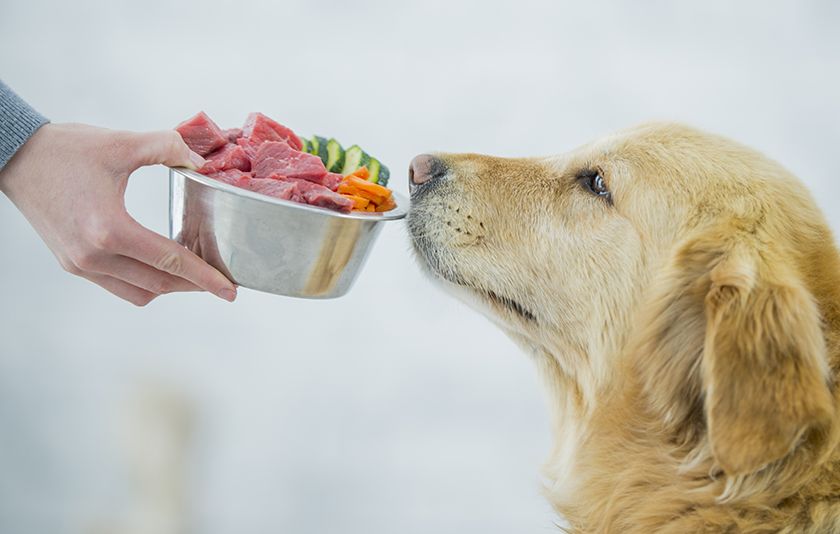
Many dogs enjoy fresh berries, fruits, and vegetables. But if your pet doesn't like eating these foods on their own, you can mix them into porridge, soup, or, for meat-eaters, into meat.
Popular dog foods and vitamin supplements
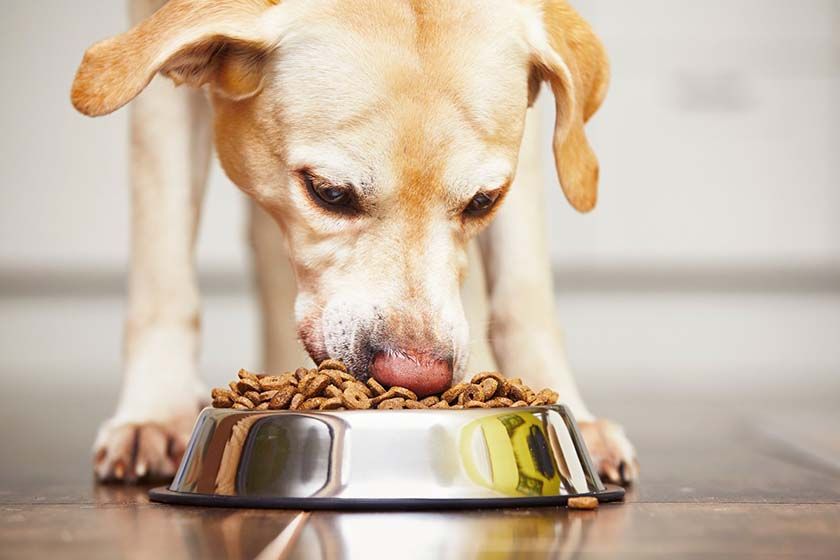
If your dog eats commercial dry or wet food, it's best to buy premium or super-premium foods. These will prevent vitamin deficiencies, as they contain all the necessary proteins, fats, carbohydrates, and vitamins in the right amounts. Here are several brands of commercial food popular among breeders and dog owners.
Brit Premium
Complete premium dry food that provides all the necessary nutrients, vitamins, and minerals.
Acana>
A balanced, high-protein dry food made with chicken, eggs, fresh fish, vegetables, and fruits. Super premium class.
Royal Canin
Low-grain, super-premium dry food based on beef.
Savory, Optimal
Complete dry food of super-premium class based on turkey or duck meat.
Home Food
Croquettes with fish, rice and vegetables, super-premium class.
Taste of the Wild
Complete, grain-free dry food formula with salmon or lamb, super-premium class.
Vitamin supplements
To prevent vitamin deficiency in dogs fed natural food, special vitamin supplements should be added to the pet's diet.
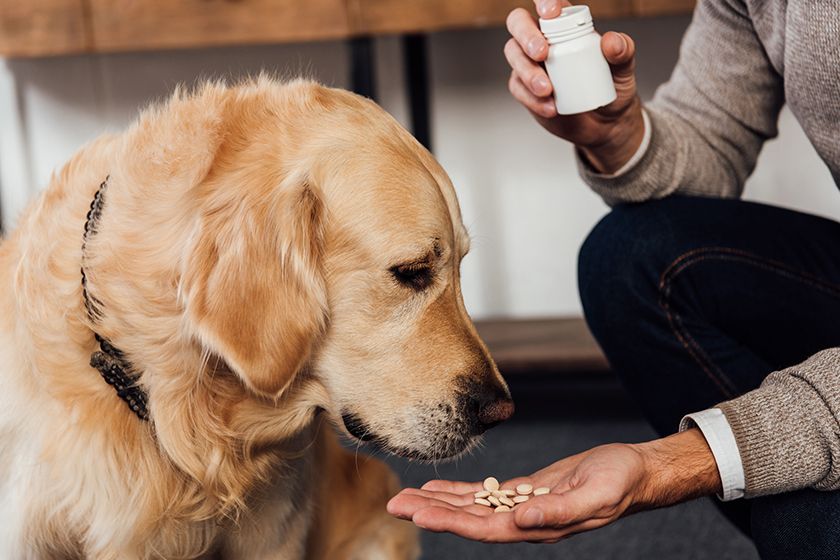
Veterinary nutritionists recommend:
- Vitamin blend "Mix Natural." This is a dietary supplement made from dried and ground beef by-products (tripe, udder, lungs, heart, liver).
- Excel Multi-Vit-Puppy. Multivitamins for puppies that support healthy bone and dental development, maintain healthy skin and coat, and boost immunity.
- Multivitamin Complex. A dietary supplement containing vitamins E, C, and seven B vitamins, sprouted wheat flour, clover extract, and egg white.
- Canina "V25" is a complex containing 12 vitamins and amino acids. It promotes the proper development of all dog body systems, stimulates protein and lipid metabolism, and has a positive effect on hematopoiesis.
- Excel Multi-Vitamin Adult Dog. A multivitamin supplement for dogs of all ages and breeds, designed for use with a natural diet.
- Unicum PREMIUM. A dietary supplement with vitamin B7 (biotin). Ensures healthy skin and coat, especially recommended for dogs preparing for shows.
In addition to vitamin supplements, dogs fed home-cooked food are recommended to be given Omega-3 fatty acids and supplements containing glucosamine and chondroitin.
Omega-3s are beneficial for the health of dogs' skin, coat, heart, and joints. They have antioxidant properties and help support a healthy immune system. They are available in capsule or liquid supplement form. One such product is OMEGA 369 Premium, which contains eicosapentaenoic acid (EPA), docosahexaenoic acid (DHA), hemp seed oil, marine fish oil, and evening primrose oil.
Glucosamine and chondroitin are essential for maintaining musculoskeletal health. They help strengthen joints, maintain their elasticity, and can help reduce inflammation and joint pain. The popular Chondroitin MSM complex contains glycosaminoglycans, chondroitin sulfate, and hyaluronic acid.
Read also:


Add a comment