
Avitaminosis in cats: signs and treatment
Vitamins are organic substances with bioactive properties. They have no nutritional value, but in microdoses they are vital for the functioning of heterotrophic organisms, which are unable to obtain organic matter through photosynthesis or chemosynthesis. Vitamins are involved in metabolic processes, maintain healthy bones, skin, and fur, ensure the normal functioning of the central nervous system and internal organs, and strengthen the immune system. A disease caused by a deficiency of these substances in the body is called avitaminosis. Cats are not predisposed to avitaminosis; it can occur at any age and in any breed.
Content
The role of individual vitamins in the body
There are approximately 20 known types of vitamins. Water-soluble vitamins are excreted fairly quickly in urine, while fat-soluble vitamins are stored for a relatively long time in the liver parenchyma and adipocytes—fat cells.
Each vitamin in the body performs its own functions:
- A (retinol). Responsible for visual and reproductive functions, and participates in metabolic processes.
- E (tocopherol). Provides tissue oxygen, protects cells from the oxidizing effects of free radicals, and prevents cellular oxidation processes.
- D (calciferol). Regulates calcium-phosphorus metabolism, meaning it plays a direct role in the formation of teeth and bones.
- C (ascorbic acid). The main antioxidant among vitamins, it helps increase the body's resistance to disease. It ensures the strength and elasticity of large and small blood vessels.
- K (phylloquinone). Participates in the synthesis of thrombin, the main component of the blood coagulation system, and is also important for bone mineralization.
- B1 (thiamine). Participates in carbohydrate metabolism and is necessary for the functioning of internal organs and the peripheral and central nervous systems.
- B2 (riboflavin). One of the most important micronutrients, regulating tissue growth and regeneration processes.
- B3 or PP (nicotinic acid, niacin). Participates in the breakdown of fats and carbohydrates. Niacin deficiency in cats impairs the function of the stomach, liver, and pancreas.
- B4 (choline). Participates in catabolism and anabolism – the processes of protein, fat, and carbohydrate metabolism.
- B5 (pantothenic acid). Plays a vital role in the release of energy from nutrients, as well as in the construction of cells in all types of tissue, including nerve fibers.
- B6 (pyridoxine). Necessary for optimizing glycogenolysis—the enzymatic breakdown of polysaccharides that occurs in the liver and skeletal muscles.
- B7 (biotin). Necessary for the biosynthesis of vitamins B9 and B12 and fatty acids, and is involved in protein metabolism.
- B9 (folacin, folic acid). Participates in the synthesis of DNA and RNA—nucleic acids responsible for encoding and storing genetic information. It is essential for the development of primary neural tissue in the fetus during fetal development; in adults, it regulates lipid and glycide (carbohydrate) metabolism.
- B12 (cyanocobalamin). The only vitamin that contains the mineral cobalt. It is essential for normal amino acid metabolism and, by participating in red blood cell formation, prevents the development of anemia.
Symptoms of vitamin deficiency in cats
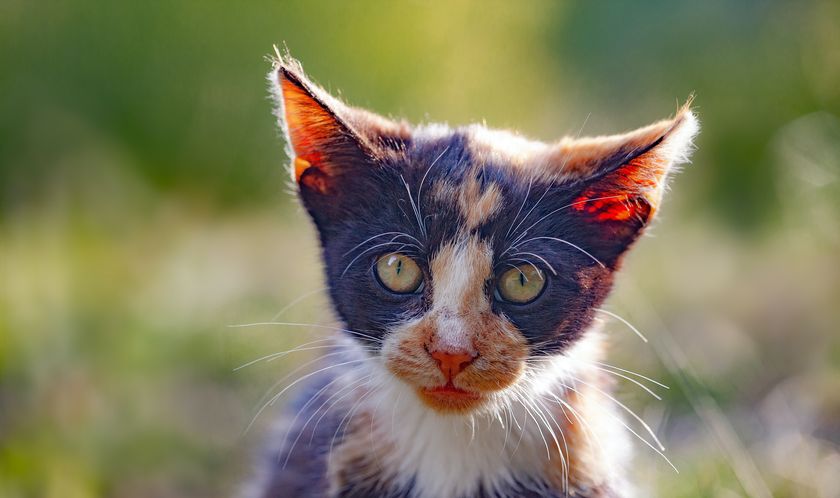
The danger of developing vitamin deficiency lies in its latent initial stage. If the vitamin deficiency is minor or has developed recently (this condition is called hypovitaminosis), the cat appears quite healthy. External signs of total (true) vitamin deficiency usually appear with prolonged and significant nutrient deficiency. Severe vitamin deficiency in cats is clearly visible in the photo below – it is characterized by dull skin and fur, and alopecia (partial baldness).
In addition to the general signs, there are characteristic symptoms of deficiency of each vitamin.
- Insufficient vitamin C can lead to weakened immunity, swollen joints, gum inflammation, and loose teeth.
- If your cat doesn't get enough vitamin D, it can cause problems with the skeletal system (kittens develop rickets).
- With a lack of chilophinone (vitamin K), the blood coagulation rate decreases, and due to poor blood clotting, even a small wound becomes dangerous.
- Insufficient B vitamins can lead to decreased hemoglobin levels, metabolic disorders, and nervous disorders. Cats become apathetic, eat poorly, experience digestive problems, and lose weight.
- A significant deficiency of vitamin A in cats causes vision problems, and in kittens, vitamin deficiency causes growth retardation and nervous disorders.
Causes of vitamin deficiency in cats
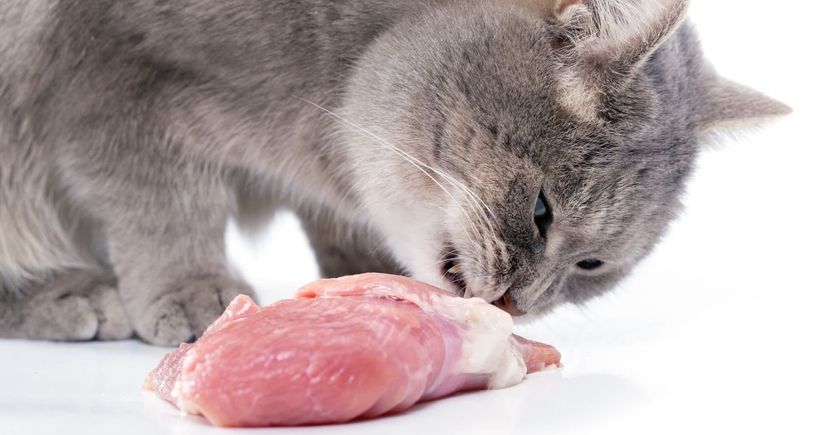
According to statistics, in three out of four cases, vitamin deficiency is caused by an unbalanced diet. Micronutrient deficiencies are caused by feeding budget-class commercial pet foods or home-cooked meals that are predominantly meat or fish, but largely lacking dairy products, grains, vegetables, and greens.
The following can also cause manifestations of vitamin deficiency in cats:
- Gastrointestinal disorders (ulcers, gastritis, colitis), which reduce and slow down the absorption of vitamins.
- Parasitic diseases. Helminths consume a significant portion of the nutrients ingested by animals, and blood-sucking parasites can also cause deficiencies of certain nutrients.
- Sometimes vitamin deficiency develops with endocrine or oncological diseases.
- Since vitamin D is synthesized in the body under the influence of ultraviolet radiation, deficiency of this vitamin most often develops in “indoor” cats that do not go outside.
Diagnosis and treatment
If you notice signs of vitamin deficiency in your cat, don't try to prescribe vitamins yourself; consult a veterinarian. The vet will examine your cat, analyze any obvious symptoms (if any), and ask you about your pet's diet, eating habits, and overall health.
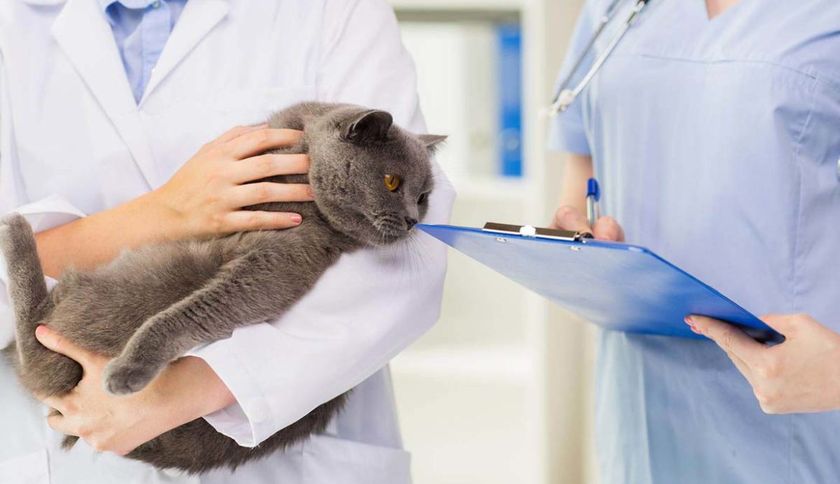
To confirm the diagnosis, a comprehensive blood test to measure levels of water-soluble and fat-soluble vitamins may be necessary. This will help determine the specific micronutrient deficiency.
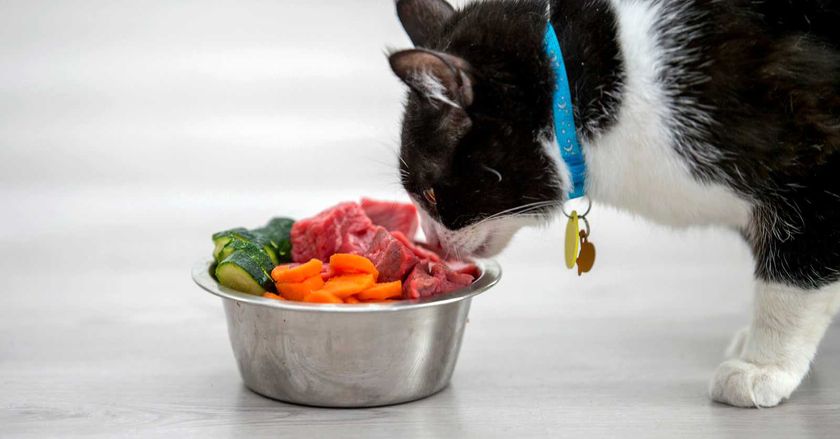
Treatment for vitamin deficiency in cats begins with dietary adjustments. This should include foods containing the vitamins your pet is deficient in.
List of foods that cats can eat and the vitamins they contain:
- Retinol – liver, raw meat, egg yolk, fish oil.
- Ascorbic acid – greens, carrots, pumpkin, rosehip decoction.
- Calciferol - fish (sea), raw meat, eggs, dairy products.
- Tocopherol – sprouted grains, fish oil.
- Phylloquinone – cottage cheese, greens, cabbage, vegetable oil.
- B vitamins – meat and bone meal, liver, kidneys, brewer's yeast, vegetables, fermented milk products.
The amount of vitamins supplied to the body through food is not always sufficient. In cases of severe deficiency of these micronutrients, veterinarians recommend vitamin supplements for cats, which are available at veterinary pharmacies in the form of tablets, drops, and lozenges.
These medications are also available as injections. The dosage and duration of treatment depend on the severity of the deficiency and are determined by a doctor.
Prevention of vitamin deficiency in cats
Proper nutrition is the primary way to prevent vitamin deficiency. Veterinarians recommend paying special attention to the nutrition of pregnant and nursing cats, as they lose more magnesium, calcium, phosphorus, and amino acids than usual.
Effective measures to prevent infectious and parasitic diseases include timely vaccination, regular (at least once every six months) use of anthelmintic drugs, and treatment of pets with repellent preparations that protect against blood-sucking parasites.
Read also:


Add a comment