
Aciloc for dogs
Aciloc is an antiulcer medication that works by reducing gastric acid secretion. In dogs, Aciloc is used as part of the comprehensive treatment of ulcers and other gastrointestinal diseases as an effective anti-inflammatory and healing agent. It also activates the digestive process by promoting the movement of food through the gastrointestinal tract.
Content
Composition and action
The active ingredient in Aciloc is the H2-histamine receptor blocker ranitidine. It reduces the production of hydrochloric acid and the proteolytic enzyme pepsin in the stomach, resulting in an increased pH of gastric juice and a reduced irritant effect on the gastrointestinal mucosa. This relieves pain, stimulates mucosal regeneration, and improves intestinal motility.
Ranitidine reaches its peak activity within 1-2 hours, and its bioavailability (the amount of substance absorbed) is approximately 50%. Aciloc is metabolized primarily in the liver, with metabolic products excreted by the kidneys.
Release forms
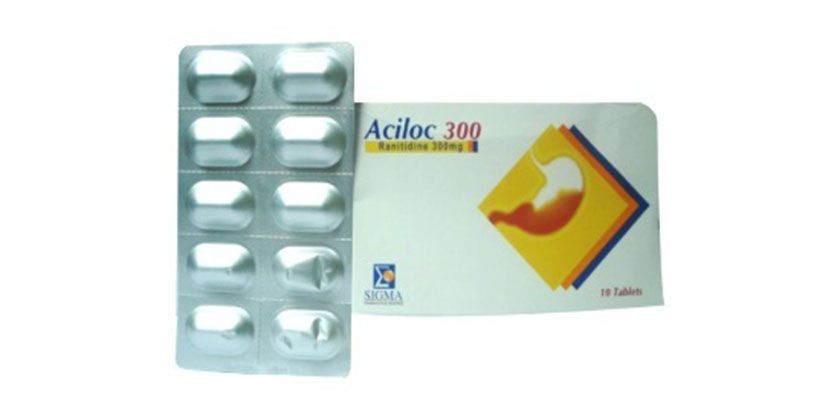
Aciloc is available as tablets (regular and soluble) and injection solutions. Tablets are available with the active ingredient (ranitidine hydrochloride) in strengths of 75, 150, and 300 mg and are packaged in 10-tablet packs in plastic or aluminum blisters. Excipients include fillers and stabilizers such as colloidal silicon dioxide (Aerosil), magnesium stearate, sodium auryl sulfate, and starch.
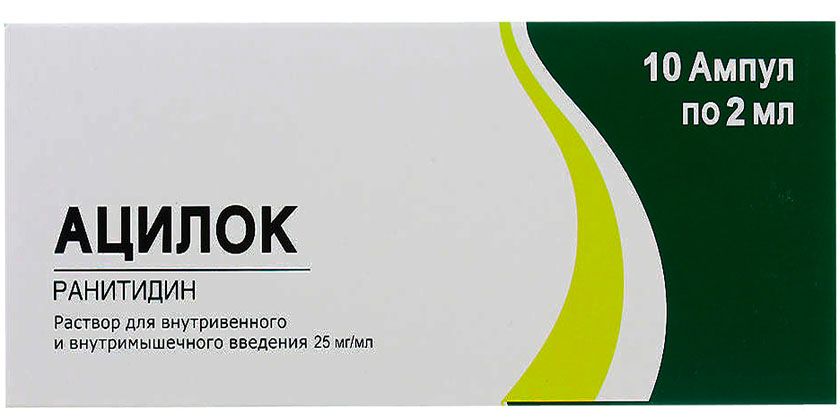
The solution for intravenous and intramuscular injections is available in 2 ml ampoules, packaged in boxes of 5. Each ampoule contains 25 mg of the active ingredient (as ranitidine). The excipients include potassium dihydrogen phosphate and sodium hydrogen phosphate emulsifiers, phenol as a stabilizer, and distilled water as a solvent. A package of 10 2 ml ampoules of Aciloc costs between 220 and 270 rubles.
Indications, contraindications
According to the instructions, Aciloc for dogs is used for:
- Inflammatory diseases of the gastrointestinal tract (peptic ulcer, anacid gastritis, Zollinger-Ellison syndrome).
- Reflux esophagitis (acid reflux disease) - inflammation of the esophageal mucosa, which develops as a result of food being thrown from the stomach into the esophagus due to dysfunction of the gastroesophageal sphincter.
Side effects are rare; they usually occur in cases of overdose. These may include diarrhea or vomiting, rapid breathing, muscle tremors, and weakness. Some animals may develop an allergic reaction, such as urticaria, rhinitis, or conjunctivitis.
After prolonged use of Aciloc, a so-called "rebound syndrome" may develop, when the stomach begins to produce more pepsin and hydrochloric acid than before treatment. A veterinarian can help detect and treat this syndrome.
Analogues
If giving Atsilok to a dog is undesirable due to intolerance to its components or contraindications, or if the drug is unavailable in pharmacies, your veterinarian may prescribe medications with a similar effect. Similar medications to Atsilok include:
- Ranisan. The active ingredient is ranitidine hydrochloride. Manufactured by MED.CS, Czech Republic.
- KvamatelThe active ingredient is famotidine. Manufactured by Gedeon Richter, Hungary.
- ZantacThe active ingredient is ranitidine hydrochloride. Manufactured by Glaxo Operations, UK.
- Omeprazole. Active ingredient: omeprazole. Manufactured by Farmak PJSC, Ukraine.
- Nexium. Active ingredient: esomeprazole. Manufactured by AstraZeneca, Sweden.
- Barol. Active ingredient: rabeprazole. Manufactured by Mega Lifesciences, Australia.
- Talcid. Active ingredient: hydrotalcite. Manufactured by Bayer, Germany.
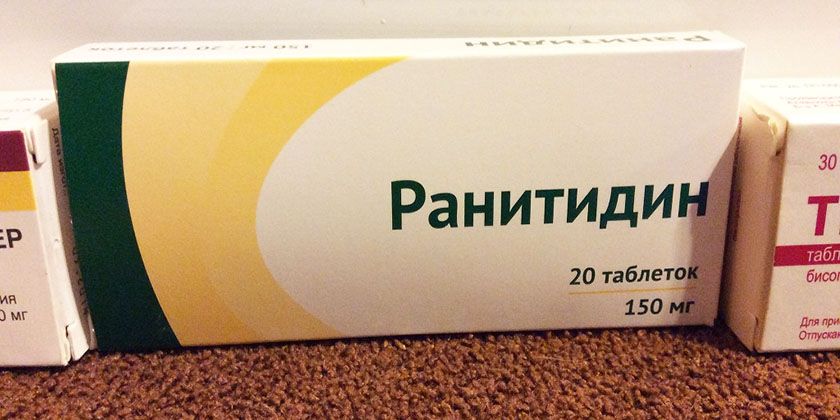
- Ranitidine. Active ingredient: ranitidine hydrochloride. Manufacturer: Zdorovie LLC, Ukraine.
Instructions for use
Aciloc is available for purchase in Moscow without a prescription, but it should not be given to dogs without a veterinary prescription, as the need for use and dosage can only be determined by a doctor, depending on the animal's weight, age, presence of concomitant diseases, and overall condition.
As part of the treatment of gastric or duodenal ulcers, Aciloc tablets are administered to small and medium-sized dogs twice daily at 150 mg; for large breeds, the single dose is doubled. Treatment is prolonged, lasting from 1 to 1.5 months. Treatment for Zollinger-Ellison syndrome involves administering the same single dose, but three times a day instead of twice. For the treatment of reflux esophagitis, dogs are given 300 mg once daily.
Tablets are given regardless of mealtime. They can be crushed and mixed into a treat or fed whole. To do this, press between the teeth, open the dog's mouth slightly, place the pill on the tongue, close to the base, and then gently stroke the dog's throat to induce the swallowing reflex.
When using Aciloc in ampoules for dogs, the drug is administered 2 times a day intramuscularly or intravenously.
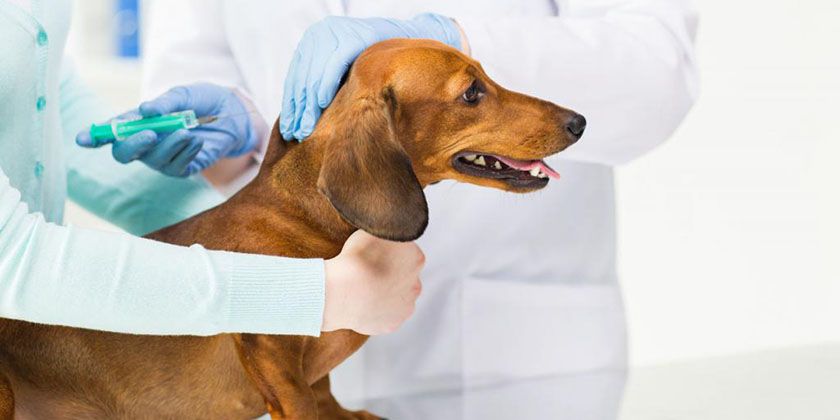
The dosage depends on the animal's body weight.
|
Dog weight |
Dose of the drug |
|
Up to 1 kg |
0.12 ml |
|
Up to 3 kg |
0.25 ml |
|
Up to 6 kg |
0.5 ml |
|
Up to 12 kg |
1 ml |
|
Up to 25 kg |
2 ml |
|
50 kg and more |
4 ml |
A professional should administer medications to a dog intravenously, but you can administer intramuscular injections yourself. To do this, you need:
- Open the ampoule.
- Open the syringe package, remove the protective cap from the needle and draw the required amount of medication into the syringe.
- Release air from the syringe by turning it upside down with the needle.
- The injection is usually given into the thigh muscle, the needle is inserted at an angle, to a depth of 1.5-3 cm, depending on whether the dog is a small or large breed.
After a course of treatment with Aciloc, the dog is usually prescribed a diet for several weeks. The diet should be low in fat and free of gluten, mono-, and disaccharides. This diet is easily digestible and does not cause unwanted fermentation in the intestines.
Read also:
- Stomach ulcer in a dog
- Can I give Suprastin to my dog? Dosage
- Food for dogs with sensitive digestion


Add a comment