
Atopic dermatitis in cats
Dermatitis is an inflammation of the skin caused by various factors. There are several forms of dermatitis, including neurodermatitis, an atopic form of the condition caused by a genetic predisposition to allergies (from the Greek "atopos" meaning "special"). This condition causes discomfort and suffering. Diagnosis and treatment of atopic dermatitis in cats require significant effort and an individualized approach to each patient.

Content
Causes of neurodermatitis in cats
The development of atopic dermatitis can be provoked by:
- Breed predisposition. Certain cat breeds, such as Siamese, Persian, and British Shorthairs, are more susceptible to this allergic disorder.
- Food allergies. Cats can be allergic to certain foods, such as beef, lamb, eggs, soy, wheat, and dairy products.
- Allergens in the environment: household dust, dust mites, flower pollen, mold, fungi, human and animal epithelium.
- Sensitive skin. Some cats may have a congenital hypersensitivity to certain shampoos or grooming products.
Symptoms of atopic dermatitis
Signs typical of neurodermatitis in cats include:
- Severe itching. The cat may scratch constantly, frequently licking or chewing certain areas of the skin. The scratching is especially noticeable on the face, belly, and paws.
- Redness and inflammation of the skin.
- Increased body temperature in the affected area.
- Peeling skin.
- Dull, unkempt-looking fur.
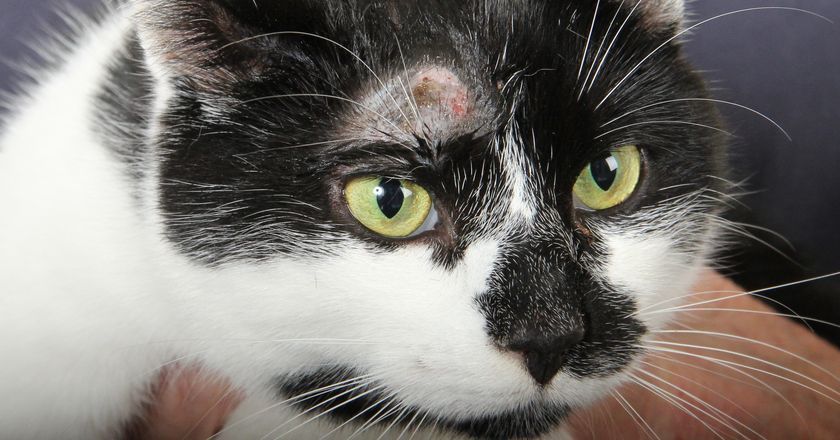
- The appearance of a rash (most often weeping eczema), small blisters or ulcers.
- Zonal alopecia. Alopecia areata is clearly visible in this photo of a cat with atopic dermatitis.
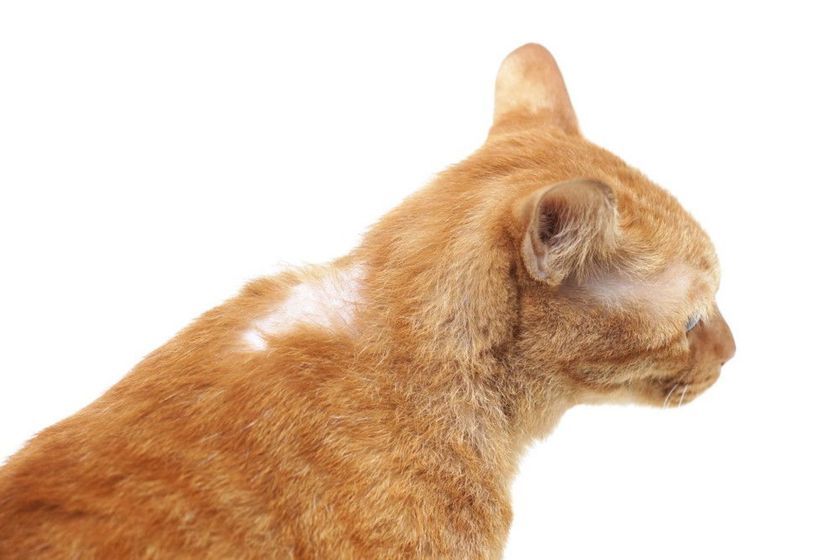
If your cat exhibits any of the symptoms described, it is recommended to consult a veterinarian for an accurate diagnosis and treatment.
Diagnostics
There is no universal method for instantly diagnosing atopic dermatitis in cats. This condition is diagnosed by differentiating it from other conditions, such as:
- flea allergic dermatitis;
- acariasis, notoedrosis, cheyletiellosis or demodicosis caused by Otodectos cynotis, Notoedres, Cheyletiellosis or Demodex mites;
- fungal disease dermatophytosis;
- psychogenic alopecia;
- autoimmune skin disease "pemphigus".
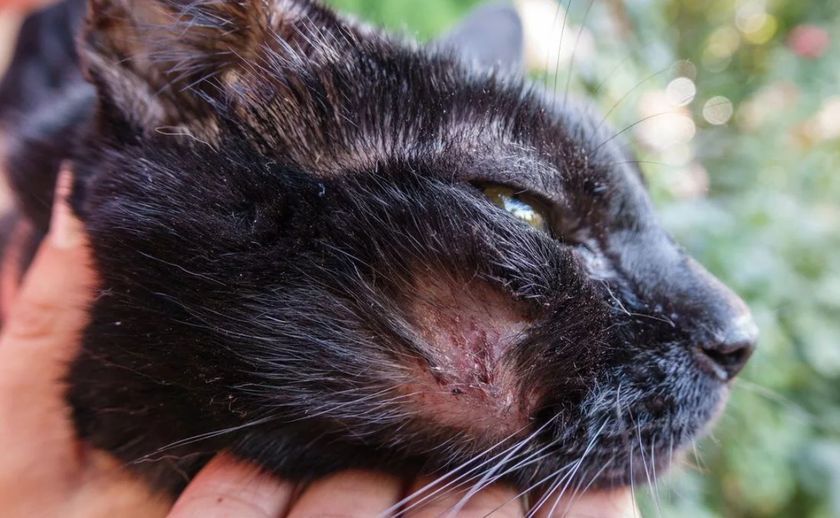
To diagnose a cat with atopic dermatitis, the following is used:
- History. The veterinarian will conduct a detailed discussion with the pet's owner to determine the cat's living conditions, food, recent illnesses, symptoms, their frequency and duration, and identify possible factors that may contribute to the development of allergies.
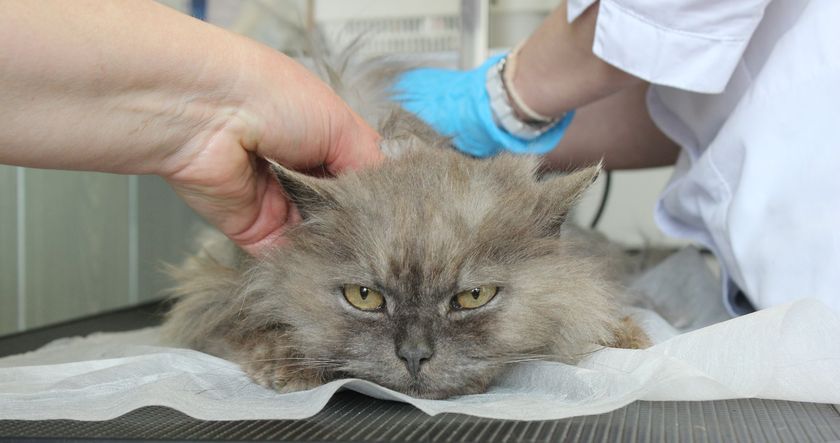
- Physical examination: Your vet will examine your cat's skin to look for signs typical of this particular condition.
- A specialist may recommend a dietary trial to rule out any food allergies. The diet will include foods that are not known to cause sensitization in cats.
If your veterinarian suspects your cat has allergic dermatitis, he or she may order additional diagnostic tests, such as:
- Allergy testing involves applying a small amount of potential allergens to the cat's skin. If a positive reaction (redness, rash) occurs to any substance, this indicates an allergy.
- Clinical and biochemical blood tests.
- Blood test for antiphospholipid antibodies (immunoblotting).
- Urine test for sensitization to protein allergens.
- Trichoscopy is a visual examination of the skin (performed using a special device, a dermatoscope microscope).
- PCR testing. This analysis allows for the detection of infectious disease pathogens even in minimal quantities.
- Serological tests that help detect the type of allergen.
- Scraping from affected areas of skin to test for the presence of mutant cells.
Treatment methods
Atopic dermatitis is a chronic condition and cannot be completely cured. However, with proper veterinary care and symptomatic therapy, your cat can lead a fairly comfortable life. Owners should be prepared for long-term and complex treatment, which may require considerable time to find the most effective methods.
The treatment regimen for neurodermatitis includes relieving discomforting symptoms and eliminating contact with potential allergens.
To reduce existing allergic reactions and prevent recurrence, you must first relieve your pet of inflammation, itching, and skin damage.
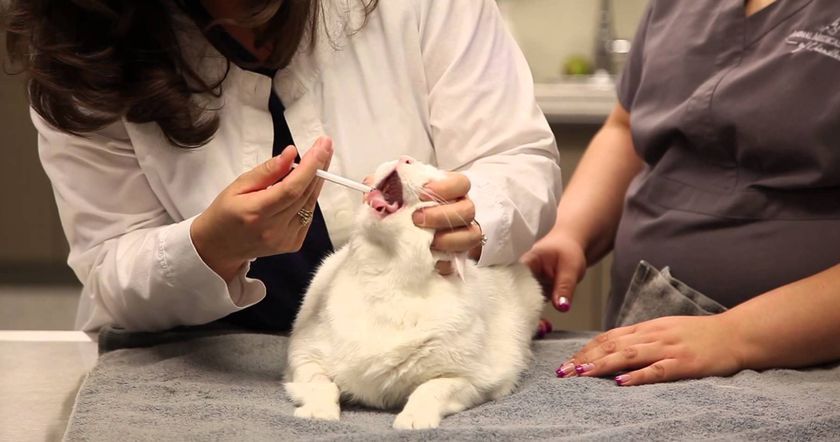
For this purpose, external remedies containing medicinal preparations are used at home:
- Antihistamines – Suprastin, Cetirizine, Loratadine, Fenistil.
- Anti-inflammatory – Onsior, Ainil, Glucortin.
- Antiseptics – Allergostop, Chlorhexidine Bigluconate Spray, Alusprey, Sanovet.
- Immunosuppressants – Katozal, Dufalight, Forvet, Evinton.
Steroid (hormonal) drugs for the treatment of atopic dermatitis in cats are prescribed as a last resort; due to possible side effects, their use should be reduced to the minimum possible frequency.
Topical treatments should be carried out strictly according to the instructions and schedule recommended by your veterinary dermatologist. Regular monitoring and discussion of the results with your veterinarian are essential.
The immunosuppressant Atopica (active ingredient: Cyclosporine, available in tablets and capsules) is effective for cats suffering from allergic skin diseases, is well tolerated and rarely causes side effects.
A diet for cats with atopic dermatitis is individually tailored. Veterinarians typically recommend foods containing ingredients that reduce skin sensitivity and act as antioxidants:
- fat-soluble pigment compounds carotenoids;
- tocopherol and ascorbic acid (vitamins E and C);
- polyunsaturated fatty acids Omega-3, 6;
- biotin (vitamin B7).
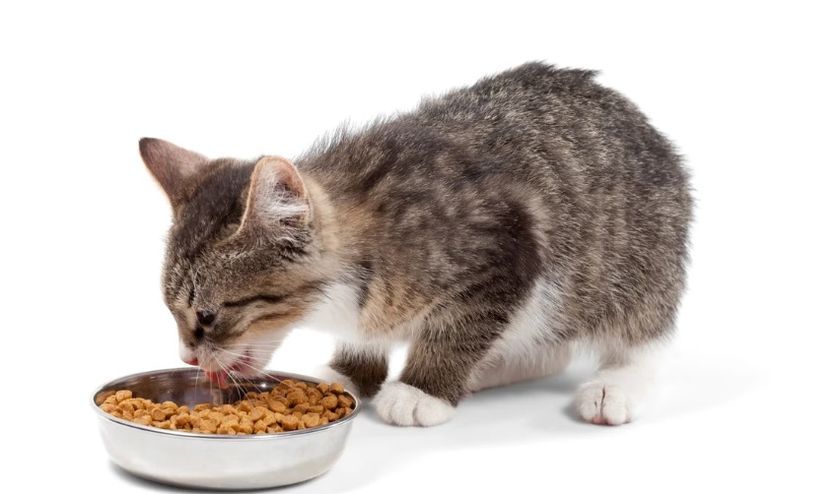
Ready-made therapeutic food for cats with allergies has earned good reviews from experts:
- Pro Plan Veterinary diets (manufacturer Purina, USA);
- Royal Canin Hypoallergenic (manufactured in France);
- Cat Chow Adult Sensitive (product of the American company Purina);
- Brit VDC Hypoallergenic (manufacturer: private company VAFO PRAHA, Czech Republic);
- Monge Cat Sensitive (country of origin: Italy);
- Farmina Vet Life Cat Ultra (product of the Italian company Farmina Pet Foods).
Prevention of atopic dermatitis in cats
To protect your cat from developing neurodermatitis, you must:
- Provide your pet with high-quality nutrition. A balanced diet with the right balance of nutrients, vitamins, and minerals will help maintain healthy skin and the immune system and reduce the risk of atopic dermatitis.
- Maintain good pet hygiene. Regular washing and brushing will help remove potential allergens, dust, and other irritants from your cat's skin and fur. However, be careful and use only shampoos and grooming products specifically designed for cats.
- Monitor your cat's environment. Atopic dermatitis is often caused by pollen. Minimize your cat's exposure to these substances.
- Clean your cat's living area frequently. Using air filters can also help reduce allergens in your home.
- Visit your veterinarian regularly. Examinations and consultations with a specialist will help promptly identify symptoms of allergic dermatitis in your cat.
- Keep your cat up-to-date on vaccinations and ectoparasite treatments. It's recommended to apply tick and flea drops to cats monthly, and anthelmintics quarterly.
- Avoid using strong perfumes if you have a pet with allergies.
- It is advisable to prevent your cat from wandering freely and from coming into contact with stray animals.
It's important to remember that atopic dermatitis is a complex condition, and it's impossible to completely prevent. However, with proper nutrition, hygiene, and environmental care, you can reduce the risk of developing this condition and ensure your cat's health.
Read also:


Add a comment