
Ataxia in dogs: what it is, symptoms, and treatment
Ataxia in dogs is a lack or impairment of coordination that is not an independent condition but develops as a consequence of other medical conditions. Most often, these symptoms are characteristic of damage to the brain, spinal cord, and vestibular structures of the inner ear. Therefore, the most important thing to understand about ataxia in dogs is that it is a sign of a serious neurological disorder that requires prompt diagnosis and prompt treatment to prevent more serious complications.

Content
Causes of the disorder
The causes of pathological disorders in dogs are divided into 2 types:
- congenital – caused by genetic characteristics and passed on by inheritance;
- acquired – appear as a symptom of various diseases.
Uncoordinated movements of the dog's limbs, body, and head may be a consequence of the following pathological disorders:
- Malignant and benign neoplasms that affect brain cells or nerve endings.
- Traumas with damage to the spinal cord and brain.
- Infectious diseases affecting brain tissue.
- Cerebrovascular lesions of the brain that occur due to a lack of oxygen and nutrition or as a result of arterial hypertension, hormonal imbalance, disruptions in the hemostasis system, etc.
- Inflammatory processes in the middle and inner parts of the ear, directly affecting the ability to maintain balance.
- Intoxication of the body with toxic substances, including waste products of parasitic worms, leading to the development of encephalopathy, which causes the destruction of brain cells.
- Ophthalmological diseases that are accompanied by deterioration of vision.
- Avitaminosis, a deficiency of microelements (primarily calcium) and glucose, which leads to deterioration of respiration and cellular nutrition, the development of muscle weakness and impaired brain function.
- Dehydration, in which muscle tissue lacks water and loses elasticity.
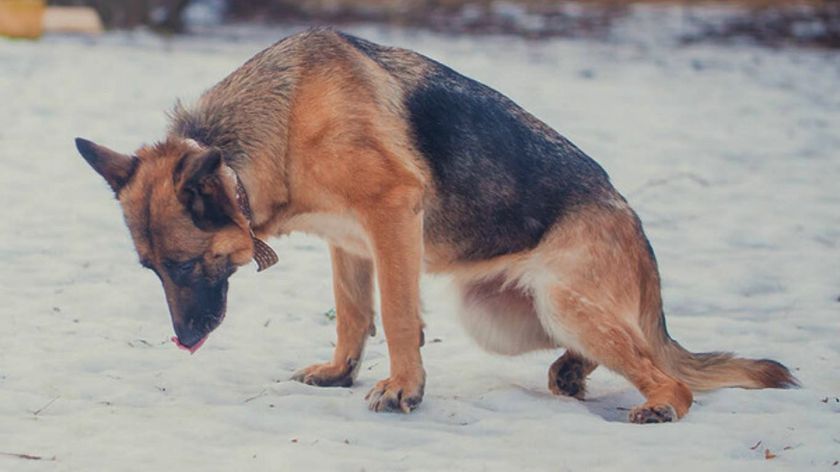
All these causes must be carefully analyzed, as when ataxia develops in dogs, the symptoms and treatment always depend on the underlying disease. Therefore, at the slightest suspicion, it is essential to immediately contact a veterinary clinic for a full examination. The sooner the cause is identified and treated, the lower the risk of complications and the more favorable the prognosis.
Types of ataxia
Depending on the location of the lesion, the pathology is divided into the following types:
- Cerebellar. The cerebellum controls motor coordination, balance, and muscle tone. Cerebellar ataxia in dogs can be static, when movement is impaired due to significant muscle loss, or dynamic, when coordination is completely lost.
- Vestibular. The animal cannot orient itself in space if the brainstem is damaged or the inner ear is inflamed. All surfaces are perceived as inclined, so movement occurs at an angle, often in a circle. The pet becomes lethargic, and vomits if the direction changes abruptly.
- Sensitive. If an animal cannot move normally due to joint immobility, spinal cord damage may be the cause. This is caused by cancer, inflammation, and other negative processes in the intervertebral discs.
- Frontal lobe. This type of disorder develops with damage to virtually any lobe of the brain (except the parietal lobe). It is characterized by an unsteady gait with a backward lean and the paws aligned.
- Sensory. This pathology is very rare and can be observed in cases of intoxication, spinal cord injury, or diffuse peripheral nerve disorders. It is characterized by loss of sensation in the extremities, which intensifies when closing the eyelids.
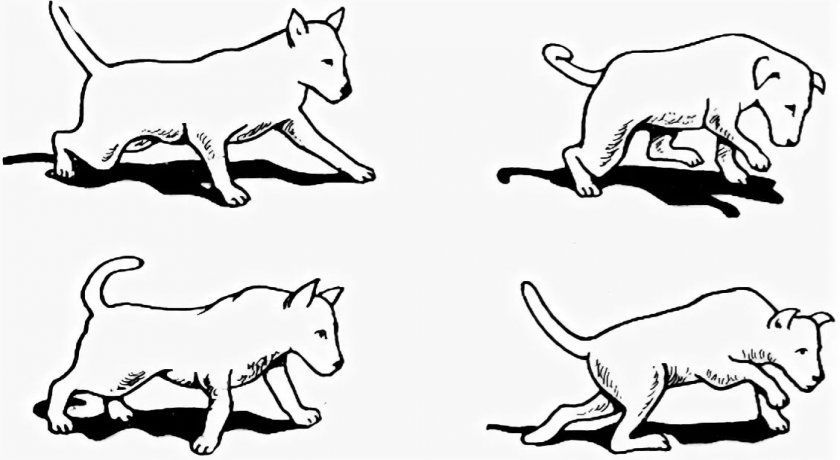
In addition to pathologies caused by neurological factors, a psychogenic syndrome can develop. An affected animal begins to move like a skater: its legs move in a gliding, crooked motion, crossing each other, and not bending at the joints.
It's important to understand that this disorder manifests itself in a highly individualized manner, with a varying set and intensity of symptoms in each individual case. The most negative manifestations are characteristic of the mixed form of the pathology, which develops alongside several other diseases simultaneously.
General symptoms
The most common sign of the pathology, regardless of the reasons for its development, is an incorrect, unsteady gait with impaired coordination.
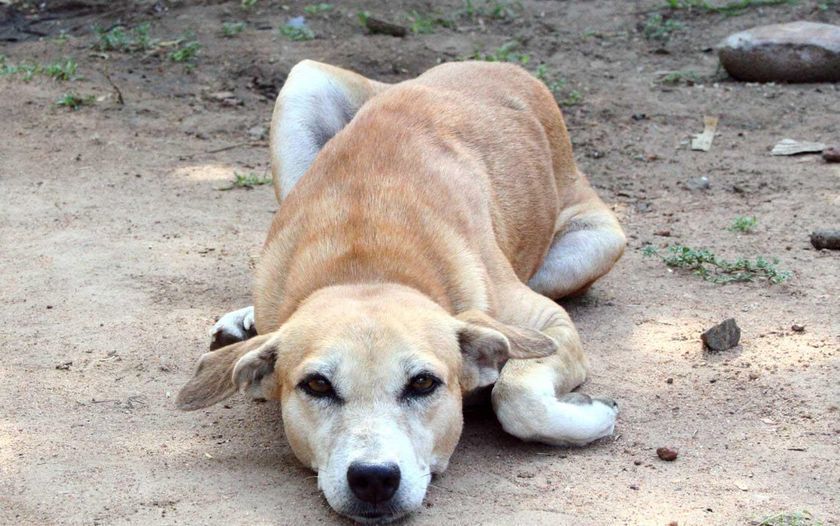
Other general symptoms also often appear:
- nausea, vomiting, loss of appetite;
- head tilt;
- worsening mood;
- loss of control of bodily functions, such as urinary incontinence;
- unnatural eye movement;
- incorrect positioning of paws;
- swaying, rocking, spinning.
With progressive ataxia in dogs, symptoms become significantly more severe and may increase in number. The pet begins to act as if drunk: falling, shaking its head, unable to change direction, and bumping into even large obstacles. Such pathological processes develop in adult animals over 6 years of age.
It's important to note that the symptoms of ataxia are similar to those of epilepsy, which also includes twitching, dizziness, and convulsive jerks. However, these are usually observed during periods of heightened concentration, such as while eating or during a purposeful movement. The video below shows the behavior of a dog with ataxia.
Risk group
Hereditary ataxia most often occurs in Amstaffs and other terrier breeds (Scottish Terriers, Scotch Terriers, Airedales, Kerry Blues, and Jack Russells). The following breeds are also predisposed to developing the condition:
- border collie;
- Cocker Spaniels;
- Old English Shepherd and Australian Shepherd;
- Chinese Crested.
The hereditary form of the disease is detected in puppies by the end of the first month of life. They are practically unable to stand on all paws at once, are clumsy when walking, and tend to fall to one side. If all these symptoms persist at six months of age, the puppy should be examined by a veterinarian. You should also consult a doctor if the puppy twists unnaturally while eating and is unable to reach its bowl.
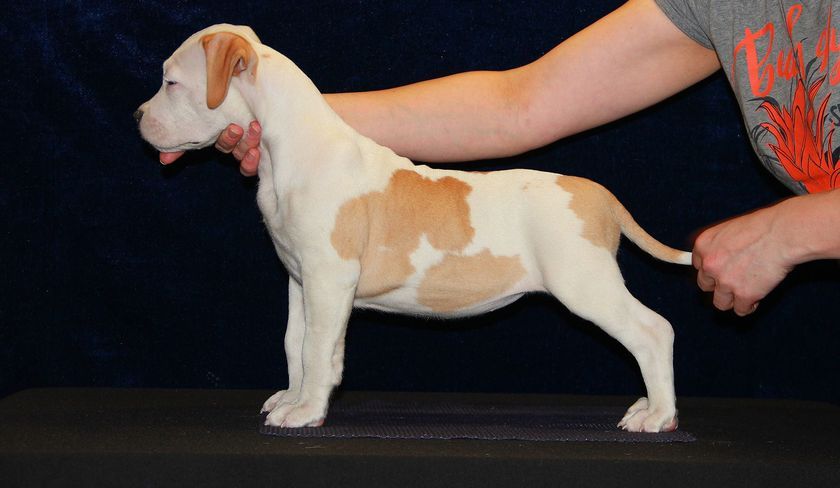
Owners of at-risk pets should know everything about canine ataxia: what it is and how it manifests. They should also have their pet DNA tested and, if the diagnosis is confirmed, provide proper care and preventative recommendations.
Diagnostic methods
Despite the obvious symptoms, ataxia can only be accurately diagnosed in a veterinary clinic. The primary diagnostic method is an MRI of the brain.
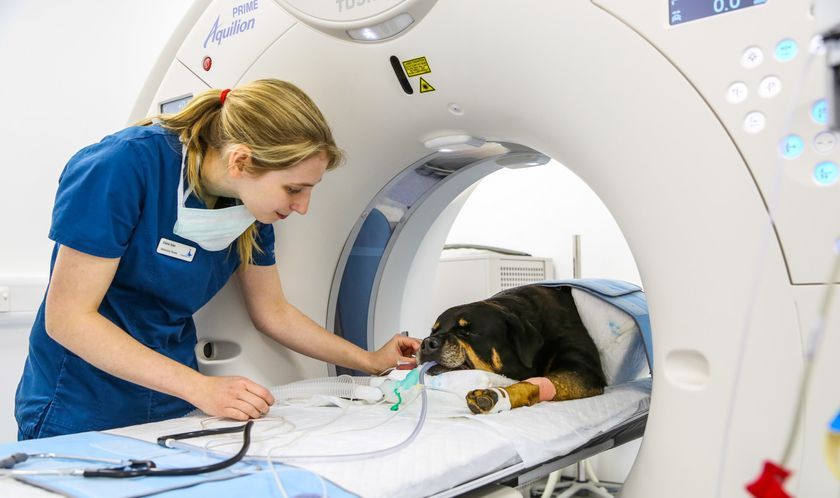
To exclude/detect other or concomitant diseases, additional studies are carried out if necessary:
- laboratory tests;
- Ultrasound, CT, X-ray of internal organs;
- ear examination;
- Romberg test for coordination.
After examining the animal and analyzing the test results, the veterinarian selects the appropriate treatment to eliminate the causes and prevent negative consequences.
Treatment
When ataxia is detected in dogs, treatment is always carried out according to an individual plan, which is determined by the reasons for its development:
- The congenital form is incurable, as the condition of the cerebellum cannot be altered. In cases of severe brain damage, euthanasia is recommended to prevent the animal from suffering. If the disorder is relatively mild, the pet's quality of life can be improved with appropriate care.
- Infectious diseases are treated with antibiotics and antivirals.
- In cases of intoxication with toxic substances or helminths, detoxification procedures are performed and antiparasitic therapy is administered.
- Avitaminosis, nutrient deficiencies and dehydration are eliminated by normalizing nutrition and introducing glucose preparations into the blood.
- Treatment of cerebrovascular lesions is based on the use of drugs aimed at improving the functional state of the nervous tissue and stimulating blood flow.
- Pathologies caused by tumor growth, trauma, and certain eye diseases are treated surgically. The outcome depends on the nature of the pathology and can result in significant improvement, even complete recovery.
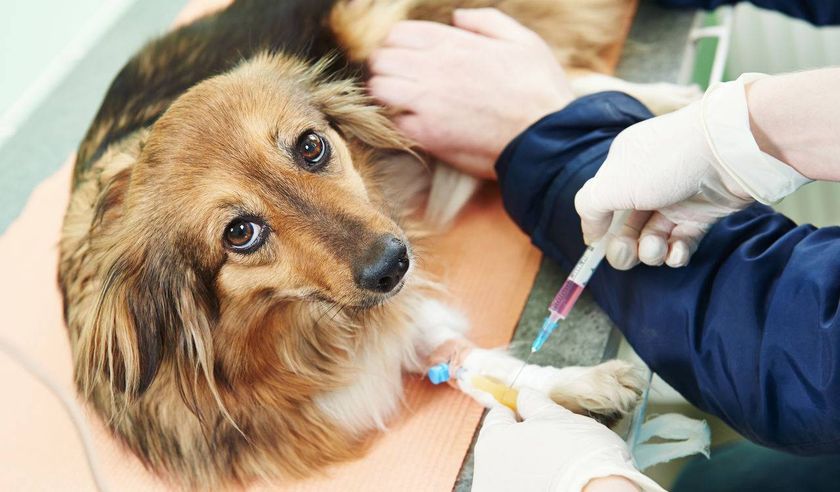
In any case, to relieve the symptoms of ataxia in dogs, painkillers, inexpensive vitamin complexes, sedatives, and other medications necessary in a particular case are used during treatment.
Care Features
If your pet is diagnosed with ataxia, it's important to remember that this is a condition that significantly reduces the dog's quality of life. The animal becomes disoriented, becomes completely dependent on its owner, and without proper care, can die from injuries.
A sick animal that continues to lead an active lifestyle must be protected from possible injury. To do this, we recommend:
- keep it in the house or a special room;
- Place the dog bed away from objects that could cause injury;
- Secure food and drink bowls to a non-tipping base.
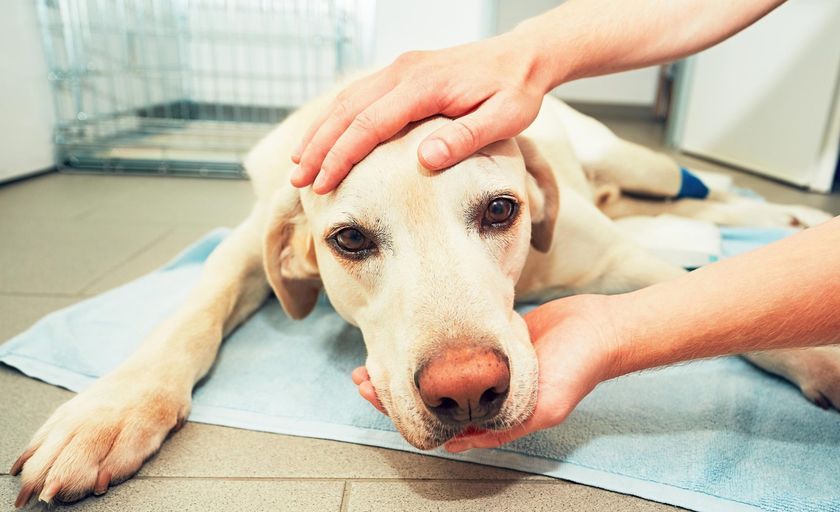
It is important to provide your pet with a complete diet consisting of easily digestible foods and containing sufficient amounts of nutrients.
Preventive measures
Congenital disorders can only be prevented by culling puppies with a genetic predisposition. To reduce the risk of acquiring an affected animal, it's important to choose reputable breeders. Furthermore, it's recommended:
- constantly observe the puppy's behavior;
- observe hygiene rules to protect against infections;
- ensure safe maintenance to avoid injury;
- maintain normal activity (walks, games);
- balance your diet and avoid deficiencies in beneficial elements;
- Contact your veterinarian promptly if your dog has any health problems.
It is especially important for owners of breeds at risk to follow these recommendations.

In most cases, ataxia in dogs is incurable. However, with timely detection, proper treatment, and adequate care, your pet's condition can be normalized, avoiding dangerous consequences.
Read also:
- Ataxia in Cats: Symptoms, Causes, and Treatment
- What to do if your dog ate paint
- Choosing a puppy: a joyful and very important event


Add a comment