
Ataxia in Cats: Symptoms, Causes, and Treatment
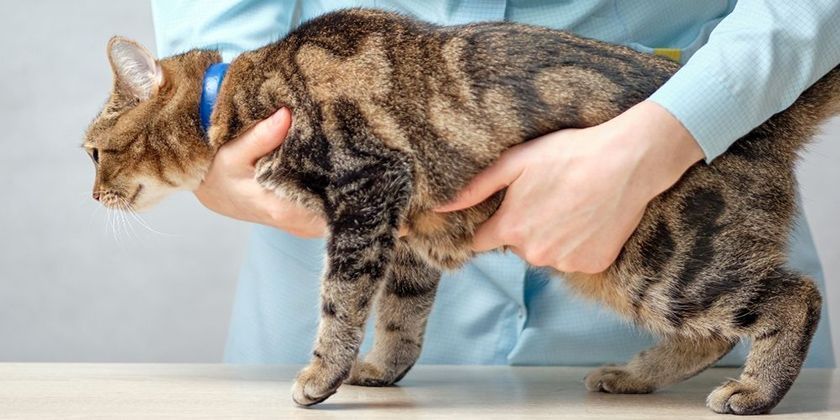
Ataxia (from the Greek ἀταξία, meaning disorder) is a neurological disorder caused by a disruption in brain function, resulting in spatial disorientation, impaired motor skills, and incoordination of muscle movements. Ataxia in cats can be congenital or manifest as a symptom of neurological diseases, some of which are life-threatening.
Content
What is ataxia in cats and what are the types of the disease?
This pathology is divided into several types depending on the location of the brain lesion.
Proprioreceptive (sensory) ataxia
This type of ataxia most often develops due to a blockage of deep proprioceptive impulses (those that transmit muscular system activity) to the brain. The pathological process can be localized in the spinal columns and ganglia, spinal roots, or in parts of the medulla oblongata, cerebral cortex, or thalamus. It is caused by damage, inflammation, or tumors in the spinal cord. The leading symptom of sensory ataxia in cats is paresis (decreased muscle strength) of the limbs: the cat has difficulty controlling its paws and tail, has difficulty making sudden movements and long steps, and its gait becomes unsteady.
Vestibular ataxia
The vestibular system is responsible for motor coordination. Vestibular ataxia can be caused by:
- otitis media, affecting the eardrum and the mucous membrane of the auditory tube;
- cranial nerve neuritis;
- neoplasms in the inner ear;
- Peripheral vestibular syndrome (functional damage to the labyrinth of the inner ear).
With this form of ataxia in cats, the following is observed:
- instability of body position in space due to dizziness,
- gait with swaying of the body,
- unnatural throwing of the head back when walking,
- abnormal nystagmus (involuntary jerky eye movements),
- tremor that affects the entire body.
Cortical (frontal) ataxia
It occurs when the function of the frontal cortex of the brain is impaired. The main causes are degenerative brain diseases, such as tumors or abscesses of the frontal lobes and hydrocephalus. Frontal ataxia is characterized by impaired balance and coordination of movements of the trunk, legs, and head. To avoid falling, the cat tries to walk with its paws spread wide. In severe cases, vomiting and loss of appetite are observed.
Cerebellar ataxia
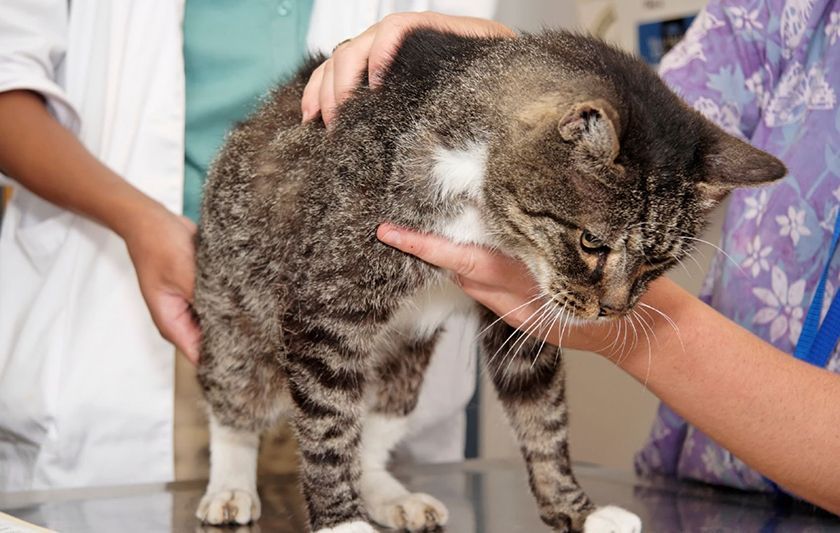
The cerebellum serves as the center of motor coordination. Damage to this part of the brain causes a cat to develop an unsteady gait, move in circles, bump into objects, and have difficulty reaching for its food bowl. Tremors of the limbs or head, either dynamic (occurring during movement) or static (noticeable even at rest), are often observed. Nystagmus—rapid oscillatory movements of the eyeballs—is also a sign of cerebellar damage. Anisocoria (different pupil sizes) is sometimes observed.
If cerebellar ataxia in cats develops in utero, its signs are visible immediately after birth. In the locomotor form of ataxia, this is an awkward, bouncing gait, while in the static form, weak muscles that poorly support the body are present. Congenital cerebellar ataxia is incurable, but it typically does not progress, so pets retain their memory and mental abilities throughout life and may even have healthy offspring.
Causes of ataxia in cats
Ataxia in kittens is most often diagnosed if their mother contracted feline panleukopenia (distemper) during pregnancy. This virus infects fetal cerebellar cells, causing developmental delays (cerebral hypoplasia).
The cause of pathology in an adult cat may be:
- infectious diseases affecting the central nervous system;
- infectious otolaryngological diseases;
- autoimmune or infectious encephalitis;
- tumors of the brain or spinal cord;
- head, spine, and ear injuries;
- tick bites;
- poisoning with toxic substances;
- side effects of medications when overdosed;
- hypoglycemia (a sharp drop in blood sugar levels);
- nerve damage in diabetes;
- vitamin B1 deficiency in the body;
- Genetic predisposition. Animals whose parents had ataxia are more likely to develop ataxia.
Severity of ataxia
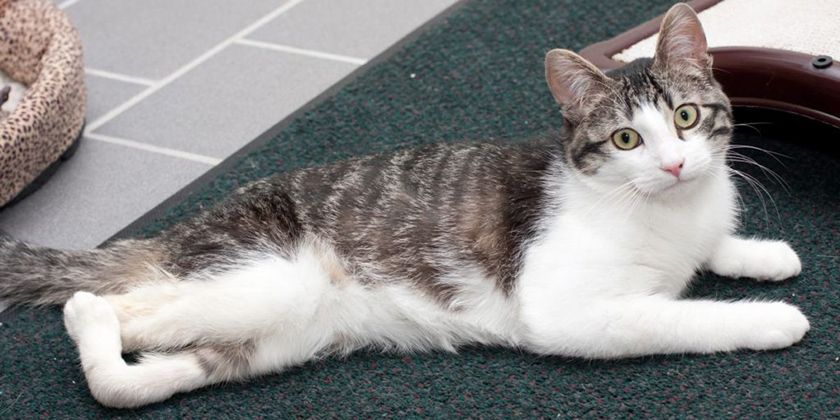
In a mild form of the disease, the cat does not experience any life-threatening problems. While the cat moves with some confidence, it raises its front paws high without bending them, and may have some difficulty rising from a lying position.
With moderate ataxia, the cat notices a change in gait and stiffness of movement. It has difficulty climbing and descending stairs, placing its hind legs wide apart for stability. Sharp turns cause dizziness, and it frequently falls. The animal has difficulty eating and drinking, and has difficulty placing its face in its bowl.
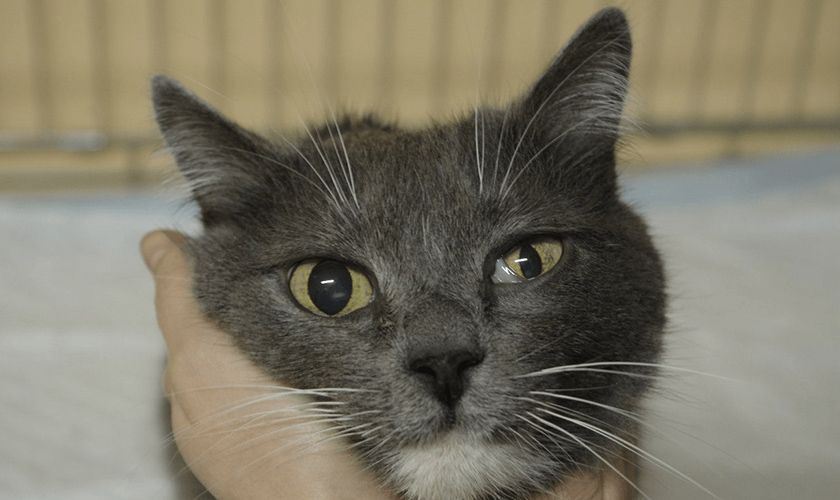
Clinical symptoms of severe neurological disorder include impaired motor coordination and disorientation. Head tilt or torso tilt to one side, tremors (twitching) of the limbs, nystagmus (involuntary, irregular eye movements), and nausea are observed. The animal is no longer able to walk independently, and often cannot even eat.
Diagnostics
Since many symptoms of ataxia in cats are similar to the clinical signs of other diseases, both organic and functional, its diagnosis, in addition to a qualified neurological examination and study of the anamnesis (duration and severity of symptoms, previous injuries), includes a range of laboratory and instrumental studies:
- Blood and urine tests. These will help assess organ function, detect infection, and identify vitamin and mineral deficiencies.
- Cerebrospinal fluid analysis provides information about inflammatory processes in the central nervous system.
- Otoscopy. This is performed if otitis media or a perforated eardrum is suspected.
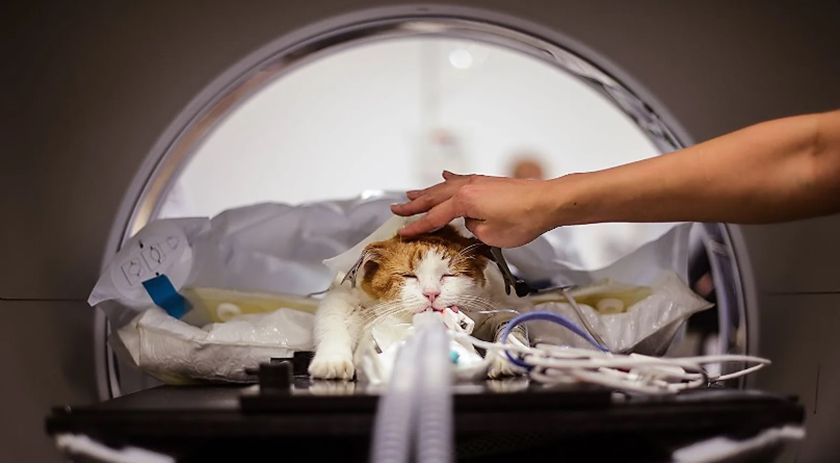
- X-rays, CT scans, or MRIs can detect tumors in the ear and head, a decrease in the size of the cerebellum, or otitis media.
Treatment
Ataxia can be cured if its underlying causes are treatable, or the animal's condition can be alleviated with symptomatic therapy if the underlying causes cannot be eliminated. For example, cerebellar ataxia in cats is not treated due to the irreversible damage to brain tissue, but in mild to moderate cases, cats usually adapt to life.
In cases of severe neurological disorder, expressed by significant organic changes in brain structures, veterinarians often recommend euthanasia of the animal.
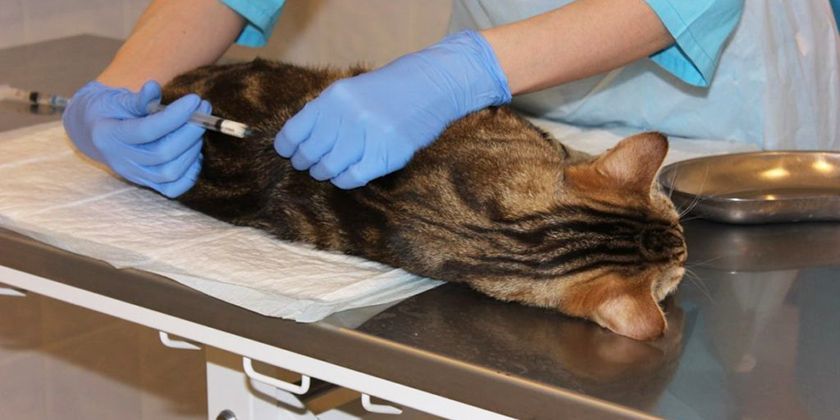
Treatment of sensory, cortical and vestibular ataxia depends on the underlying cause.
- In case of infectious etiology, antibacterial therapy is used.
- In cases of vascular etiology and traumatic injuries of the spinal cord or brain - drugs that activate inhibitory processes in the central nervous system, vasoactive agents that improve metabolic processes in brain tissue, diuretics that relieve swelling, Cerebrolysin, which eliminates metabolic disorders in the central nervous system.
- In case of poisoning, the cat is prescribed an absorbent drug: activated carbon, Polysorb, Sorbex.
- In case of vestibular ataxia, therapy may include taking antimicrobial, anti-inflammatory and antifungal agents.
- If examination results indicate that the neurological disorder is caused by a thiamine (vitamin B1) deficiency, the cat is prescribed vitamin supplements.
- Surgical intervention is indicated for neoplasms in the brain or spine if their type and location are operable.
Prevention
To minimize the likelihood of your cat developing ataxia, you should:
- Purchase kittens from reputable breeders, or from private owners who have undergone genetic testing for ataxia.
- Ataxia can be prevented by ensuring your cat's safety. Your pet should not have access to poisons or household chemicals in the house. Preventing your cat from falling from a great height will prevent injury from an accident.
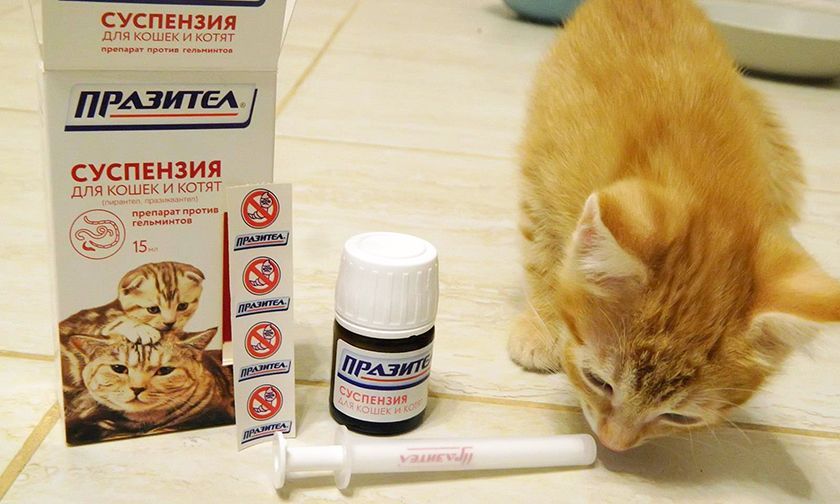
- Prevent your pet from becoming infected with infections and parasites. To do this, ensure regular checkups and vaccinations are administered according to schedule.
Proper nutrition is also important for your cat. Hypovitaminosis and hypervitaminosis, such as a vitamin B1 deficiency or an excess of vitamin A, can lead to the development of ataxia. Vitamin B1 is found in meat and fish, but raw freshwater fish contains an enzyme that destroys thiamine. Vitamin A is found in abundance in liver, butter, and egg yolks; relying on these foods in your cat's diet can be detrimental to its health.
Read also:
- What to do if a cat doesn't eat anything?
- What kind of nose should a healthy cat have?
- Seizures in cats: causes and treatment

Add a comment