
Ascites (dropsy) in cats: symptoms and treatment
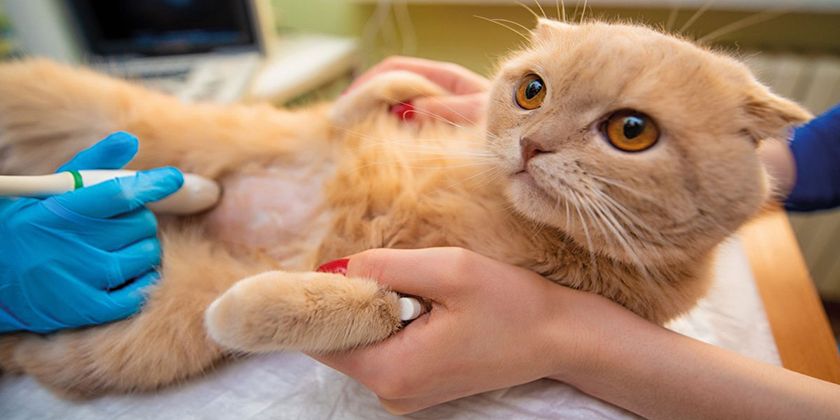
Ascites (dropsy) is a symptom complex observed when exudate accumulates in the abdominal cavity. Normally, this fluid is present in the animal's peritoneum, but in small quantities. It maintains a sterile environment and acts as a shock absorber for the abdominal organs. When its accumulation is extensive, the dome of the diaphragm stretches, putting pressure on the organs and causing injury. Ultimately, ascites in cats can lead to death.
Content
Causes of ascites
The serous fluid that accumulates in ascites is neutral or slightly alkaline and consists of whey protein mixed with lymph or blood. The most common cause of ascites in cats is a disruption of water-salt balance and decreased lymph drainage. These conditions include acute and chronic conditions:
- cardiovascular system;
- liver (hepatitis, cirrhosis);
- kidneys;
- gallbladder;
- pancreas (pancreatitis);
- intestines;
- bladder;
- diabetes mellitus;
- Peritonitis is an inflammation of the inner lining of the abdominal cavity;
- changes in the levels of hormones that regulate fluid balance in the body;
- neoplastic formations (as they grow, they disrupt the integrity of the lymphatic and blood vessels, leading to fluid leakage into the abdominal cavity).
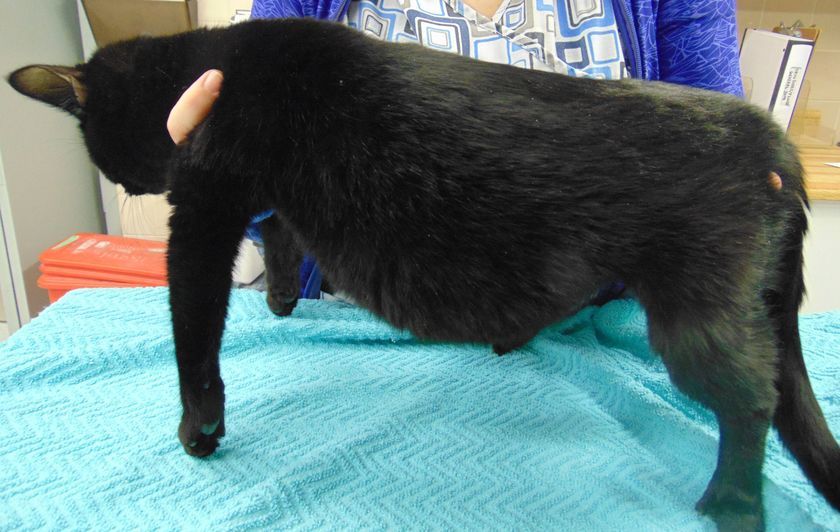
Ascites in cats can also be caused by portal hypertension (increased pressure in the portal vein), physical inactivity, obesity, or improper nutrition, when the cat's diet is dominated by salty and smoked foods, which slow down the removal of fluid from the body.
Signs of ascites
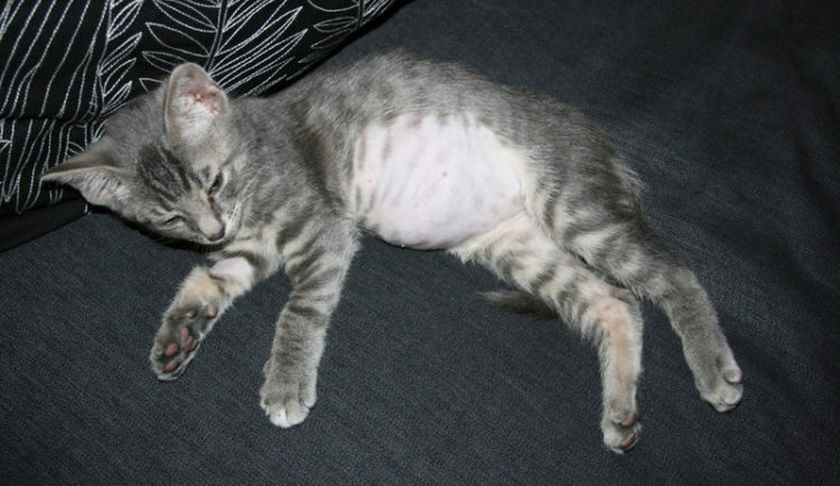
The accumulation of ascitic fluid in the peritoneum in most cases occurs gradually; symptoms of ascites in cats become noticeable when the amount of effusion is significantly higher than normal. Among the clinical signs of ascites in cats, the most characteristic is distended, hard to the touch stomach, due to its increased volume, the cat is forced to rest lying on its side.
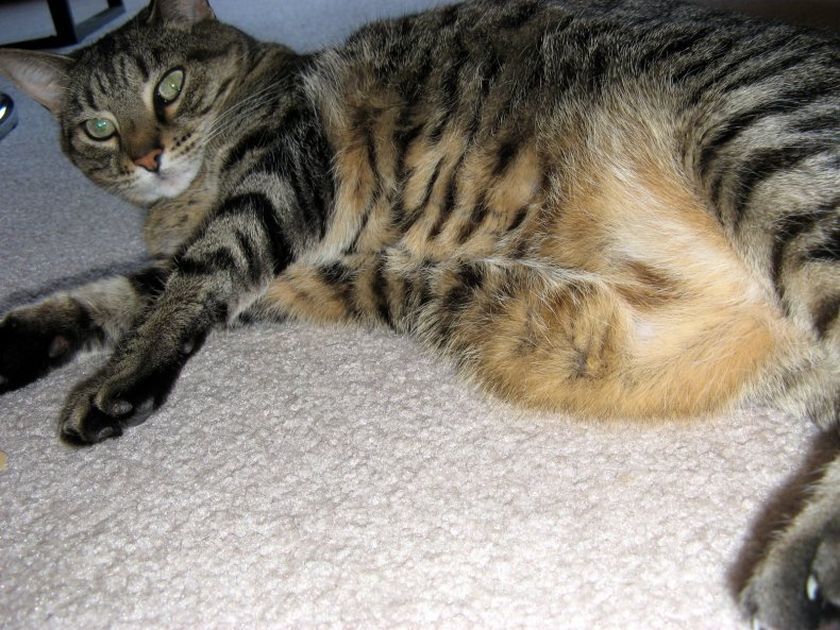
Other symptoms of ascites:
- due to increased pressure on the diaphragm, the cat's breathing becomes rapid, sometimes it breathes like a dog, through its mouth;
- the animal quickly gets tired and becomes apathetic;
- decreased appetite;
- flatulence and bowel disturbances are observed.
There's a visual test for ascidosis in cats that can be performed at home. If the cat is placed upright on its hind legs, the ascidosis fluid will move to the lower abdomen.
Diagnosis of ascites
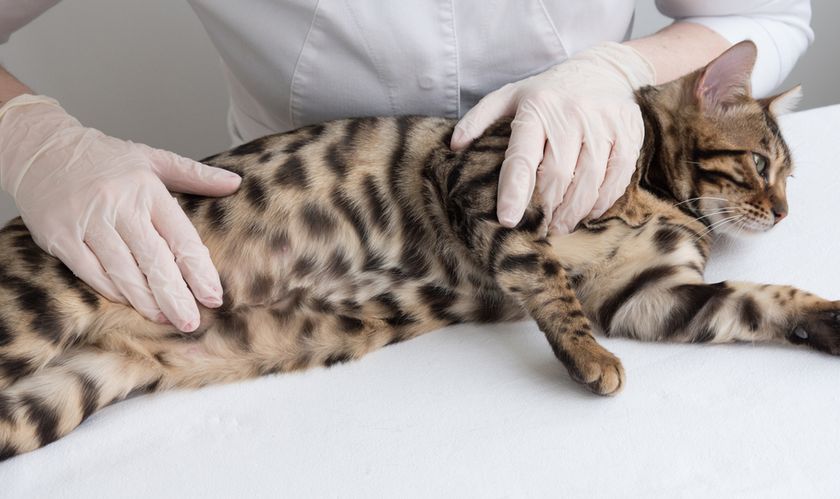
After reviewing the owner's medical history, the veterinarian will examine the cat, palpate its abdomen, and then typically order a series of additional tests to determine the cause of the ascites.
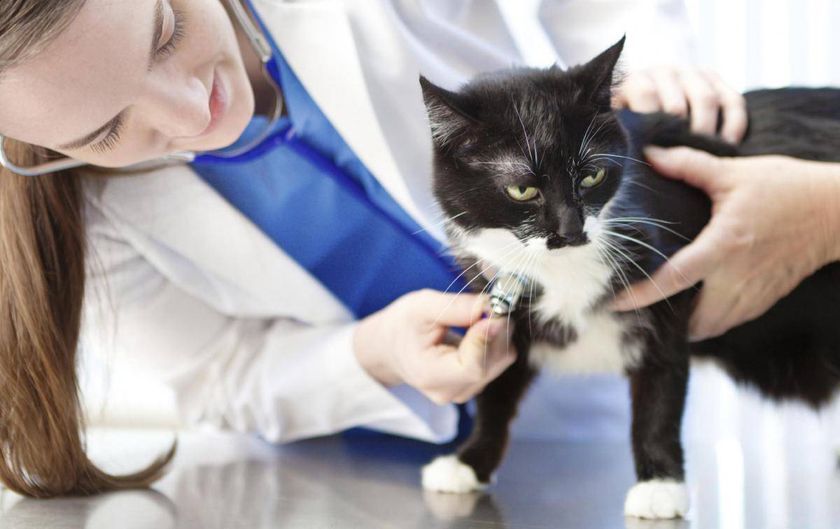
For differential diagnosis of the pathology that caused dropsy, the following can be carried out:
- Blood tests: general clinical, biochemical, coagulogram.
- A urine test that determines the presence of protein in the urine.
- Analysis of exudate obtained by puncture of the abdominal wall. This determines the white blood cell count, protein concentration, and the presence of pathogens. If necessary, cytological analysis of the effusion is performed.
- An ultrasound and/or X-ray of the abdominal cavity. These show the size of internal organs, as well as the presence or absence of tumors.
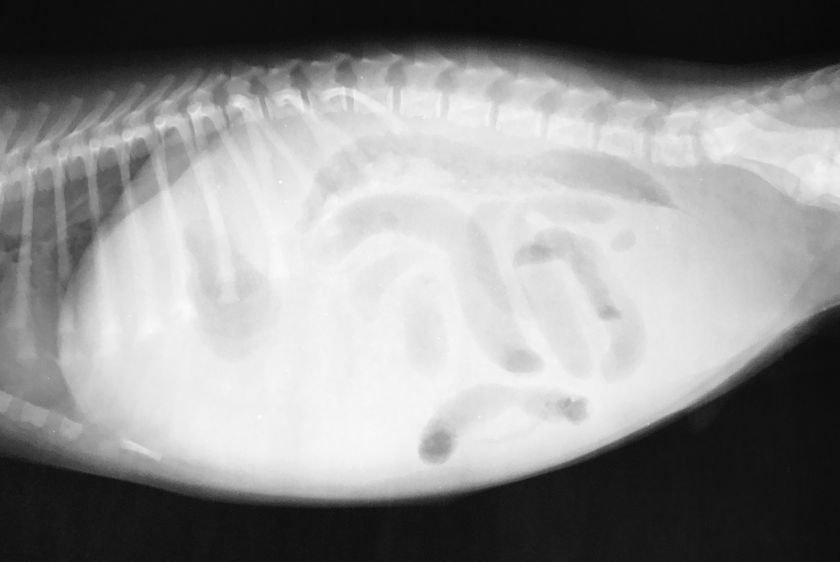
Once the exact cause of ascites is determined, the doctor will choose the most effective treatment option.
Treatment of dropsy in a cat
If ascites develops rapidly and is life-threatening, the animal requires emergency care, which may include abdominocentesis and oxygen therapy. Abdominocentesis (also known as laparocentesis) is a puncture of the abdominal cavity to remove some of the accumulated fluid. Oxygen is administered via a mask or nasal cannula if respiratory failure occurs.
Further treatment of ascites in cats is carried out comprehensively, and includes symptomatic treatment, aimed at eliminating the clinical signs of ascites, and radical treatment, which involves treating the disease that caused the development of dropsy:
- To reduce the rate of accumulation of effusion in the abdominal cavity, diuretics (Temisal, Furosemide) and laxatives (Vetelact, Lactusan) are used.
- To improve the functioning of the cardiovascular system, cats are usually prescribed glycosides and cardiotonics (Strophanthin, Digoxin Cardiovalen).
- To restore liver function, the doctor may prescribe hepatoprotectors to the cat (Hepatovet, Hepatolux, Hepasafe).
- In case of internal bleeding, the animal is given calcium chloride solutions intravenously.
- If an infection is present, a course of antibiotic therapy is prescribed; in veterinary medicine, bactericidal drugs of the cephalosporin class are usually used.
Nutrition for cats with ascites
A cat's diet, diagnosed with ascites, is a crucial, if not key, aspect of treatment. A suitable diet should be developed by a veterinarian, depending on the cat's condition, age, and the underlying condition.
In any case, your pet's diet should include protein-rich foods: lean meat, poultry (except duck), fish, and fermented milk products. Spicy and smoked foods should be completely avoided, and salt intake should be minimized.
It is recommended to use commercially available therapeutic foods, selected based on the underlying condition. Experts consider the following brands of special food for cats with ascites to be the best:
- Hill's Prescription Diet h/d (made in the Netherlands). Used for cardiovascular conditions, it contains protein hydrolysate, potassium chloride, antioxidants, vitamins, and trace elements.
- Purina Veterinary Diets (Switzerland). Recommended for cats with kidney disease. Contains animal protein, fish oil, vitamins, minerals, and antioxidants.
- Hill's Prescription Diet a/d (Netherlands). For cats with genitourinary disorders. Contains omega-3 fatty acids, vitamins, and antioxidants.
- Brit VD Struvite Cat (Czech Republic). The formula includes vitamins B, A, D3, E, zinc picolinate (chelated zinc), and selenium.
- Farmina Vet Life Renal (Italy). Wet food for kidney support, containing omega-3 fatty acids and limited amounts of phosphorus and sodium to reduce nitrogen metabolism.
If treatment for ascites in a cat is started promptly and carried out correctly, and the attending physician's instructions for organizing a healthy lifestyle and diet are followed, the animal's chances of getting rid of abdominal dropsy are quite high.
Prevention of ascites
To prevent the development of dropsy in a cat, you should:
- provide the animal with proper nutrition and sufficient activity;
- prevent your cat from becoming obese;
- undergo regular preventative examinations with a veterinarian to detect and treat diseases in a timely manner;
- carry out scheduled vaccinations of the cat and its treatment against parasites.
Read also:
- What should you do if your cat is breathing heavily with its mouth open?
- Natural food for cats
- Ascites in dogs: symptoms and treatment


Add a comment