
Asthma in Cats: Symptoms and Treatment
According to veterinary experts, approximately 1% of cats are diagnosed with asthma, a respiratory disease that can be acute or chronic. The tendency to develop this condition is often inherited, especially in Siamese and Himalayan breeds.
Asthma is an incurable disease, so the primary goal of treatment is to achieve sustained and long-lasting remission. Without treatment, attacks become more frequent and severe. However, appropriate treatment can significantly reduce the severity of symptoms and maintain an active and fulfilling life for your cat.
Content
The mechanism of asthma development and its causes
An asthma attack results from a narrowing of the bronchi. This phenomenon is called bronchospasm and is usually accompanied by tissue swelling and the production of large amounts of mucus. The narrowing of the airways causes difficulty breathing, coughing fits, and suffocation.
Asthma in cats is most often allergic in nature. An attack occurs when the amount of an allergen entering the body is sufficient for the immune system to react. To destroy the foreign elements, the immune system then produces "killer cells"—antibodies (immunoglobulins). During this process, the inflammatory mediator histamine is released into the animal's bloodstream; its increased levels lead to the development of bronchospasm.
The same factors that cause asthma in humans can trigger asthma in cats:
- plant pollen, mold, dust mite;
- air pollution with harmful gases, cigarette smoke;
- stress;
- viral diseases of the respiratory system.
Important tips! If your adult cat suddenly develops asthma, pay attention to any recent changes in the home: perhaps you've installed new wallpaper or purchased new furniture, a family member has changed their shampoo, or someone has purchased an unused air freshener or other household products.
Symptoms
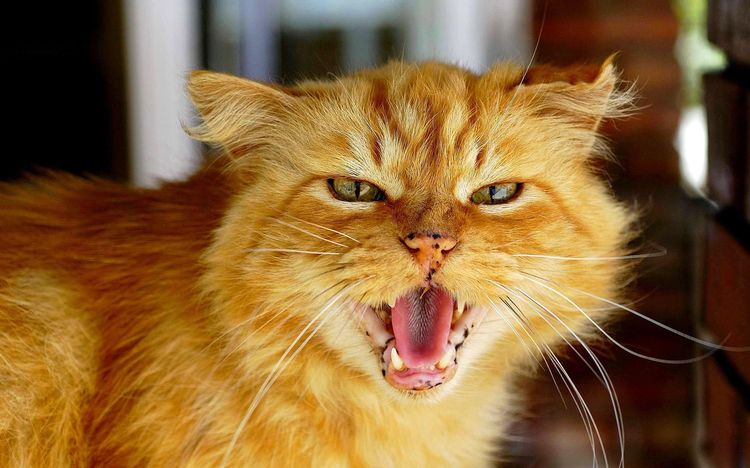
The symptoms of asthma in cats are nonspecific, so this disease is often confused with other ailments. The most characteristic signs of an asthma attack are the animal's tense posture and rapid, labored breathing. The cat sits hunched over with its neck extended. breathes with his mouth wide open, coughing or wheezing from time to time. Between attacks, loss of activity, weakness, and lethargy are observed; the frightened animal often displays aggression.
According to severity, asthma is divided into several stages:
- Attacks occur rarely, several times a year, and pass quite easily.
- Asthmatic syndrome does not develop very often, but is characterized by a more severe course.
- Symptoms of the disease appear frequently and are very difficult for animals to bear.
- Almost daily severe attacks disrupt the cat's normal life and can be life-threatening.
Caution! As the final stage progresses, significant narrowing of the bronchial passages leads to oxygen deprivation: the cat's eyelids and lips turn blue, the animal becomes unresponsive, and falls to the side, lying motionless. Progressive shortness of breath can be potentially fatal, so in such cases, your pet requires immediate medical attention.
Diagnostics
The similarity of many asthma symptoms to signs of other conditions often prevents a veterinarian from making a definitive diagnosis during an examination of your pet. The veterinarian must rule out conditions such as bronchitis, rhinotracheitis, respiratory infection, pneumonia, heart failure, bordetellosis, mycoplasmosis, the presence of worms, neoplasms or foreign bodies in the respiratory tract.
To differentiate asthma from other diseases, a cat often has to undergo a fairly extensive series of examinations:
- A complete blood count. Asthma syndrome is characterized by elevated blood eosinophil levels, a type of white blood cell produced by the immune system in response to foreign substances entering the body. Read about low white blood cell levels. on the website here.
- General urine analysis. Marked turbidity of urine indicates the presence of a large number of leukocytes, red blood cells, bacteria or salts.
- Analysis of feces for helminth eggs.
- Bronchial and tracheal mucosal swabs. Histological and bacteriological examination of the samples allows for the detection of a number of infectious, fungal, and inflammatory diseases.
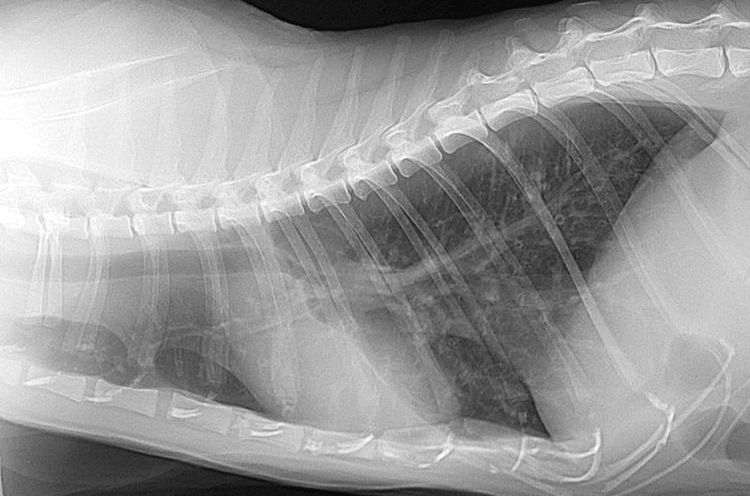
- Chest X-ray. In chronic asthma, X-rays may show thickening of the bronchial walls and/or distension of the diaphragm.
Treatment
A doctor determines the treatment strategy for asthma in cats based on the examination results, medical history, and severity of the disease. There are no standard treatments for asthma attacks; each feline patient requires an individualized approach. However, in any case, the main goal of symptomatic therapy is to identify and eliminate allergens and relieve or reduce bronchospasm.
To relax the bronchial muscles, relieve swelling and hypersecretion of the mucous membranes of the respiratory tract, hormonal drugs are used, which are administered in the form of injections (DexamethasonePrednisolone (prednisolone, methylprednisolone) are mixed into the feed in tablet or powder form. Inhalers containing bronchodilators such as fenoterol, clenbuterol, and albuterol are the most convenient and therefore most commonly used.
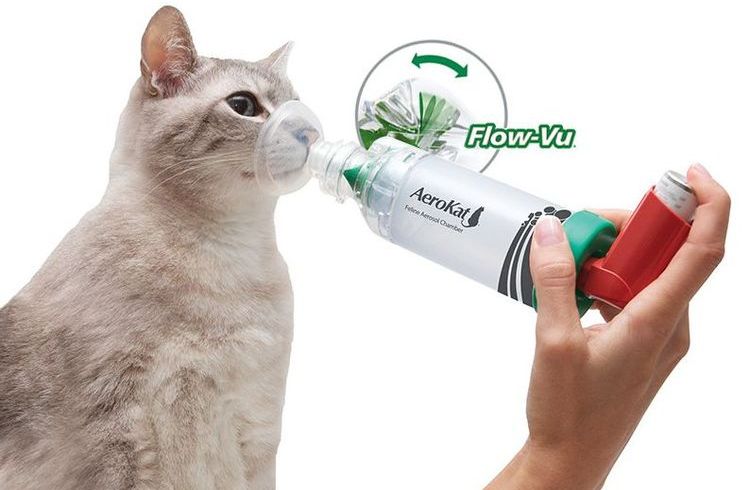
AeroKat spacers are specially designed for administering inhalations to cats. These devices consist of a small chamber with a mask. The mask is placed over the cat's nose, and when the cat inhales, the medication, contained in the chamber as an aerosol, is released into the animal's airways. The number of inhalations is controlled by a valve.
Specific care and reduction of seizure frequency
It's often impossible to pinpoint the exact allergen that triggers a cat's asthma attacks, so the owner's primary goal is to minimize exposure to potential irritants. To do this, we recommend:
- Do wet cleaning and ventilate the room regularly.
- Minimize the use of household chemicals, air fresheners, and various sprays, the vapors of which your pet may inhale.
- Pour the filler into the tray carefully, trying not to raise dust, or, if necessary, discard it altogether.
- Use a humidifier, especially during the heating season when the air becomes too dry.
- Try to avoid stressful situations. Don't leave your cat alone for long periods of time and give her plenty of attention.
- Do not smoke in the room where the animal is located.
- Monitor your pet's diet and avoid overfeeding to prevent excess weight gain. Obesity is one of the factors that worsens respiratory health.
- If possible, remove carpets and other dust collectors that accumulate indoor dust.
If your cat is prescribed medication, administer it strictly according to the regimen recommended by your veterinarian. Do not adjust the dosage, replace medications, or discontinue treatment at the first sign of improvement, as this could lead to worsening of the condition and the development of complications.
Forecasts for the future
If you consult a veterinarian early in the disease's course, the prognosis is generally favorable. With appropriate supportive therapy, your pet's condition can be kept under control without significantly affecting their quality of life.
A much less favorable picture emerges when the disease is detected too late or goes unnoticed for a long time. It's important to remember that responsibility for the health of a pet lies with the owner. Any alarming symptoms should not be ignored, even if they seem insignificant at first glance.
Read also:
- Why does a cat cough?
- Pulmonary edema in cats
- What should you do if your cat is breathing heavily with its mouth open?


Add a comment