
The Argentine Dogo (Mastiff) is a dog breed
The Dogo Argentino is undoubtedly a versatile working dog. Originally bred to hunt large game such as peccaries and pumas, these athletic dogs can not only pursue prey for long periods but are also willing to engage in combat. Small or medium-sized prey is usually dispatched before the hunter arrives.
Proper training can make an Argentine an excellent guard dog. In some countries, Dogos work in police and customs duties. They are also suitable for rescue work. Recently, Argentines are increasingly being trained as guide dogs or assistants for people with disabilities. If neither of these qualities is of interest to the owner, the dog will simply become a loyal friend and companion. Another name for the breed is the Argentine Mastiff.
Content
History of origin
This breed owes its origins to the efforts of just one man, Dr. Antoni Nores Martinez, who developed the Dogo Argentino in the early 20th century. In the late 19th century, dog fights were popular in Argentina. They were even more profitable than the famous cockfights of the region. Among the favorites of this brutal pastime was the white Cordoba dog—a descendant of mastiffs and bulldogs.
Martinez was intrigued by this brave and powerful dog, but he wasn't a fan of fighting; he was a hunter. And one must imagine what hunting is like in Argentina, a land of vast expanses where hunting experience often borders on danger and adventure, and the most coveted prey is the puma. Young Martinez's dream was to create a versatile working dog:
- white;
- medium size;
- with a good sense of smell and an innate tendency to bring back prey.
In addition, representatives of the breed must be strong, non-aggressive and intelligent.
There are few breeds in the world about whose creation so much information has been accumulated. Martinez collected books and stories, registered puppies, and kept records of failures and successes. The breeder based his breed on the white dogs of Cordoba. They became an excellent foundation for creating a breed capable of confronting the "black queen" of American cats. Patiently and skillfully, he began to infuse them with blood. The Argentine inherited a stable psyche from the Boxer, size from the Great Dane, and the Bull Terrier and Bulldog gave the breed a broad chest. Pointers, known for their excellent sense of smell, and strong Spanish Mastiffs And Pyrenean Mountain dogs with snow-white fur.
The result was two distinct lines: the Guarani and the Araucana, and the crosses between them became the prototypes of the modern Dogo Argentino. Martinez spent 30 years honing the temperament and appearance of his breed, and after his death in 1956, his brother, Agustin Martinez, who worked in the Ministry of Foreign Affairs, continued his work. This played a positive role in popularizing the Dogo Argentino. The first standard was adopted as early as 1928, but despite this, the breed was not officially recognized by the Argentine Cynological Federation until 1964, and the International Cynological Association did not register it until 1973.
Appearance and standards
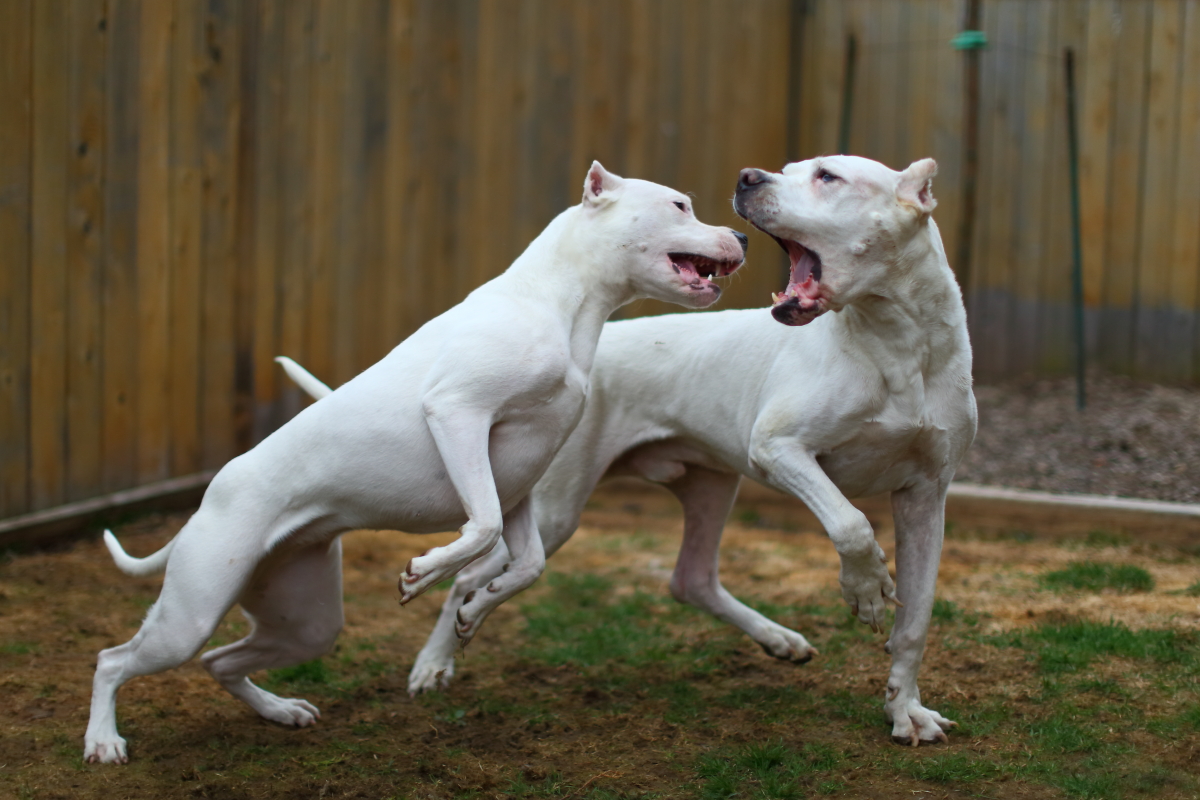
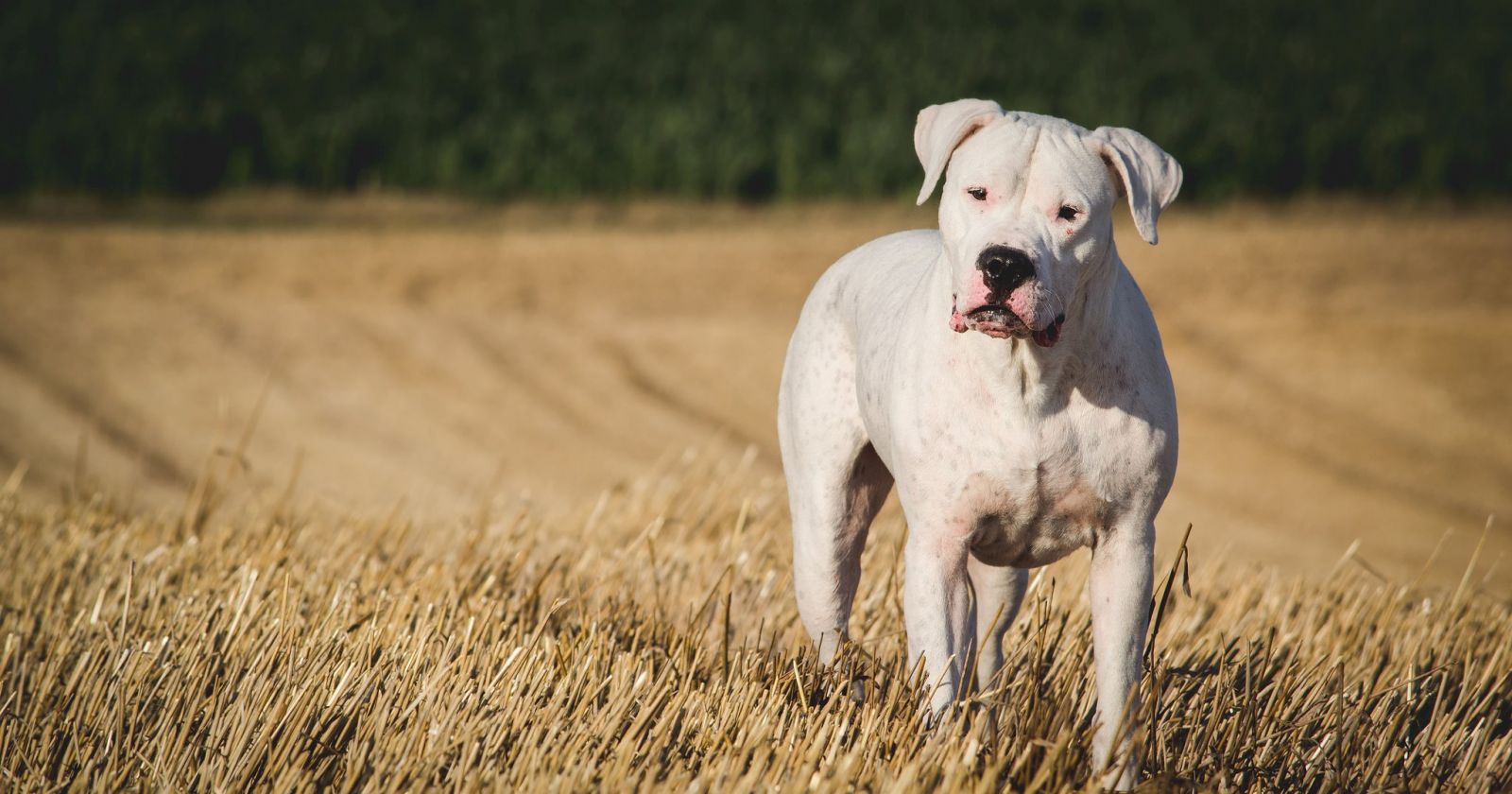
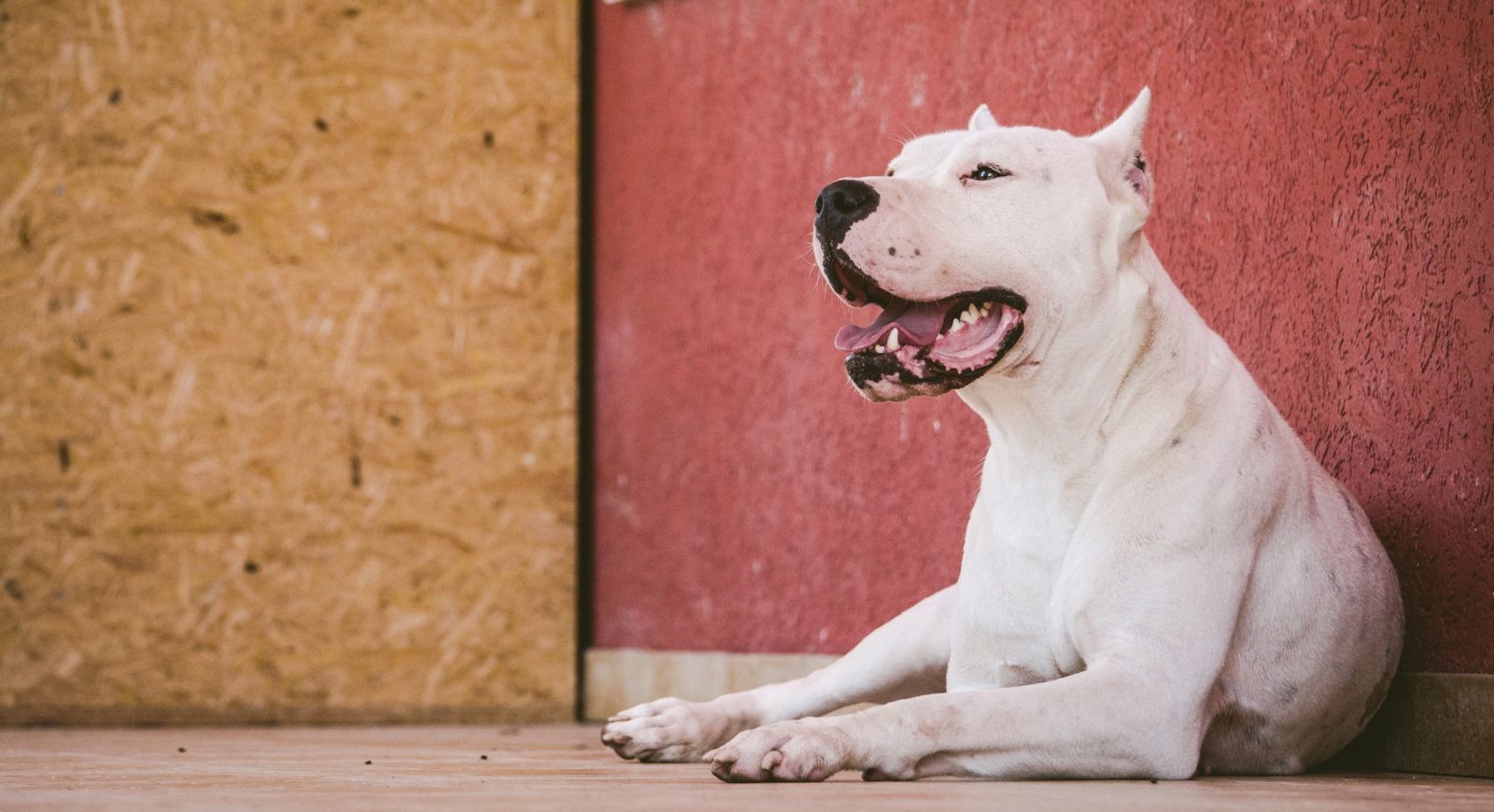
The Dogo Argentino is a solidly built, massive dog with well-developed muscles and elastic, tight-fitting skin. Males stand 62-67 cm at the withers, while females stand 60-65 cm. They weigh 40-45 kg.
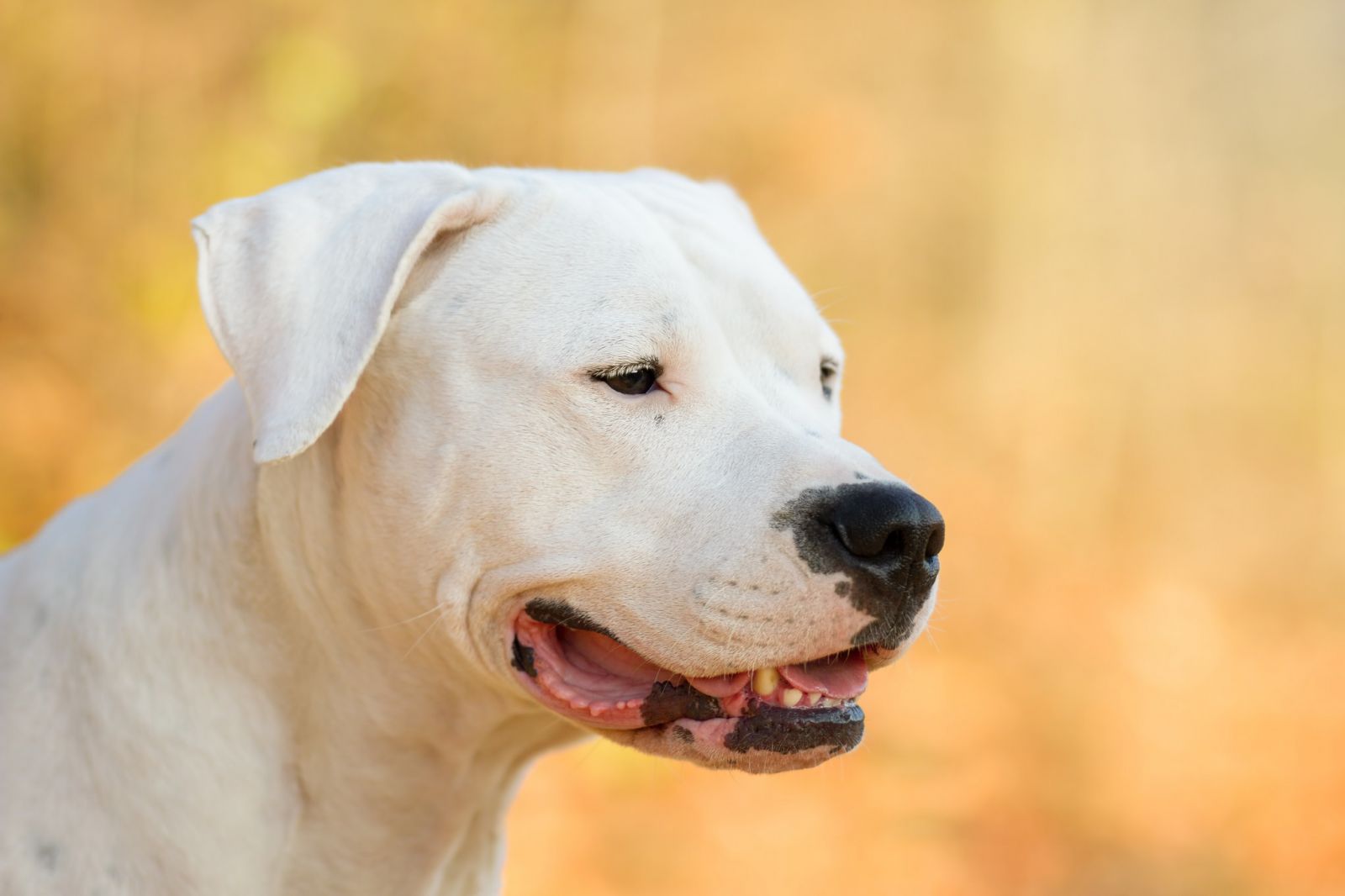
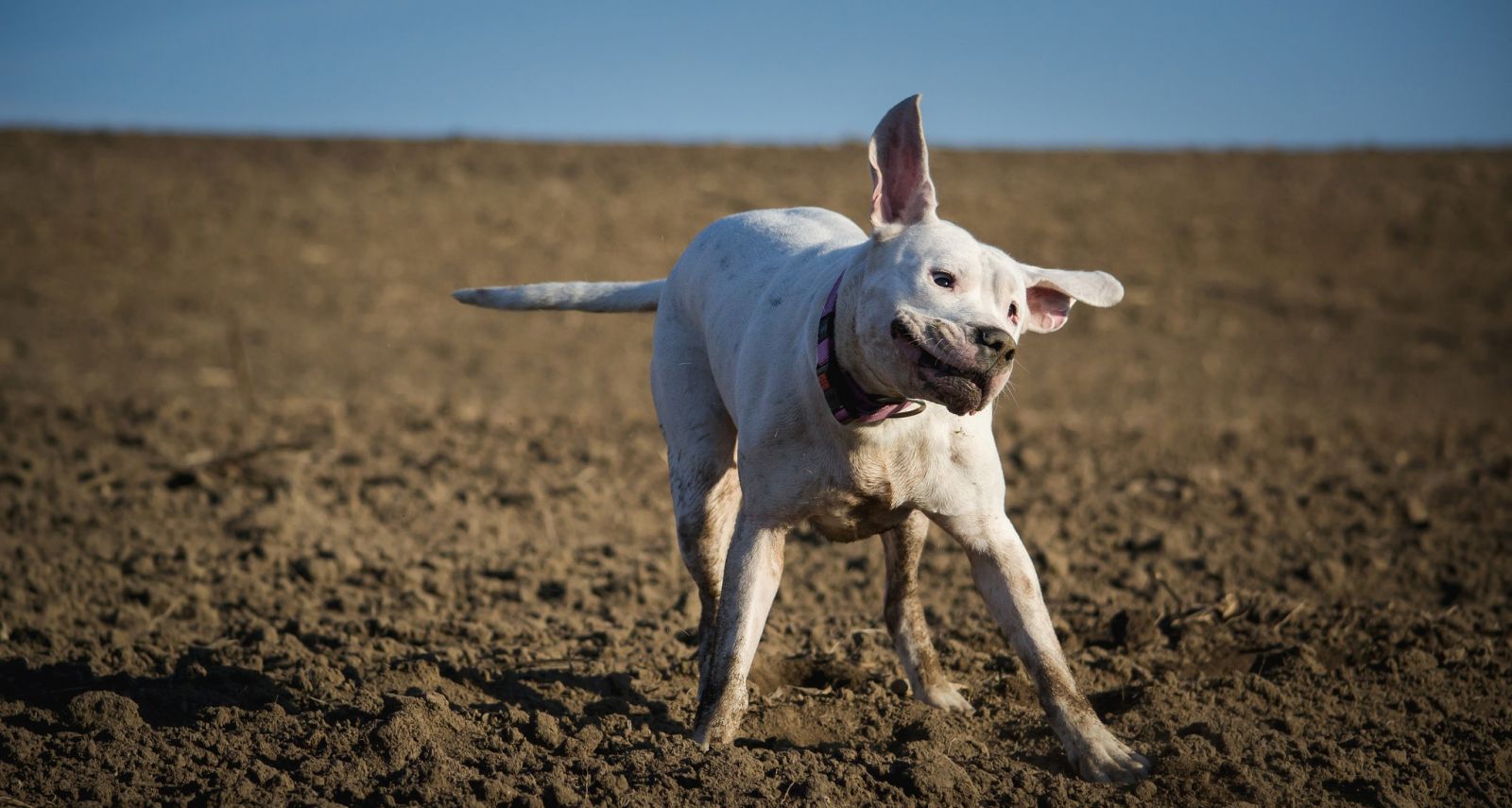
The Great Dane's head is massive. The muzzle is square. The broad, large nose should be black and extend slightly above the bridge of the nose. The bite is scissor-like. The eyes are medium-sized, almond- or triangular-shaped, and brown or hazel. The ears are set high and, according to the standard, are cropped to two-thirds of their length. They are shaped like a pointed triangle and carried erect. When undocked, they are semi-drooping. The neck is powerful, medium-length, and muscular, with light, symmetrical folds on the throat.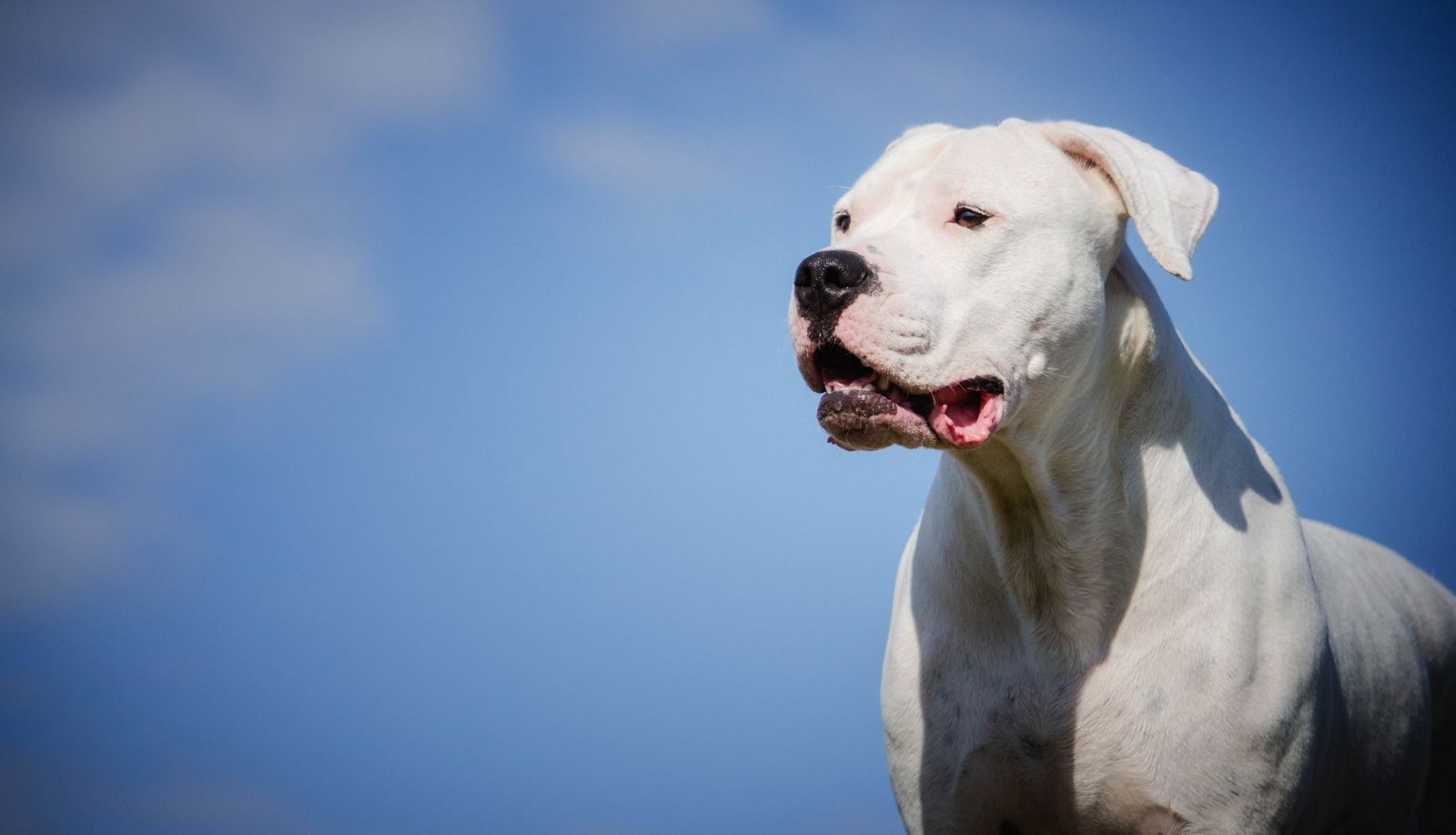
The back is short and strong, sloping smoothly to a wide, moderately sloping croup. The tail is long, tapering to a point, carried slightly down, and raised when moving, following the line of the back. The fore and hind legs are strong, straight, and muscular, set parallel. Movement is free, slightly springy, and well-coordinated. The coat is short, straight, and harsh to the touch. There is no undercoat.
The coat is exclusively white. Small pigmented spots on the skin are permitted.
Training
The Dogo Argentino is not the best breed for beginner dog owners. Training and raising this dog is challenging; the owner must have a strong character and a firm hand, yet remain an honest and reliable companion. Avoid being too harsh with the dog; Argentines are intelligent enough to understand what's expected of them; whether they're interested in it and whether the dog considers their owner to be the most important is another matter.
Argentine Mastiffs have a naturally athletic build and don't require excessive exercise. To maintain good shape, walks of 1-1.5 hours twice a day are sufficient. Argentine Mastiffs are very energetic and usually burn off all their pent-up energy during this time. Walks should be supplemented with playtime and exercise. They can also engage in draft sports.
Character
Because of their formidable appearance, impressive size, and athletic build, many people misjudge this breed's character. Appearances can be deceiving. Argentines are intelligent, friendly, cheerful, and very loyal to their owners. Cruelty and aggressiveness towards humans is considered a breed defect, along with cowardice. Their iron willpower and courage make them excellent guard dogs.
Mastiffs are wary and sometimes aggressive with strangers. If left alone for long periods, they begin to feel in control and give in to their instincts.
Maintenance and care
Argentine Dogos adapt to any living environment, but given their hunting nature, a house with a spacious yard is ideal. They do not get along well with other animals of the same sex, especially males. A bored hunting dog can also pose a danger to small animals. They get along well with children, but it's best not to leave them with a very small child, as they may accidentally startle or push the child.
Grooming the Argentine's short coat is straightforward. Once a week, brush the dog with a special brush or mitten. Bathe the pet thoroughly only when absolutely necessary. Puppy's familiarity with all hygiene procedures should be established from an early age. Remove any mucus or debris from the corners of the eyes. Regularly clean the ears, trim the nails, and keep the teeth clean.
Diet and health
A well-balanced diet is the foundation of any dog's health. It's best to feed Argentines a natural diet, following a customized diet that includes:
- lean meat;
- cereals;
- vegetables;
- fruits;
- fermented milk products and sea fish fillets.
Puppies have very good appetites, but they shouldn't be overfed. If you decide to feed your dog commercial food, it should be high-quality, premium or super-premium.
Dogo Argentinos are generally healthy. The only common health issues are elbow or hip dysplasia and food allergies, which manifest as dermatitis. Dogs with light eyes and a piebald coat can be congenitally deaf. Glaucoma and hypothyroidism are sometimes encountered. Argentinos are long-lived. Their average life expectancy is 14-16 years.
Owner reviews
If you're interested in this dog breed, you'll naturally want to gather as much information about it as possible. For those needing to make a final decision about buying a Dogo Argentino puppy, owner reviews are truly helpful. After all, only actual owners of these dogs can share their honest impressions of them. Of course, it's important to remember that these are specific pets, and their behavior doesn't necessarily reflect the entire breed. So, here are the reviews of these dogs we've received from:
- Bella.
My beloved Grace is a beautiful and athletic dog, which makes me so proud when I take her for walks. She has many qualities, but the most important is that she is truly loyal and devoted, like all Dogo Argentinos. However, this breed is only recommended for those who can devote a lot of attention to active dogs, every day. I walk my pet for two hours in the morning and a full four hours at night! And after those walks, she still remains active. But I'm not complaining, as doctors have recommended long daily walks for me too. Unfortunately, dogs of this breed, like mine, are often prone to food allergies, so I have to constantly monitor her diet, which is quite expensive. Another problem is that her fur is difficult to remove from furniture. But in return for my care, I receive so much warmth and love from my girl that any problems become insignificant.
- Marina.
I'd like to share my impressions of my dog with other dog owners. My dog is an Argentine Dogo named McFly.
I became this pet's second owner after his previous owner, a friend of mine, moved to another country. At first, I was reluctant to take on this huge, seemingly menacing dog. But a dog trainer I knew promised to help train him. McFly turned out to be a very quick learner and quickly mastered all the important commands.
I also really liked that the Great Dane didn't bother me with barking and only barked in extreme cases. However, it's easy to offend him, after which he retreats to his place and takes a long time to recover.
It's adorable that he loves to kiss! He's friendly towards strangers.
The hardest part of grooming is that you have to brush the fur every day, which is difficult to remove. from the coatings. But all this is compensated by the positive emotions this magnificent animal gives!
We've brought you the best reviews from Dogo Argentino owners, written from the heart. It's clear that, with the exception of minor care issues, owners are completely satisfied with the breed.
Puppies and prices
People often buy a puppy on impulse, without carefully considering the consequences. A prospective owner should understand that a dog isn't a toy for a few months. It requires active exercise and a substantial space of its own in the home. Plus, there are the costs of upkeep, feeding, and preventative veterinary care.
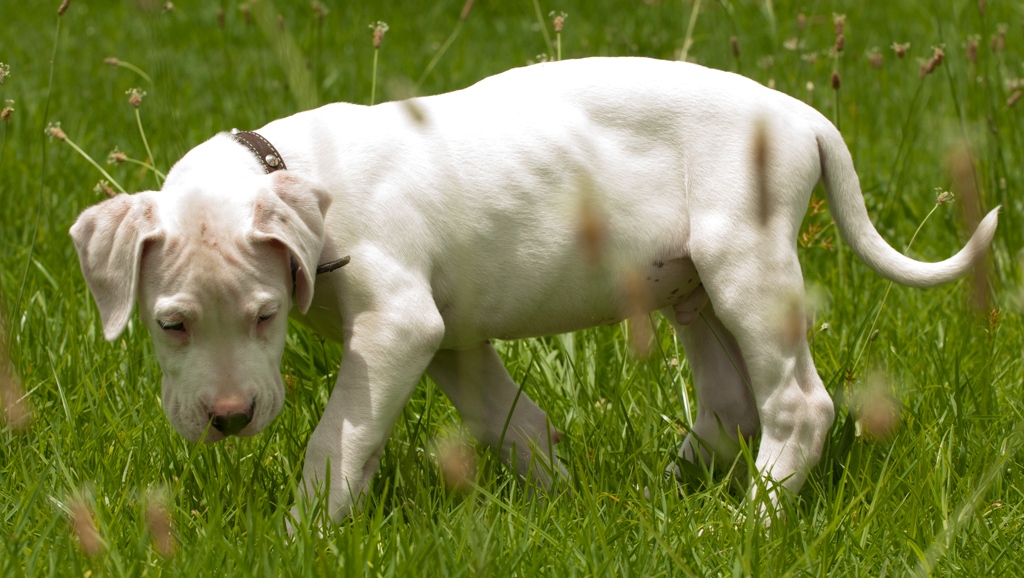
If, after weighing all the pros and cons, you've decided on a small Dogo Argentino, the first thing you should do is familiarize yourself with the breeders, kennels, and representatives of the breed. Good genetics in terms of health, temperament, and working ability are crucial. The puppy you choose should be active, inquisitive, and not shy. It should have a clean coat, clear eyes, and an excellent appetite. It's best to bring the dog to its new home between 1.5 and 2 months of age.
Having learned everything necessary about the breed, the prospective owner is interested in how much a Dogo Argentino costs and what determines its price. It's important to keep in mind that various factors can influence the price, the first of which is the kennel's location. For example, the price of a Dogo Argentino in Russia, if the kennel operates in Moscow or near major regional centers, will be significantly higher than in remote areas of the country.
In addition, animals are assessed according to the following criteria:
- compliance with the developed breed standard;
- health indicators;
- the presence and content of a pedigree;
- participation in exhibitions of manufacturers and the number of awards they received;
- character traits specific to the breed, etc.
If you're a simple dog lover looking to acquire a Dogo Argentino as a pet, many characteristics won't be important to you. However, for an owner hoping for their dog to have a show career, buying a Dogo Argentino puppy without thoroughly inspecting it would be extremely unwise.
It's not surprising that puppies from the same litter vary greatly in price. Experienced breeders identify animals suitable for breeding and show success when they reach six weeks of age. If you're offered a strong, healthy, and perfectly coated Dogo Argentino, you won't find one cheap—selected show-quality puppies are much more expensive than other members of the breed. The average price for a Dogo Argentino puppy starts at $500.
Photos
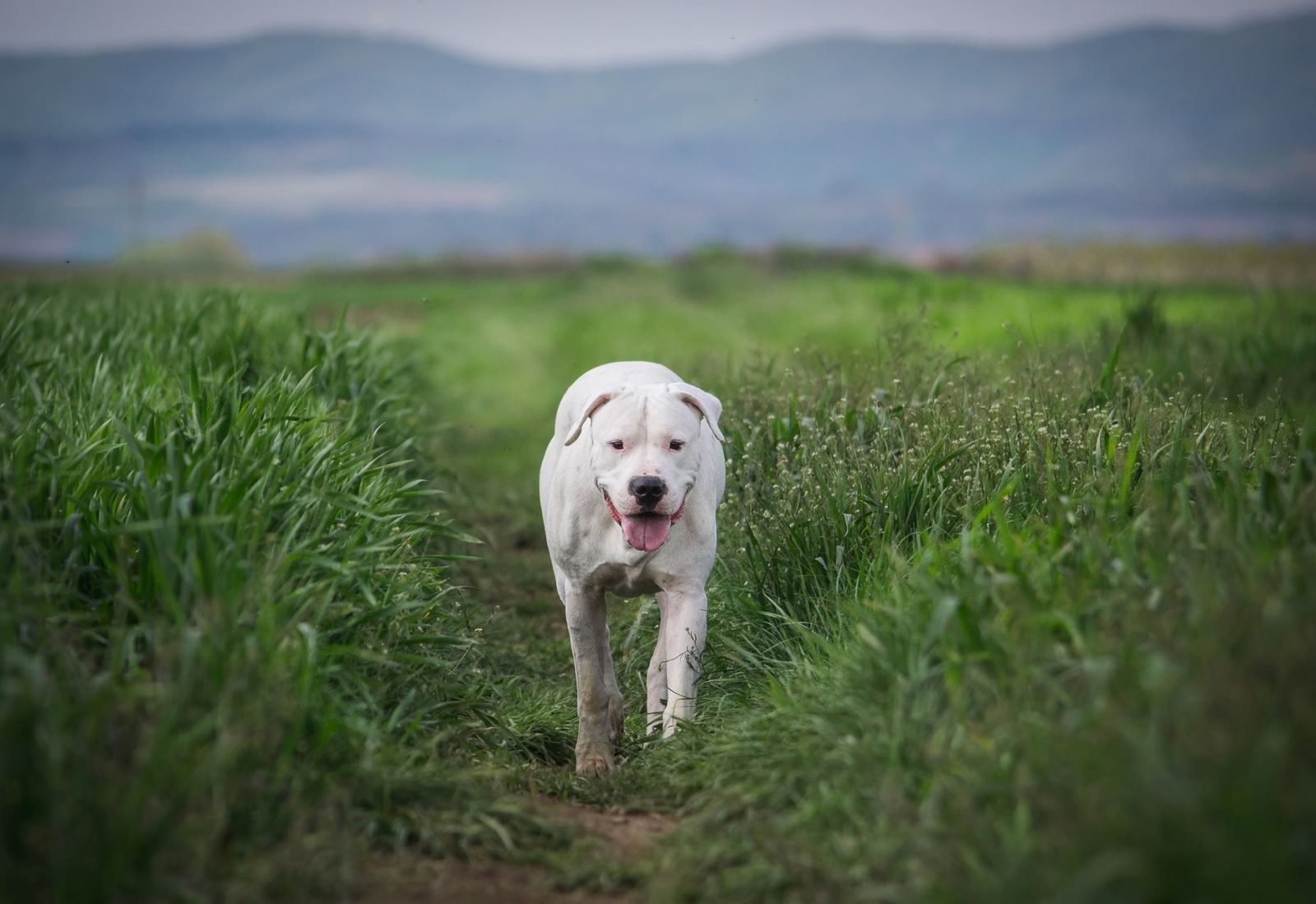
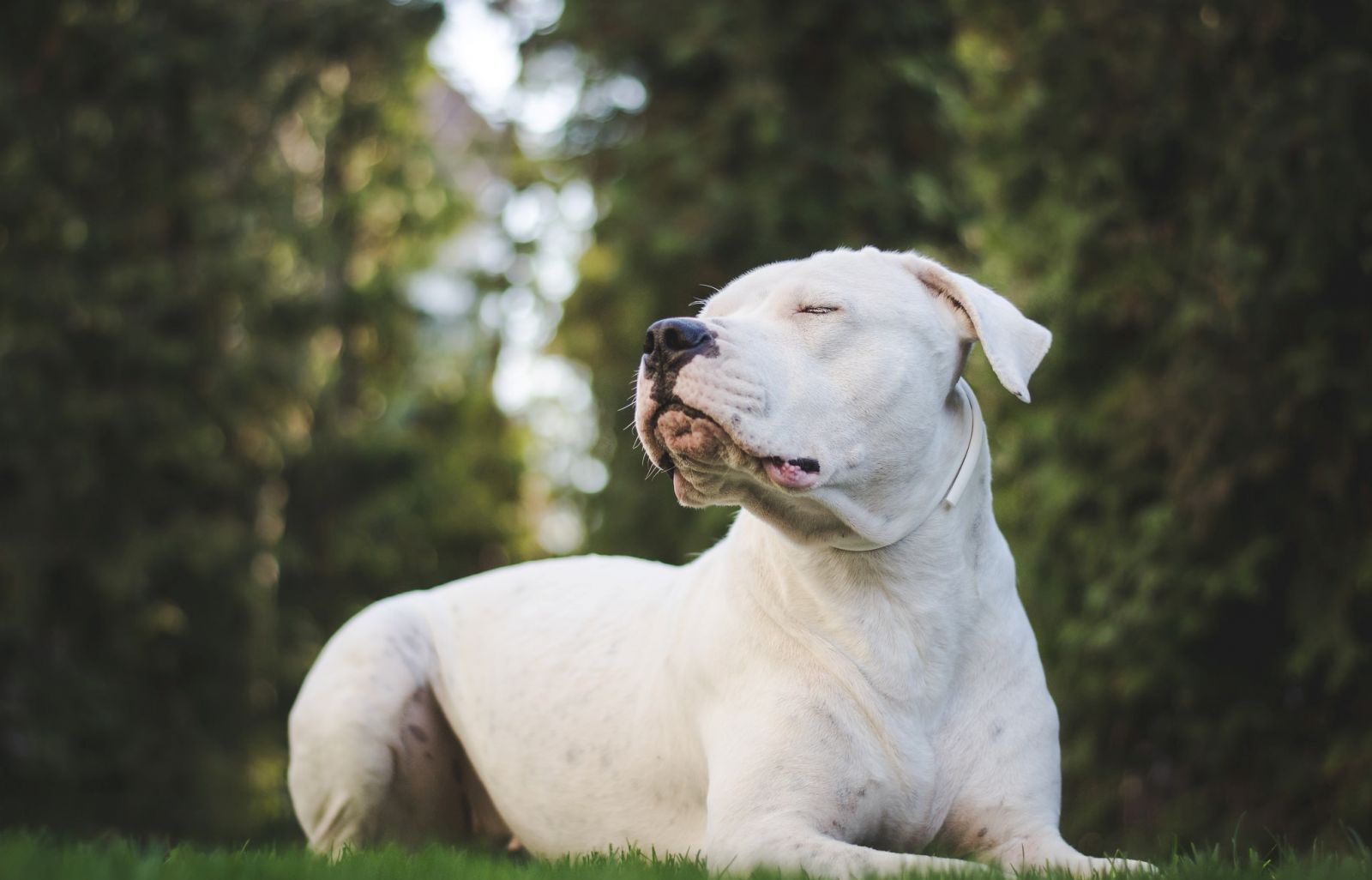
Photos of Argentine Dogos (Mastiffs):
.jpg)
Read also:


Add a comment