
Arabian Mau (Arabian Mau)
Arabian Mau The Arabian cat is a native cat breed that is widespread in the Persian Gulf countries but virtually unknown outside of them. Arabian cats are intelligent, physically strong, and have a truly feline temperament.
Content
History of origin
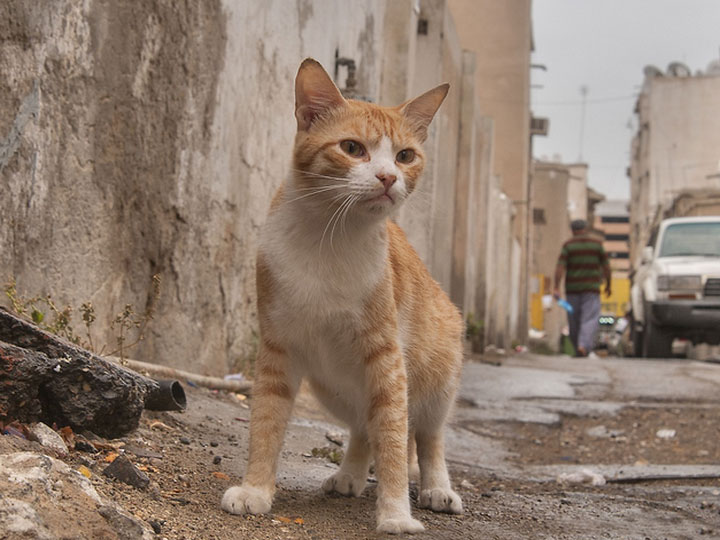
The Arabian Mau is an aboriginal cat breed, evolving naturally without human intervention. An ancient Arabian legend holds that cats were born when a lion sneezed, but felinologists still believe that the Mau descended from the wild steppe cats of the Arabian Peninsula. Life in the extremely hot Arabian deserts left its mark on the cats' appearance, giving them short fur and high legs. For a long time, they remained ordinary, unremarkable stray cats.
The stray cat population was first brought to the attention of Petra Müller, president of the Middle East Cat Fanciers' Association, in 2004. She established the first Arabian Mau cattery and began developing and popularizing the breed.
In 2008, the WCF adopted general standards for the breed and included it in its list of provisionally registered breeds. Other feline organizations are still leaving the breed's recognition open.
Video about the Arabian Mau cat breed:
Appearance
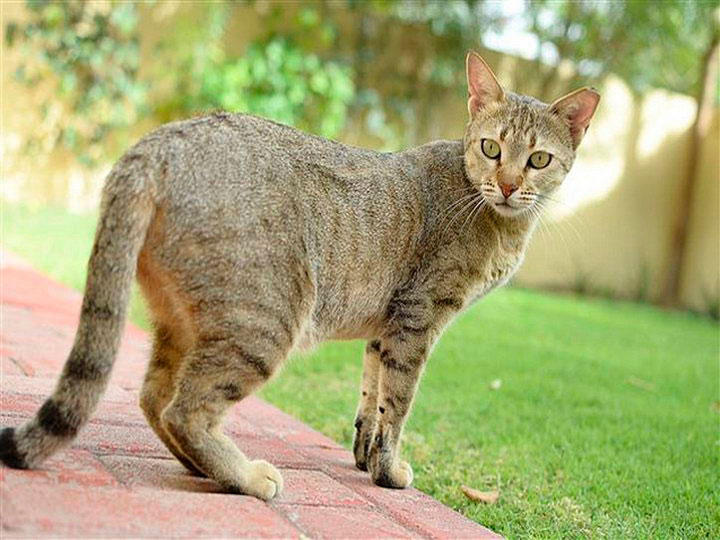
Arabian Mau cats are medium-sized, sturdy, well-muscled cats with long legs. They should not appear too thin, but they should also not be too stocky. Both in person and in photos, they resemble their closest relatives, the Egyptian Mau. Their weight ranges from 4 to 8 kg. Males are noticeably larger and stronger than females.
The head is longer than wide. The whisker pads are well defined. The profile is slightly arched, with a well-defined chin. The ears are large and set fairly wide apart. The eyes are oval in shape and should match the coat color.
The body is characterized by a strong structure and smooth lines, with well-developed muscles. The legs are long with oval paws. The tail is also quite long, tapering noticeably toward the tip.
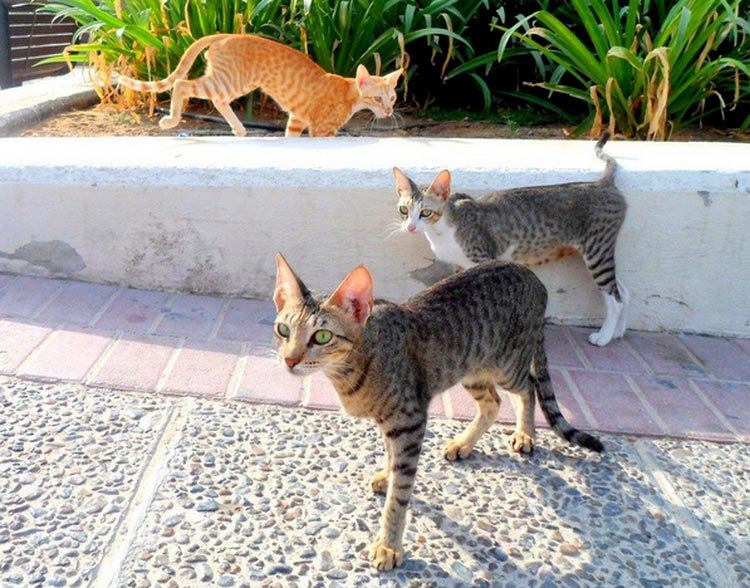
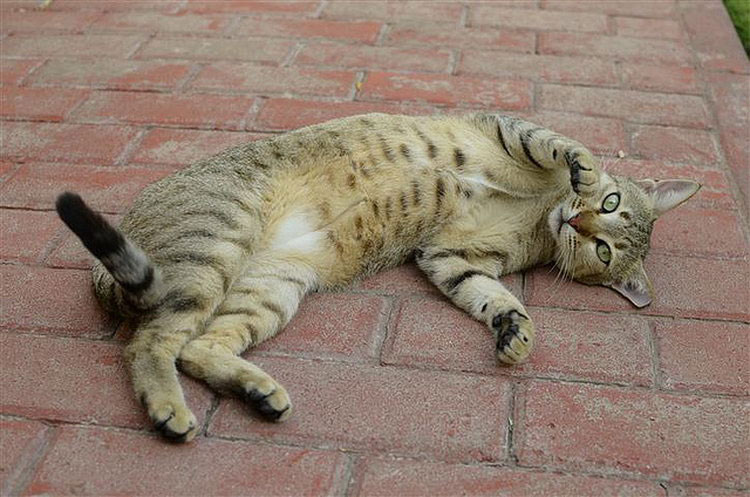
The coat is short, without an undercoat, and lies very close to the body. The coat should be hard and dense to the touch, but soft and shiny in appearance. Only kittens can have silky fur before their first shedding.
The standard allows the following colors:
- white (without yellowness);
- black (no rust marks);
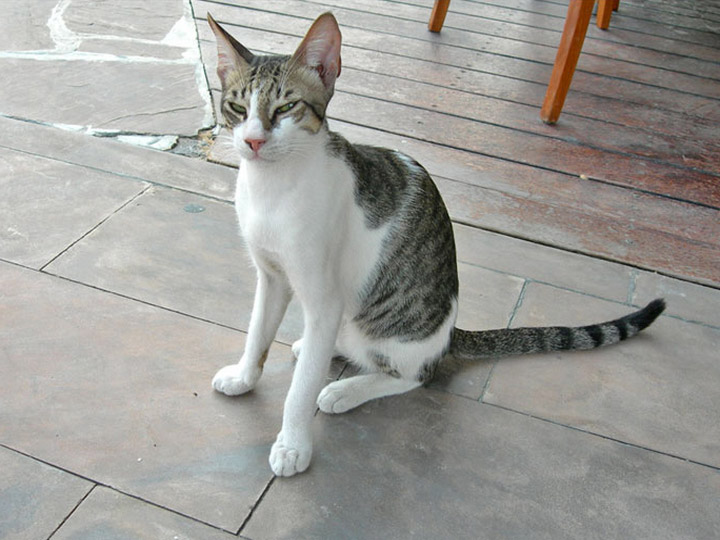
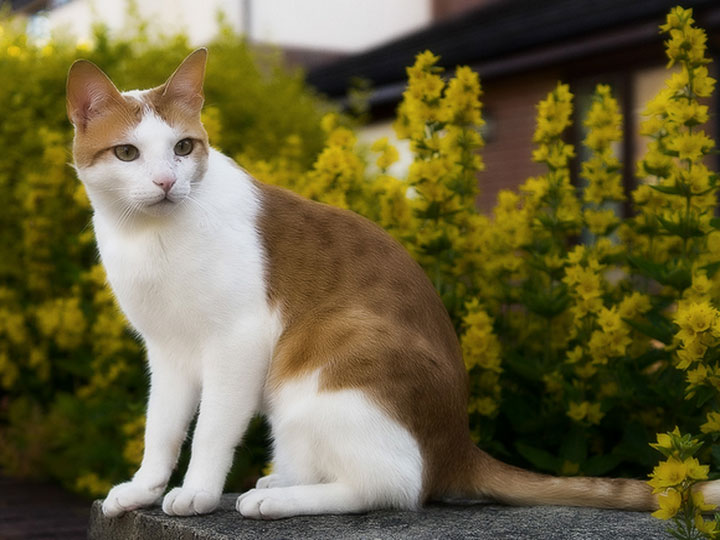
- black and white;
- brown;
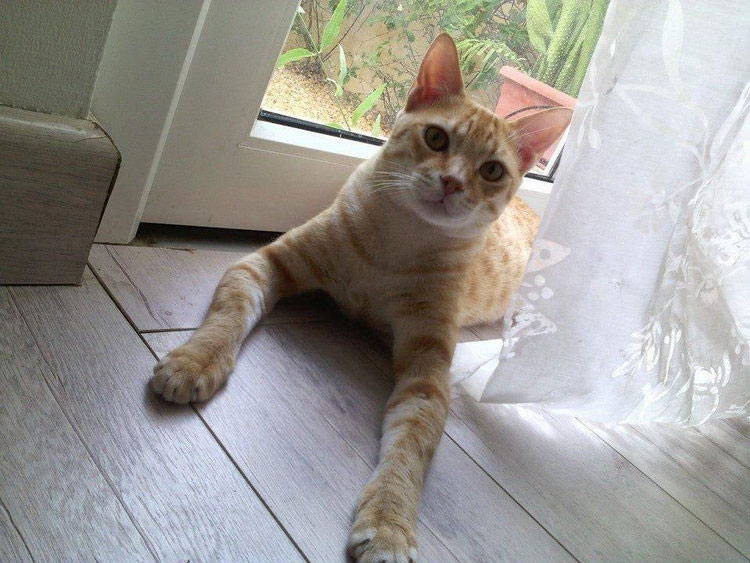
- grey and white tabby (mackerel or spotted).
Character
Arabian Mau cats have the character of a true cat. They are independent and self-sufficient, and very freedom-loving. They get along well with other pets, especially dogs, at home. This cat will not be a toy in the hands of strangers and will not tolerate infringement of its rights. Typically, a Mau bonds with only one family member and showers them with all its love. These animals are characterized by such traits as sociability, gentleness, and friendliness, just like their distant wild relatives. savannahsThey prefer to observe events from above. They are very territorial and defend their boundaries with all their might.
Another characteristic trait is their silence. These cats won't disturb their owners with heart-rending cries, and they don't require much attention unless they live in an apartment without access to the outdoors. Arabian Maus are rarely tame; they won't sit and purr for long periods of time. Instead, they prefer to settle down somewhere nearby, within arm's reach, so they can observe what's going on. Maus are also excellent hunters.
Maintenance and care
Arabian cats adapt well to any living conditions, but a private home with free-roaming facilities is still the ideal choice. If daily walks are unaffordable, you'll need to provide your cat with indoor entertainment. A cat park, a play structure, and several toys are ideal.
Mau are very clean and shed almost nothing. They rarely have problems; thanks to their Arabian roots, they are hardy and not picky eaters. However, owners and breeders prefer to feed their cats complete dry or wet food. These cats are great eaters and can overeat, but thanks to their high activity level, they are not prone to obesity.
Arabian Mau's short coat doesn't require much grooming. It only requires occasional brushing with a thick, natural-bristle brush and occasional ear cleaning to remove wax buildup. Their claws are very sharp and long. If the cat doesn't go outside, they can be trimmed.
Health
Like many other native breeds, the Arabian Mau boasts excellent health. With proper care and nutrition, Arabian cats rarely get sick and can live 15 years or more. They are well adapted to hot climates, but do not tolerate cold well due to the lack of an undercoat.
Where to buy an Arabian Mau kitten, price
It's virtually impossible to buy this breed outside of Arab countries. Breeding is not carried out by European or American breeders. Most of the breeders are located in the United Arab Emirates. Outside of Arab countries, it is very difficult to breed Arabian Mau, as it is recommended to cross them with native stray cats of a suitable phenotype every fifth generation in order to preserve the original appearance.
The average price for a kitten is $1,000, but given that it can only be purchased in the Middle East, shipping costs must be added to the price.
Photos
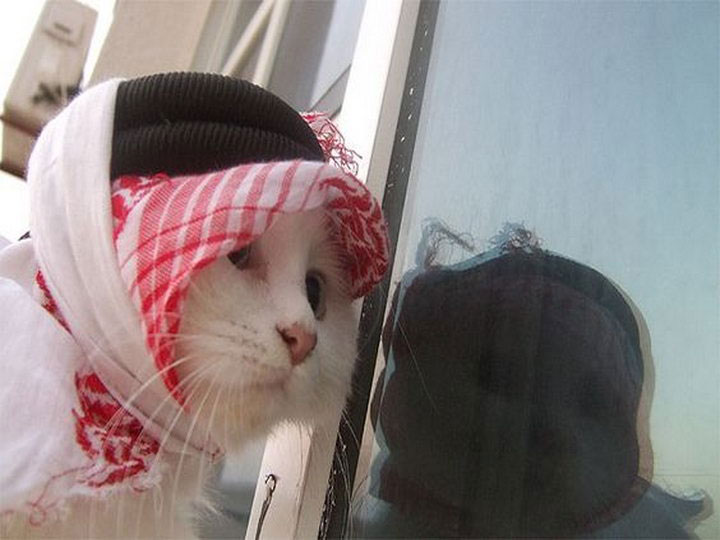
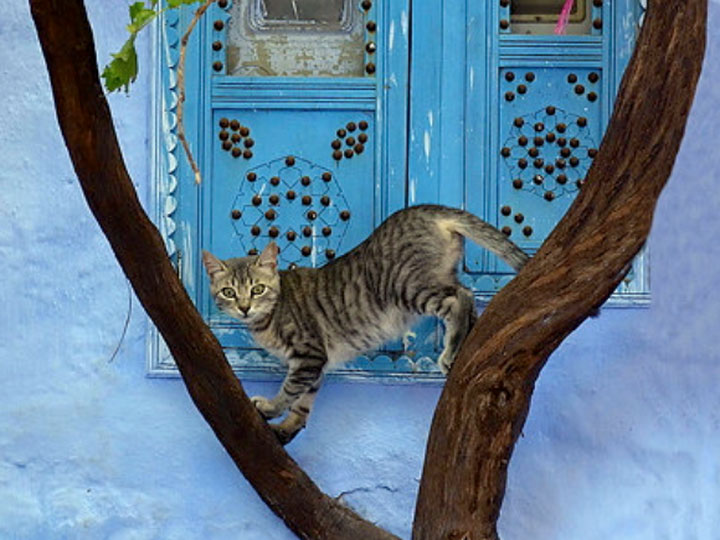
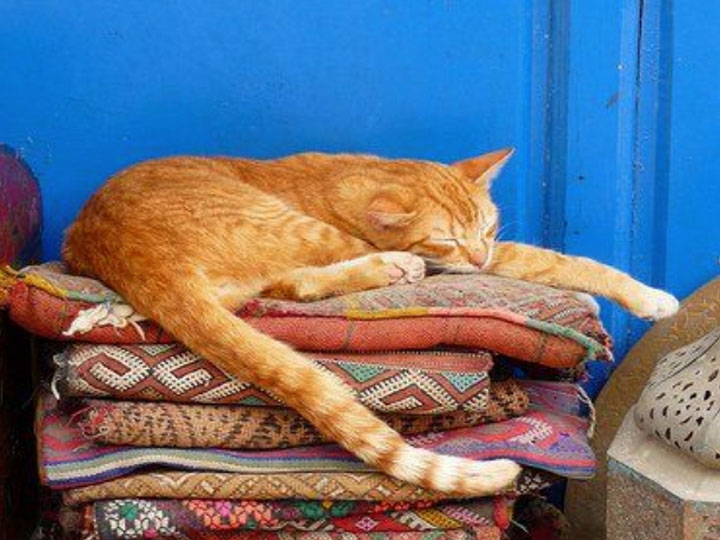
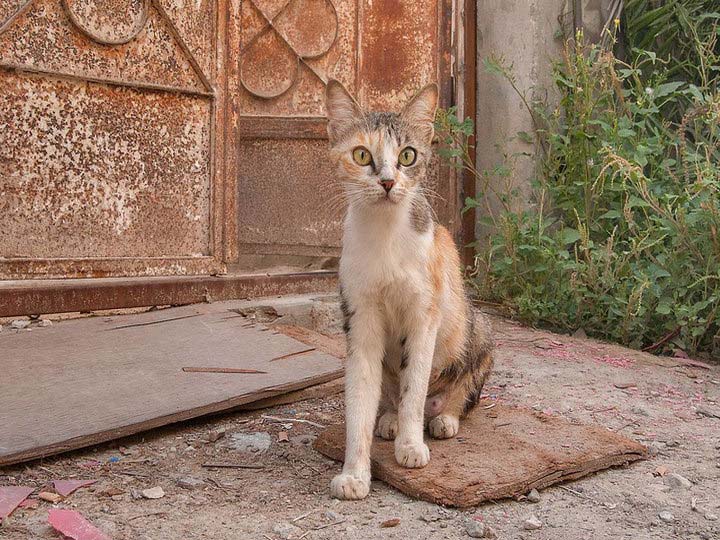
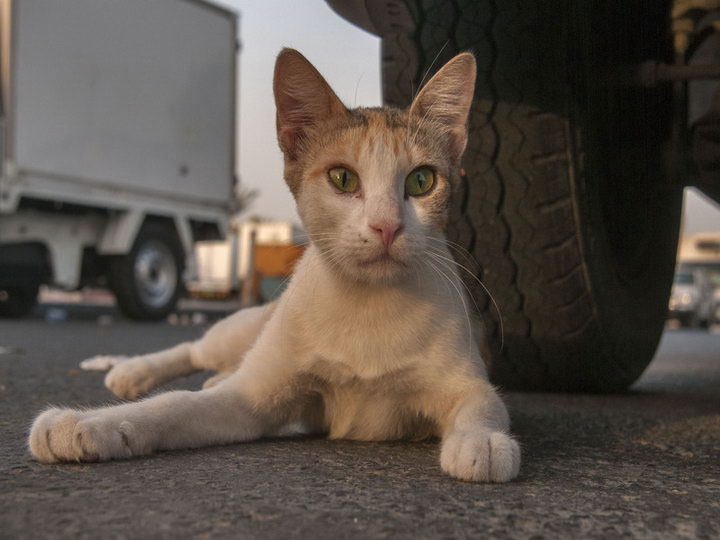
The gallery contains photos of Arabian Mau cats:
Read also:


1 comment
Vadim
In Israel, they roam the streets in herds.
Add a comment