
Apoquel for dogs
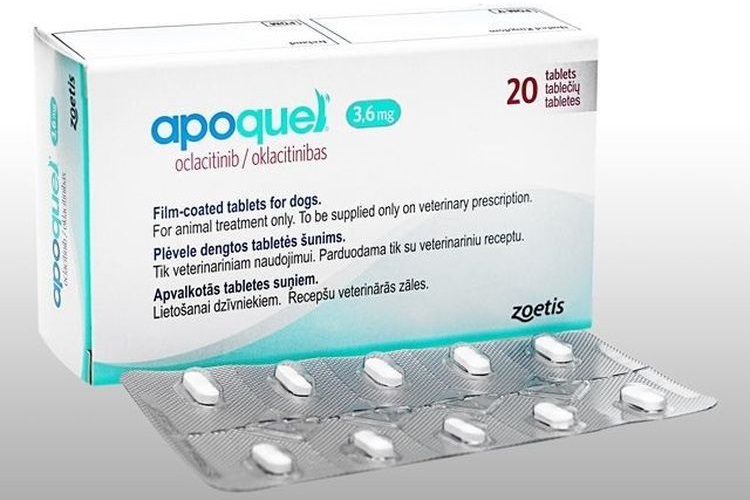
The instructions for Apoquel for dogs indicate that the medication helps control the symptoms of allergic and atopic dermatitis in dogs. The medication relieves itching in just 12 hours. However, the effect lasts only 24 hours, so in most cases, tablets must be administered daily.
Content
Indications for use
The main active ingredient (oclacitinib) targets cytokines (specialized immune system cells) to key mechanisms that trigger itching. Apoquel may be prescribed for dogs by a veterinarian if:
- flea allergic dermatitis;
- atopic dermatitis;
- food allergic dermatitis;
- contact dermatitis;
- demodectic scabies.

The main reason allergies dogs can have food products, parasites, plants, as well as hair or dust. Apoquel (or Apoquel) was patented less than fifteen years ago. Previously, steroids were the only treatment used in veterinary medicine. However, there was a problem with the development of short-term side effects, including increased blood pressure, rapid breathing, and urination in dogs. Apoquel, however, is considered a more gentle medication.
A veterinarian typically prescribes comprehensive allergy treatment. Special medicated shampoos, lotions, and sprays, supplementing the pet's diet with hypoallergenic foods, and antihistamines can all help speed up the dog's recovery.
Dosage selection
Apoquel is neither an antihistamine nor a steroid, but an entirely new type of medication that works by blocking the inflammatory process caused by an allergic reaction. These tablets have proven effective in relieving itching associated with the main types of dermatitis. Apoquel blocks the JAK-1 and JAK-2 receptors. When allergens enter the body, these receptors signal danger, and the brain sends a corresponding signal to the skin. This results in itching, which serves a single purpose: to alert the wearer to the connection between consuming a certain product and the occurrence of unpleasant consequences.
Caution! This medication should not be given to dogs without veterinarian approval. The dosage listed in the instructions should be considered a general recommendation only.
The instructions for use recommend administering tablets at a dosage of 0.4-0.6 mg/kg of animal weight every 12 hours for 14 days, then 0.4-0.6 mg/kg once daily (but not more than 14 weeks). Exceeding the recommended dose is strictly prohibited. In most pets, all unpleasant symptoms completely disappear within 2 weeks. If the dog still experiences itching, treatment is continued. In very rare cases, if the dermatitis progresses and does not respond to Apoquel, daily steroid injections are prescribed.
If the owner decides to treat their pet's itching without first consulting a veterinarian, remember that the medication is prohibited for use in puppies under 12 months of age, as well as pregnant and lactating female dogs.
Contraindications
The price of Apoquel ranges from 1,700 rubles to 13,000 rubles per package. According to the instructions, it can be used in combination with any other medications (except immunosuppressants and anticonvulsants). Combination with steroids and cyclosporine is recommended only in particularly severe cases. In these cases, steroids should be administered at a dose of no more than 0.5 mg/kg and for no longer than seven days.
According to the instructions for Apoquel for dogs, side effects are virtually nonexistent. However, independent studies have identified several significant side effects associated with long-term (more than 12 weeks) use of the tablets.
Oclacitinib can temporarily suppress a dog's immune system. This means the animal will be more susceptible to infections for a period of time. If the dog has previously suffered from inflammatory, infectious, or cancerous diseases, there is a risk of relapse. An abnormal immune response to a slightly higher Apoquel dosage is also possible. In 7 out of 10 dogs examined, veterinarians found swollen lymph nodes and cyst growths.
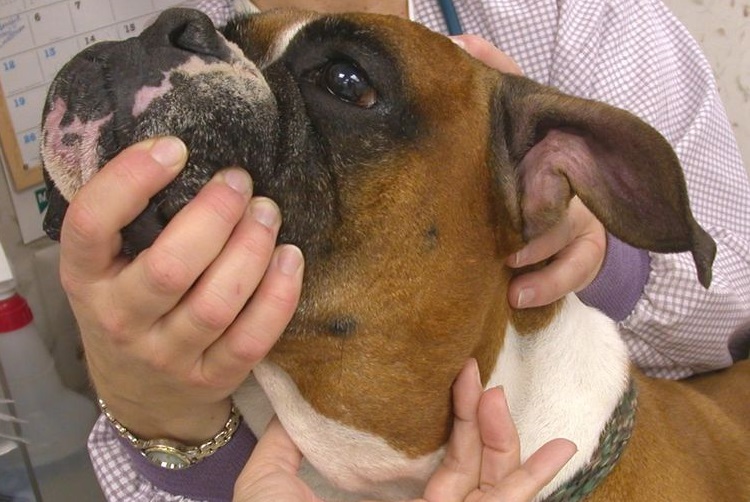
Permanent blockade of the JAK-1 and JAK-2 receptors not only eliminates itching but also leads to negative consequences (with long-term use). These receptors cannot be permanently blocked, as they are essential for the normal functioning of the immune system. JAK-1 constantly "scans" the dog's body for parasites, fungi, bacteria, and viruses. This protein is what triggers the development of unpleasant symptoms, which help owners quickly notice changes in their pet's behavior. JAK-2 is vital for the normal production of red and white blood cells. Whenever Apoquel artificially blocks these receptors, they cease to perform their primary functions. During this time, the dog's health is compromised. A decrease in red and white blood cell count leads to anemia. And if the body loses the ability to promptly signal abnormal cells, the risk of sudden death increases. The owner simply won't know the dog is sick, as no outward symptoms will appear.
Safety rules
Veterinarians prescribe Apoquel only to dogs whose itching is caused by dermatitis associated with allergic reactions. It is impossible to determine the true cause of the itching without a trip to the vet. If the itching is caused by parasitic mites or a bacterial skin infection, Apoquel will only worsen the condition.
The drug will simply suppress an already weakened immune system. Veterinarians have also noted a sharp increase in demodectic mites during treatment with Apoquel. Pathogenic mites can indeed be found on the skin of even the healthiest dog. However, if the immune system is functioning normally, the parasites will not affect the animal's condition. It also promotes the development of bacterial pyoderma.
To ensure the medication does not worsen your pet's overall health, follow these simple recommendations:
- Never use Apoquel without prior veterinary examination;
- give tablets mixed with food to reduce the risk of vomiting;
- Do not give the drug to dogs suffering from serious infections;
- Do not combine with any other medications without prior veterinarian approval;
- Contact a veterinary clinic if the dog has not responded to the seven-day treatment (it is prohibited to extend the therapy without permission).

The veterinarian will calculate the dosage and additional treatment time based on the results of the animal's blood and urine tests. To ensure positive treatment results, the doctor may supplement the therapy with common medications such as nonsteroidal anti-inflammatory drugs, antibiotics, anticonvulsants, and topical ointments. In particularly severe cases, cyclosporine or corticosteroids may be prescribed. However, self-prescribing additional medications to your dog is strictly prohibited.
Side effects
Official studies and instructions state that no side effects occur when the correct dosage is used. However, real-life reviews of Apoquel for dogs from owners indicate that animals sometimes experience:
- diarrhea;
- vomit;
- loss of appetite;
- constant thirst;
- skin rashes;
- small subcutaneous tumors;
- general lethargy.
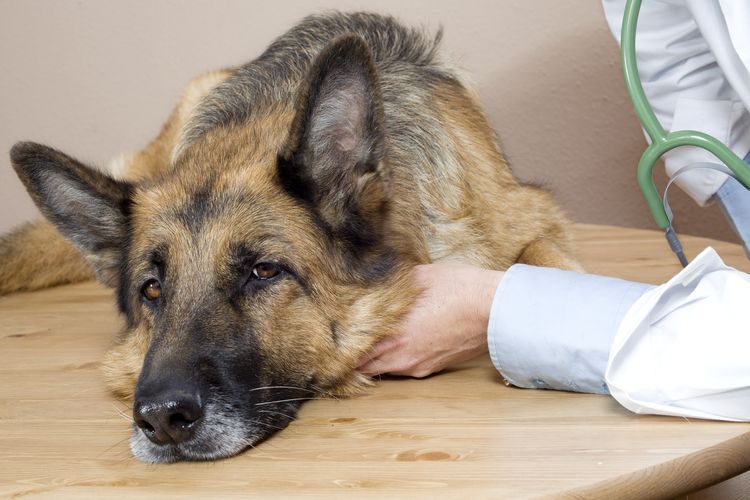
Doctors note the danger of both acute and chronic overdoses. While in the former case, the dog immediately begins vomiting, the signs of chronic overdosage are quite difficult to recognize. After approximately six weeks of therapy, the dog may develop lymphadenopathy and cystic disease.
Owner reviews
Olga, 29 years old:
"My Pekingese suffered from atopic dermatitis for a long time. Previously, the vet only prescribed Cyclosporine, but the red, itchy spots on his paws and tummy kept reappearing. During our last visit to the clinic, she suggested switching to Apoquel for dogs. The price was certainly a bit of a surprise (I paid 1,800 rubles for 20 tablets). But within 24 hours of starting treatment, my pet stopped scratching. There were no side effects, so I can confidently recommend the tablets to anyone unsure how to treat their dog's dermatitis."
Victoria, 42 years old:
"My pet suffered from dermatitis practically from birth. He developed allergies to literally everything: food, a new leash, and even a change in the park. I'd read that setters are prone to allergies, but I didn't expect such severe reactions. Over three years, I treated him with steroids and hormones, but nothing produced lasting results. A brand-new drug, Apoquel, helped. I was a bit apprehensive about giving it to my dog, as there were very few reviews online. The vet calculated that, given his weight (almost 25 kg!), he would need tablets with 16 mg of the active ingredient. I paid 3,500 rubles for a pack of 20 tablets. But the price was completely worth it: a two-week course of treatment helped him forget about the dermatitis for almost a year!"
Read also:


2 comments
Svetlana
Apoquel also helped our pug only for a while. Then it all came back. The doctor says to continue the Apoquel, but it's making him worse! We don't even know what to do...
Andrey
Hi all!
Apoquel is certainly an excellent drug. Before taking it, my Labrador, after 2.5 years, started itching profusely, his paws became covered in ulcers, and he constantly chewed and licked them. I've visited numerous veterinarians, but there's no result. It's just a waste of money, as they all scam me with tests, injections, examinations, and the doctor's smarmy demeanor.
A "dog lover" recommended Apoquel, and everything we'd been struggling with for almost two years is now clearing up and healing. We completed the course of treatment and were thrilled to finally have found what we needed. BUT... a week after finishing the course, it all came back even worse than before. HORRIBLE... Now the dog is addicted to these miracle pills like a drug addict. And they're VERY expensive, and if you don't give them, everything gets worse than before.
This is my review!!!
Add a comment