
Antibiotics for cats
Antibacterial drugs, or antibiotics, are widely used in veterinary practice to treat diseases caused by pathogenic bacteria, fungi, or protozoa. Viral infections are not treated with antibacterial agents, and non-cellular organisms do not respond to them.
Antimicrobial agents are available for both topical (external) and systemic use. Topical agents include ointments, liniments, gels, powders, aerosols, suppositories, and drops. For internal use, tablets, capsules, mixtures, and injectable solutions are available.
Content
Types of antibacterial agents
Drugs that affect a specific type of pathogenic microflora are classified as narrow-spectrum antibiotics, while drugs that can destroy several types of bacteria are classified as broad-spectrum drugs.
Based on their mode of action on the pathogen, antibacterial agents are classified as bactericidal and bacteriostatic. The former kill bacteria, while the latter prevent them from reproducing. Over time, the microbial population dwindles, and their waste products are naturally eliminated from the body.
Good to know! The mode of action of an antibiotic is extremely important. For example, in infectious urethritis, bacteria killed en masse by a bactericidal drug can cause urethral obstruction or the development of urolithiasis. Meanwhile, in cases of purulent endometritis or sepsis, antibiotics can save a cat's life.
Indications for antibiotic therapy
For cats, a group of antimicrobial drugs is used in the treatment of:
- pneumonia;
- pyelonephritis;
- inflammation of the urinary system (cystitis, urethritis);
- infectious diseases of the upper respiratory tract;
- inflammatory eye diseases;
- leptospirosis;
- pseudomonosis;
- intestinal infections;
- deep or purulent wounds, abscesses after injuries;
- skin diseases;
- oncological diseases (as auxiliary means to prevent infection of tissues affected by the tumor).
Antibiotics for cats are also used for prophylactic purposes: they are prescribed after operations to prevent purulent complications and shorten the recovery period (for example, after sterilization of a cat).
Side effects, contraindications
Like any medication, antibiotics can cause side effects. The most common is dysbiosis. Along with harmful microorganisms, the antimicrobial drug destroys some of the natural microflora, leading to gastrointestinal disturbances. For example, a cat may experience diarrhea after taking antibiotics. Therefore, antibacterial medications are usually prescribed with probiotics, which restore the intestinal microflora. The probiotic is continued for 2-3 weeks after completing antibiotic therapy.
Medications always contain additional ingredients: emulsifiers, stabilizers, preservatives, and excipients. Some of these can cause allergic reactions in cats (itching, skin rashes).
Other side effects of antimicrobials in cats depend on the type of drug, dosage, and duration of administration. Potential side effects of antibiotic use include:
- swelling caused by the immune system's reaction to a foreign substance;
- vomiting, which is usually associated with individual intolerance to the drug;
- difficulty breathing;
- muscle spasms (convulsions).
The metabolites of many antimicrobials are excreted through the kidneys, and if the animal has a urinary tract disease, this may be exacerbated. The aminoglycoside monomycin should not be administered to patients with liver or kidney disease, and the bacteriostatic agents chloramphenicol and synthomycin are contraindicated for certain skin conditions. All these factors must be taken into account when prescribing an antimicrobial to a cat.
Important! Antibiotics negatively impact reproductive function. Therefore, it is not recommended to mate cats for three months after a course of antibiotic therapy, as this may result in defective offspring.
Rules of application
When treating cats with antibiotics, it's crucial to follow the correct dosage. Insufficient doses will not completely eradicate the infection, even if the external symptoms resolve. Excessive doses can lead to poisoning or even death, as many antimicrobials are toxic.
Another important factor in successful treatment is the quality of the medication. It's best to purchase medications for cats from licensed veterinary pharmacies. Be sure to check the medication's expiration date.
A cat owner must learn how to properly administer medication to their animal. Kittens are the easiest to administer—medications are available in drops or mixtures that are easily applied to the back of the kitten's tongue. If you need to give a kitten a pill, it's best to break it into several pieces, then place each piece deep on the side of the tongue. Adult cats are given pills in the same way, but whole, not in pieces.
If your cat is prescribed an injection, it's best to have a vet administer the first shot. They'll be able to monitor your cat's reaction to the medication and, if necessary, provide first aid. injections can be done at homeYour veterinarian will tell you how often to administer antibiotics, as each medication has its own daily dosage.
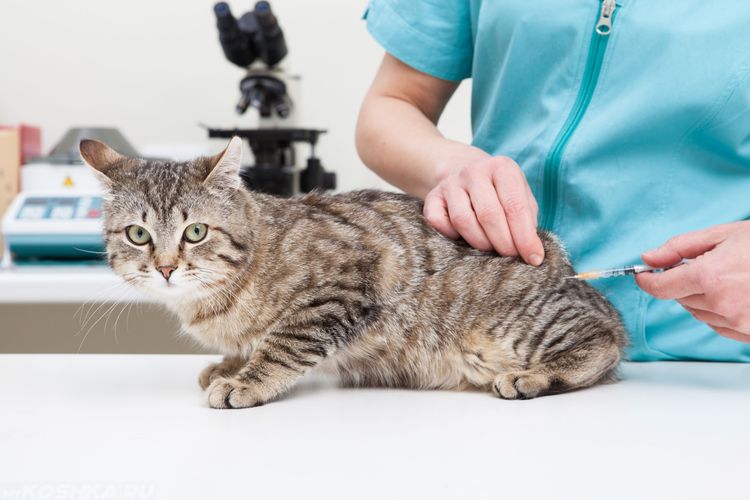
For cats, the most convenient injection route is subcutaneous, either in the withers or the fold of the knee. The injection is administered with a syringe of appropriate volume, and a thin needle is recommended. No need to apply alcohol to the injection site. The skin at the injection site should be gathered into a fold, then pierced, ensuring that the needle does not penetrate completely and that its tip is within the subcutaneous space. Then, quickly inject the medication and, holding the skin in place, withdraw the needle. If the subcutaneous injection is administered correctly, the cat will feel virtually no pain.
Antibiotics used to treat cats
A veterinarian determines which antibiotic is needed in each specific case after examining the animal and conducting the necessary tests. Even if the owner has medical training, they are unlikely to be able to independently determine the cause of the inflammation and choose the right medication that will provide the best results without causing harm.
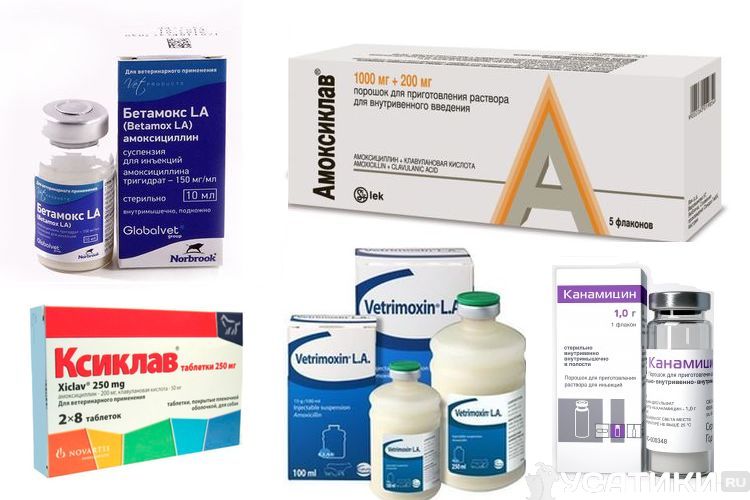
For respiratory tract infections, pneumonia, bronchopneumonia, diseases of the genitourinary system - metritis, urethritis, cystitis cats are prescribed:
- Amoxiclav (a blister pack of 10 tablets costs 300–350 rubles);
- Betamox (suspension with an active substance content of 150 mg/ml, price of a 100 ml bottle from 500 to 550 rubles);
- Gentamicin (4% injection solution, cost of a 10 ml bottle is 25 rubles);
- Amoxicillin (15% injection solution, 10 ml vials, price 90 rubles);
- Enrofloxacin (10% injection solution, cost of a 100 ml bottle is 28 rubles);
- Kanamycin or Alfasan (25% injection solution, bottle volume 100 ml, price 400–450 rubles);
- Vetrimoxin (15% injection solution, cost of a 100 ml bottle is about 800 rubles).
For eye infections, ear infections, deep wounds, and bacterial infections of the mouth, soft tissues, and skin, injections of Azithromycin or Gentamicin are usually prescribed. One 10-ml ampoule of these medications costs approximately 25-30 rubles. Also used to treat skin and mucous membrane diseases caused by streptococci, staphylococci, chlamydia, salmonella, mycoplasma, Escherichia coli, and Borrelia (Lyme disease) are:
- Amuril;
- Vetrimoxin;
- Clavulanate;
- Oxytetracycline;
- Enrofloxacin;
- Enromag.
The bactericidal drug Xiclav is effective in treating gastrointestinal infections, birth injuries, and inflammatory diseases of the reproductive organs in cats. A package of 16 500 mg tablets costs 930 rubles. Contraindications to Xiclav include hypersensitivity to penicillins.
Veterinary Oxytetracycline is used to treat oral, nasopharyngeal and eye infections caused by protozoan microorganisms (Trichomonas, Giardia lamblia, malarial plasmodium), while fifth-generation cephalosporin Recef 4.0 is used to treat respiratory diseases caused by gram-positive and gram-negative bacteria.
The price of 100 ml of injection solution is 160 rubles. Recef 4.0, a fifth-generation cephalosporin, is used to treat respiratory infections caused by gram-positive and gram-negative bacteria. It is available as a powder used to prepare injection solutions. A 100 ml bottle costs approximately 700 rubles.
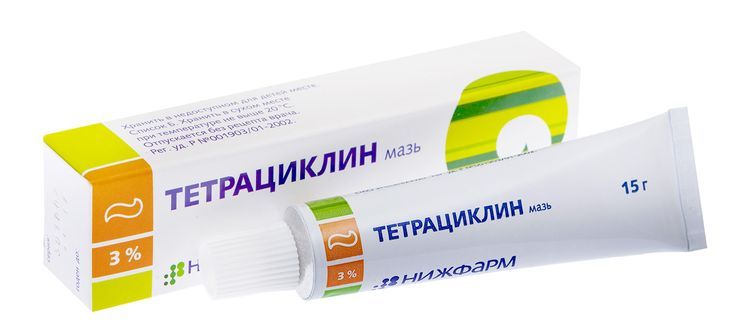
Of the external remedies for the treatment of infected wounds, boils, pustular skin diseases, eczema, and burns, Tetracycline ointment is most widely used.
Important! When treating with antibiotics, it is crucial to complete the full course; it should not be shortened, even if the cat appears healthy. This is because bacteria remaining in the body become more resistant to the harmful substances, more aggressive, and therefore pose a greater risk.
Almost all veterinary antibiotics have a "human" equivalent. Sometimes these medications are also used for cats if the animal needs urgent treatment and the veterinary version is unavailable for some reason. The dosage for an adult cat is the same as for a newborn, and for kittens, this dosage is halved.
Read also:


58 comments
Arina
Hello, please help me with some advice. My old cat vomits all his food as soon as he eats. What could it be and how can I help?
Tatyana Shmonina - veterinarian
Hello! You need to get your dog blood tested and see a veterinarian!
Elena
Good afternoon, please tell me what to do. My 10-year-old British cat can barely walk. He was at the dacha for a couple of days after that, one eye suddenly started watering, then white discharge appeared. We started giving him Bars drops, but they didn't help. His upper and lower eyelids became inflamed, the lower one is very swollen, and he started bleeding. The vet recommended Tobrex drops and tetracycline ointment. The swelling went down and he turned pale, but a spot appeared at the edge of his eye. What should I do? (It's been 10 days, there's no fever, the other eye is normal). We also wipe it with chamomile and give it orally.)
Daria is a veterinarian
Hello! There may have been a corneal injury, resulting in keratitis. Time was lost on Bars, so a small cataract may remain. For some, it clears over time, while for others, it remains intact. It all depends on the depth of the corneal injury. Is your eye dry? Should I use a tear substitute?
Hope
Hello. My cat has ketitis. I was prescribed Unidox Solutab for three weeks. Can I take it for that long?
Daria is a veterinarian
Hello! Either you misspelled the diagnosis, or my brain has lost track of that condition in the recesses of my memory. Perhaps you meant keratitis? Then yes, the course is too long. There are other, safer medications available. If chlamydia or mycoplasma (the most common eye pathogens in cats) are suspected, Unidox is prescribed, but such a long course in any case requires strict monitoring and observation. And such a diagnosis is made after testing.
Adik
Hello. I live in a small village and have a 10-month-old cat, a mixed-breed, who has never been to the vet. She hasn't eaten or drunk for two days now. She's been lying in one spot, depressed, with a fever, and her nose and ears are hot. There's no diarrhea, vomiting, or discharge from the nose or eyes. A man is coming from the city, and I can ask him to buy antibiotics. Which broad-spectrum antibiotics are best? What syringes are available? I'll administer the injections myself, into the scruff of the neck. Thank you.
Julia
Hello, my cat has a severe inflammation on one side of her face near her nose. Her eyes are watery, she sneezes a lot, snores, and whistles. There's pus coming out of her eye. However, she's still active. Please advise what to do if I can't see a vet. Thank you.
Daria is a veterinarian
Hello! Your pet may have purulent conjunctivitis (due to some kind of injury). If it's an infection, the lesion is often symmetrical (symptoms are similar on both sides; if not simultaneously, then the same symptoms will soon develop). Wipe the eye with a sterile aqueous solution of furacilin (from the outer corner to the inner corner) at least three times a day. Apply at least Tobradex eye drops (an antibiotic and the hormone dexamethasone, which reduces inflammation). And give intramuscular antibiotics for about 5 days to kill the bacteria (pus is always bacteria). My advice is to take your pet to the veterinarian immediately to prevent further damage. Otherwise, the animal may lose an eye or the inflammation may spread further, even to the brain.
Alexandra
Hello, doctor! We adopted a 1.5 month old kitten. Six days later, he became ill. He started sneezing very frequently, squinting his eye (with transparent white discharge), and a crust formed near his nose on the left side (there was also transparent yellowish discharge from his nose). We went to the doctor and got tested. The doctor immediately prescribed the children's antibiotic Sumamed (a 6-day course) (and Ciprovet eye and nose drops). The test revealed a feline cold (mycoplasmosis). A month after the treatment, he began squinting his eye again (with transparent discharge from the eye) and sneezing. We didn't wait and immediately bought the same thing we treated him with a month ago! Now I'm very worried. We gave him an anthelmintic 10 days before he got sick. Could this be the reason for his relapse or is there something else? The cat is active, plays, has a good appetite, and his stool is fine, only his nose is warm.
Maybe we didn't treat it properly the first time? Maybe a 10-day course of antibiotics is needed? To kill the infection?
Thank you!
Daria is a veterinarian
Hello! Mycoplasmosis isn't a feline cold, but a fairly common disease (including in humans). Essentially, it's a cousin of chlamydia. And completely eliminating this infection, especially in 5-6 days, is extremely difficult. It's not even the days involved, but the medication itself. It's possible the cat isn't sensitive to it. Perhaps you should consider a tetracycline or fluoroquinolone, but never self-medicate! The anthelmintic couldn't have had this effect on the animal. The animal's immunity simply weakened, and the infection reactivated.
Marina
Famvir, famciclovir—it's expensive, but the best medication. It'll clear up within a week. My cat has rhinotracheitis. Other similar medications aren't suitable. Plus Sumamed. It's the fastest and most effective treatment.
Nata
Hello. My four-year-old domestic cat has been breathing heavily with his mouth open and isn't eating properly. How can I treat this? He recently got into a fight with another domestic cat, and the cat bit him on the cheek.
Daria is a veterinarian
Hello! The animal needs to be examined to rule out mechanical damage, for example, to the upper respiratory tract or the cranial gastrointestinal tract (everything up to the stomach). It's possible that a foreign object has entered, causing discomfort, swelling, and hence the difficulty breathing. In this case, simply removing the foreign body is sufficient. However, if the problem is inflammatory, a course of antibiotics, nonsteroidal anti-inflammatory drugs, and symptomatic therapy (5 to 7 days) are recommended. If the animal has been fasting for a long time, IVs will be necessary.
Nikolay
A 2-year-old cat, unvaccinated, living in a village, on the street during the day, came to me at the age of a month, completely deaf.... therefore, you can approach him from behind and he will not hear.... a week ago he came with a hematoma on his head, between the ears (closer to the right)... I suspect a blow with a stick... although, it is possible that some kind of abscess... he immediately began to ask for help... he was shaking... fell asleep in my arms... hair began to fall out over the surface of the hematoma/abscess... today the abscess burst and pus flowed out... so far I am only treating it with hydrogen peroxide... his appetite has deteriorated slightly... PLEASE advise a method of treatment at home (since in our area there is a problem with the availability of a veterinarian and what antibiotics... I will be VERY grateful to you for any information... thank you in advance! Sincerely, M.K.
Daria is a veterinarian
Hello! Ideally, wash the wound area with a sterile aqueous solution of furacilin or chlorhexidine several times a day. Levomekol ointment can be applied to the surface (it has antibacterial properties). Oral antibiotics are also necessary (if injectable veterinary medications are not available, then at least human tablets or capsule contents). Use half the dose for a 3-year-old child. If possible, find Chemi-spray or other special sprays that contain antibiotics.
Natalia
Hello! Please advise. My Siamese cat has been living outside for the last year and a half. He must have been a pet at one point, as he's very sensitive to bagged cat food, more so than other foods. He was probably fed that way at one point. His breathing is wheezing, even whistling. His nose is runny. He's clearly sick. I'd like to help him. Could you tell me if I can give him amoxiclav with his food? Or should I try deworming medication first? Winter is coming, and I'd like to get him healthy or at least alleviate his condition. I don't know if he's vaccinated. He's an adult and has an appetite.
Daria is a veterinarian
Hello! It's very commendable that you want to help the animal. Regarding vaccinations, it doesn't matter whether he's been vaccinated, since, as you say, the cat has been homeless for a year and a half, meaning his immunity to viral diseases (even if he's been vaccinated before) has already disappeared. Deworming is a must. Amoxiclav can be given, but it's also recommended to give it an injection (with the same antiviral medications) because infectious rhinotracheitis needs to be ruled out. Also, the capsule is more difficult to dose, and the cat might not eat it all. It's a good idea to wipe his nose to remove any discharge. It's also important to determine whether the wheezing is due to nasal discharge or whether it's actually wheezing while breathing (in the bronchi or lungs). It's crucial to rule out pneumonia. Otherwise, amoxiclav won't save him.
Tatiana
Hello, I have a neutered Scottish Fold cat, 5 years old, weighing 6-7 kilograms. We feed him Royal Conin dry food for British Shorthairs. A few days ago, he started vomiting bile and foam (about 3 times a day), eats and drinks practically nothing, and his fur has become dull and appears yellowish (especially noticeable on his light gray coat). He has no diarrhea, and he sleeps constantly and is lethargic. He seems to be weakening. Today, I gave him water from a syringe and baby food, also through a syringe (he wouldn't have allowed me to do this before; he would have bitten and scratched him). I can't get to the vet yet, but a friend on the phone suggested cholecystitis. I gave him 1/4 amoxicillin (500 mg), bifidumbacterin, and 1/2 allochol. Please tell me what I'm doing wrong and what I should do.
Daria is a veterinarian
Hello! The first thing you did wrong was following someone else's advice and prescribing your own treatment. You need to get some serenia (as an antiemetic), and if you don't have it, then cerucal or metoclopramide. You'll need IVs. You probably won't be able to do this yourself, so at least Ringer-Locke's solution should be given subcutaneously, along with vitamin and mineral supplements (Aminoplex Light, Super-Amino, Super-Amino C—these are ideal supplements for supporting animals). Tonocard can be given subcutaneously or intramuscularly—0.5 ml for 3 days, Antitox/Averon also for 3-5 days. Katozal/Phosphosal/Vitosal, 1-2 ml each, also for 5 days. This will help support the animal until the vet's appointment, ensuring the liver receives the necessary vitamin B. Other important things to consider are an ultrasound and biochemistry.
Tatia
Hello! My cat was neutered. He licked the wound. Now it's festering. I'm treating it with hydrogen peroxide and applying Levomekol. What antibiotics should I take?
Daria is a veterinarian
Hello! If you can find an injectable veterinary antibiotic, that would be great. If not, at least human antibiotics are fine (the simplest are amoxicillin or amoxiclav). The treatment course is 5 days. It's best to use chlorhexidine or miramistin instead of hydrogen peroxide. Veterinary pharmacies carry a spray called Chemi-spray. It's excellent for treating wounds (including purulent ones). Protect the area from licking (use a collar). It's best to leave the wound open so it heals faster, so covering it with a blanket is not recommended.
Yana
Hello, my cat is scratching her neck really badly. All the fur on her neck has fallen out, she scratches until it becomes sore. But there is no visible inflammation - just bare skin with scratches. I gave her otodectin injections and flea drops as soon as she started scratching (a kitten came into the house from the street and brought fleas with him). Both she and the kitten were pierced. The kitten is fine, but the cat is completely scratched. Should I give her an antibiotic intravenously? I apply ointments to her neck to relieve the itching: levomekol, indomentacin, rescuer... I don't know what to do anymore. Her appetite and stool are normal. Can you tell me how to help her?
Daria is a veterinarian
Hello! Have you ruled out an allergic reaction? What exactly are you feeding him? Has he recently been given a new flea collar? Perhaps he was given something on the area a couple of days or a week before the itching first appeared? Perhaps he was given any supplements, minerals, dietary supplements, vitamins, or other medications? Think about it. Perhaps he was washed with a new shampoo? What's the "taste" of his food? Antibiotics are a must. There are wounds on the skin (the integrity of the skin is compromised, which is a gateway for infection). To prevent pyoderma, administer antibiotics. But you need to understand the cause of the itching (if it were a tick or an infection, the other pet would have started itching by now).
Svetlana
Good afternoon. My kitten's butt is inflamed and bleeding a little. It's sticking out about 1 cm. The doctor prescribed antibiotics, but so far there's been no change. What could it be and what other treatment is there?
Daria is a veterinarian
Hello! Based on the description, the animal has a partial rectal prolapse. Diarrhea may have occurred. Parasites may have been present. Increased intestinal peristalsis may have contributed to the prolapse. Antibiotics will reduce inflammation, but the intestine is unlikely to retract on its own. It is essential to relieve the inflammation as quickly as possible to prevent the prolapsed section from becoming strangulated. Otherwise, surgical removal of the prolapsed and swollen section will be necessary. Do not attempt to reposition the prolapsed section yourself! Otherwise, you will cause further injury and infection. You can also gently cleanse the area with chamomile tea or a furacilin solution.
Svetlana
Tell me, how can I relieve the inflammation? I've already had four antibiotic injections, and they've scheduled surgery for tomorrow to reset it. But the doctor will be doing it for the first time. He says he won't use stitches. Is that possible? I'm really worried.
Daria is a veterinarian
Hello! You can't seem to get the inflammation down in 24 hours. You should have also used nonsteroidal anti-inflammatory drugs in addition to the antibiotics. Without stitches? Doubtful, of course. The intestine will pop out again with any straining (for example, when the animal has a bowel movement). It's still better to use one or two stitches to prevent it from popping back out. Continue the course of antibiotics after the surgery, feed the animal wet food, and give it plenty of water to prevent constipation or hard stools. Otherwise, it will all start all over again.
Svetlana
Good afternoon. Thanks for the advice. We had surgery. They inserted and stitched it around the circumference. But the problem is back: he can't go to the bathroom; he strains and can't get it going. I'm feeding him broth and liquid Whiskas food. I also gave him some chopped chicken. Could he be constipated? What should he give him? Can he use Vaseline oil? And how much should he use? He prescribed cefazolin, but it's a very high dose: 2 ml at a time, per day. Is that much ok?
Daria is a veterinarian
Hello! Remove meat from the diet for now. It's hard to digest and makes you constipated. Consume cereals and vegetables. Whiskas and other cheap foods should be thrown out. Choose super-premium or holistic food. If you feed pet food, eliminate natural ingredients. Feed more wet food. Vaseline oil is fine (a teaspoon is enough). Regarding the antibiotic, a lot depends on the amount of active ingredient in 1 ml of the medication. But generally, 2 ml is too much for a kitten. Typically, 1 ml per 8-10 kg of body weight is recommended. You can give a loading (double) dose on the first day, but not that much!
Svetlana
Hello again. The stitches were removed after the reduction. My stool is normal. But the intestine has fallen out again. Why is this happening? And what should I do?
Daria is a veterinarian
Hello again! It's possible the stitches were removed too early, so the intestine hasn't had time to "settle" yet. Prolapse can occur either due to intense straining during defecation or due to a weak sphincter. A repeat surgery is necessary, and the pet's diet must be completely revised. Otherwise, this problem will continue to bother the pet.
Zhanna
Hello... my cat has purulent discharge... there is no veterinary clinic. Can I treat it with antibiotics, and if so, which ones?
Daria is a veterinarian
Hello! You didn't specify the source of the purulent discharge, how long it's been going on, or how much pus is being released. Home treatment is possible, but only if the diagnosis is known. Prescribing antibiotics without knowing anything about the animal and its condition is too risky.
Artyom
Good afternoon, please tell me, my cat doesn’t eat or drink, what should I do?
Daria is a veterinarian
Hello! You need to take your pet to the vet! He needs IVs. And it's important to find the reason he's refusing to eat. There could be an inflammation somewhere. It could be an infection. The animal will die without water. At the very least, give him small amounts of water frequently.
Hope
Good afternoon
Please help!
My cat is 18 years old and eats dry food, natural food, and canned food (we've been giving her very little lately). A tooth turned black, so we called the vet and had it removed. It was infected, and she received antibiotic injections and a chlorhexidine rinse for two weeks. She was tested for calicivirus on the day of the extraction due to inflamed gums and a small ulcer on her lip. The results were negative. She also has a swollen lymph node (the size of a bean) in her neck. The wound from the extracted tooth has healed well, but the ulcer on her lip isn't healing, and the roof of her mouth around the teeth on the same side is red (and only on one side!). Her gums are still inflamed. The vet suspected a herpes virus. We applied acyclovir (for a week) and then used Miramistin (for a week). Miramistin also temporarily cleared the redness. However, the problem persists; we can maintain it, but there's no recovery. The lymph node ended up getting a little bigger. I'm on vacation in a month, and there won't be anyone to treat it... What should I do? How should I treat it?
Daria is a veterinarian
Hello! If possible, you should get an X-ray. There may be a piece of tooth left in the jaw (gum), or the infection is deep down. Periodontitis has developed, which is why there's constant inflammation and an enlarged lymph node. It becomes inflamed because there's an inflammatory process nearby (like bacteria in the bloodstream). The antibiotic should be changed to a different type. But be sure to also check the gums thoroughly to make sure there's no pus pocket anywhere. Improve the diet and supplement with vitamins to boost the immune system, even if only a little.
Julia
Good afternoon, our cat was mauled by dogs, his nose was torn off (right where the nostrils are), the cat only drinks water, he has lost a lot of weight, I treated the wound with hydrogen peroxide, what antibiotic would you recommend and what is better to inject, drops or something else?
Daria is a veterinarian
Hello! Start with the simplest antibiotic (first-line treatment) – amoxicillin (like Sinulox and its analogs). The course lasts about 5 days. Treat wounds (rub) with an aqueous solution of furacilin or chlorhexidine. No iodine or brilliant green, otherwise you'll burn the animal's skin and mucous membranes. You can administer nonsteroidal anti-inflammatory drugs (meloxicam) for 2 days. However, I'd be more concerned: if your cat isn't vaccinated against rabies, it needs to be monitored closely (to prevent the cat from becoming infected and the whole family being subject to mandatory vaccinations).
Olga
Hello! Please tell me what antibiotic to give my neutered cat. He injured his eye, and now he has pus coming out of it and a high fever.
Daria is a veterinarian
Hello! Ideally, you should see a doctor to rule out serious eye injury. The recommendation is to wipe the eye with a furacilin solution 3-4 times a day, from the outer corner to the inner corner. Then, use tobramycin-based eye drops (available over-the-counter and widely available in pharmacies) twice a day. Amoxicillin with clavulanic acid (the first-line medication) should be administered intramuscularly for 5-7 days. If there is no improvement by the third day, switch to a stronger antibiotic.
Tatiana
Hello, please tell me what antibiotics I should use to treat my cat. He is coughing a lot and his eye is inflamed after a fight with other cats.
Daria is a veterinarian
Hello! Well, first, we need to determine the cause of the cough. It could be parasites (remember how long ago the deworming was done and what it was used for). It could be an infectious disease (since it's been in contact with other animals, the risk increases if your pet isn't vaccinated, and those animals are homeless/stray/clearly sick/having recovered from an illness). Or maybe it's just a cold from a draft. Regarding antibiotics: intramuscular medications like amoxiclav (a first-line antibiotic) are a good start, and eye drops, for example, containing tobramycin. But first, wipe the eye with furacilin (an aqueous solution).
Catherine
Hello! Our cat was bitten on the neck by a neighbor's cat. As a result, she has teeth wounds under her jaw and oozing pus. Additionally, a 5 cm diameter of fur has fallen out and continues to come off. I've been using peroxide and brilliant green. What antibiotics can a pregnant cat take in this situation?
Daria is a veterinarian
Hello! Well, first of all, remember, NEVER treat your cat's (or dog's) skin with brilliant green or iodine. Our little brothers have extremely delicate skin. And such alcohol solutions can burn already inflamed and sensitive tissue. Want to disinfect? Furacilin (aqueous solution) or chlorhexidine will do the trick. Secondly, the animal has a purulent infection, so the benefit of antibiotics outweighs the risk to the kittens. The first-choice antibiotic is amoxicillin. Amoxicillin + clavulanic acid (sinulox, clavaseptin, amoxiclav, flemoklav solutab, augmentin, etc.) – choose whichever you prefer. Intramuscularly or subcutaneously once daily at a dose of 8.75 mg of active ingredient per 1 kg of body weight, or with feed at a dose of 12.5-25 mg of active ingredient per 1 kg of body weight, 2-3 times daily at equal intervals. The course of treatment is 5-7 days. You can also apply Levomekol ointment to the wound. However, it is best to consult a doctor to rule out an abscess, which should be incised and flushed with antiseptic solutions. The animal should also be monitored for rabies (safety precautions).
Nastya
Good afternoon. My cat has a walnut-sized swelling on her neck under her jaw. It doesn't bother her. The swelling periodically disappears and then reappears. She's 2 years old and was dewormed 2 months ago. We've changed her food, but everything remains the same. There are no qualified veterinarians in our city. How can I help my cat?
Daria is a veterinarian
Hello! Have you ever felt this lump? Could it be a lymph node that's inflamed? Or is the thyroid gland so enlarged (the location of the lump is unclear). Is it hot? How hard is it? What exactly are you feeding it? How long has it been appearing, and approximately how long does it last before it disappears? Have you given/are you giving any medications, vitamins, or supplements? No matter how unqualified you think the doctors are, they can feel this lump and at least guess what it is. Without knowing what the lump looks like, the feeding and living conditions of the animal, it's not so easy to make a diagnosis.
Marina
Hello, my cat is sick. He's not eating, he's lethargic, and he's vomiting foam. Is it possible to give him antibiotics without a visit to the vet?
Daria is a veterinarian
Hello! I wouldn't recommend putting your cat on antibiotics right away. I'd get him examined first. It's possible there's just a feeding issue. How long ago was the parasite treatment last? What are you feeding him now? How often does he vomit? When did he vomit? Was it in the morning on an empty stomach, or did he just vomit? How is his stool?
Alla
Please advise. My cat was given dexamethasone injections to induce an abortion. Nothing happened yet, but I've noticed a pus-like discharge for the sixth day. Could it be endometriosis, or a stillbirth, or something worse?
The vet said to give injections for 7 days.
Thank you
Daria is a veterinarian
Hello! Are you sure it's dexamethasone? It's essentially a glucocorticoid, with anti-inflammatory/antiallergic and gluconeogenic effects. It's actually stronger than prednisolone and lasts longer. I'm just curious about its mechanism of action for inducing an abortion. Why didn't you try hormonal treatment? Why not surgery? If there's pus, then definitely go to the clinic for an ultrasound! You'll most likely need a basic gastrectomy and antibiotic therapy.
Alexander
My cat has yellow discharge from his nose, very watery eyes, sneezes a lot, eats poorly, and frequently regurgitates food. Most likely, his mouth is inflamed, but he won't let me examine it. Could you tell me what disease these symptoms indicate? And what antibiotic is best? Thank you.
Dasha is a veterinarian
Hello! There are many infectious diseases. You didn't specify the cat's age, whether it's vaccinated, whether it goes outside, or its body temperature. It could have infectious rhinotracheitis, or another respiratory inflammatory disease. Vomiting could also be caused by swallowing mucus, which irritates the mucous membrane, causing vomiting. It could also be due to licking a lot of hair, causing vomiting. It could also be an inflammatory process in the digestive system, such as gastritis. It's impossible to say for sure that these are a single disease without an examination. Several conditions could be overlapping. Get your cat examined. If it's viral, antibiotics alone won't be enough. Immunostimulants, antiviral medications, and symptomatic medications are needed.
ANASTASIA.
Hello. I need help. My cat went into heat for the first time. Afterwards, his reproductive organ became inflamed. There was blood coming from there. Everything there is inflamed. How can I help him? What medications are there for this kind of condition?
Dasha is a veterinarian
Hello! Your pet needs to see a veterinarian urgently. It needs to be examined. It could be injured or infected. Was the female cat you mated with examined by a vet beforehand? Did they do any tests? Animals, by the way, can also get sexually transmitted infections. Or did the male cat have sex with a stray cat (which is even worse)? Under no circumstances should you self-medicate or let the situation run its course. An examination and tests are the first steps.
Daria
Hello, I wanted to ask a question. Our cat had a purulent subcutaneous inflammation of his cheek. It was very swollen. We gave him penicillin, and the pus broke through, but sometimes it would build up again. After the pus came out, we also cleaned the wounds with penicillin and furacilin. One wound healed, but the other is still bleeding with purulent fluid. Plus, he also has a cold: he's sneezing and has a runny nose. Can you tell me if he should be given antibiotics, and if so, which ones, and if possible, the dosage? Unfortunately, our doctor is currently unavailable. Thanks in advance.
Daria is a veterinarian
Hello! It's possible that the newly developed microflora in the wound is not sensitive to penicillin. Either it was initially not sensitive, the dosage was too low, or the entire course of treatment and the frequency of administration were not followed, resulting in the pathogenic microflora developing resistance to beta-lactams. It's necessary to change the antimicrobial group, but this requires a pus culture and antibiotic sensitivity titration. Check with your local hospital (or its laboratory).
Add a comment