
Anorexia in dogs
Anorexia in dogs involves loss of appetite and a complete refusal to eat and, often, drink. This behavior leads to unhealthy thinness and can be fatal. Loss of appetite causes rapid weight loss, which can lead to malnutrition. Today, we'll discuss the causes, symptoms, and treatment of anorexia in dogs.
Before sounding the alarm, it's important to analyze recent events in your pet's life that could have led to this state of affairs. If the loss of hunger is accompanied by severe symptoms—shortness of breath, vomiting, fever, diarrhea, and others—seek immediate veterinary attention.
Content
Reasons
There are 3 types and causes of anorexia in dogs:
| Primary | Caused by hormonal imbalances and mental disorders. |
| Secondary | It appears when the glands are not functioning properly. |
| Pseudoanorexia | The animal wants to eat, but cannot: the ability to grasp, swallow or chew food is impaired. |
Causes of primary and secondary anorexia
There are quite a few reasons for anorexia in dogs of the first and second types:
- physiological (disorders of the digestive system, respiratory tract, allergic reaction to a specific food, infectious diseases that lead to indigestion of food or lack of smell, which causes loss of appetite);
- problematic behavioral reactions (the animal tries to manipulate the owner, who pays a lot of attention to attempts to feed it, for example, by eating only meat products or a certain type of food, begging for tastier food, accepting food only from the person’s hand and at a certain time, etc.);
- psychological problems (emotional experiences about moving to an unfamiliar place and changing the owner, stress caused by the death of a family member, a feeling of melancholy and loneliness during the departure of a beloved owner, a feeling of fear of some events or annoying noisy sounds associated with feeding);
- social problems (fear of other dogs that lead the pack and block access to food for their fellow dogs);
- Excessive persistence of the owner when feeding the pet (forcing a large amount of food, a certain type of food or type of food leads to the dog developing an aversion to food).
Causes of pseudoanorexia
Pseudoanorexia in dogs occurs in weakened and exhausted dogs who, even when hungry, are unable to grasp, chew, and swallow food independently. Causes include head or throat injuries, paralysis of the chewing muscles, tetanus, and blindness.
There are also other reasons for complete loss of appetite:
- Toxic poisoning;
- Side effects from taking medications include nausea, vomiting, diarrhea, which causes loss of hunger;
- Aging and decrepitude of the body.
Symptoms
Next, let's discuss the symptoms of anorexia in dogs. We'll categorize them according to three types of the disease:
In primary anorexia in dogs:
- headache, cerebral edema develops;
- the functioning of the nervous system is disrupted;
- convulsions occur, leading to epileptic seizures;
- nausea and vomiting appear due to sudden dizziness, balance is lost;
- often arises hydrocephalus (dropsy) of the brain;
- the membranes of the brain become inflamed as a result of infection, the skull and brain are injured;
- Stress causes nervous and capricious behavior.
In case of secondary anorexia in a pet:
- the pain intensifies - the dog seeks shelter from prying eyes and crawls into a hole, ignores the owner, whines;
- internal organs become enlarged or fail to perform their functions;
- tumors are formed;
- autoimmune diseases develop;
- heart failure worsens.
For pseudoanorexia in dogs:
- gums become inflamed;
- a toothache appears;
- The resulting paralysis of the masticatory muscles leads to the inability to move the jaws apart.
Failure to promptly treat anorexia in dogs can lead to serious consequences, so if the first signs and symptoms of this condition appear, you should immediately contact a veterinarian.
Treatment
Before you begin treating anorexia in a dog, you need to establish an accurate diagnosis by analyzing the accompanying symptoms and undergoing an examination by a veterinarian.
How can you determine the exact cause of anorexia? First, determine whether the animal is truly suffering from anorexia or whether it's a pseudoanorexia. When offering food to the dog, observe:
- Does she show interest in food;
- Can she grasp, chew and swallow the food offered to her?
- Does the dog experience pain associated with oral problems?
After this, the mouth and teeth are carefully examined.
If the dog shows no interest in food, the specialist will ask the owner about the dog's diet, feeding schedule, and dosage, as well as any recent changes. Using these questions, the veterinarian will attempt to determine the underlying causes of the anorexia. If necessary, the veterinarian will order general urine, blood, and fecal tests to check for worms. Additionally, specialists will conduct a general examination, order X-rays or ultrasounds of any organs, take hormonal samples, and perform an endoscopic examination.
Therapy
In addition to all of the above, appetite-stimulating medications are recommended for dogs with anorexia, such as Pernexin, Apilac, Peritol, and the popular Valium. Increasing the animal's physical activity can also be helpful (in the absence of serious medical conditions). Walks, jogs, and playtime outdoors can increase appetite in a healthy dog. Sometimes, praising the pet when it eats and ignoring it when it refuses to eat can help.
- Once feeding has been established, the dog will again need to undergo a comprehensive examination and tests.
- To treat anorexia, therapy is prescribed using saline solutions, vitamins, and immunostimulants.
- Depending on the diagnosis, the underlying disease as the main cause of anorexia is treated with prescribed medications under the regular supervision of a veterinary clinic specialist.
- Special medications are also used for the symptomatic treatment of anorexia.
- In addition, the doctor develops and recommends a special balanced diet for the dog, taking into account the symptoms and causes of anorexia.
- Anorexia that occurs as a result of illnesses and surgeries is treated with corticosteroids and anabolic steroids, which stimulate the production of hormones responsible for the feeling of hunger.
Prevention and control
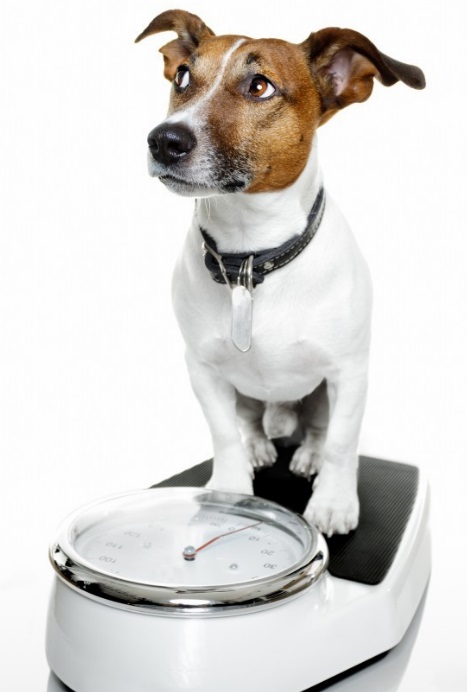
Initially, it's important to consistently adhere to certain feeding guidelines for your pet. If appetite problems arise, take immediate action. It's advisable to weigh your pet regularly, monitor weight loss, and promptly seek professional veterinary advice and treatment.
Nutrition and care of the dog
The most important thing when caring for a sick pet is the owner's kind and affectionate attitude. It's best to place the animal in a separate room, providing a calm and comfortable environment. The dog's corner should be maintained at an optimal temperature and the air should be humidified.
During early treatment, it is recommended to feed a protein-rich diet to a pet. The owner naturally faces the question: how to feed a dog that has lost its appetite? Since the dog refuses to eat on its own, liquid food is administered through a special tube through the mouth. This method helps quickly fill the stomach with nutrients and vitamins. Once the pet has recovered and is ready to eat on its own, the cause of the anorexia should be determined and therapeutic treatment completed. Once the appetite has fully returned, the animal can switch to its usual food. To stimulate appetite, offer small amounts of special veterinary toothpastes or "savory-smelling" canned food. Warm tea with honey, milk, or sweetened water are good options for drinking.
An animal weakened by illness should be offered food frequently: at least once every two hours. The food should be nutritious, fortified with vitamins, and high in calories, but not fatty. Initially, this could be chicken broth with pieces of breast.
A dog with anorexia and problematic fussy behavior should be fed twice a day, with the food bowl set out for a set amount of time: 5-20 minutes is sufficient. It's best for the owner to leave during this time. Any uneaten food should be removed until the next meal.
Any questions? You can ask our website's staff veterinarian in the comments below, who will answer them as quickly as possible.


6 comments
Sasha
Good evening, please tell me my dog hasn't eaten or drunk for 3 days. He started vomiting and had diarrhea, now he has bloody diarrhea. The vet has given him some kind of IVs, but so far there's been no change. What should I do and where should I go? I think he'll die of hunger. Maybe he needs to be fed through a tube.
Daria is a veterinarian
Hello! Don't force-feed your pet if they're vomiting or having diarrhea (profuse or, as in your case, bloody). It will all pass out anyway. IVs relieve dehydration due to diarrhea and vomiting and restore the body's water and electrolyte balance. Adding glucose will also provide energy. However, with bacterial infections, you need to be careful with it to avoid "enhancing the growth" of pathogens. In short, a diagnosis is necessary. Has a viral infection been ruled out? Is your pet up-to-date on all vaccinations? What's the animal's age? Has poisoning been ruled out? Has the animal been given anti-vomiting medication? Has it started drinking on its own?
Natalia
My dog has contracted piroplasmosis. He's undergoing treatment, including IVs and antibiotics. He's been completely refusing to eat for six days now. He's drinking water. Please advise me on how to help my dog (a young bobtail).
Daria is a veterinarian
Hello! Has any specific therapy been prescribed (Forticarb, PiroStop, Pirosan, and similar medications)? Plasma IVs? Medications to support the heart, kidneys, or liver? The animal may refuse food because the body is "tired" of recovering and resisting, and digestion requires energy. Furthermore, if glucose is being given as an IV, the animal doesn't experience hunger as such. Try offering a favorite treat; don't force it. Offer a light broth (it's still a liquid, so maybe it'll lick it). Heavy food shouldn't be given immediately after so many days of fasting. Start with liquid foods, gradually thickening them so the gastrointestinal tract can begin to "wake up."
Diets.Guru
Force-feeding continues until the underlying cause is completely eradicated. To determine this, the owner keeps a diagnostic diary, recording any new symptoms. The dog is examined using x-rays, ultrasound, urine and blood samples, and hormonal tests.
Dasha is a veterinarian
Everything is correct, but feeding must also be done correctly (not heavy, easily digestible food, but at the same time high in energy value, so the animal does not experience energy deficiency). And the portions are small, and the meals are small (frequent). If overfed, the dog will vomit again. It would be a good idea to put it on IVs. Don't forget about preventative visits to the veterinarian to make sure everything is going well. You can also weigh your pet to ensure it is gaining weight, and record these changes in a monitoring log. However, a veterinarian and additional examinations are essential.
Add a comment