
English Bulldog
The English Bulldog is not only a dog breed with an unusual appearance, but also a true friend of man. The Bulldog's unique appearance has made this breed one of the most popular worldwide. It is an ideal companion dog and the most reliable guard dog. That's why we'll dedicate this article to describing this cutie.
History of origin
Of course, the breed's name makes it clear that the first representatives appeared in England. Previously, bulldogs were used as baiting dogs, disguised as gladiators in bull-baiting. This pastime was very popular at the time. That's why the word "bulldog" literally translates as "bull dog." In the 19th century, bulldogs, along with mastiffs, were used to hunt wild boar. Fortunately, bull-baiting was outlawed in 1835, and so bulldogs began to be used as pets for aristocrats. The second half of the 19th century is considered the period of the modern breed's origins.
The English Bulldog is a man-made breed. Despite their fighting heritage, Bulldogs embody courage and devotion, endurance, and loyalty.
Breed standards
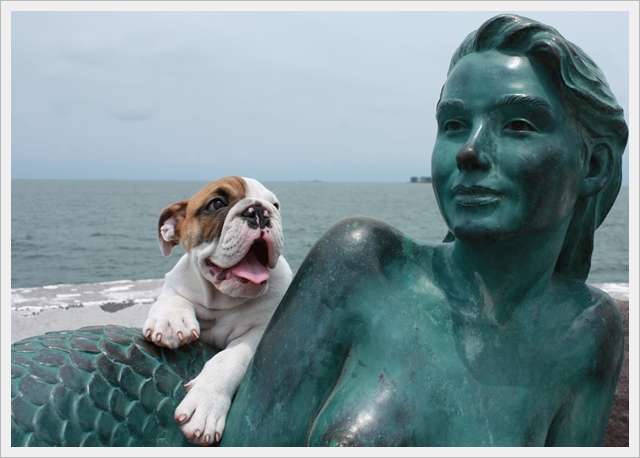
The English Bulldog has a compact build. The body is somewhat short and stocky, with a slight tendency toward obesity. The muzzle is quite large and broad. This pet has strong, muscular muscles. The average weight of an English Bulldog ranges from 22 to 25 kg. The height at the withers of these dogs ranges from 31 to 40 cm. The short tail rarely exceeds 8 cm. The short, massive limbs give the Bulldog a unique appearance.
Character
The English Bulldog has a fairly calm nature, distinguished by its courage and determination. It's quite amusing to watch a Bulldog in motion, as it moves slightly sideways. This breed's gait is very energetic and free. Due to their somewhat lazy nature, Bulldogs love to lounge on the couch all day. For example, if an owner leaves for work and sees a Bulldog in one spot, it's likely they'll be napping there in the evening. Bulldogs aren't naturally playful, so they need to be coaxed into active play. Walks while they're fresh are ideal for this pet. An English Bulldog is suitable not only for single people but also for large families. Bulldogs get along well with small children, but it's best to supervise them periodically.
This breed is distinguished by its exceptional loyalty. For example, if a family member is in distress or simply in a bad mood, a bulldog will certainly show extraordinary support. This dog will always stand by its owner, and therefore, it has difficulty with prolonged separation. However, it's worth noting that a bulldog can respond quite harshly to aggression or insult, recalling its fighting past.
Bulldogs are quite loyal to other pets. The same applies to members of the feline family. Even a child over 9 years old can train such a pet, but a little adult assistance is still necessary. The only drawback of this stocky Englishman is his amusing snoring, which is not to everyone's liking.
Care
This breed is ideal for apartment living. These English Bulldogs have a smooth, short coat that requires minimal grooming. Brushing should be done once a week with a stiff-bristled brush. Keeping the folds of the face clean is crucial. Wipe them with a cotton pad soaked in a mild disinfectant solution. Failure to do this regularly can lead to infection in the folds. After wiping the folds with a damp cloth, use a dry one. Bathe your pet only when they become dirty, as frequent bathing can lead to allergic reactions, irritation, and itching.
The dog's nails require regular care, trimming them periodically and wiping them with a damp cloth. Their teeth should also be brushed regularly. Dogs of this breed require regular exercise, as they are prone to obesity. Due to their substantial build, the English Bulldog is not particularly active, so they need to be stimulated through various means to engage in active play and walks.
Nutrition
This stocky dog's diet should contain no more than 20% protein. An English Bulldog's diet should consist of grains (such as rice and buckwheat), vegetables, and lean meats. Kefir, low-fat cottage cheese, fermented baked milk, and sour milk are beneficial for puppies.
You should avoid feeding your dog the following foods:
- smoked meats;
- sweets;
- fatty foods;
- canned food.
Organ meats should be given sparingly and only boiled, as they can be difficult for a pet's stomach to digest. As for fish, it's best to choose lean sea fish, pre-boiled and deboned.
Vegetables can be served not only boiled but also raw, grated. It's also important to include fresh greens in your bulldog's diet. A few fruits and berries can be given as a treat (rarely). If your pet leads a sedentary lifestyle, the daily food intake should not exceed 5-7% of their body weight. If you prefer to feed your dog prepared food, it's definitely worth using high-quality holistic foods or at least super premium foods.
Puppies
When buying a puppy, the first step is choosing the right place. Experienced dog breeders recommend purchasing puppies only from officially registered kennels or breeders who have all the necessary documents confirming the dog's purebred status and health.
It's also worth noting that special attention should be paid to the puppy's gender. Males are very playful and a bit stubborn, while females are more docile and smaller. You can take your puppy home between 1.5 and 3 months of age.
Photos
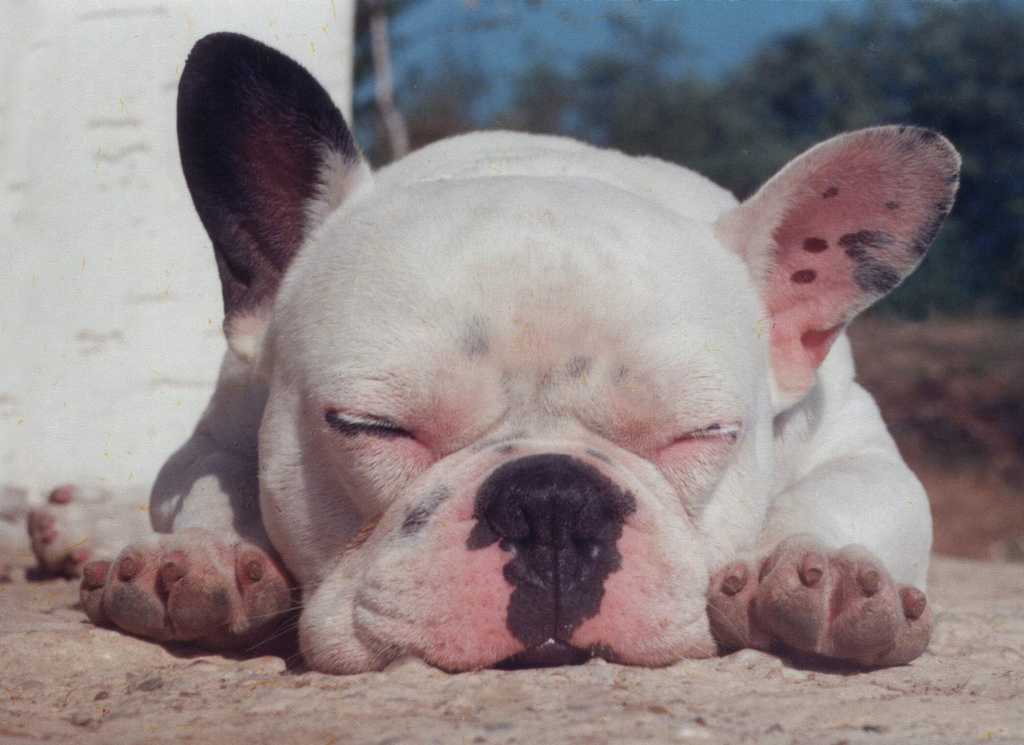
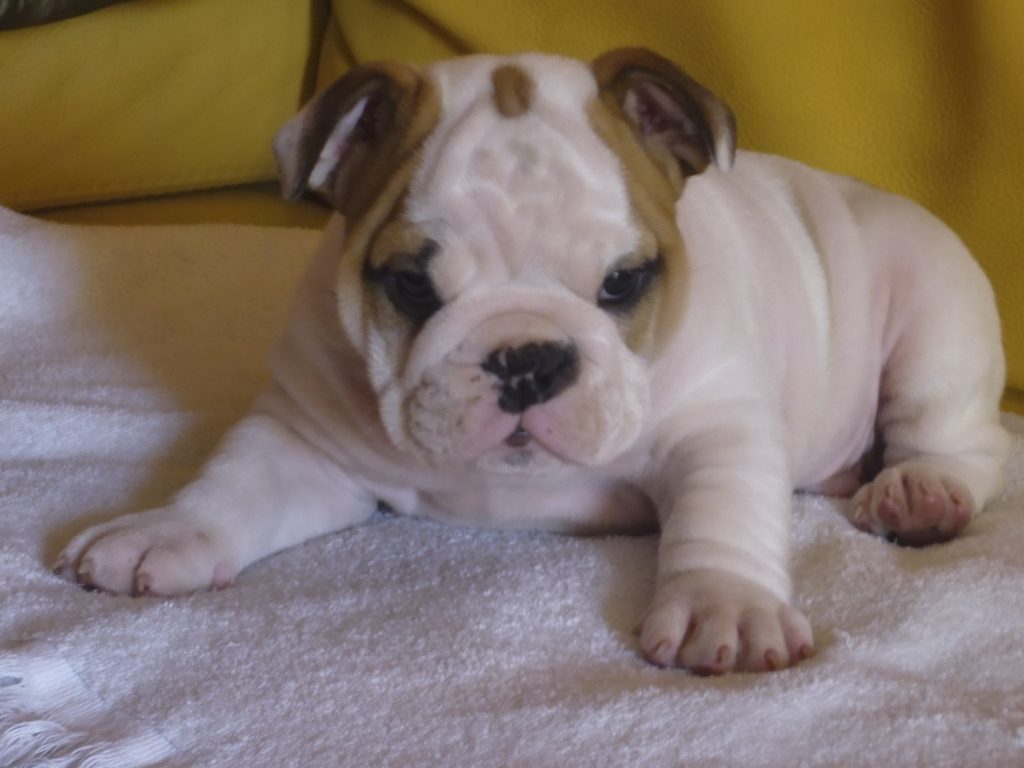
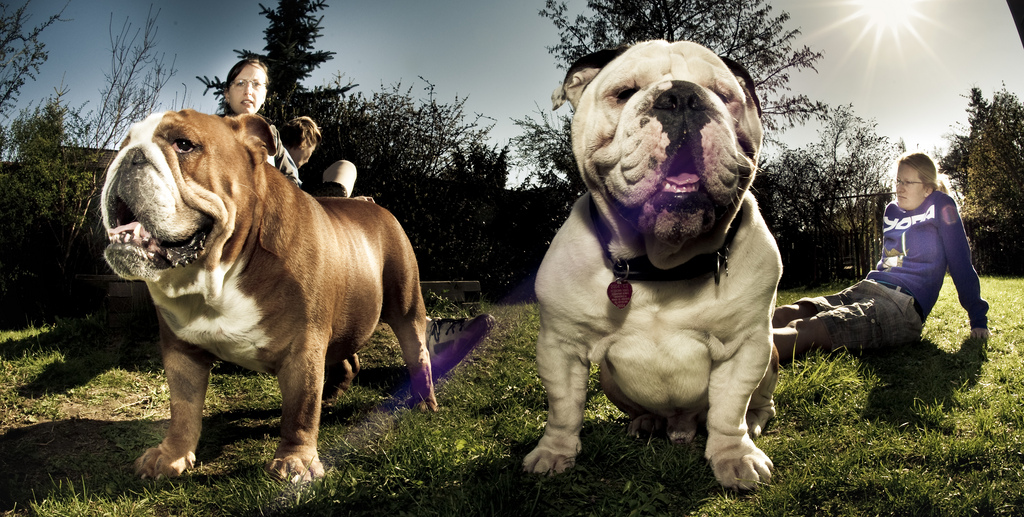
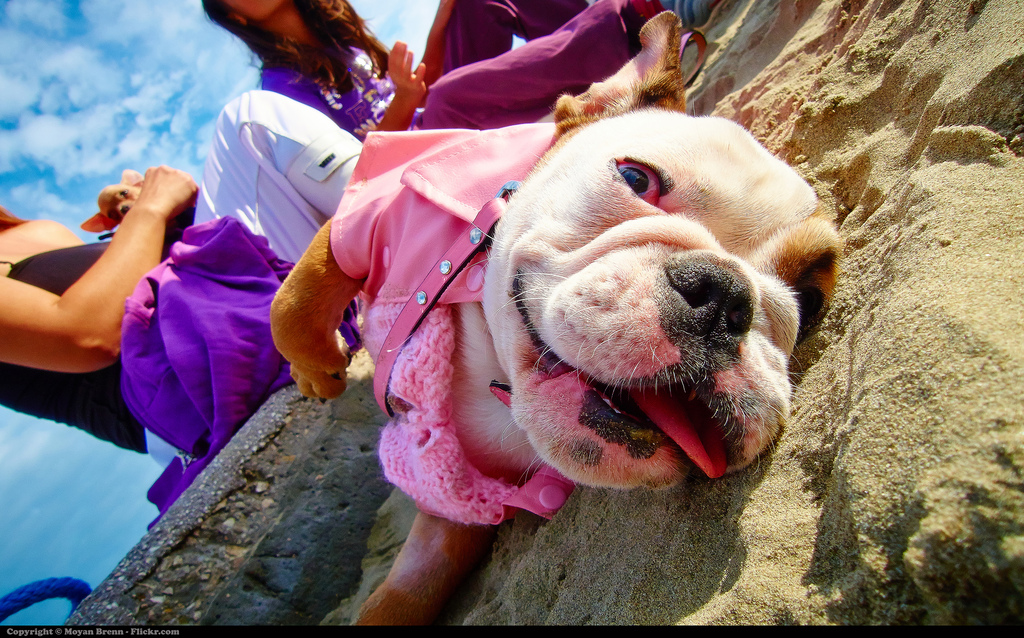
English Bulldog Pictures:
Read also:
- Bull Terrier (English Bull Terrier)
- Greyhound (English sighthound)
- Whippet (small English greyhound)


Add a comment