
English Pointer is a dog breed
The Pointer is a beautiful, noble dog that combines the traits of an unrivaled hunter and a devoted companion. Anyone with even a passing interest in gundogs has likely heard of this oldest hunting breed.
Content
History of origin
The pointer's pedigree has been traced for about 100 years, and the breed itself is at least as old. This is evidenced by the notes of English hunters, who describe similar dogs. There are many gaps in the pointer's history, but a certain pattern of its development can still be discerned. The first steps were crossing hounds with smooth-coated bird dogs. Then, to correct their heads and tails, the crossbreeds were bred with greyhounds. The resulting dogs were corrected with droppers (a cross between a pointer and a greyhound). setter), French marriages, bulldogIn the 1880s, Irish hunters infused foxhound blood into their dogs to increase their energy and produce a thicker coat. The breed was subsequently maintained as a purebred.
The pointer earned its name, which comes from the English "to point." It was likely the first breed to stand firmly over game. Pointers weren't used for retrieving in hunting; setters and spaniels excelled at this task.
The first breed club was founded in 1891 in London. Its founder, Joseph Green, clearly defined the association's position in 1904: to protect the standard and work according to the principle of a golden mean, taking into account the dogs' working characteristics while also caring about their aesthetic appearance.
Video review of the English Pointer dog breed:
Appearance and standards
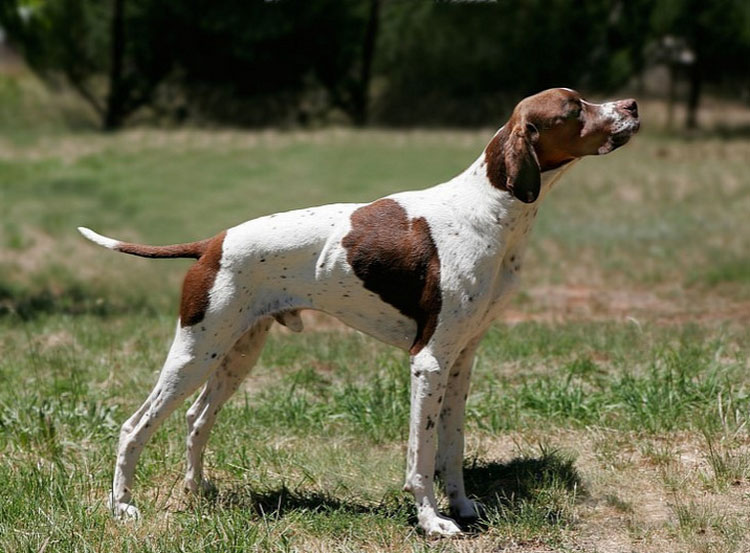
The Pointer is imposing and graceful, harmoniously built and supple, with well-developed muscles and an innate ability to concentrate on work. It is also hardy and courageous. Sexual dimorphism is very pronounced. Males stand 63-69 cm at the withers and weigh 25-30 kg, while females stand 61-66 cm and weigh 23-28 kg.
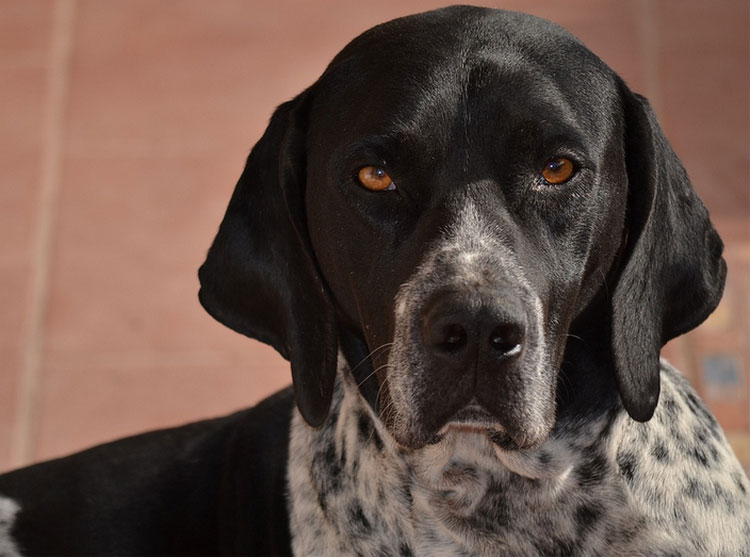
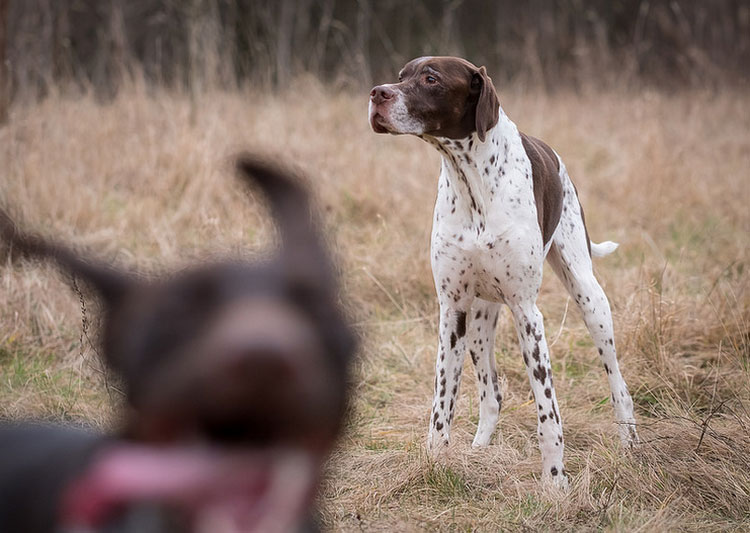
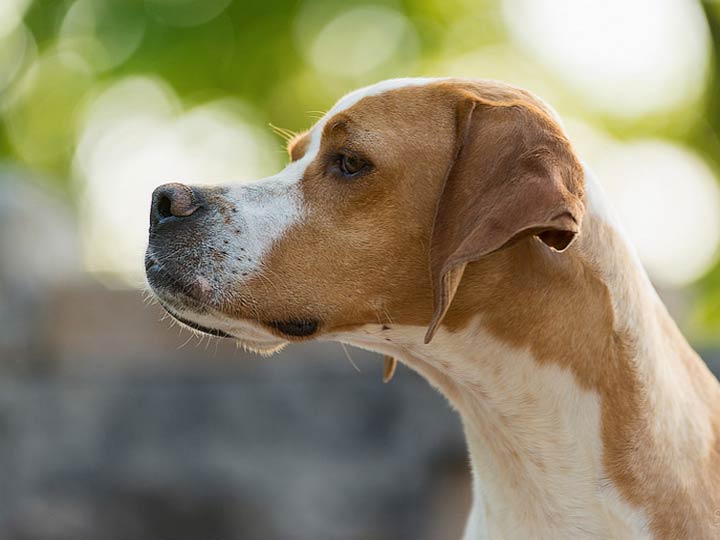
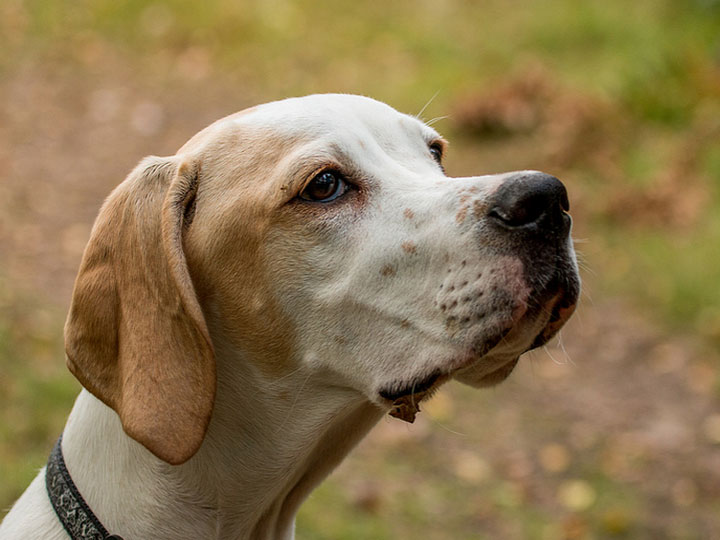
The head is clean and proportionate in size. The stop is clearly defined. The muzzle is long and strong. The bridge of the nose is rectangular and deep. The nose leather is large and dark, and can be lighter in lemon-white coats. The lips are thick, almost rectangular in cut and beautifully rounded, fitting tightly, and slightly covering the lower jaw. The ears are pendant, slightly pointed at the tips. The eyes are set straight, dark or light brown, relatively large, and rounded. The teeth are strong and complete, with a correct bite.
The neck is set high. The back is strong, with a slight slope from the withers to the croup. The loin is slightly arched and powerful. The belly is moderately tucked up. The legs have good bone and well-developed muscles. The paws are oval-shaped with tightly closed toes.
The coat is short, dense, straight and shiny.
Suit:
- Monochromatic;
- Tricolor;
- Piebald.
Colors:
- Orange and white;
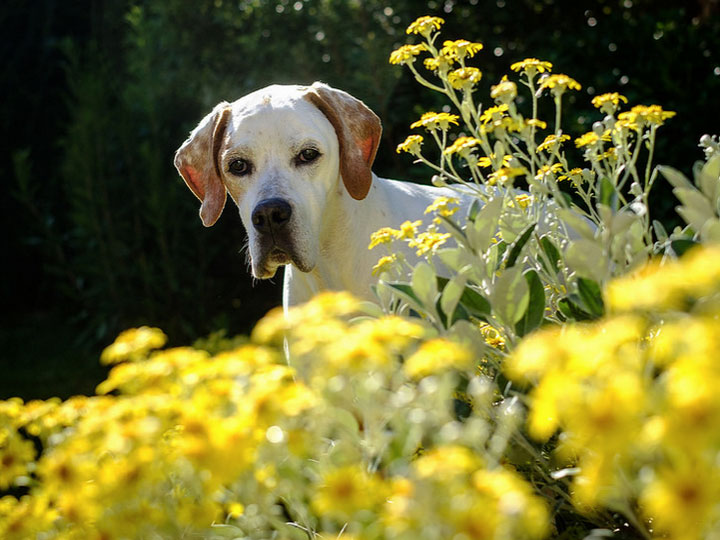
- Lemon white;
- Liver;
- Or in combination with white, black, chestnut.
Character
Pointers are balanced and self-assured, strong and courageous dogs, but this doesn't prevent them from being sociable and friendly. They are quite diplomatic and prefer to remain aloof from conflicts. While they lack protective instincts, they are highly developed watchdogs and will always alert guests with a loud bark when guests approach. Pointers are very sensitive and do not handle loneliness well. Prolonged separation from their owner can lead to depression.
At home, the Pointer is an intelligent, cheerful, and spirited dog, completely incapable of aggression. A very clean dog, he loves to play with children, allowing them to do whatever they please, while demonstrating admirable tolerance. In the field, his dormant instincts awaken, and his boundless energy comes to the surface. On the hunt, the Pointer is prone to competition and rivalry with other dogs; he is a leader and a winner, but can be a bit self-assured and independent.
They get along well with animals under the same roof, especially dogs. Cats may suffer only due to their independence and desire to dominate. Birds, naturally, will remain only prey for a born hunter.
Training and hunting with a pointer
The pointer is very intelligent and intelligent, and is easy to train, especially if the dog is interested in learning or has a hunting background. Training should be varied, as monotony will quickly bore the dog.
The main motto in training and coaching a pointer is contact and trust.
Pointers are able to concentrate on a task, making training fairly easy. The owner must be gentle, persistent, and resourceful. The dog does not tolerate cruelty, rudeness, or disrespectful behavior, as this can negatively impact its psyche.
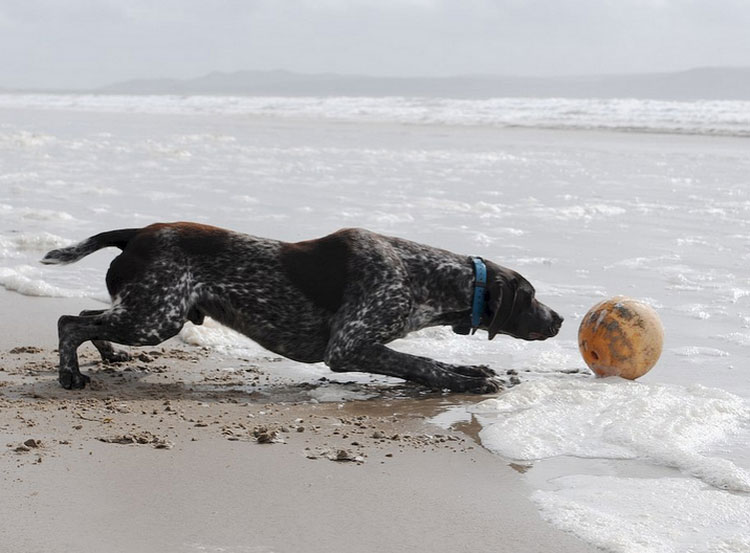
Pointers begin training as hunters in adolescence. Their instincts develop early, so as early as two months old, a puppy can be taught to retrieve toys, which it approaches with swift, darting movements.
One of the key aspects of training is socialization. From puppyhood, a pointer should be accustomed to interacting with other people, dogs, and various sounds, especially loud and harsh ones. This will help raise a confident and courageous dog.
Pointer on the hunt
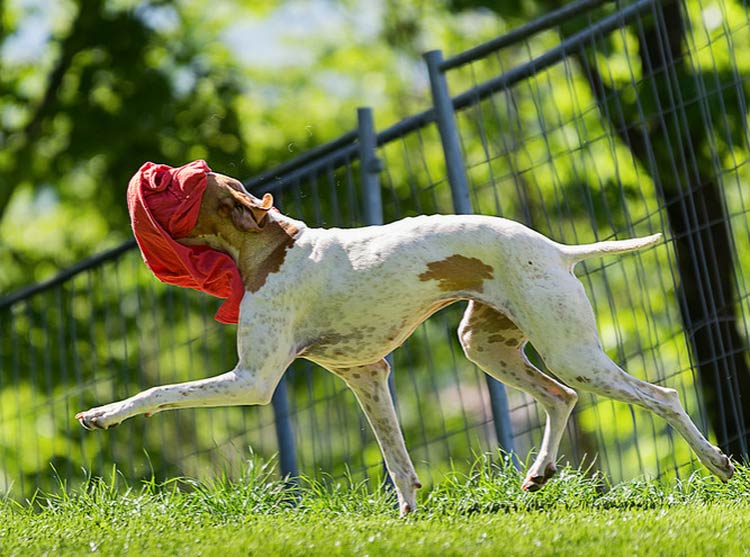
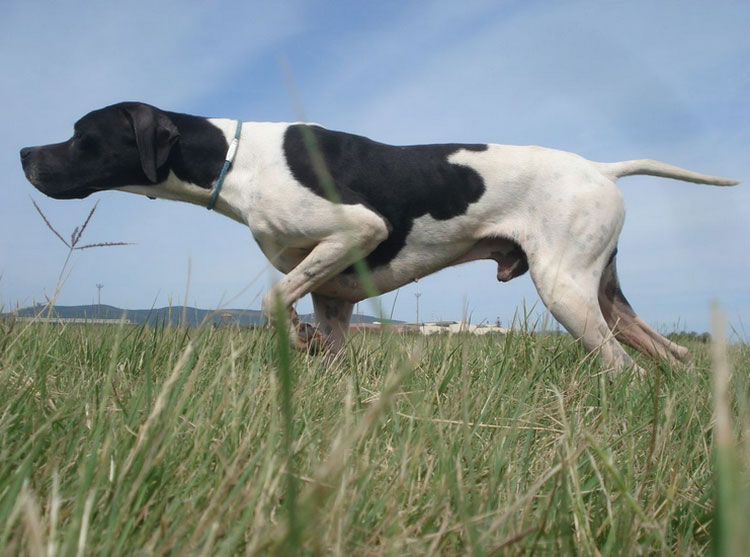
It is generally accepted that pointers are the leaders among other cops A well-trained pointer is characterized by a number of traits. Working a well-trained dog is pure pleasure. A pointer's movements are swift and graceful. During a rapid search, it can literally sniff out all the scents of game. The search is usually conducted with the head held high, using its overhead sense. The shuttle is loose, with wide loops, and this type is a natural gait for the dog. The pointer immediately responds to the scent of a bird with an expressive twitch. The pointer's stance is very beautiful. In short, this breed is for those who, in addition to the material rewards, also seek aesthetic pleasure from hunting.
In addition to its elegant appearance and graceful appearance, the Pointer is distinguished by a high level of intelligence and a keen sense of emotion. It has a friendly, even disposition, without extreme temperament.
But there are also some downsides. Pointers generally don't like water. They often need to be accustomed to it, and quite persistently. In cold weather, the dog can easily catch a cold from prolonged exposure to water, which is not ideal given the nature of their work.
Content
The English Pointer isn't just a hunter; it's a dog that can't live without hunting, and even long walks won't replace its sense of purpose. A pointer deprived of hunting is likely to become nervous and difficult to manage, and may suffer from unfulfilled instincts. This dog isn't recommended for keeping solely as a couch potato or a friend for children, nor is it recommended for hunters who don't pick up a gun every season.
Ideally, a pointer should live in a private home with access to regular outdoor exercise. This dog is absolutely not suited to being kept in a kennel; it needs comfortable, human-like surroundings. A pointer can live in an average apartment only if it receives good, regular exercise.
An adult pointer will take up a lot of space on the owner's bed, so it's best to initially train the puppy to rest only on its own bed, which should be spacious enough and moderately hard.
Pointers are very warm-loving and don't tolerate drafts or cold. Compared to other pointers, they can even seem pampered. It's best to protect the dog from dampness and drafts during transport and overnight stays.
Physical activity
The Pointer is an energetic and tireless dog, requiring appropriate exercise. Even dogs living in a private yard require regular exercise. Daily jogging or bike rides are excellent options. Pointers should definitely be given ample opportunity to run freely off-leash.
Care
Grooming a clean, short-haired dog is easy. Weekly brushing with a special mitt for short-haired breeds will minimize shedding. Slightly more frequent brushing is needed during the shedding season. It's important to note that pointers have sensitive skin. Frequent bathing is not recommended. If the coat gets dirty, it's best to wipe it with a damp, soft cloth. For a thorough wash, it's best to choose hypoallergenic care products.
The dog's large, floppy ears are poorly ventilated, and the owner will need to inspect them regularly to ensure the auricles remain dry and clean. Nails are trimmed as needed with special clippers, but it's best to let them wear down naturally during walks on hard surfaces. For prevention, dental stone It's recommended to give special treats that clean tooth enamel or brush your teeth once a week. Toys from the Dental series can be helpful.
Diet
Pointers can be fed in two ways: natural or prepared foods. Both options are acceptable, but avoid mixing them.
The opinions of pointer owners on this issue are controversial, if you analyze the reviews, then the finished ones stern Premium and super-premium dog food has a clear advantage over natural food. It's balanced in all essential nutrients, making it especially difficult to calculate during a puppy's growth period. Portions are easily adjusted based on the dog's weight. The bowl and surrounding area are kept clean, and there's no need to reheat the food to the right temperature or cook it regularly.
Health, disease and life expectancy
Pointers are strong and resilient dogs, but over the years of selective breeding they have acquired a long list of hereditary diseases and are also predisposed to certain illnesses due to their anatomical and physiological characteristics.
- Hip dysplasia
- Risk of developing gastric and intestinal volvulus with subsequent torsion;
- Progressive retinal atrophy;
- Von Willebrand disease;
- Cardiovascular diseases (most often narrowing of the aortic valve);
- Allergic diseases;
- Hypothyroidism;
- Epilepsy;
- Osteochondrosis;
- Entropy;
- Cataract;
- Deafness;
- In adulthood, the development of tumor diseases is possible.
This list of diseases is purely indicative. It's not a given that every dog is a carrier of certain diseases. However, responsible breeders try to exclude animals with any abnormalities from breeding and order genetic testing, which is now available for hip dysplasia, progressive retinal atrophy, von Willebrand disease, and several other conditions.
Pointers require routine preventative care, including vaccinations, deworming, and treatment for parasites downstream of their bodies. Due to their propensity for allergies and highly sensitive skin, careful consideration should be given to flea and tick protection. Pointers typically live for 10-12 years.

Choosing a Puppy and Pricing for English Pointer Dogs
A pointer puppy should only be adopted from purebred parents. The more field-certified parents, the higher the likelihood that the puppy will inherit their working qualities. Only a true hunter should breed this breed.
When choosing a puppy from a litter, pay attention to its physical condition and temperament. The puppy is always issued with a birth certificate (the initial document, which is later converted into a pedigree), and the puppy must also have a tattoo (the number must match the number on the documents). Pointers are not a breed you can choose from photos online, so people often seek the help of breeders or breed experts.
The English Pointer is not the cheapest breed; on average, a puppy costs 60,000 rubles.
Photos
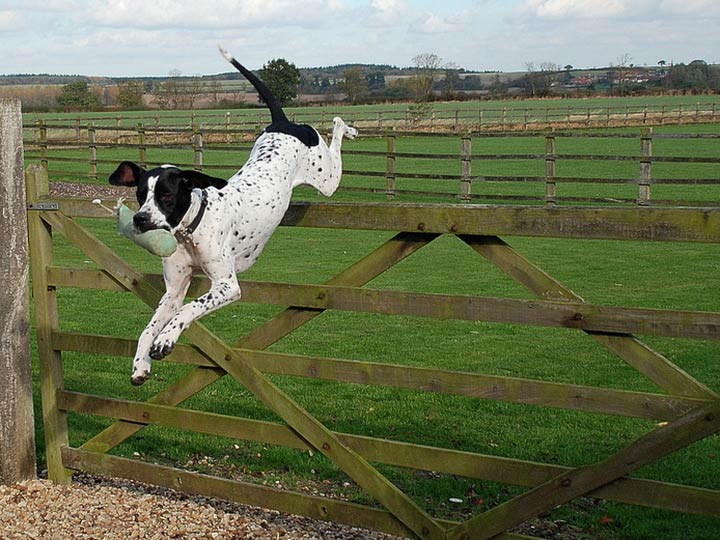
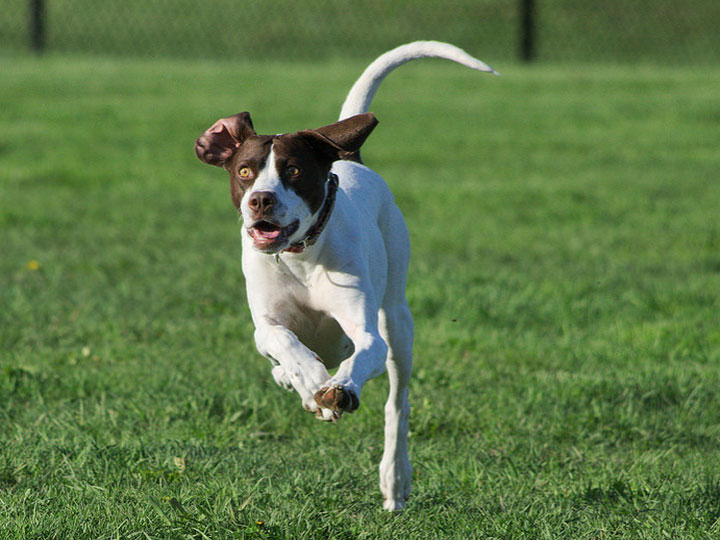
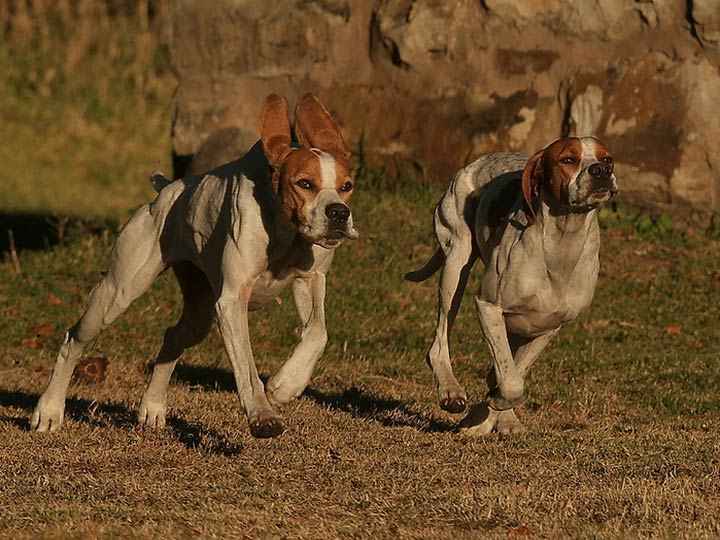
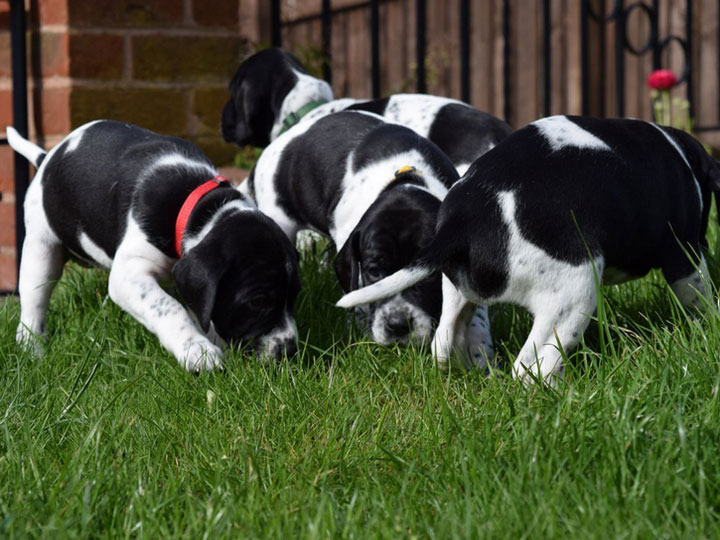
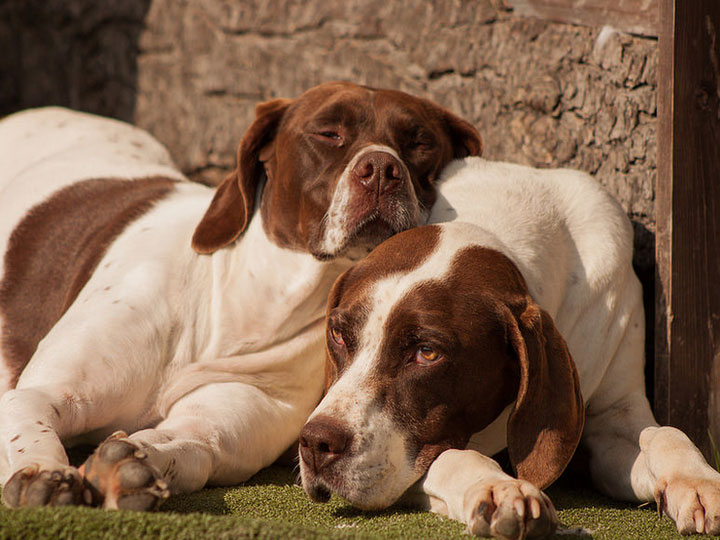
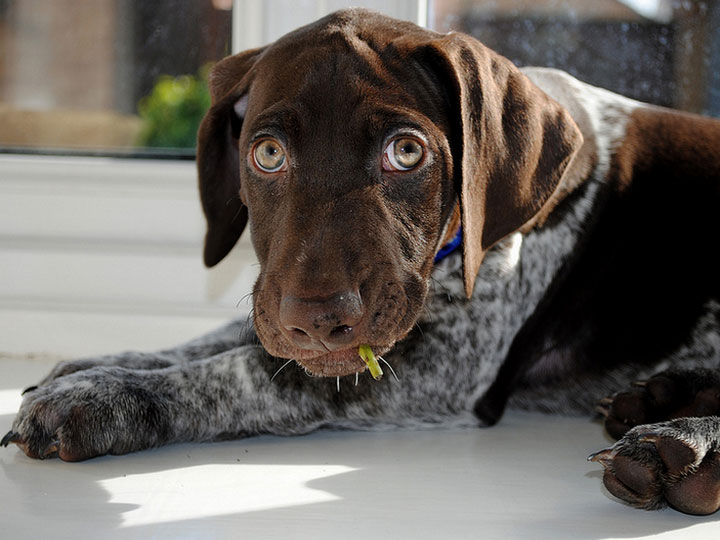
Beautiful photos of puppies and adult dogs of various colors are collected in a gallery dedicated to the English Pointer dog breed:


Add a comment