
English Cocker Spaniel
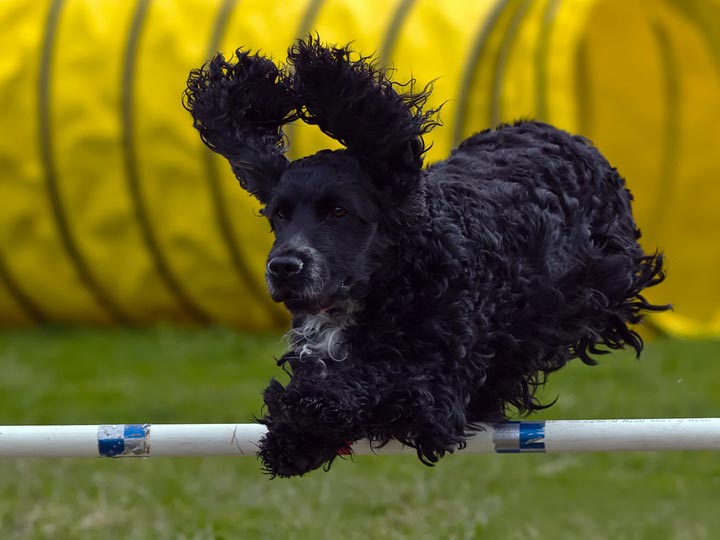
The English Cocker Spaniel combines the qualities of a passionate hunter, a devoted companion, and a distinguished show dog. A tireless explorer with a cheerful disposition and a wagging tail, he's ready to follow his owner to the ends of the earth at any moment. He's easily trained, obedient, and responsive. Thanks to these qualities, he can excel in a variety of canine sports.

Content
History of origin
Despite its Spanish origins, the breed's true homeland is England. Several written sources confirm the invaluable role spaniels played in the lives of English aristocrats. In the 10th century, the King of Wales even issued a decree stipulating that the theft of a spaniel would be severely punished. Over the next few centuries, English dog breeders developed approximately 20 different spaniels, some of which, however, have not survived.
14th-century paintings depict English spaniels in a wide variety of colors. In the mid-17th century, these dogs' tails began to be docked. By the early 19th century, two distinct types of English breeding had emerged: springer spaniel and smaller cockerAt the first shows, they were distinguished by weight: up to 11.4 kg and more. Cockers belonged to the first category. In 1892, the English Kennel Club began registering Cocker Spaniels in its Stud Book as a separate breed. In 1901, the weight restrictions were lifted. As a result, stronger, longer-legged dogs began to emerge.
All modern English Cocker Spaniels, no matter what country they live in, have a common ancestor - a black prairie cocker spaniel, the champion of England and the founder of the breed, born on June 14, 1879, to Ipswich breeder James Farrow.
Hunting with an English Cocker Spaniel
Retrieving ducks isn't the English Cocker Spaniel's only skill. A well-trained and well-drilled dog can track meadow, marsh, and waterfowl and flush them out for a shot. Then, it can locate and retrieve the wounded bird.
In England, small spaniels were primarily used for hunting woodcock, which is where the breed got its name.
The English Cocker Spaniel is a gundog breed. It moves ahead of its owner and is always within sight. Its keen sense of smell allows it to distinguish a bird's scent from its own and pinpoint its location. It is passionate, resilient, tenacious, and courageous in its work, and will venture unhesitatingly into dense thickets and water.
Appearance
The English Cocker Spaniel is a well-balanced, compact dog with a strong, square build. Of all related breeds, it is most similar to Russian And field spanielSexual dimorphism is expressed.
- Height at withers: 38-41 cm.
- Weight: 13-14.5 kg.
The skull is well developed and clean-cut. The muzzle is square. The stop is well defined. The nose leather is large, and the nostrils are well developed. The eyes are round, dark, and slightly convex. The lower eyelid may be slightly drooping. The ears are long, set at eye level, reaching to the tip of the nose, and are well-covered with long, straight hair. The neck is of medium length, blending smoothly into sloping shoulders without dewlap.
The body is compact and strong. The topline is level and smooth, sloping from the loin to the base of the tail. The chest is deep, not too wide, and well developed. The tail is set slightly below the line of the back, is of medium length, slightly curved, tapering toward the tip, and has a lively action. It was previously docked approximately halfway. The forelimbs are straight, fairly short, and have good bone structure. The hindquarters are rounded, with well-developed muscles and bone structure. The paws are strong, with elastic pads. The gait is long, correct, and very energetic.
Today, the tail can be cut at the owner's request, subject to prior agreement with the breeder and only in countries where the operation is not prohibited.
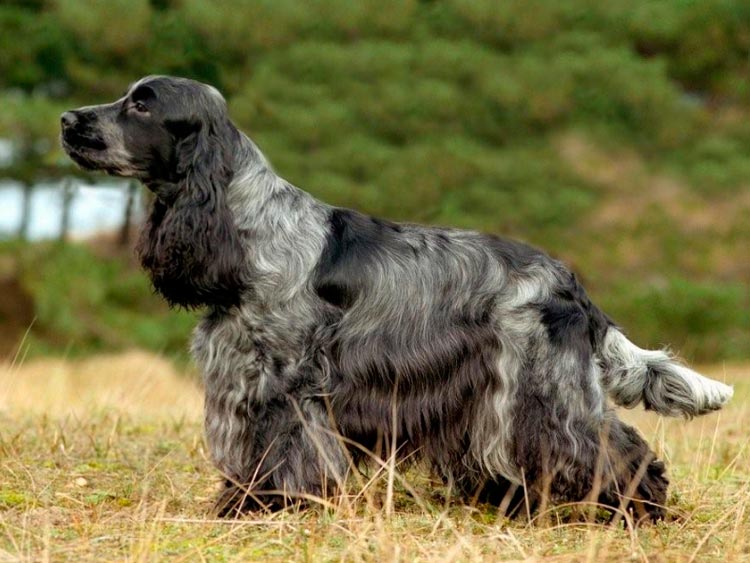
The coat is silky, smooth, neither harsh nor wavy, and never curly. The paws, body, and hindquarters above the hocks are well-furred. Colors:
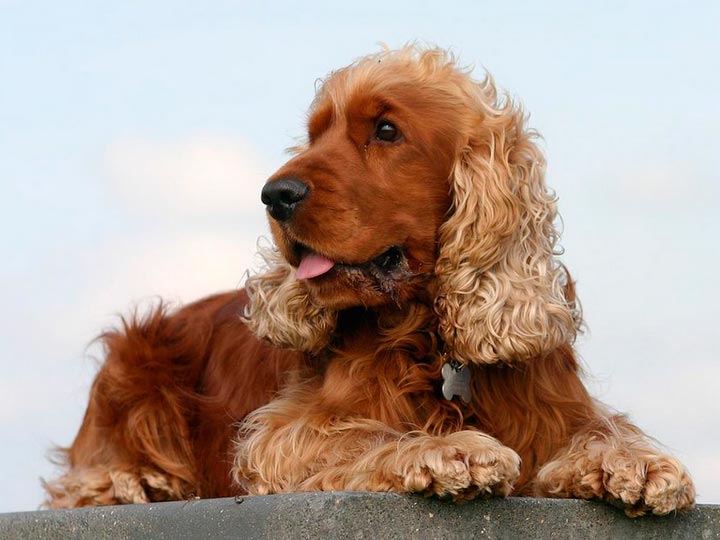
- Solid colors: black, red, gold, liver, chocolate, black and tan, and brown and tan. A small blaze on the chest is permitted.
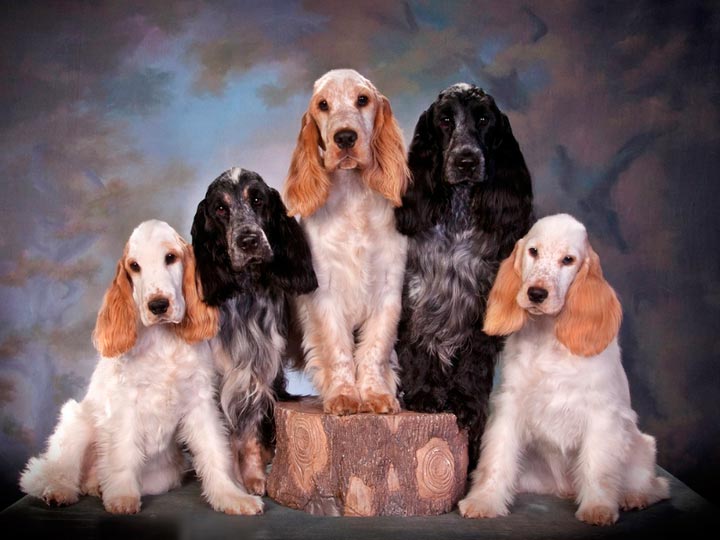
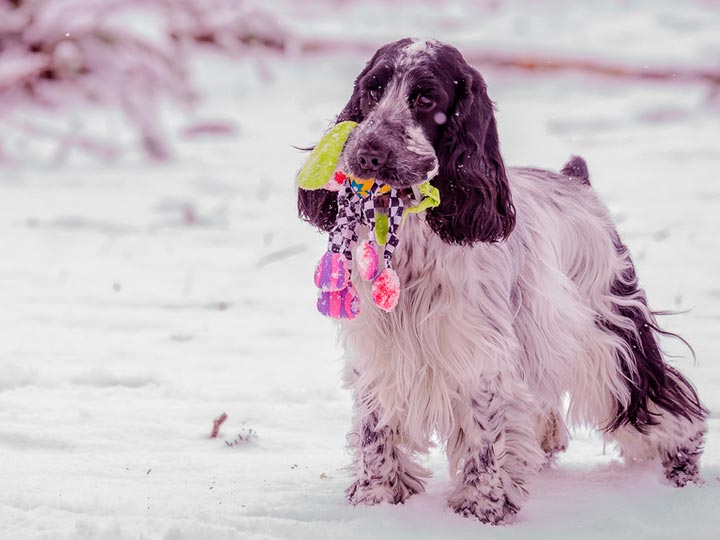
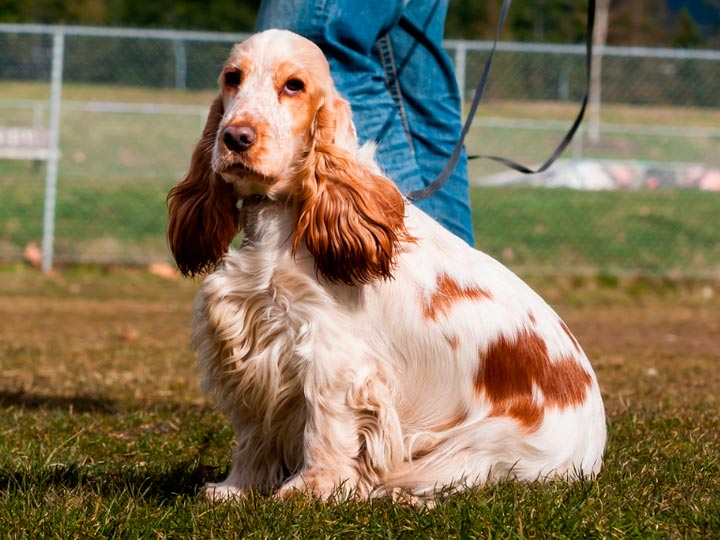
- Two-color: black and white, red and white, chocolate and white, fawn and white.
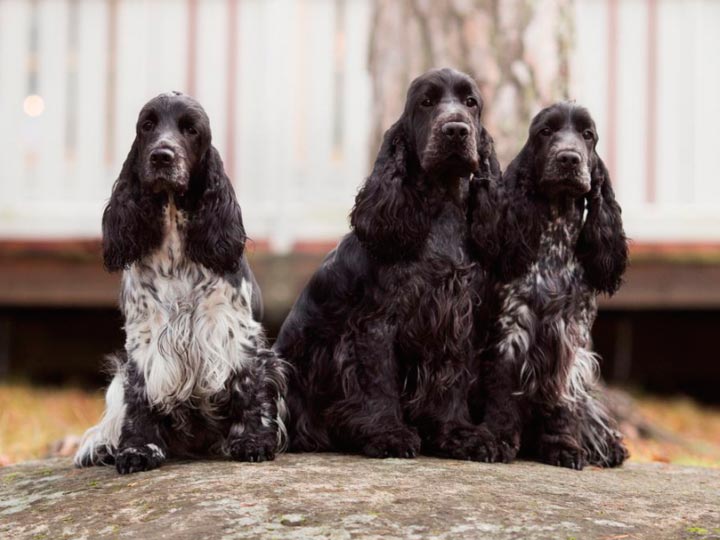
- Tricolor: black and white with tan, chocolate and white with tan, blue roan, red roan, fawn roan, chocolate roan, blue roan with tan, chocolate roan with tan.
Among English Cockers there are dogs of sable, sable-roan and other colors, which are not officially recognized and are considered a breed defect.
Character and behavior
The Cocker Spaniel has a playful, responsive, and gentle nature. Very sociable, they love being the center of attention. They are optimistic by nature. They often choose one person as their owner within the family and are completely dependent on them. Shy and timid specimens are also common, and stubborn ones are quite rare.
Despite their friendly and sociable nature, these dogs are highly emotional and prone to mental disorders. They are incredibly sensitive to their owner's mood and wary of strangers. They are friendly with family friends. They can be stubborn, but are always playful. They follow their owner in everything and everywhere.
Cockers can sleep all day, and after waiting for their owner to come home from work, they become active and energetic, which they demand from those around them.
A Cocker Spaniel can be an excellent companion for a child. They get along well with other pets and are only possessive of their toys. The English Cocker Spaniel is fairly easy to train, especially if given the opportunity to demonstrate their independence and hunting instinct.

Content Features
The English Cocker Spaniel is suitable for apartment living, primarily due to its small size. It's hard to call this hunting dog overly clean. It enjoys rolling around in things or darting through puddles. At home, it may bark or destroy things out of boredom. Keeping it in a private home doesn't eliminate the need for regular, long walks outside. Theoretically, a spaniel can live outdoors, but it's psychologically ill-suited for it. It requires social interaction and attention. Furthermore, without regular grooming, the dog won't look its best.
English Cockers are very energetic and playful dogs. To stay in good shape, they need long walks with free running, regular field trips, and swimming during warmer months. Mental development is equally important. A variety of training sessions, command practice, and search and retrieve tasks will keep this intelligent Cocker busy.
Care
English Cockers have long, fine, and tangle-prone coats, so they require regular brushing. This is especially important during the dog's first shedding period, when it's around six months old. Poorly brushed undercoats can negatively impact subsequent coat growth. Bathe as needed. It's best to use special shampoos and conditioners designed for this breed. After walks, rinse your dog with water if it gets dirty.
The fur between the paw pads is trimmed regularly. Long ears, which become dirty during walks and eating, require additional care. To keep them clean, they are tied back or covered with special caps. Nails are trimmed as needed. Ears and teeth are also monitored. Weekly inspections and cleanings are recommended.
Grooming a Cocker Spaniel is not necessary unless the dog is participating in shows. Many owners limit themselves to brushing. Show dogs are first groomed at 2-3 months of age, to familiarize them with the grooming tool, and then as the dog's coat grows. Professional groomers offer several summer and winter haircut options for Cockers. Hairstyles are also divided into home and show styles. Dogs are groomed well in advance for shows, and groomed according to a set pattern.
Nutrition
Spaniels are generally not picky eaters, but special attention should be paid to portion sizes, as they are very voracious and prone to overeating. Dog treats can be given between the two main meals. It's best to avoid foods that may cause allergies.
English Cocker Spaniels can suffer from a nutritional form of dilated cardiomyopathy, which is associated with low blood levels of the amino acid taurine. In many cases, the condition is reversible if the dog receives taurine supplementation.
Health and life expectancy
Health studies have shown that the average lifespan of the English Cocker Spaniel is 11.5 years. The most common causes of death were tumors (30%), old age (17%), heart disease (9%), and a combination of other diseases (7%).
Typical diseases and pathologies of cocker spaniels include:
- Allergy;
- Cataract;
- Deafness (6.3% of dogs);
- Otitis;
- Malocclusion;
- Cryptorchidism;
- Benign tumors;
- Hip dysplasia;
- Patellar dislocation;
- Cardiovascular diseases (cardiomyopathy, arrhythmia).
A known genetic problem is behavioral abnormalities: aggression towards other dogs, shyness, hysteria, sudden aggression syndrome (solid-colored dogs are more susceptible).
Choosing an English Cocker Spaniel Puppy
Before searching for a kennel and a puppy, it's important to determine what you want the dog for: pet, hunting, show, or breeding. Consider the desired color, gender, and personality. Spaniels from working and show lines differ in temperament and conformation, so kennels typically focus on the same breeding style. In any case, avoid adopting a dog of questionable origin. You can inquire about planned matings, litters, and puppies on a breed forum or contact the National Spaniels Club.
It will be impossible to obtain hunting documents for a puppy without a metric (puppy card) or pedigree.
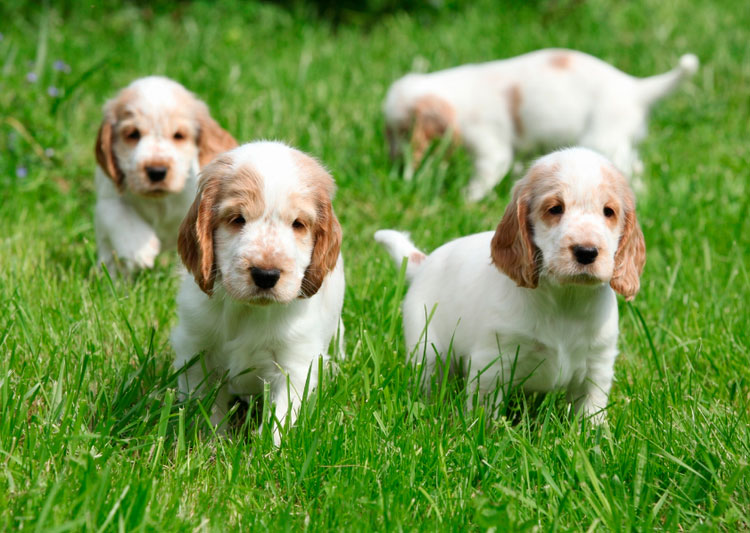
It's recommended to bring a puppy to a new home no earlier than 2 months of age, after its first vaccination. Consider adolescents aged 4-6 months; outgoing Cockers quickly adapt to a new home and owner, even at an older age. When choosing a specific puppy from a litter, trust the breeder, who knows the character and habits of their puppies from birth. When inspecting the puppy yourself, pay attention to health and compliance with the standard. The puppy should be curious and playful, without signs of shyness or aggression.
Price
English Cocker Spaniels vary widely in price. A puppy without papers typically costs no more than 10,000 rubles. Puppies from breeders start at 25,000 rubles. Show or breed-class dogs can cost over 100,000 rubles.
Photos and videos
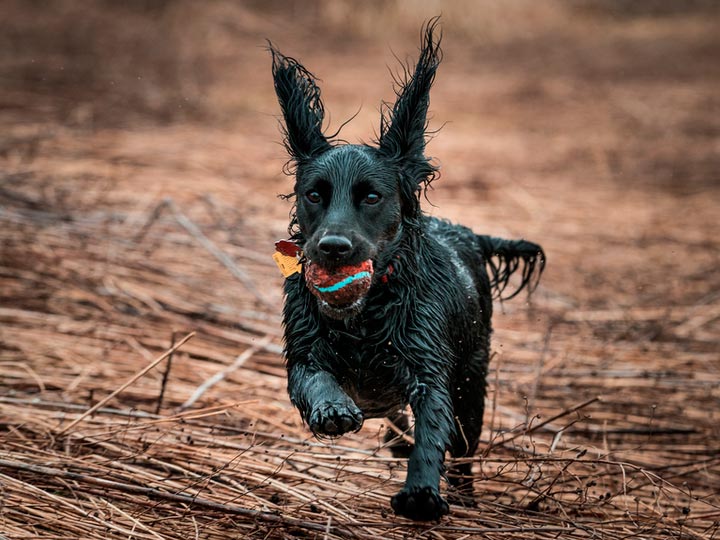
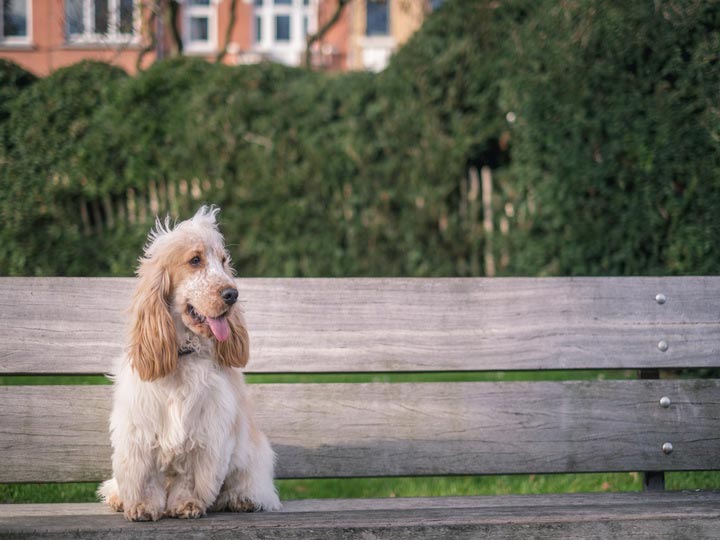
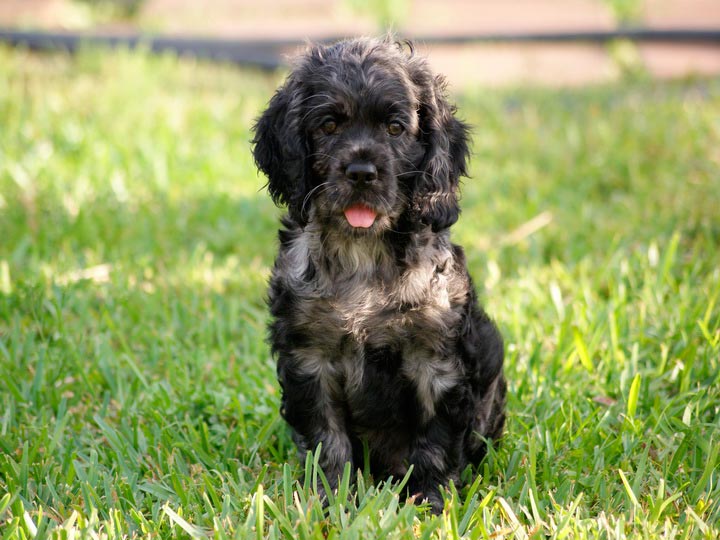
You can see more photos of English Cocker Spaniel dogs in the gallery.



Video about the English Cocker Spaniel dog breed


Add a comment