
English Shepherd
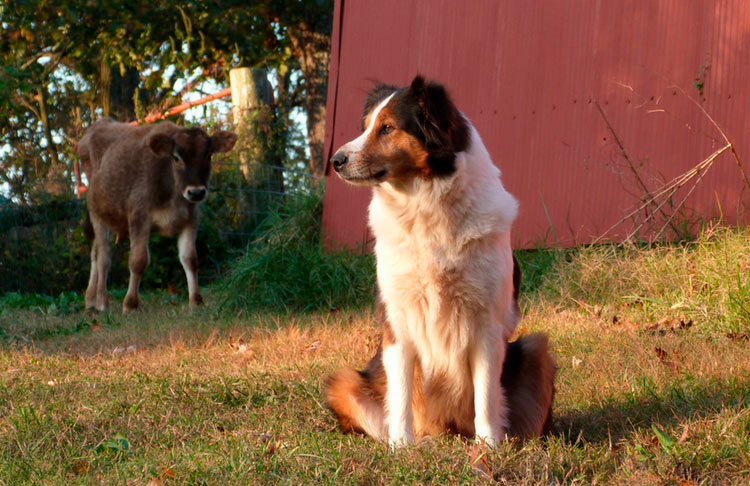
The English Shepherd is a rare and little-known breed originating from the United States. It was here in the late 19th century that a near-perfect herding dog was developed, which to this day possesses all the necessary working qualities. The breed is not recognized by the International Cynological Association.
Content
History of origin
The English Shepherd was developed by American farmers. Yes, that's right, American. This working dog was specifically created from herding breeds brought over by English and Scottish settlers. These were primarily of various lines. Scottish ColliesSince there were no clubs, registrations, or stud books, it's difficult to say what other breeds contributed to the development of the English Shepherd. Most likely, they were various local dogs, possibly Australian Shepherds and other herding breeds.
The breed was particularly popular in America in the late 19th and early 20th centuries. It subsequently became lost among other native and imported dogs. It suffered significant losses due to World War II, as well as the fact that the breed was not recognized by the International Federation of Dogs and Animals (IFF). The English Shepherd was always widely known among farmers, and its breeding was primarily focused on health and working qualities. This made it difficult to achieve the uniformity necessary for recognition. Consequently, the Shepherd was not shown at international shows and quietly continued to work, isolated from the rest of the cynological world. Today, the breed is recognized only by the United Geological Club UKC and a few other American organizations.
In recent years, the English Shepherd has become increasingly popular as a companion dog, but a significant proportion of the population is still used for farm work.
Video about English Shepherd dogs:
Appearance
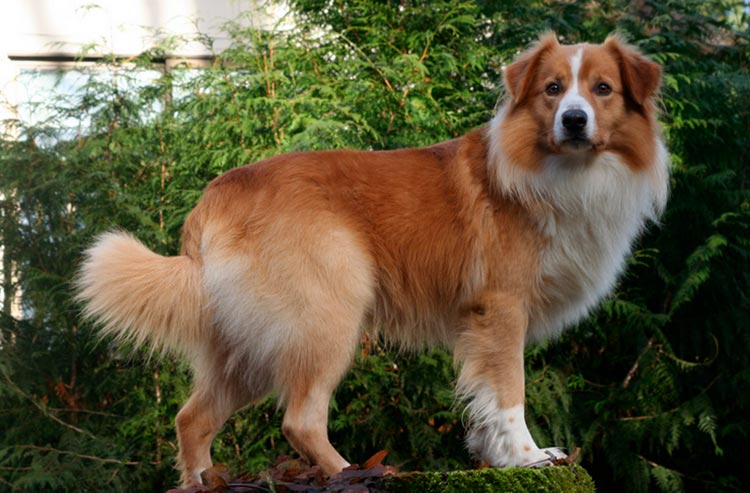
The English Shepherd is a strong, hardy, medium-sized dog with well-developed muscles. Sexual dimorphism is moderate. Height at the withers ranges from 41 to 58 cm, and weight ranges from 18 to 28 kg.
The head is medium in length with a moderate stop, wide between the ears, and slightly rounded. The muzzle is moderately broad and long, tapering toward the black nose (light pigmentation is acceptable in sable-colored dogs). The eyes are brown, round, and medium in size. They should convey a strong character and intelligence. The ears are set wide apart, raised at the base, and then fall with a sharp curve, lying close to the head. When excited, they are slightly raised. Ideally, the ears should be folded three-quarters of the way down, although some breed members may have completely drooping ears, erect ears, or ears carried in varying positions.
The neck is strong and arched. The body is elongated. The build is similar to other collie-type dogs, but the body and legs are more robust. The Shepherd should appear athletic and muscular, but not stocky. The tail is moderately long. The back is gently curved.
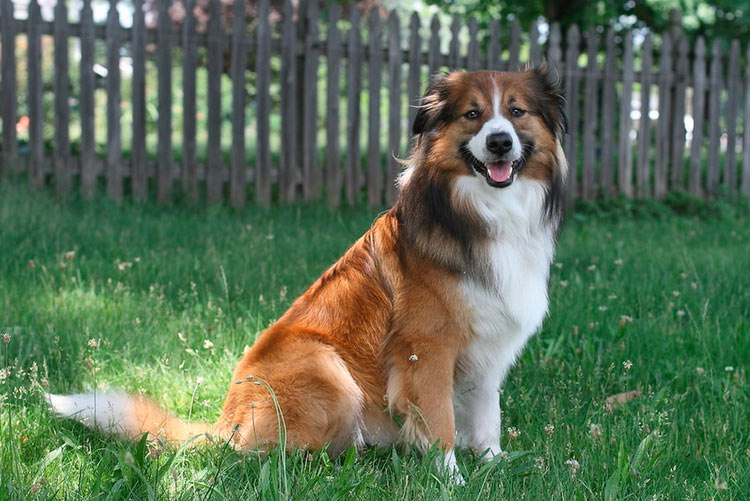
The coat is medium in length and texture, straight, wavy, or curly with an undercoat. It must be resistant to dirt and inclement weather. Shedding is heavy in the off-season. The hair on the head, ears, and front of the legs is short and smooth. The back of the front and hind legs forms feathering. The tail is very well feathered. The hair on the neck forms a heavy mane. The standard recognizes four predominant color patterns:
- Black and tan;
- Tricolor (black, brown, white);
- Black and white;
- Sable (can appear in all shades of brown from pale honey to deep red, with hair tips often dyed black).
Character
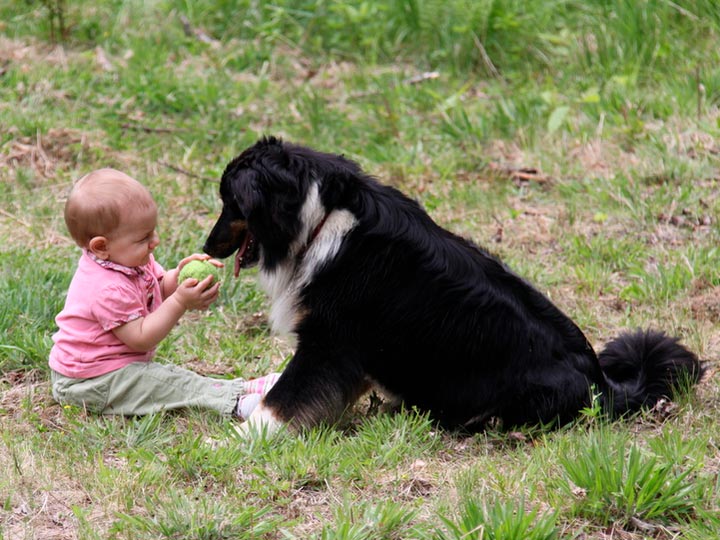
The English Shepherd is a balanced and hard-working breed with a friendly temperament and strong territorial and guarding instincts. They are very alert, but often not aggressive enough to be effective guard dogs. They may growl and bark, but rarely attack. They are generally wary of strangers; if not aggressive, they readily relent and joyfully greet guests and their owner's friends. They get along well with children of all ages, treating children with care and affection. They form close bonds with all family members. Some dogs, when playing with children, will try to nip their ankles. This is instinctive behavior and is not a sign of aggression, but merely an attempt to "herd" the child.
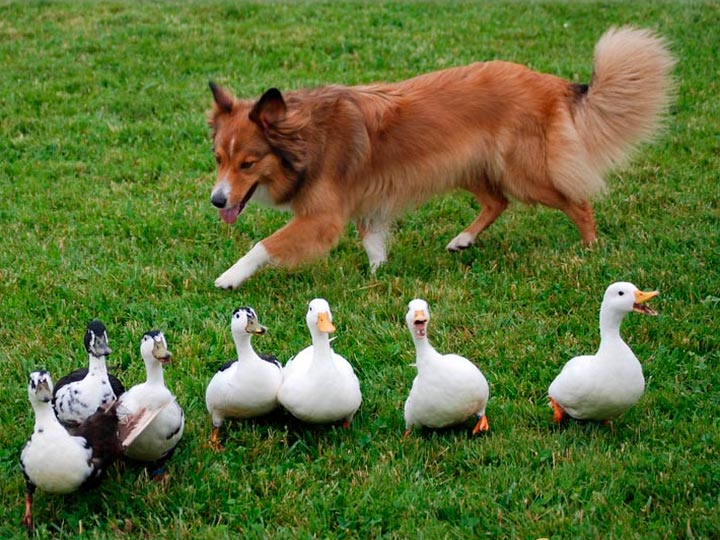
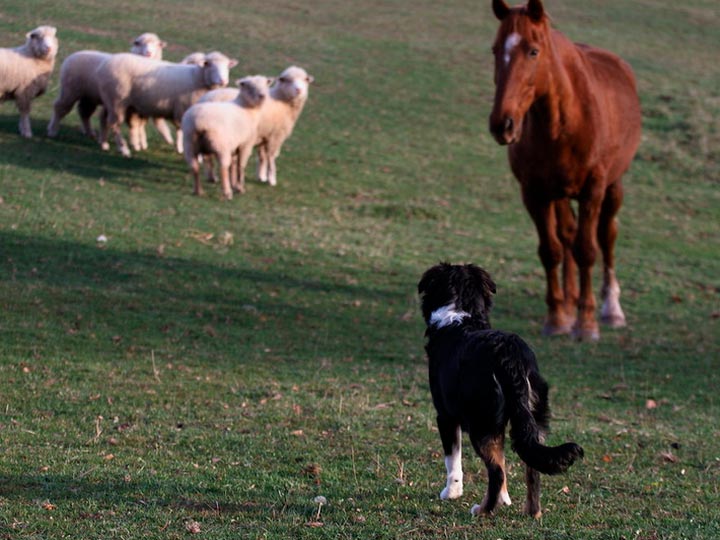
The English Shepherd is capable of working with a variety of animals, from poultry to cattle and horses.
English Shepherds are noted for their hunting instinct. They enjoy chasing small animals, squirrels, martens, and possums up trees, and even the neighborhood cat may serve in this role. They may even choke animals that are not particularly agile or fast. With proper training and socialization, English Shepherds get along well with other dogs and may prefer to play with their fellow dogs on walks. Occasional dominance battles may arise between dogs. They get along well with domestic cats that they have grown up with.
A herding dog enjoys working in partnership with its owner, but also performs well with minimal direction. Self-confidence, determination, and a desire to follow rules compel the shepherd to maintain order in its environment.
Education and training
Thanks to their combination of intelligence, athleticism, and trainability, English Shepherds can excel in a variety of dog sports. They excel in agility and can also be outstanding partners in search and rescue services. In America, many Shepherds are certified therapy dogs, visiting patients in nursing homes and hospitals. They are truly a versatile and talented dog, eager to work in a variety of settings.
English Shepherds are always cooperative and easy to train. They learn commands quickly and remember them for a long time. Their intelligence can only be dangerous when combined with boredom.
Even a beginner can train an English Shepherd. It's important to remember that a Shepherd will obey the person it perceives as a leader. If it perceives a person or child as beneath it in the social hierarchy, it will not obey commands, unless it's simply for a treat.
Content Features
A German Shepherd isn't the best choice for a house or apartment, given that they are very active and require ample exercise, constant work, and mental stimulation. Furthermore, their long hair will be scattered throughout the house, even with regular brushing.
A dog that lives on a farm and is used for its intended purpose is very resilient and can work tirelessly for hours. The minimum for pets is a daily walk of at least an hour with vigorous physical activity: jogging, play, exercise, obedience training. If an English Shepherd doesn't get at least this, they develop behavioral problems: hyperactivity, destructiveness, excessive barking, shyness, and various obsessions. They are less energetic than other dogs. border collie or Belgian Malinois, so the rest of the time in the house they behave calmly.
Care
The English Shepherd is completely low-maintenance in terms of grooming. They don't require professional grooming, only regular brushing to prevent matting and reduce shedding. They shed heavily during the shedding season and moderately throughout the rest of the year. Regular skin and coat inspections are necessary. Ears and eyes are cleaned as needed. Sick and elderly animals that are sedentary require nail trimming as they grow.
Health and life expectancy
The English Shepherd boasts robust health. Long-lived dogs are common among these dogs, but the average lifespan is 12-13 years.
The breed benefited from a large gene pool during its development. Furthermore, it avoided the worst of modern selective breeding methods: breeding for appearance, and for a long time was bred solely for working qualities, character, and health.It's difficult to provide precise statistics. The breed is quite small, and only a few hobbyists and breeders keep track of any illnesses. They note the following:
- Hip dysplasia;
- Patellar dislocation;
- Sensitivity to anesthesia;
- Allergies;
- Cataract;
- Collie eye anomaly;
- Entropy;
- Eversion of the eyelid.
Otherwise, English Shepherds require standard veterinary preventative measures: vaccinations, deworming, treatment for fleas, mosquitoes and ticks.
Choosing an English Shepherd Puppy
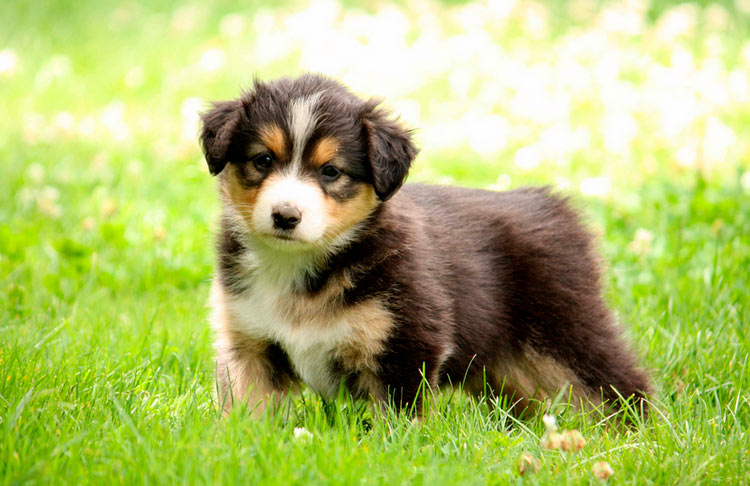
Despite growing interest in the breed, finding an English Shepherd puppy in Russia or Europe is very difficult. Perhaps the only way to acquire a puppy from working parents is to import one from the United States. Obviously, in this case, choosing a breeder and a puppy from the litter requires careful consideration. It's not recommended to buy a dog younger than 6-7 months, as it doesn't show sufficient qualities and potential.
Price
In America, an English Shepherd puppy costs $800-$1000.
Photos
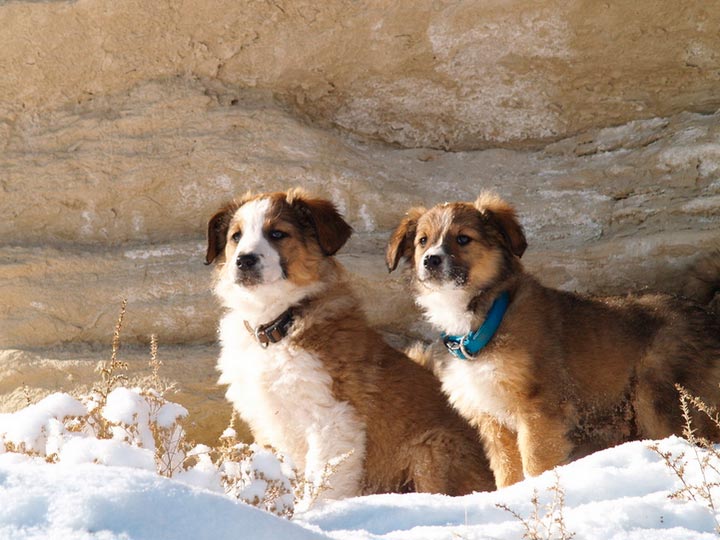
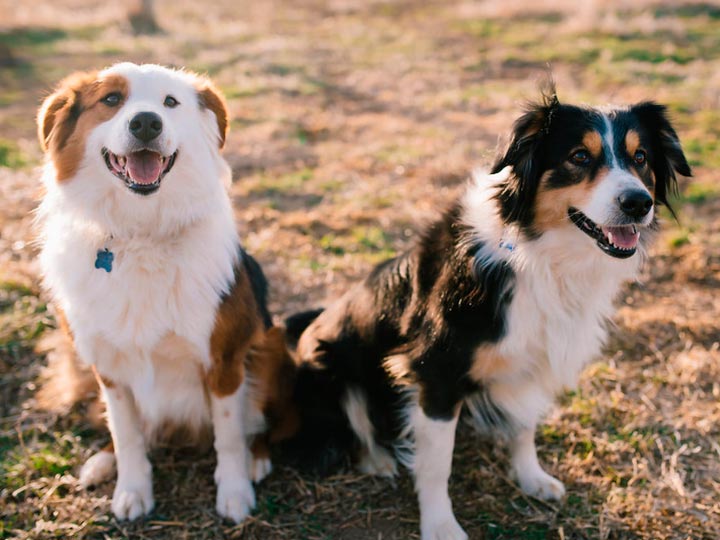
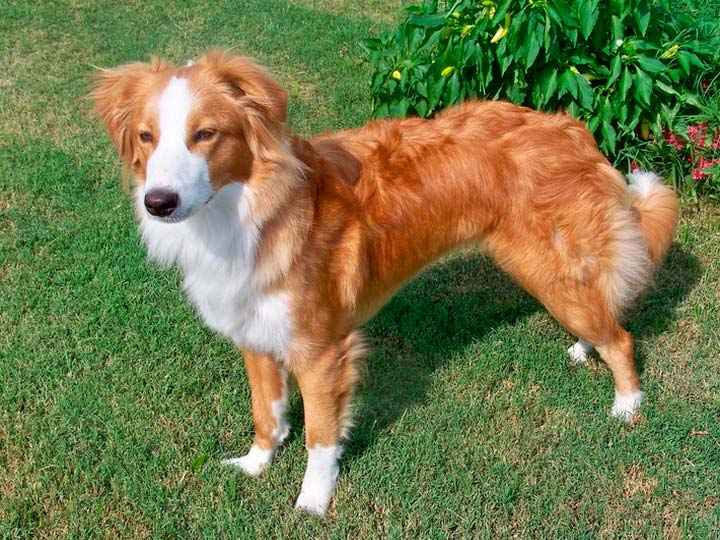
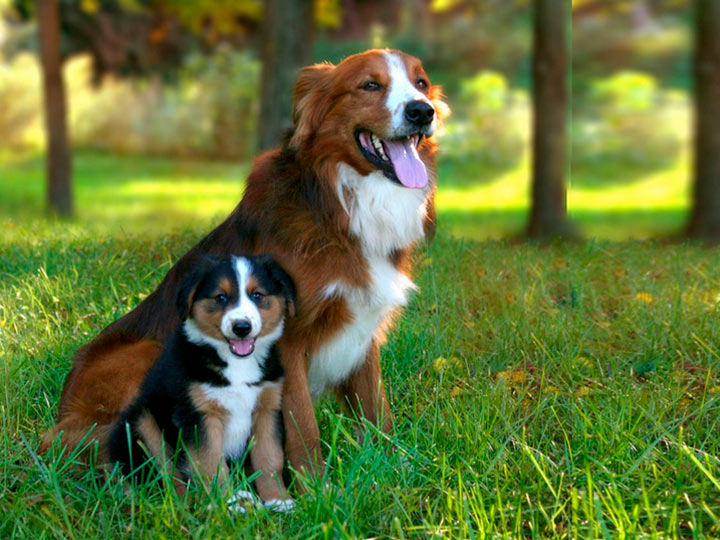
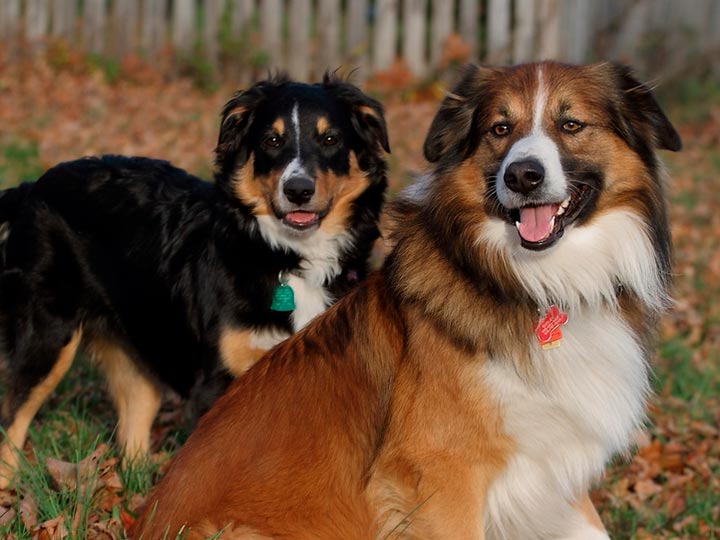
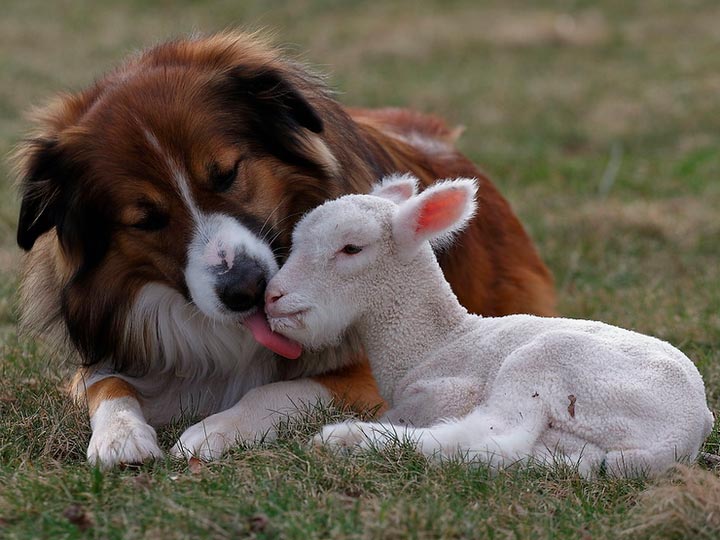
The gallery contains photos of adult English Shepherd dogs and puppies.

Read also:


Add a comment