
Anemia in Dogs: Symptoms and Treatment
Anemia in dogs, like in humans, is a condition associated with a decrease in red blood cell (erythrocyte) levels and/or hemoglobin content. Their primary function is to transport oxygen from the lungs to all tissues and organs and to transport carbon dioxide back from them. Consequently, a decrease in red blood cell count can disrupt the body's normal functioning. It's important for pet owners to recognize the symptoms of this condition so they can begin treatment promptly.

Content
Reasons for development
Anemia is not so much a disease in itself as a symptom of other disorders in the body. It can be triggered by:
- Serious pathologies or injuries accompanied by profuse bleeding.
- Autoimmune pathologies, when the body begins to destroy its own red blood cells.
- Poisoning with heavy metals or poisons that cause severe intoxication of the body.
- Gastrointestinal diseases that cause bleeding.
- Use of medications that may have internal bleeding as a side effect (nonsteroidal anti-inflammatory drugs).
- Infectious diseases that cause bleeding in the gastrointestinal tract (viral hepatitis, piroplasmosis, leptospirosis etc.).
- Advanced forms of infestation with external and internal parasites (especially in small breeds or young individuals).
- Chronic liver and kidney diseases that cause disturbances in blood cellular parameters.
- Congenital pathologies of the hematopoietic system and blood clotting processes.
- Unbalanced diet.
- Ulcers and bleeding tumors in oncological diseases.
Risk group
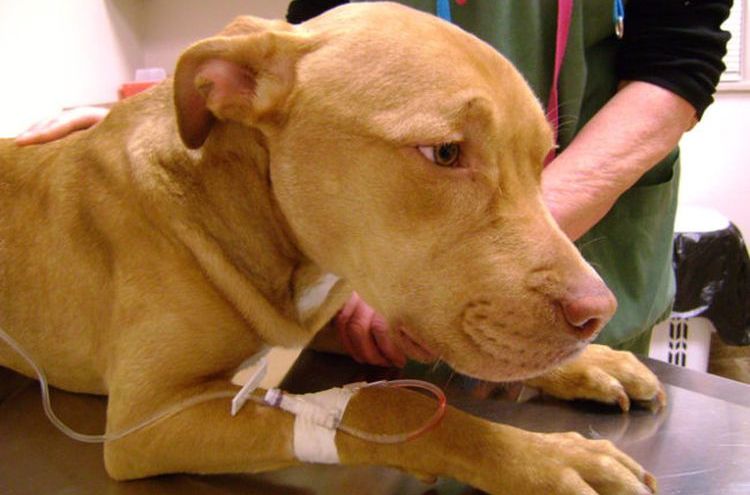
All dogs, regardless of age or breed, can develop anemia. Greyhounds and pit bull terriers are particularly at risk. These two breeds are more susceptible to infectious diseases that can cause anemia.
In addition, the risk of anemia increases significantly for animals with duodenal or gastric ulcers and hereditary pathologies.
Types of disease
Depending on the triggering factors, dogs may develop the following forms of anemia:
- Posthemorrhagic. Associated with major bleeding (external or internal) resulting from trauma or surgery.
- Hemolytic. Associated with the destruction of red blood cells due to microorganisms, certain substances, or diseases. In some cases, autoimmune disorders develop, where the body perceives its own red blood cells as foreign bodies, triggering their destruction.
- Hypoplastic. Develops due to a deficiency of important vitamins or microelements (B vitamins, copper, selenium, zinc, iron) necessary for the normal functioning of all systems.
- Alimentary anemia is a type of hypoplastic anemia. It occurs in puppies from an early age due to an unbalanced diet or iron deficiency (sometimes due to impaired absorption from the intestines).
- Aplastic. Associated with serious pathologies of the hematopoietic system (red bone marrow), which may affect the formation of red blood cells or other blood cells.
Each of these forms can be regenerative or non-regenerative. In the former case, the body will quickly restore the red blood cell deficit on its own; in the latter case, such rapid recovery is impossible.
Symptoms of pathology
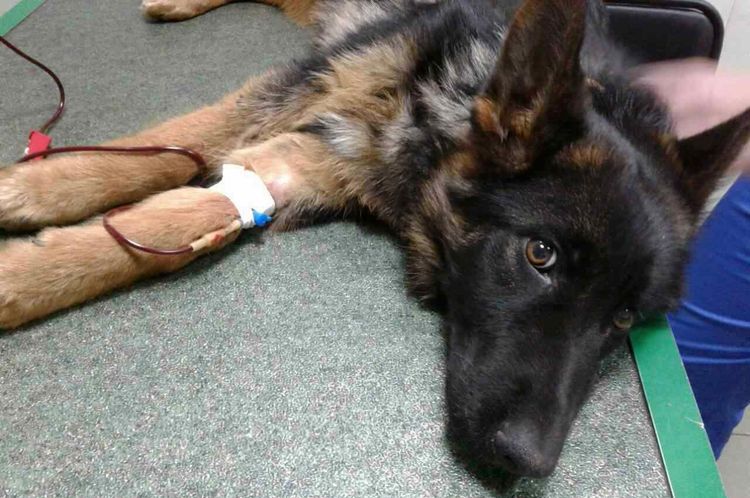
Since anemia disrupts oxygen supply to all tissues and organs, it inevitably affects the dog's condition. The dog becomes lethargic, tires quickly with physical activity, and prefers to spend most of its time lying down. Other characteristic symptoms include:
- Decreased appetite (manifested in a minimal amount of food eaten), which may result in bloating.
- Body temperature is at the lower limit of normal.
- Paleness or a bluish tint to the mucous membranes (especially in the mouth), possibly with pinpoint hemorrhages. In the hemolytic form, they may have a yellow tint.
- Rapid, shallow, or labored breathing. Frequent inhalations are the body's attempt to compensate for the lack of oxygen in the blood.
- Increased heart rate.
- Gastrointestinal disorders (constipation, diarrhea).
- Increased frequency of urination and thirst (in some cases).
- Delayed response to external stimuli.
- The appearance of blood clots in the stool.
- Fainting (in rare cases).
Note! Symptoms of anemia caused by parasitic infestations (worms, ticks, fleas) develop more slowly than those caused by bleeding.
These symptoms aren't specific to anemia. Furthermore, they often appear at an advanced stage, while the early stages of the disease can be virtually asymptomatic. Pale mucous membranes and increased fatigue should prompt a visit to the veterinarian. They will examine your pet, run the necessary tests, and determine the appropriate treatment for each individual case.
Treatment methods
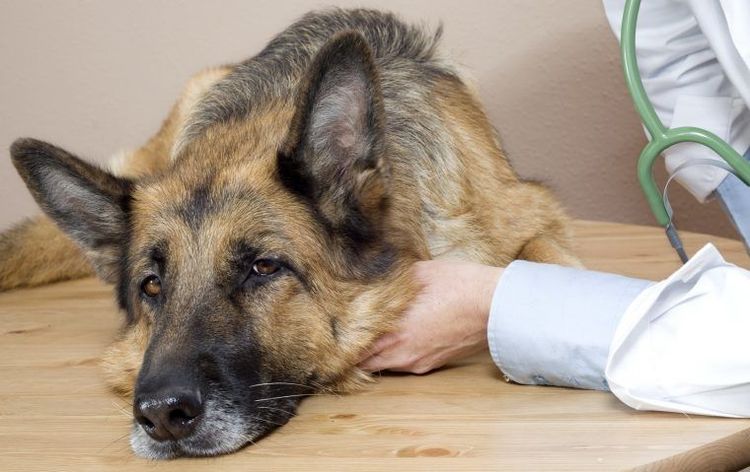
There is no single treatment plan for anemia in dogs. The variety of causes of the disease dictates equally diverse treatment options. Furthermore, the veterinarian must also consider the individual characteristics of the animal (age, weight, general health condition).
Taking into account all factors, the following are used to treat anemia:
- Blood transfusion to increase its volume.
- Introduction of individual components (erythrocytes and platelets) into the blood
- A course of vitamin K1 to normalize blood clotting processes.
- Antiparasitic treatment.
- Antibiotic therapy is recommended when infections are diagnosed. Trimethoprim-containing medications, which can trigger aplastic anemia, are not suitable for this purpose.
- Corticosteroids (prednisolone) – to suppress immunity in autoimmune disorders.
- Complexes of individual microelements (iron, potassium, phosphates).
- Vitamin complexes – to strengthen the immune system and prevent relapses of the disease.
- A special diet with a lot of meat, liver and other foods rich in iron and B vitamins.
The treatment period can last from a couple of weeks to a month and a half, and in advanced chronic forms of anemia, it can exceed 12 months. The prognosis will depend on the severity of the disease and the patient's overall condition. The hemolytic form typically recovers quickly, even in older individuals, with timely treatment. If the cause was toxic intoxication or autoimmune disorders, the prognosis will be less favorable. The prognosis for cancer is even more pessimistic, as the treatment outcome will depend on the patient's response to surgery or chemotherapy.
Preventive measures
Veterinary medicine does not provide therapeutic measures for the prevention of anemia in dogs. Such medications should be used only as prescribed by a doctor and only for treatment or subsequent recovery.
Any preventative measures should be tailored to each pet, taking into account their individual health needs. The following recommendations are general for all dog owners:
- carry out timely antiparasitic treatment and vaccinations;
- ensure a proper balanced diet, supplementing it with vitamin and mineral complexes if necessary;
- treat all diseases in a timely manner, especially those related to the hematopoietic system;
- control the course of chronic diseases, especially kidney and liver diseases;
- Take any medications only as prescribed by a veterinarian.
Anemia in Dogs and Veterinarian Advice: Video
Read also:
- Hypothyroidism in Dogs: Symptoms and Treatment
- Flux in dogs: symptoms and treatment at home
- Pneumonia in dogs: symptoms and treatment


Add a comment