
Anatolian cat (Turkish Shorthair)
Anatolian cat or Turkish shorthair - this is aboriginal cat breed, which developed independently in the natural conditions of Eastern Anatolia, one of the seven geographical regions of modern-day Turkey, located along the Syrian border. The Anatolian cat is a wild type of domestic cat, renowned for its high intelligence, excellent health, and lively temperament.
Content
History of origin
The Anatolian cat is believed to be a direct descendant of the wild cats that inhabited Eastern Anatolia and were once domesticated by humans, although this is not entirely accurate. Free-ranging individuals are also found in warm regions of Iran, Iraq, and the Caucasus. Today, alongside domestic cats of this breed, there are populations of secondary feral Turkish Shorthair cats.
Interest in these cats from Turkish Anatolia has only recently gained currency in Europe, specifically in the mid-1990s. In 1995, a cat show in Germany was organized by enthusiasts from a small club of Russian cat breed lovers. Three white cats with different-colored eyes were on display—these were shorthaired cousins of the Van cat, brought to the show by a professor from Van University.
Soon, German breeder Beate Goetz and Dutch breeder Anke Bax began breeding and developing the phenotype of Turkish shorthaired cats. Based on their Turkish colleagues' assertion that shorthaired cats were a variety of longhaired "van kedisi," they used outcross programs between Anatolian shorthaired cats and purebreds. Van cats with their characteristic coloring.
Over the following years, several more catteries became interested in breeding shorthaired cats from Turkey and fought for official recognition of the breed. Among them were not only European felinologists, but also breeders from the United States, in particular Teri Davis, who bred Vans and Angora cats.
The breeders' efforts were crowned with success in 2000: the Anatolian cat was officially recognized by the WCF under the name "Turkish Shorthaired cat" or "Anatoli".
Description of the breed
Let's begin with a detailed description of the Anatolian cat breed. The breed standard adopted by the WCF describes Anatolian cats as a shorthaired variety of the Turkish Van breed.. These are medium-sized cats, weighing between 3 and 6 kg, with well-developed muscles and a moderately developed bone structure. The chest and neck are massive, the tail and limbs are of medium length, and the paws are round and tight.
Head and muzzle
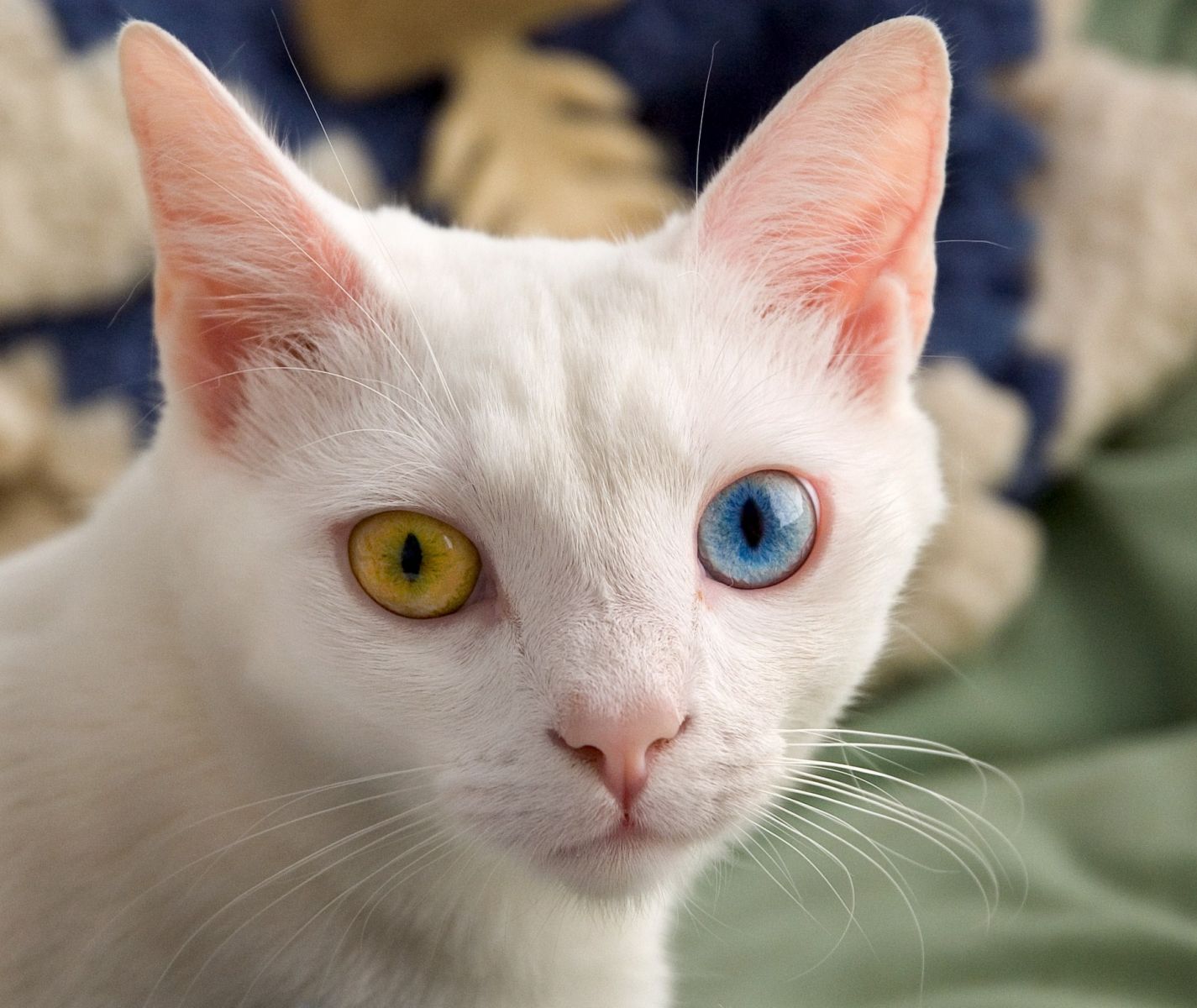
The Anatolian cat's head is shaped like a truncated wedge. The nose is straight, and the chin is strong. The oval eyes are set slightly obliquely. The iris color can vary, but the key is that it is uniform, rich, and matches the coat color. White Turkish Shorthair cats are more likely to have mixed-color eyes, but heterochromia can occur in other colors as well. The ears are small with rounded tips, wide at the base, and set fairly high and straight.
Frame
When standing on all fours, the cat holds its back straight, parallel to the ground. When viewed from above, the body clearly tapers from the chest to the pelvis.
Coat and colors
The coat is short, with a sparse undercoat. The hair is fine and stiff to the touch. If the cat's tail is well-furred, its tip usually resembles a straight, clipped brush.
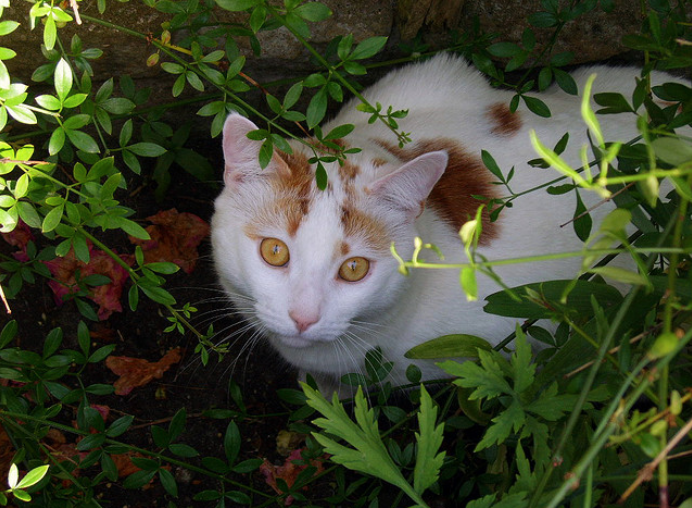
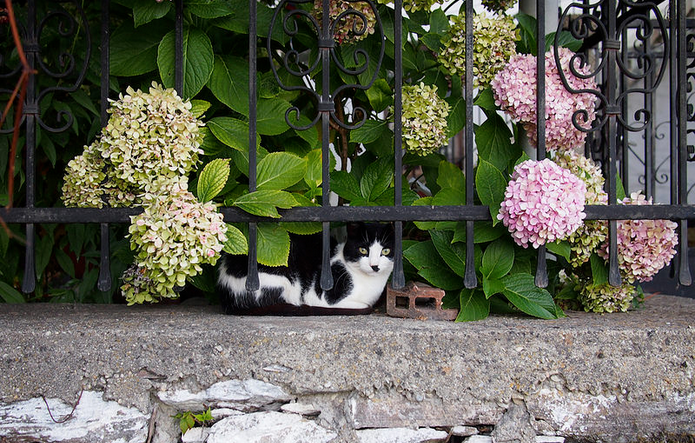
The breed standard allows all natural colors: bicolor, tricolor, tabby, and solid colors—from all white to all black. Chocolate and cinnamon colors, as well as corresponding diluted colors such as lilac or fawn, are not permitted in any combination. Agromechanical colors (Burmese and Siamese) are not recognized. The appearance of Anatolian cats is shown in the photo.
Turkish Shorthair Cat Slideshow:
Character
Anatolian cats are curious and sociable. They typically favor one person over all family members; they will spend more time with this person, follow them around the house, and make their demands. Anatolians are quite intelligent; they quickly learn the names of objects, pick up on intonations, and learn house rules.
Anatolian cats are very energetic and playful. While they can be overly playful when young, they become more reserved and tame as they mature.
A distinctive feature of this breed is its unusual talkativeness. Anatolian cats have a quiet, melodic voice, which they use to communicate with their owners. The sounds they make are hardly meowing; they resemble individual vowels. Like Van cats, many Anatolians have a passion for water; not only are they not afraid of it, but they also enjoy bathing or playing in running water.
Relationships with other pets are difficult to predict; everything depends on the cat's personality and the temperament of its companion. Living with small rodents and birds can be dangerous due to these cats' strong hunting instincts.
Cats reach sexual maturity early, as early as 7-9 months, but their physical and psychological development is not fully realized until 3-4 years of age. Those who decide to breed Anatolian cats will be delighted by their exceptional parental instincts. Both parents typically participate in the care and upbringing of their offspring, and they continue to care for them even as the kittens grow older.
Maintenance and care
There are no special requirements for the care of Anatolian cats. They do equally well in an apartment or a house with free access to the outdoors. If a Turkish Shorthair lives in an apartment, it's advisable to provide it with plenty of toys. These cats are particularly interested in rustling objects and often in running water.
A great option for Turkish shorthaired cats would be a play structure or a special tree with a house.
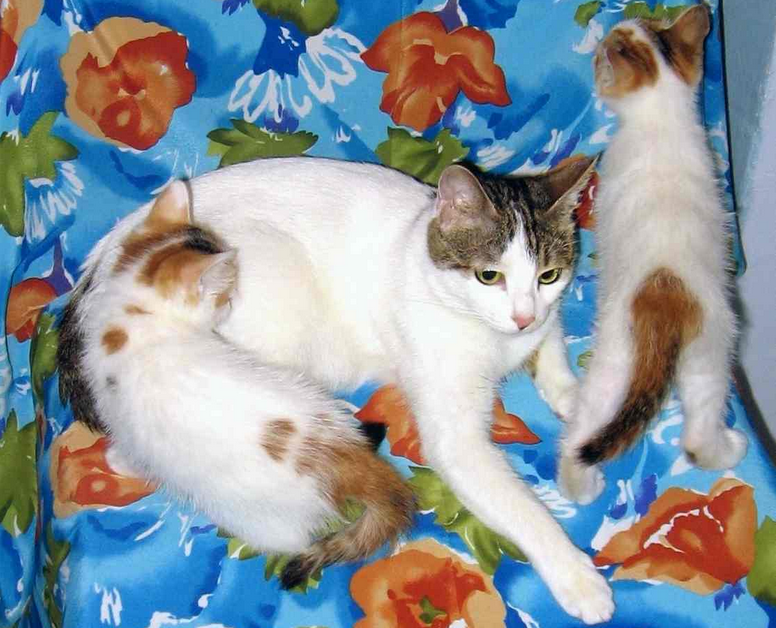
Turkish shorthaired cats are able to care for their own coats; they only require additional brushing during periods of active shedding. This helps remove dead hair from their coats more quickly and prevents hair from clogging their stomachs.
Bathe your cat infrequently, only when absolutely necessary. Check and clean their ears periodically. Trimming their claws is fine if your cat lives indoors, but it's not recommended if they go outside. Without sharp claws, your cat won't be able to defend itself or, for example, climb trees.
Diet
Since the Turkish Shorthair cat developed in a natural environment, it's best to feed it natural foods: fresh beef or chicken, offal, and fish. Fermented milk products (cottage cheese, cheese) and hard-boiled eggs are also included in small amounts. Of course, each pet has its own taste preferences, and you'll need to adjust accordingly.
Anatolian cats are quite picky eaters and will not eat low-quality foods. If desired, you can choose commercially prepared food (dry or wet canned food) for your cat. Anatolian cats have excellent appetites, due to their activity and mobility, but they are not prone to overeating and will not eat more than necessary to replenish their energy reserves.
Even neutered cats of this breed are not prone to obesity. If a pet shows interest in its owner's food, it's likely there's something missing in its diet.
Health and life expectancy
Anatolian cats are strong and resilient, with no known genetic diseases. The breed has been subject to little artificial selection, but the possibility of problems common to all cats cannot be completely ruled out: premature, difficult, and abnormal births, the risk of developing urolithiasis due to poor nutrition, as well as infectious diseases and helminthiasis.
Just like cats of other breeds, they need preventative vaccinations, periodic deworming, and treatment against ectoparasites.
Buying a kitten and its price
The Turkish Shorthair isn't the most popular breed today; only a handful of breeders worldwide are involved in breeding the breed, so finding a cattery and kittens can be quite challenging.
Apart from the WCF, no other organizations have recognized Turkish Shorthairs, citing the low felinological value of the Anatolian cat breed. For these reasons, there is no information about catteries or prices.
Photos
Photos of Anatolian cats:
.png)
Read also:


1 comment
Bunny
A unique cat
Add a comment