
American Curl: Cats and Tomcats
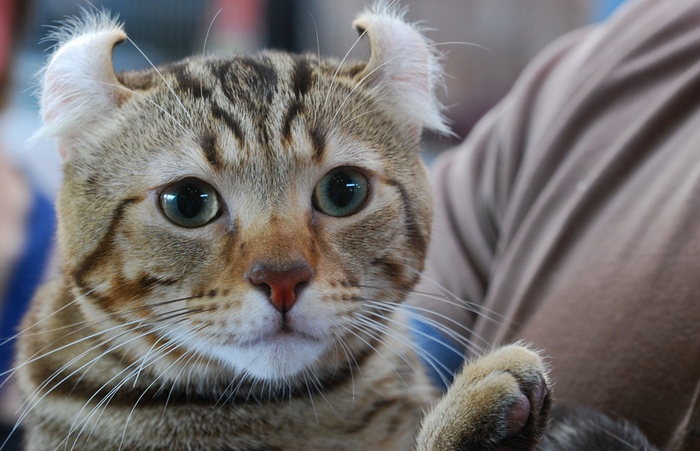
People not closely involved in cat breeding often look at most modern breeds and wonder how they differ from the Murka cats of the backyard. That's not the case with the American Curl! These cats' distinctive appearance is immediately noticeable: their unique ears curl back and are adorned with a thick tuft of fur. But Curls also possess a unique personality that many will find endearing.
Content
History of origin
Many of the cat breeds known today have fascinating histories of origin, but the most famous and original cat breed is American Curl.
In July 1981, in Southern California, a family of farmers adopted a stray kitten with folded ears. They named the cat Shulamith, after the beautiful woman from the parables of King Solomon. This kitten became the founder of the breed known as the American Curl.
In December 1981, Sulamith gave birth to her first four kittens of different colors: brown tabby, black, black and white, and lynx point. Within a few days, the owners noticed that all four kittens' ears folded backward, just like their mother's. The first kittens were given away to people willing to breed these unique beauties. Two years later, CFA consultants confirmed the unique traits passed down through generations from Sulamith and her descendants. From that moment on, more serious selection and development of a registered breed began.
The American Curl was officially introduced in Palm Springs in October 1983, at the CFA show. In 1985, the newly developed American Curl breed was accepted into the TICA Championship, five years later into the WCF and CFA, and became FIFe members in 2002.
American Curls are officially registered with WCF, TICA, RUI, FIFe, WFF and CFA.
Curl breeding is currently carried out by crossing purebred specimens of the breed or by using domestic cats with similar characteristics. This allows for diversity and maintains the quality of the offspring.
Video review of the American Curl cat breed:
Appearance and standards
American Curls are slender and well-balanced, with heavy bone structure. Females weigh between 3-5 kg; males can reach 7 kg. Sexual dimorphism is pronounced, with males having a broader forehead and larger cheeks.
Head and muzzle
The head is wedge-shaped with smooth angles. The whisker pads are rounded. In profile, the straight, moderately long nose and a slight rise from the eyes to the forehead are clearly visible. The chin is strong. The almond-shaped eyes are set slightly obliquely, with the distance between them equal to the size of the eye. The color may be any color except blue; it has no relation to the coat color.
A word about the ears
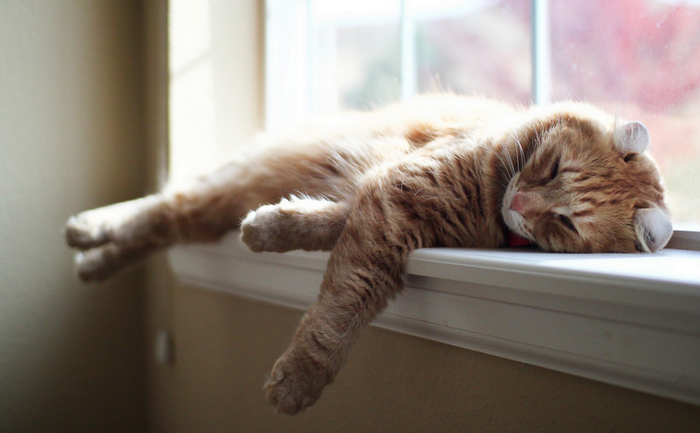
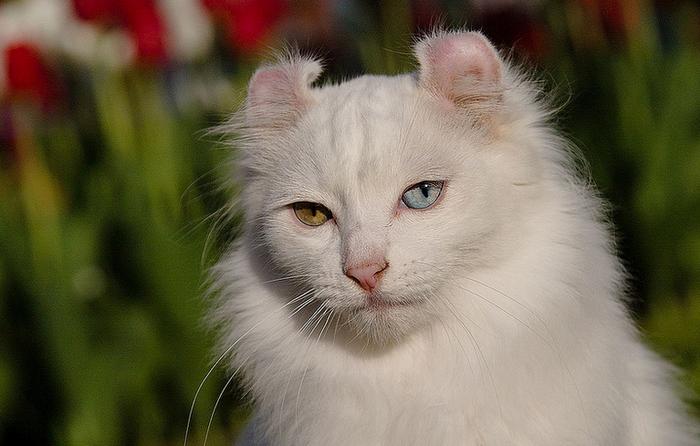
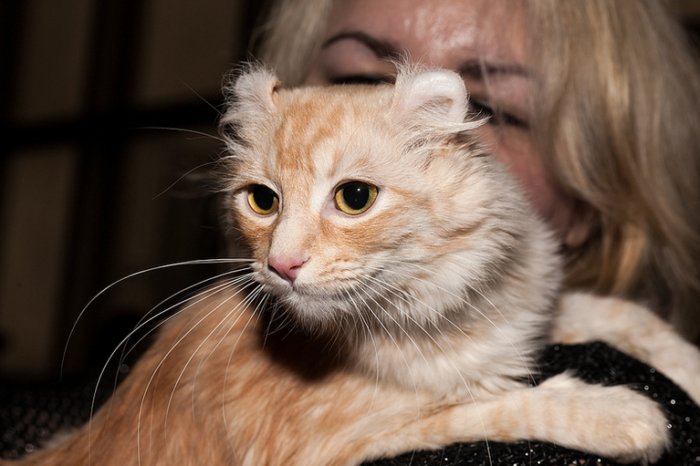
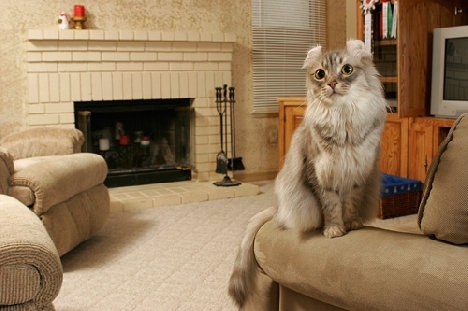
Curl ears have a gentle arch, tilting back between 90 and 180 degrees. A 135-degree tilt is considered normal. The base of the ear is made of hard cartilage, the edges should be smooth, and the tips should be rounded and flexible.
The curl angle is very important. If it's not too steep, the kitten is considered a pet. Cats with a medium curl angle are used in breeding, and only Curls with a steep curl angle are allowed to compete in international shows. The ears should have a lush tuft of hair.
Frame
The American Curl has a heavy bone structure and moderately developed muscles. The body is elongated and slender. The tail is long and wide at the base. The legs are medium in length and proportionate to the body. The paws are rounded.
Coat and possible colors
There are two types of wool in the breed:
- Semi-longhaired cats have soft, silky fur with virtually no undercoat. The guard hairs vary in length across the body, and the collar and tail are the most prominent.
- Shorthaired cats also have a soft, silky coat, shiny and loosely fitting. Overall, it's quite elastic and also lacks an undercoat.
The American Curl breed can come in a variety of colors, but tabby point and smoky white are not allowed.
Character
American Curl cats have a gentle, friendly nature. They are energetic, inquisitive, and very playful, yet also intelligent and clean. Interestingly, their playful nature persists into old age.
Curls are intelligent and quickly learn house rules and simple commands. At a young age, they often view learning as a game, so owners occasionally need to use a soft, commanding tone.
Thanks to their non-confrontational nature, Curls are ideal for families with small children. While they may scratch if a child in a fit of affection hurts them, their first instinct is to hide. These qualities make them beloved in most countries around the world.
American Curls form very strong bonds with their owners and thrive in large, sparsely populated households. They are generally unfazed by noisy guests and eagerly participate in all household chores. These cats are very talkative, meowing rarely but purring loudly and loudly. If left alone for long periods of time, their nervous system and behavior may be negatively impacted.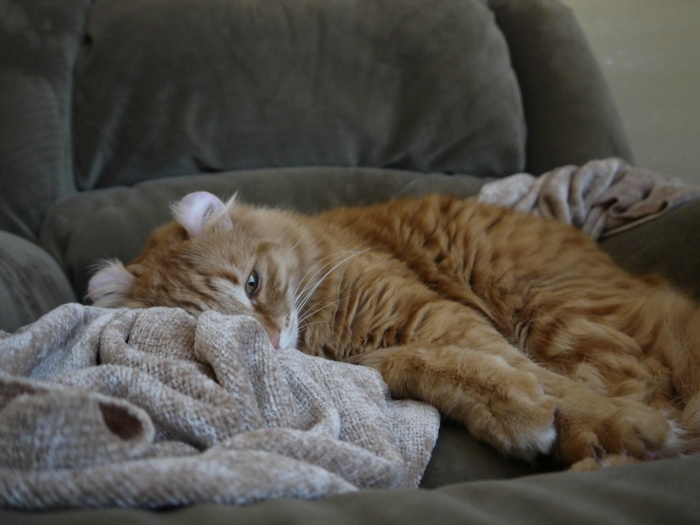
Cohabitation with other animals
Curls are naturally non-confrontational and get along well with other pets. However, don't expect too much from them; small rodents and birds will inevitably provoke their hunting instinct. Unneutered males may exhibit aggression toward other males.
Reviews of the breed
Most owners speak highly of American Curl cats. Everyone notes their extraordinary affection for people, sometimes bordering on obsessiveness. Curls need constant human companionship, demand a lot of attention, and participate in all household chores. We've compiled a list of the most common reviews of American Curls:
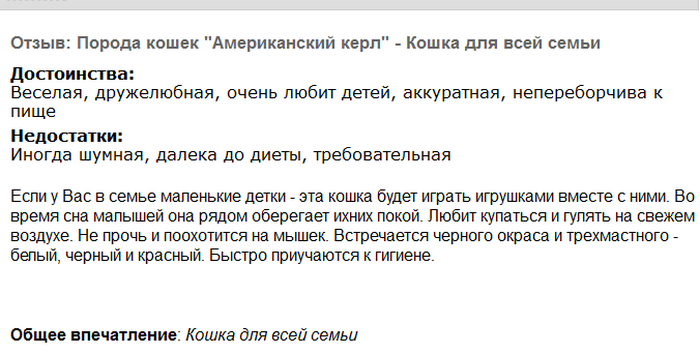
The next author mentions the curls' extraordinary affection, intelligence, and childlike playfulness.

Impressions of the ears from the breeder:

Curls purr a lot. This is how they express a wide range of emotions or simply communicate with their beloved owner. Their meowing, however, is quiet and infrequent.
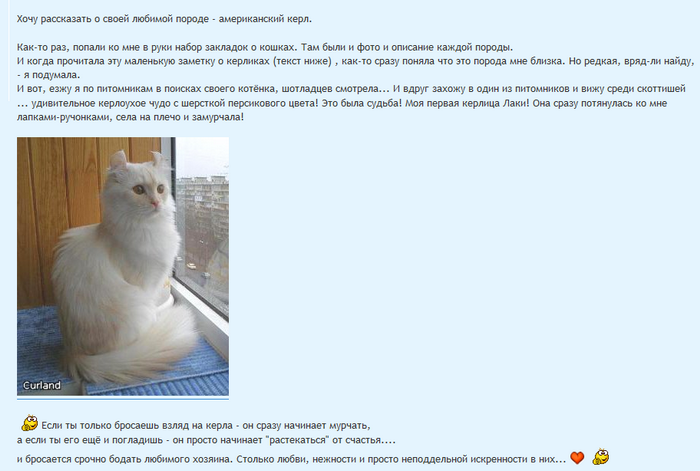
People who value independence and self-reliance most in a cat should consider another breed; Curls cannot live without a beloved owner.
Maintenance and care
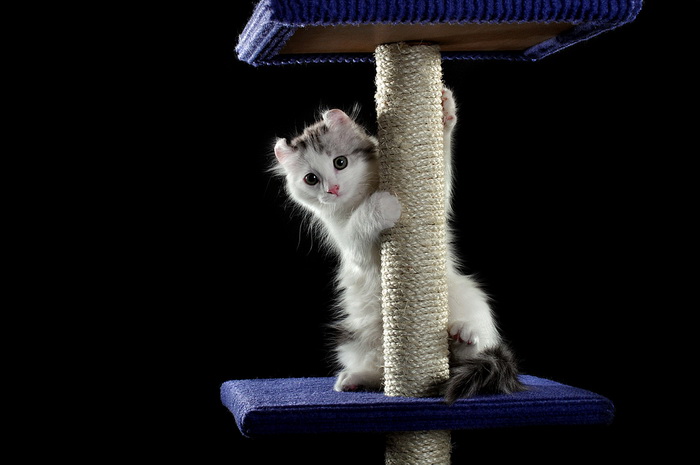
Curls, like most modern breeds, are well-suited to apartment living. There are no special requirements for their care; a standard cat kitty will do: bowls, a couple of toys (a play structure is highly recommended), a litter box, a scratching post, and grooming supplies. As for sleeping, the cat will likely prefer the owner's bed. If you plan on taking them for walks, be sure to ensure they are vaccinated, microchipped, and equipped with a harness.
Children and strangers should be explained in advance that these cats' ears are sacred! Even petting their ears is prohibited.
Grooming varies slightly depending on the length of the cat's coat, but the brushing principle is the same. First, comb the coat with a short-tooth comb to remove dead hair, then smooth it out with a natural-bristled massage brush. Short-haired cats are brushed once a week, while long-haired cats are brushed twice a week. During the shedding season, grooming is as needed. Frequent bathing is not recommended for Curls. Bathing is usually recommended a few days before the show, but no more than once a quarter. Shampoos and conditioners are selected based on the length of the coat. Dry shampoos can be used to remove minor stains.
Ear cleaning is recommended only as needed. Avoid using cotton swabs; it's better to purchase special lotions for gentle cleaning. Discharge from the eyes should be removed using paper towels or lint-free cloths soaked in warm water.
Nutritional Features
A high-quality, balanced diet is essential for an American Curl of any age. Most breeders recommend super-premium commercial food, either canned or dry. Kittens should also receive specially formulated diets.
A natural diet (nothing to do with table scraps!) is also acceptable, but problematic. Developing a complete diet is quite difficult, and getting a cat to eat all the foods it needs is practically impossible, which ultimately leads to deficiencies.
Health and life expectancy
American Curls are generally healthy, and no genetic diseases have been identified. Unlike Scottish Folds, the curl gene does not carry any negative consequences. The average lifespan is 14-15 years.
Choosing a kitten and price
When two Curl kittens are bred, almost all the offspring are born with curled ears. If one of the parents has normal ears, more than half of the offspring will be born with curled ears. This remarkable trait appears between 2 and 10 days old, and the actual curling process can take up to 4 months.
It is impossible to predict the degree of ear curling; moreover, cats with a large curl can give birth to kittens with a small curl, and vice versa.
The price of an American Curl depends on the quality of its ears. Kittens with straight ears or slightly curled ears sell for 8,000-10,000 rubles and are considered pet-quality. Show-quality specimens with excellent characteristics cost around 20,000-25,000 rubles on Avito. Animals with breeding potential can cost much more.
Kittens should move to a new home no earlier than 2.5-3 months of age, healthy, vaccinated and trained in good manners.
Photos of American Curl cats:
Read also:
Read also:


Add a comment