
American Spitz (American Eskimo Dog)
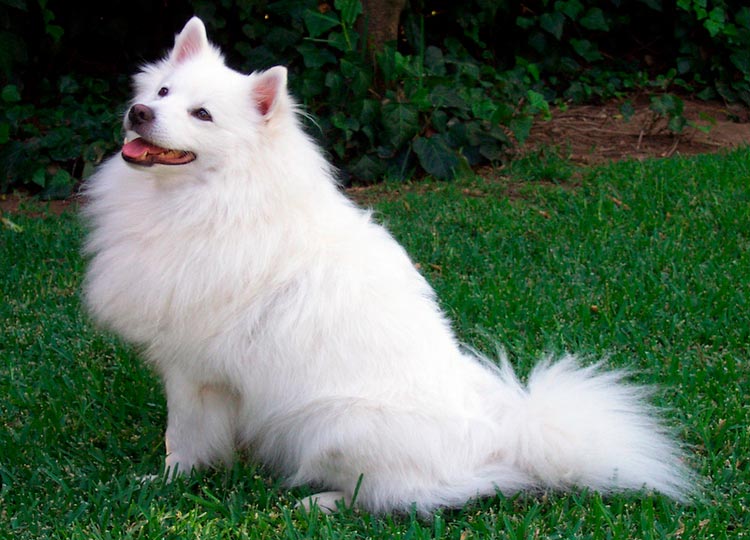
The American Spitz, or American Eskimo Dog, is a relatively new breed that was developed from German Spitz dogs in the early 20th century. The breed is not recognized by the International Cynological Association, so it is rarely found outside the United States. Eskimos are small, decorative dogs with a thick, beautiful white or cream-colored coat. smart, friendly, playful and devoted, true companions.
Content
History of origin
The American Spitz descended from German Spitz dogs brought to the United States by European immigrants and has no connection to the northern people. In the early 20th century, Spitz dogs were popular circus dogs in America. This suggests they are very easy to train and capable of performing a wide variety of, and sometimes very complex, tricks.
The Cooper Brothers Circus became famous thanks to its snow-white performer, Stout's Pal Pierre, who could walk a tightrope. The circus itself played a significant role in popularizing the breed, as they earned additional income by selling puppies after the show. White Italian and Japanese Spitz also played a role in the breed's development. Why white was the most popular color remains a mystery, but this trait was the basis.
White Spitz dogs were first registered with the United Kennel Club (UKC) in 1919 under the name Spitz. By 1924, amid anti-German sentiment, the UKC changed the breed's name to "American Spitz." And in 1926, to "American Eskimo Spitz." The breed owes its unusual name to Ms. Hall's largest Spitz kennel, American Eskimo Kennels. That same year, the word "Spitz" was dropped altogether, and the American Eskimo Dog was born. Despite this, white Eskimo dogs continue to be called American Spitz.
The first description and history of the breed were published by the UKC in 1958. At that time, there was no official club or standard; white Spitz were registered solely based on appearance. In 1970, the National Eskimo Dog Association of America (NAEDA) was founded, dividing the breed into two varieties: standard and miniature. In 1985, another Eskimo Dog Club (AEDCA) was formed, which already recognized three varieties and sought to register the breed with the American Kennel Club (AKC), which only recognized it in 1994.
Video about the American Eskimo Dog (American Spitz):
Appearance
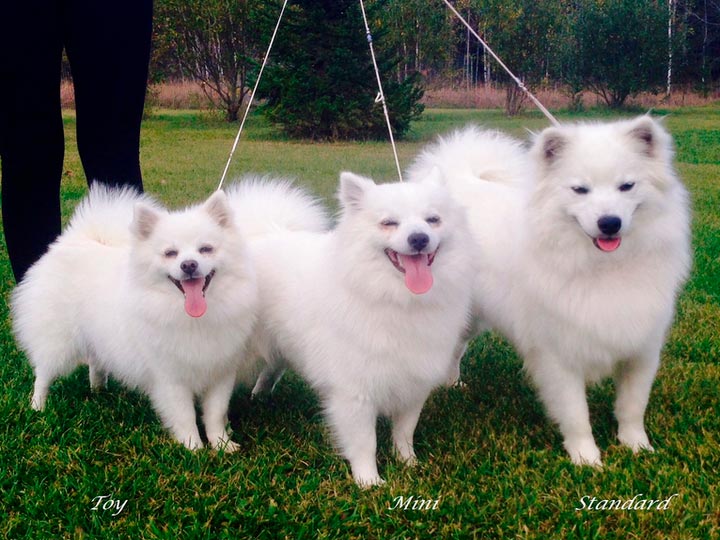
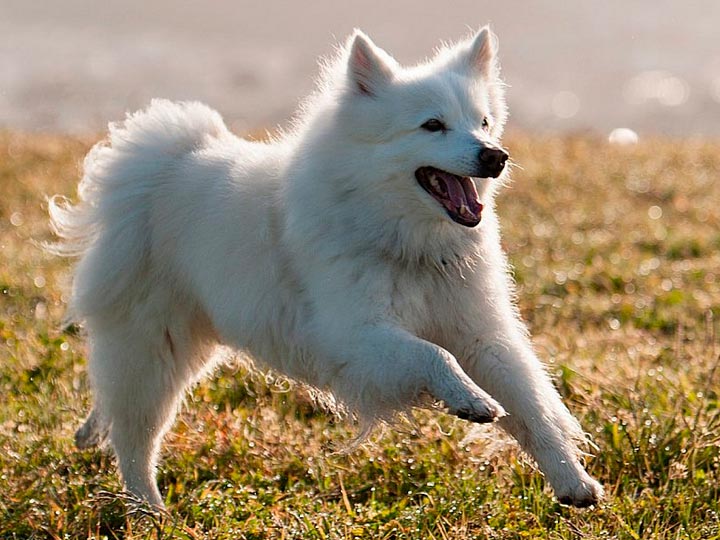
The American Eskimo Dog is a medium-sized dog, white or cream in color, with a thick, long coat. Well-built, compact, and well-proportioned, they are quite strong but not stocky. There are three varieties of the American Eskimo Dog, each differing in size:
- Toy 22-30 cm at the withers, weight – 3500 kg;
- Miniature 30-40 cm at the withers, weight - 58 kg;
- Standard: 49-50 cm at the withers, weight – 8-16 kg.
Interestingly, a similar situation can be observed in some other breeds, for example: German Spitz, dachshund, schnauzer, mountain dog.
The skull is wedge-shaped. The ears are triangular, set wide apart, set high, slightly slanted, but generally erect. The muzzle is pointed. The nose is black or blackish-brown. The eyes are slightly oval, set wide apart but not slanted. The preferred eye color is brown or dark brown, with rims that may reach black. The eyelashes are white. Amber eyes or pink rims are faulty. The lips are thin and tight, well pigmented. The jaw should be strong, with close-fitting teeth. The bite is a scissor bite.
The neck is strong and medium in length. The chest is deep and broad, with well-sprung ribs. The depth of the ribcage extends approximately to the point of the elbows. The back is straight, broad, and muscular. The length of the body is slightly greater than the height at the withers, with an approximate ratio of 1.1 to 1. The loin is strong and firm. The tail is set moderately high and reaches approximately to the hock when lowered. The legs are parallel. The shoulder blades are well laid back and sloping approximately 45 degrees. The upper arm is strong and muscular. The pasterns are strong and flexible, sloping approximately 20 degrees. The paws are oval and compact. The toes are tightly knit, the pads are hard, and range in color from dark brown to black, and the nails are white. Dewclaws May be removed at the owner's request. The hind legs are well angulated and parallel. The thighs are well developed. The knees are strongly bent.
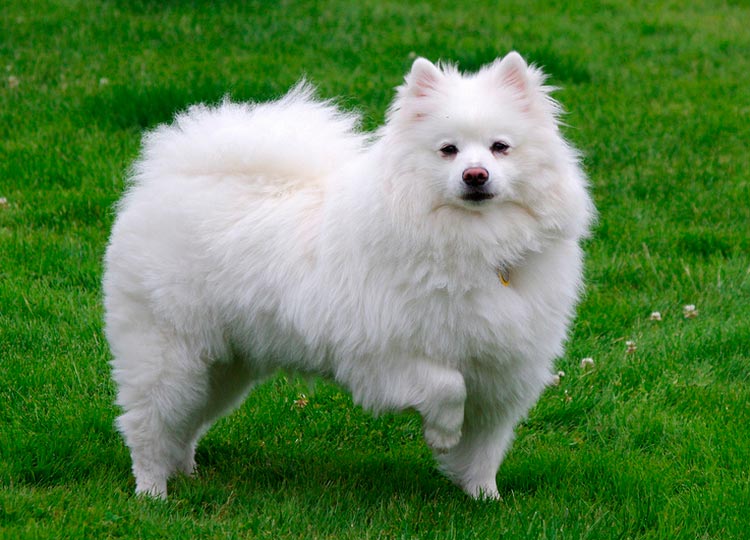
The coat is double, consisting of a dense undercoat and guard hairs growing through it. The ruff around the neck is more noticeable on males than on females. The hair on the muzzle should be short and smooth, and the outer part of the ears is also covered with short hair. The long hair on the front and hind legs should reach below the wrist. The tail is covered with abundant long hair. Colour: white or cream. The American Eskimo Dog's skin is pink or gray.
Character
The American Eskimo Dog is an energetic, cheerful, outgoing and obedient companion who strives to please his owner and does not tolerate loneliness very well.
These Spitz dogs are not shy and are responsible guard dogs. They are usually wary of strangers, have a strong territorial instinct, and can be protective of their toys and food. However, with loved ones, they are very friendly and affectionate, demanding attention and care, adapting to the family lifestyle and rarely being intrusive. At home, they are generally calm and clean, but outdoors, they frolic like little puppies, regardless of age.
The American Spitz, as befits a small guard dog, is very alert and reacts sensitively to any changes, barking loudly. If this behavior is encouraged, the dog will bark even more vigorously.
Their attitude toward other dogs depends on their training and socialization; some Spitz prefer the company of their owners, especially the miniature and toy varieties. They generally get along well with other dogs, but may have a slightly less favorable relationship with cats, small animals, and birds due to their high activity level. This breed is an excellent family companion. with childrenThe dog is usually very affectionate with children and enjoys playing active games.
Education and training
The American Spitz is people-oriented—it strives to earn its owner's praise and, of course, treats, for which it is willing to learn and perform a wide variety of tricks. This dog is very intelligent and dynamic, which is why it excels in agility competitions and other sports. Maintaining subordination is important when dealing with a Spitz: it will only obey someone it respects and considers its owner, not an equal.
Of course, a dog can and should be loved and praised, but praise should follow positive behavior, not be given regularly. A spoiled dog doesn't view its owner as a leader, and this can lead to various behavioral problems, such as disobedience and aggression.
A Spitz's size shouldn't mislead its owner—this is a self-sufficient and even somewhat stubborn creature that considers itself a big dog. Training should begin from the moment the puppy arrives. Socialization plays a significant role—the dog shouldn't be timid or aggressive toward anything unfamiliar. Therefore, during the growing period, Spitz dogs are taught to interact with other dogs and other animals, and are introduced to people, new routes, smells, and walking areas.
Content Features
The smallest varieties of Eskimo Spitz are bred to be sofa cushions. Standard Spitz can also thrive in a kennel, but both require ample exercise and regular interaction; without these, the dog will suffer and become stressed. This can lead to bad habits, such as damaging things. American Spitz can be trained to use a pad and left indoors in bad weather, but this still requires at least 30-40 minutes of playtime and another 15 minutes of training.
Dogs tolerate cold much better than heat, which is why they are more popular in the northern United States than in the south. To make their lives easier, they receive various haircuts in the summer, and their coats are allowed to grow a thick undercoat in the winter.
Care
The Eskimo Spitz sheds heavily. Spring shedding is particularly pronounced, when the undercoat falls off, along with a large amount of mature outer hair. Generally, grooming an American Spitz is simple and consists of routine hygiene procedures. The dog should be brushed regularly, bathed as needed (usually every 2-3 weeks), have its eyes and ears inspected regularly, cleaned as needed, and have its nails trimmed monthly. Also, attention should be paid to its teeth – it's important to accustom your puppy to brushing from an early age and have this procedure done at least once a week. Brushing removes plaque and is an effective preventative measure against many dental diseases.
Nutrition
Breeders and owners prefer to feed their dogs commercially prepared foods above the premium level. Holistic foods for active dogs are the optimal choice. Food is selected based on the dog's size, age, and physiological condition. If desired, a Spitz can be transitioned to a natural diet with a custom-designed diet.
The American Spitz is prone to weight gain. Proper nutrition and exercise are essential to maintain the pet's tone and overall well-being.
Health and life expectancy
The American Eskimo Dog is a hardy, sturdy dog that tolerates heat much more severely than cold. Illnesses are primarily the result of improper care or nutrition, but a number of hereditary conditions, some of which can be life-threatening, have also been reported:
- diabetes;
- epilepsy;
- hip dysplasia;
- juvenile cataract;
- Perthes disease;
- patellar dislocation;
- progressive retinal atrophy.
In addition to these rarer problems, Spitz dogs can be prone to allergies and dental problems. Increased tear production is often observed in young dogs. The tears stain the fur around the eyes brown; this is usually a purely cosmetic issue. All dogs require mandatory vaccinations and timely treatment for external and internal parasites. Their lifespan is typically 14-15 years.
Choosing a puppy and price
In Russia and the CIS, as well as in the rest of Europe, German Spitz breeds are the preferred breed, though Finnish and Japanese Spitz breeds are also common. The American Eskimo Spitz's popularity is hampered by its similarity to these breeds, which have long been well-known and beloved among Russian breeders. Furthermore, the American Spitz is not recognized by the International Cynological Association, meaning it cannot be shown or awarded titles.
Ads for American Eskimo Dog or American Spitz puppies for sale are very rare due to the breed's small population outside the United States. Furthermore, the puppies' origins are questionable. Some companies ship puppies directly from the United States, and, of course, purchasing a puppy in their home country, America, is an option. The American Eskimo Dog is officially recognized by several organizations, including the UKC and AKC, and therefore must have documentation of origin.
The price of an American Eskimo puppy in the US typically ranges from $600 to $800. Defective puppies can sell for significantly less, while some promising puppies can cost $2,000 or more.
Photos
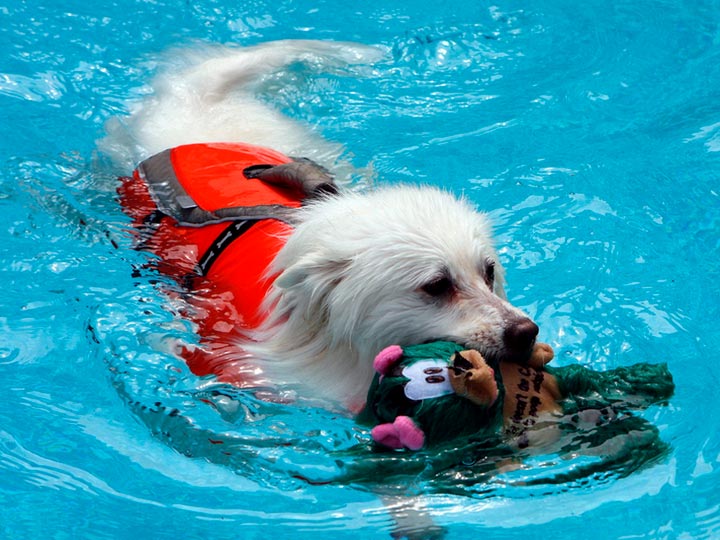
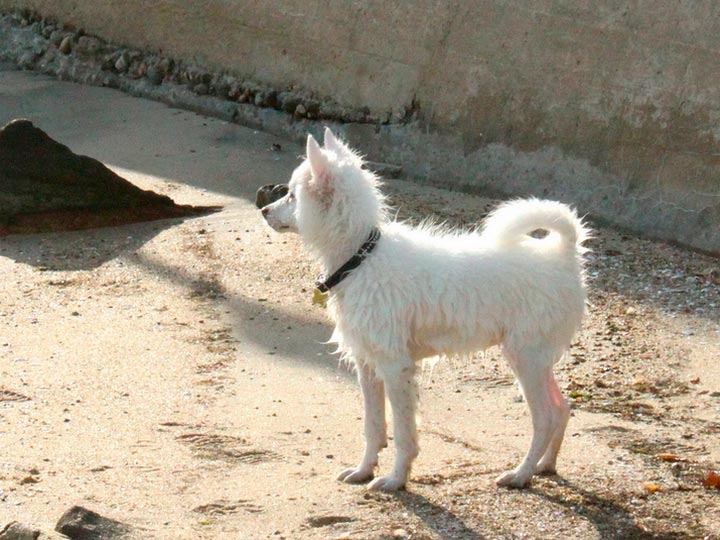
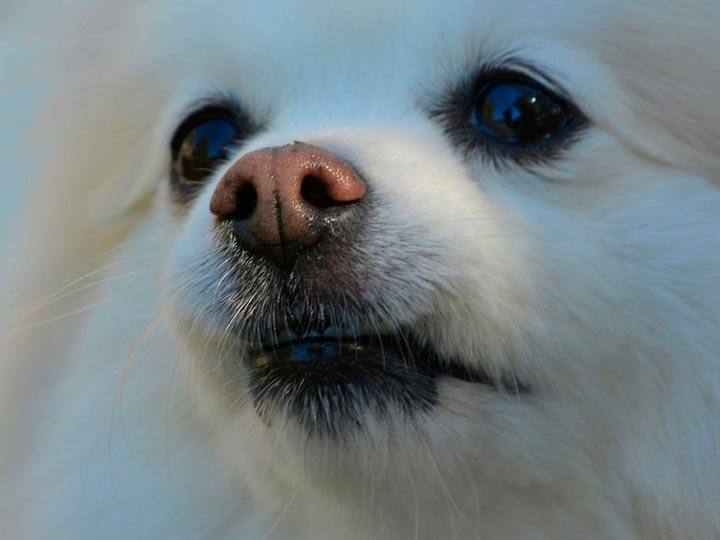
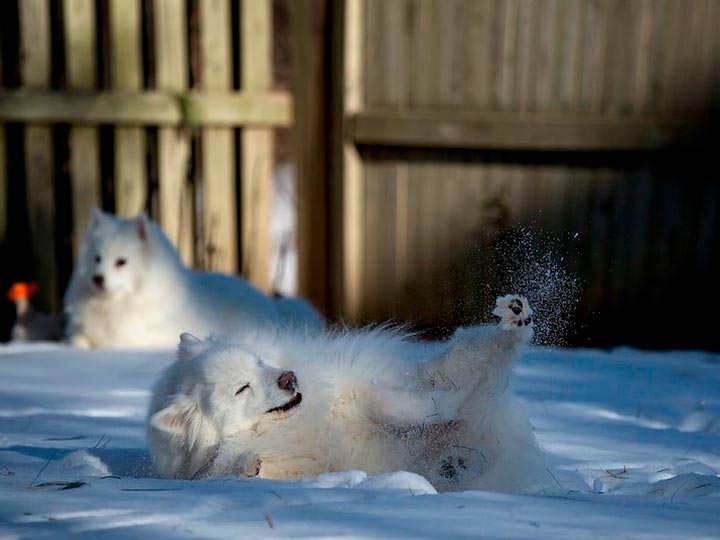
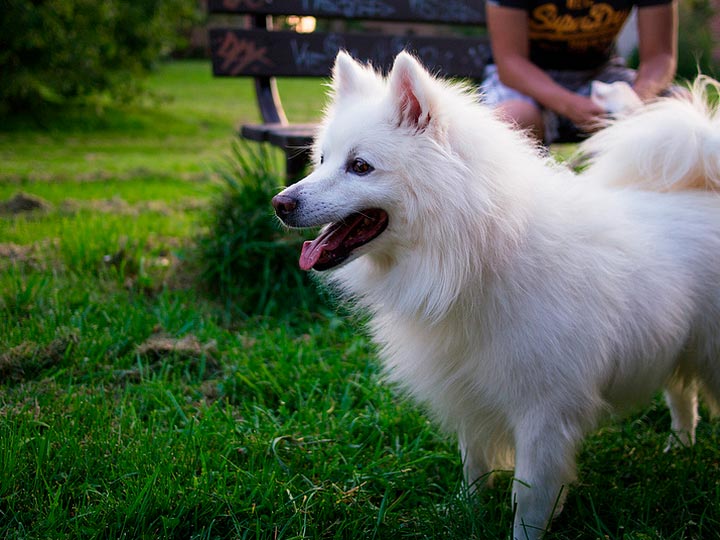
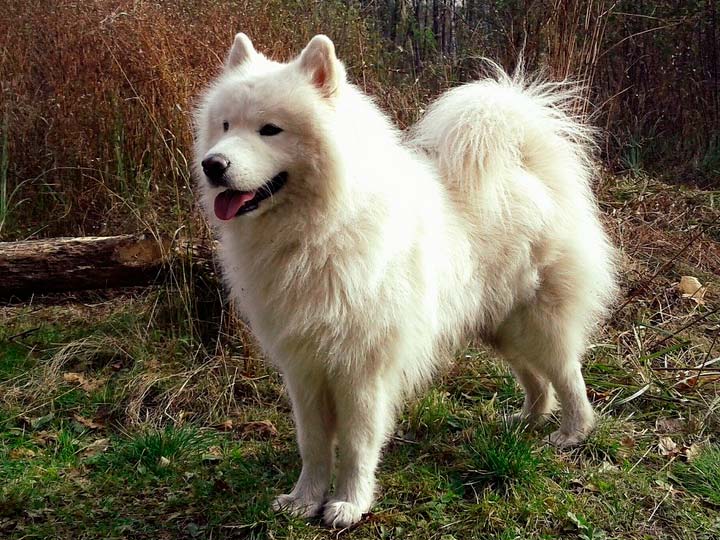
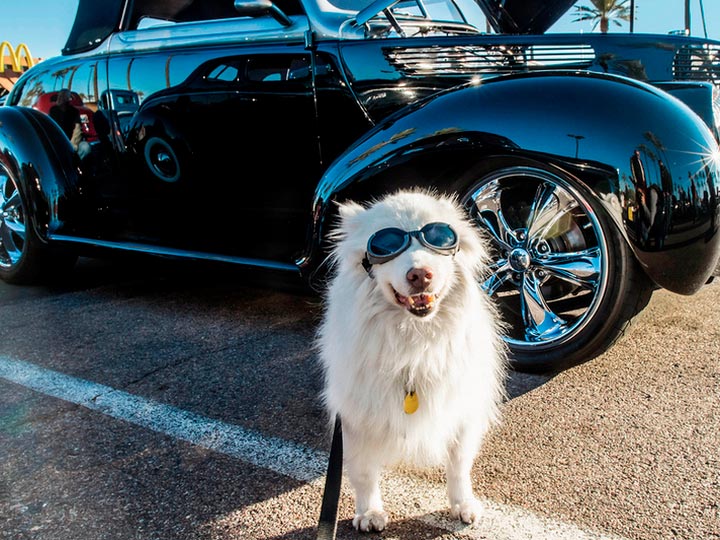
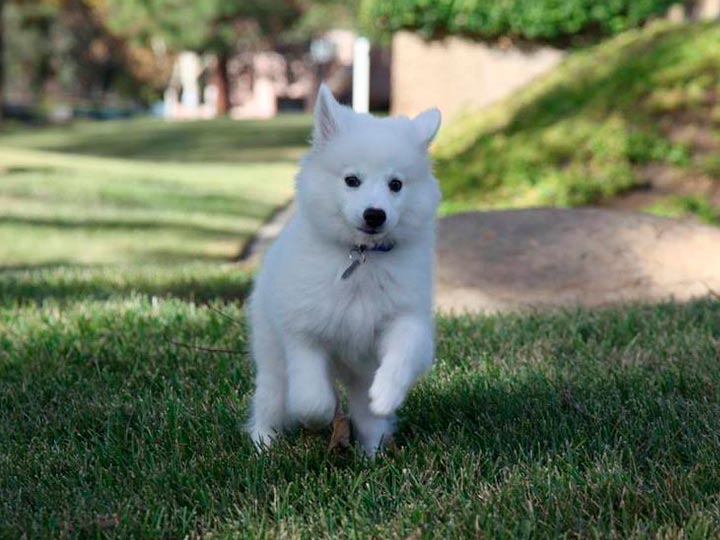
The gallery contains photos of American Eskimo Dog puppies and adult dogs.
Read also:


Add a comment