
Bully (American Bully)
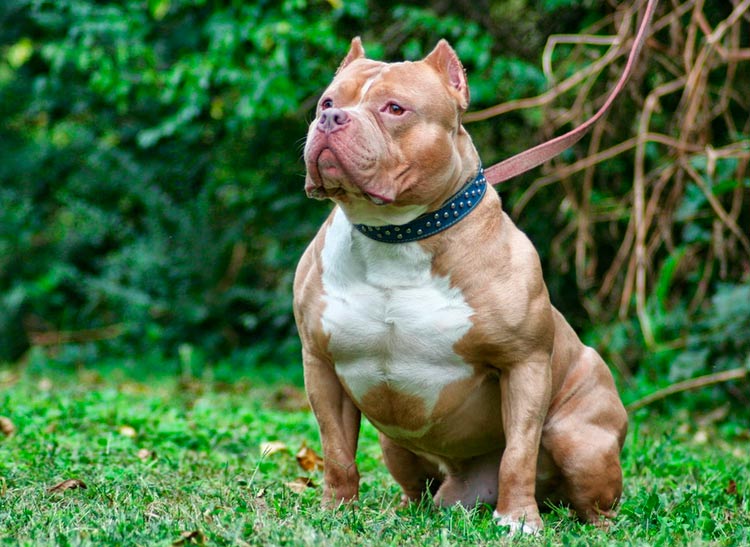
The American Bully is a very young companion dog breed. Their formidable appearance conceals a gentle nature and kind heart, but only as long as their family is not in danger. In times of danger, Bullies are capable of displaying their full strength and power. In Russia and the CIS, the breed is very rare, and high demand for dogs leads to unreasonably high prices.
Content
History of origin
Work on the American Bully began in the late 80s. The basis for the new breed was American Staffordshire Terriers and aAmerican Pit Bull Terriers of the appropriate type. Cynologists admit that selection was also carried out staffordshire bull terriers, English, French and Old English Bulldogs. Breeding records remain confidential.
Breeders strove to create the ideal companion and show dog, one that would resemble the original breeds in appearance but lack aggression toward other animals and could not be used for fighting or hunting. While the appearance was unproblematic, the character required considerable effort, given that the breeding involved anything but toy dogs. The breed was officially recognized in America in 2004.
Bully in translation from English means “hooligan” or “bully”.
The breed is recognized by the American Bully Kennel Club (ABKC), the United Kennel Club (UKC), the European Bully Kennel Club (EBKC), and several others. The International Cynological Organization (ICF) is currently hesitant to register the Bully. Other names for the breed include the American Bully-Pit or Bully-Pit.
Video about the American Bully dog breed
Appearance
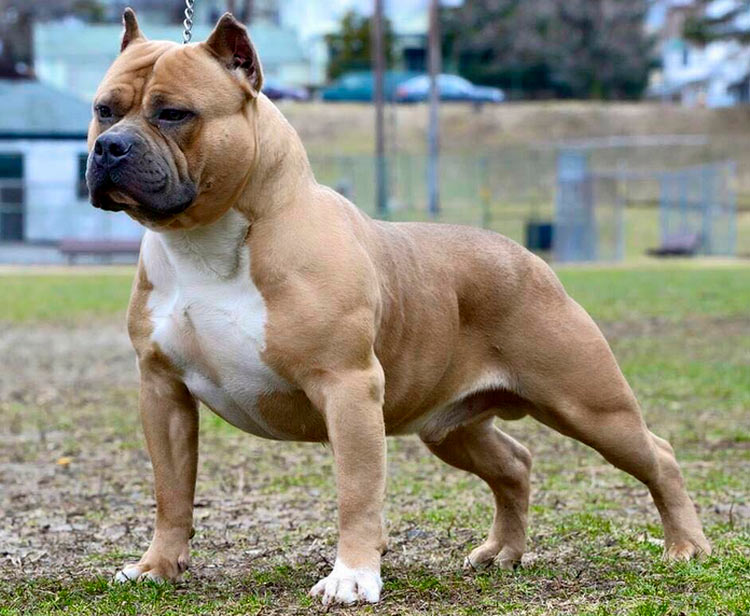
The American Bully is a dog with an impressive, athletic build that displays both strength and agility. It is compact, stocky, and muscular. Medium to large in size, the American Bully should be in good condition with no signs of obesity. Its height and weight should be proportional to its square frame.
The breed standard distinguishes four varieties, each differing in height. There are no strict weight limits for any of the varieties.
- Standard (Standard Bully) – the basic type; dogs must meet all the requirements described in the standard. Height for males is 43-51 cm, females – 40-48 cm.
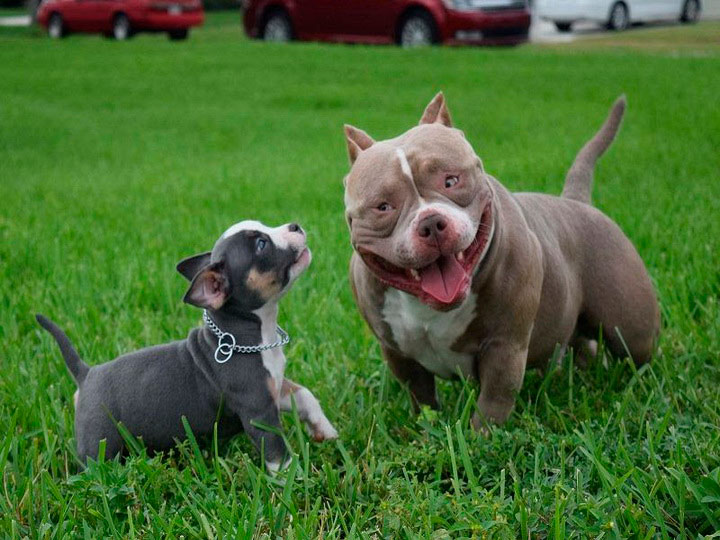
- Pocket bully. The smallest dogs. Males reach up to 43 cm in height, females – up to 40 cm. Otherwise, the dogs meet the description in the standard.
- Classic Bully: Dogs of this type are distinguished by their lighter bones and lower weight compared to the standard. Otherwise, they have all the typical bully traits. They most closely resemble the American Pit Bull or Amstaff. Males stand 43-51 cm tall, while females stand 40-48 cm tall.
- Extreme Bully – This type differs from the standard in its body structure: it has a more massive structure (more bone), more muscle mass, and correspondingly greater weight than standard bullies. The Extreme Bully follows the established standard with a few exceptions: the lips may be loose, and some looseness is acceptable; there may be a slight dewlap on the neck; the hocks are slightly turned outward, and a slight high-set rear is acceptable.
- XL (XL bully) – a type of dog distinguished primarily by height. Males – 51-58 cm, females – 48-56 cm. The standard describes the same adjustments for the XL bully as for the extreme bully: the lips may not be tightly sealed, some looseness is allowed; there may be a slight dewlap on the neck; the hocks are slightly turned outward, and a slight high rear is acceptable.
The head is clearly defined, heavy, large, and broad. The cheek muscles are well defined, and the stop is distinct and deep. The muzzle is of medium length and broad. The length is shorter than the width, but not so much as to interfere with normal breathing. The muzzle is square, and the bridge of the nose is straight. The ears may be natural, but are more often cropped short. The eyes are almond-shaped, set wide apart, and deep-set, with minimal conjunctival visibility. The jaws are very strong, with a scissor bite. The lips are tightly closed, with a slight droop at the corners possible. The nose is wide with well-opened nostrils. The nose may be any color except light pink. Dark eyes are preferred.
The neck is heavy, slightly arched, and widens toward the shoulders. The shoulders are compact, strong, and muscular, set wide apart and well laid back. The upper arm is equal in length to the shoulder blade, joining it at an angle of 35-45°. The forearms and pasterns are straight and strong. The body is massive and of medium length, giving the impression of great strength for its size. The ribs are well sprung. The chest is very broad due to the wide spacing of the forelimbs; it is deep and well filled out. The back is short, straight, or sloping slightly toward the base of the tail. The hind legs are muscular; the angulation and width of the stature should be in balance with the front legs. When viewed from behind, the legs are straight and parallel. The tail is set low, tapering toward the tip, and extending approximately to the hock. When standing, it is carried low and level with the topline when moving.
The coat is short, dense, and harsh to the touch. It should be shiny and free of any bald spots. All colors are acceptable except merle.

Character
The American Bully is a cheerful, sociable, balanced, and confident dog with a friendly attitude toward people. He is very attached to all family members, but sees his owner as the only one. He is good with children. His zest for life, willingness to please his owner, and close bond with his family make the American Bully an excellent companion and family dog. The Bully is an intelligent watchdog and reliable protector, known for his loyalty and tolerance toward strangers, as long as they do not overstep their bounds. Under normal circumstances, he is not aggressive and rarely provokes conflict. If necessary, he will react quickly, zealously and selflessly protecting family members and property.
When well socialized, American Bullies get along well with other animals. Breeders try to eliminate aggression toward other dogs, but this trait remains pronounced in some individuals. Bullies are known to have a high pain threshold, a legacy of their fighting ancestors.
The American Bully isn't the best choice for a first dog. It's not suitable for passive people; the owner must match the dog's personality, be calm, confident, and consistent.
Education and training
The American Bully is highly trainable and intelligent. He is adaptable and eager to please his owner. During training, he responds best to rewards.
Early socialization is crucial for bullies, acclimating them to new people and smells, and teaching them to be friendly with other animals. During training, it's important to establish a trusting relationship with the dog, while remaining its leader and trusted guide. Bullies should be trained with moderate strictness, without the use of force. Training a puppy to obey commands begins at an early age in the home. It's recommended to begin obedience classes at six months. Guard dog duties should be avoided before the age of two, as this can negatively impact the dog's psyche.
The Bully is too serious a dog to be left to its own devices. Despite its friendly nature and lack of malice, in inexperienced hands, it can exhibit traits undesirable for the breed, especially in young males.
Content Features
Bullies are suitable for kennel living only in countries with mild climates and warm winters. A smooth-coated dog does not tolerate cold well. Furthermore, a Bully requires constant human contact. They will happily live in a private home and adapt quickly to an apartment. With adequate exercise, they will be a trouble-free, clean pet, a friend to children, and a reliable guard dog. Seasonal shedding is moderate and, with proper care and regular brushing, is virtually unnoticeable. Dogs with drooping lips are noted to drool slightly.
In cold weather, before going on walks, it is advisable to warm up the bully; blankets and overalls with a fur lining are suitable.
The American Bully requires good exercise and at least an hour of daily walks. Ideally, this should be a safe place where the dog can run and play off-leash.
Care
Grooming an American Bully is very simple. It's sufficient to brush the dog once a week or less often with a special brush or mitt for short-haired dogs. Bathe as needed, but no more than once a month. Ear cleaning and nail trimming are regular. Given their tendency to accumulate plaque, it's recommended to accustom them to teeth brushing from an early age and brushing them at least twice a week throughout their life.
Nutrition
The choice of feeding method is up to the owner. Bullies adapt equally well to commercial or natural foods. Their high protein requirements should be taken into account; their diet should contain approximately 70% meat and by-products. During the period of active growth, the diet should be supplemented with vitamin and mineral supplements. Commercial foods should be above the premium grade. Diets for medium and large active dogs are suitable.
Health and life expectancy
The American Bully is generally strong and healthy, but the breed is known to have a genetic predisposition to certain health conditions:
- Cataract;
- Dysplasia;
- Demodicosis;
- Optic nerve atrophy;
- Cleft lip;
- Congenital heart failure;
- Patellar dislocation;
- Heat intolerance;
- Various types of dental problems.
Given the risk of developing heart problems in bullies, it's recommended to have an annual medical examination, including a consultation with a cardiologist. The dog is required to receive vaccinations according to generally accepted schedules and is regularly treated for internal and external parasites. The typical lifespan is 12-14 years.
Choosing an American Bully Puppy
In America, Bullies are very common, loved, and appreciated. In Europe and Russia, the breed is only just gaining popularity and is still little known among dog breeders. Kennels can already be found in large cities, but the population remains very small. On the one hand, this is good, as it increases the likelihood that dogs of good bloodlines with stable temperaments will be used for breeding.
It can be difficult to distinguish a true bully puppy from an American Pit Bull of similar type. This is exploited by scammers who sell pit bull terrier or Amstaff puppies as new, expensive breeds.
Once you've chosen a kennel or breeder, you should verify the authenticity of the dogs' papers, meet the puppies' parents, and evaluate their temperament and appearance. The puppies should be healthy, active, and friendly, with no signs of aggression or shyness. As early as 2-3 months old, you can determine whether they meet the standard in many ways. Inexperienced dog owners should seek the help of an expert dog trainer.
Price
The average price of an American Bully puppy in Russia is 150,000 rubles. The price is influenced by conformation, pedigree, and the breeder's location. Interest in the breed is considerable, and puppies often have long waiting lists, further increasing their value. In European breeders, a purebred Bully puppy costs around 1,000 euros, but even including shipping costs, it's often cheaper than in their home country.
Photos
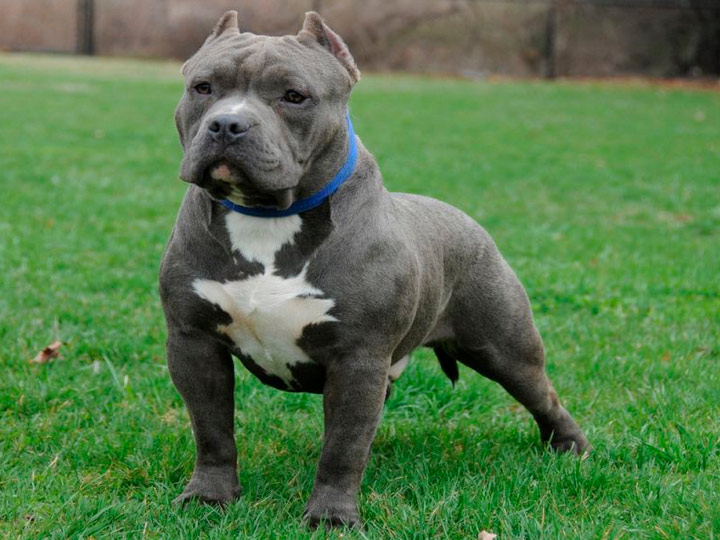
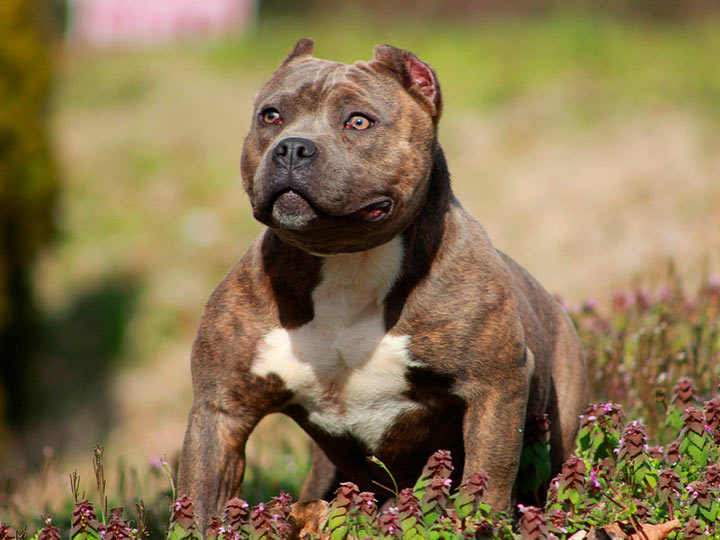
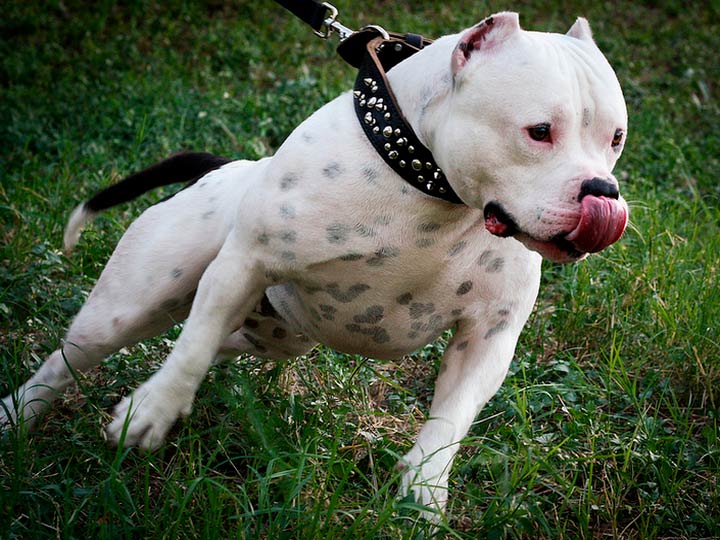
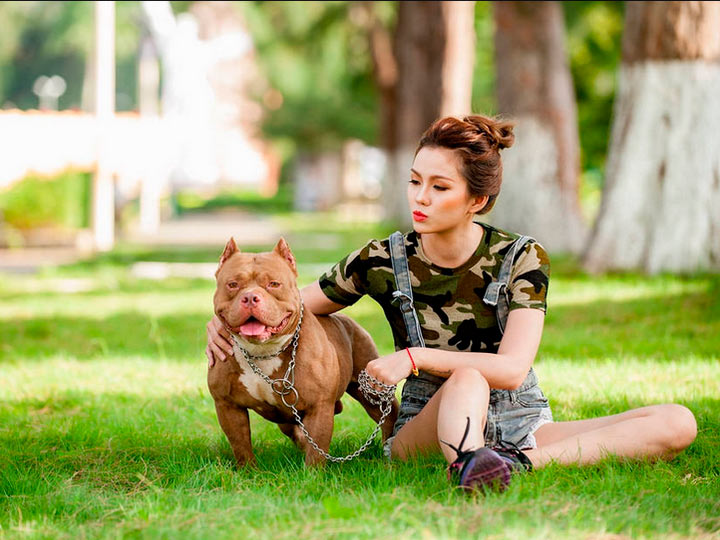
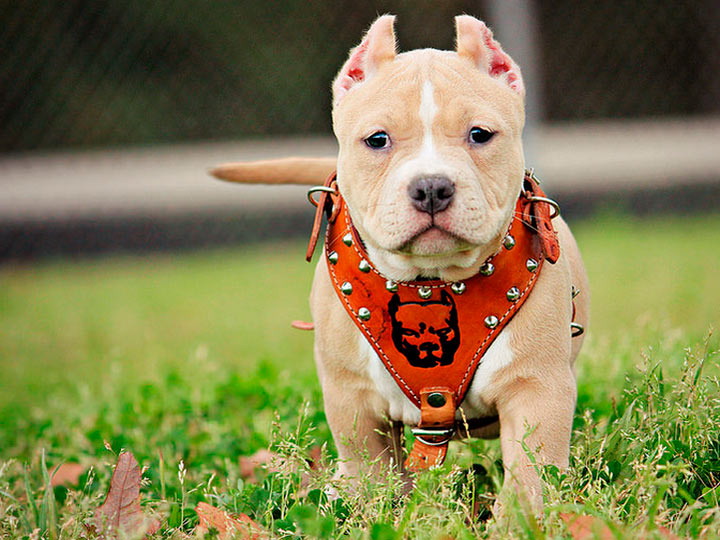
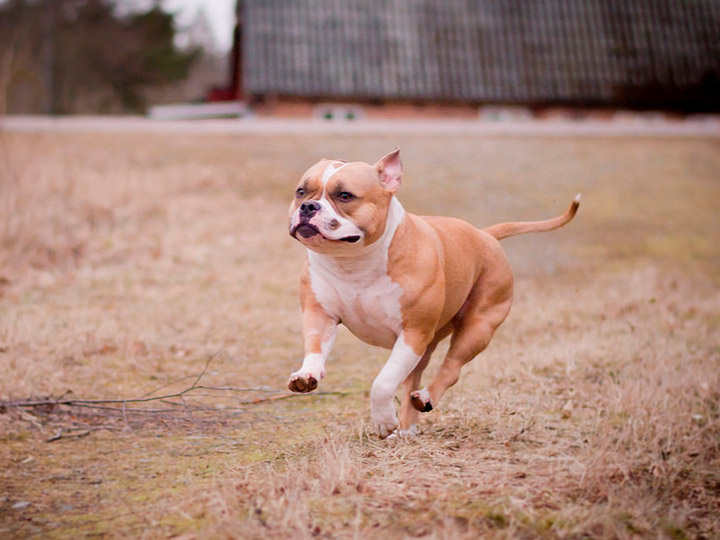
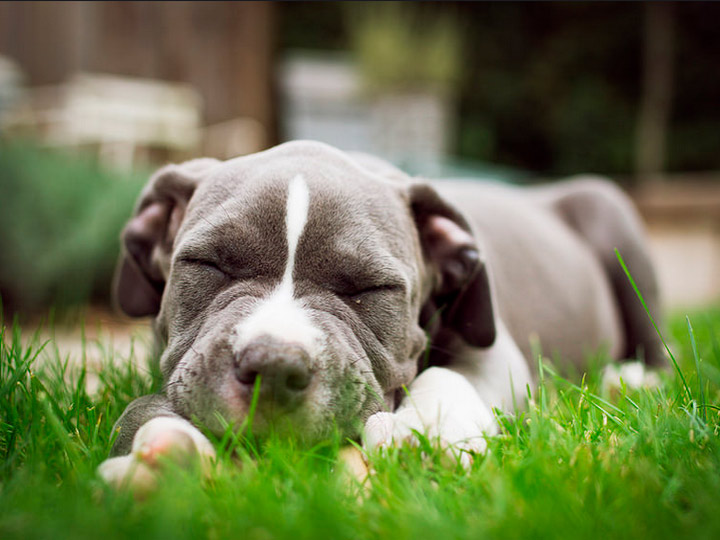
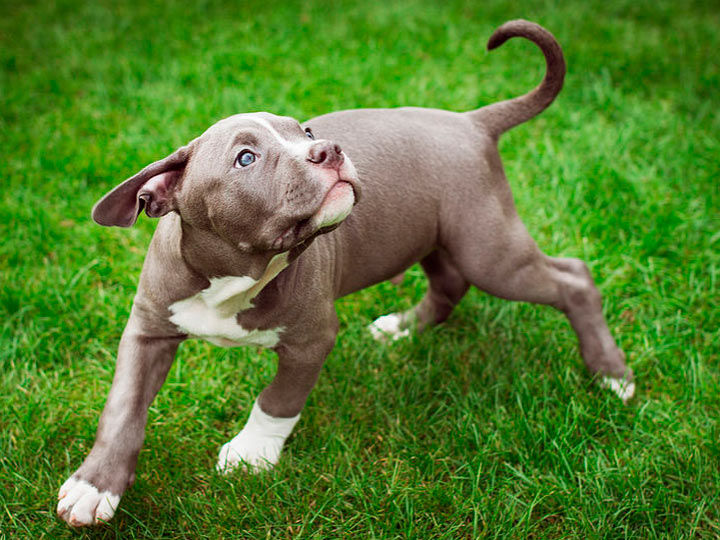
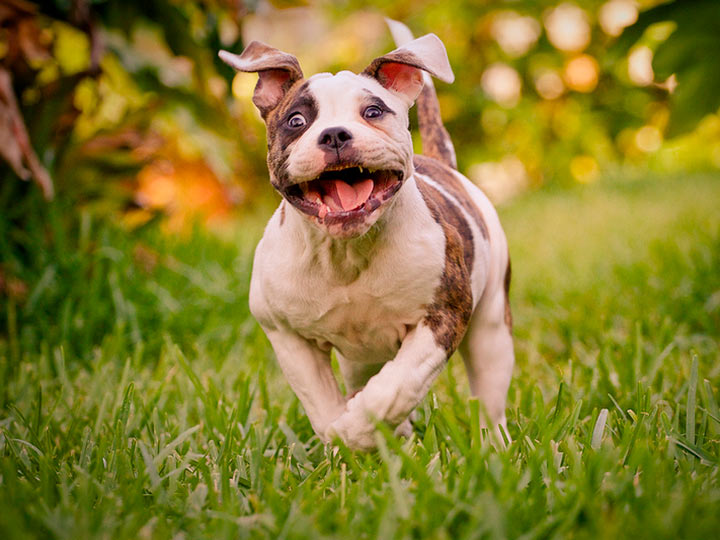
Photos of American Bully puppies and adult dogs are collected in the gallery.
Read also:


Add a comment