
American Bandogge Mastiff
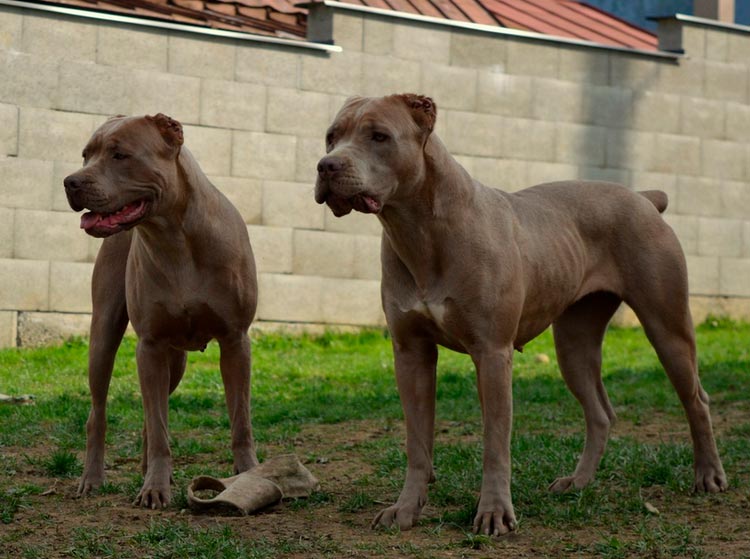
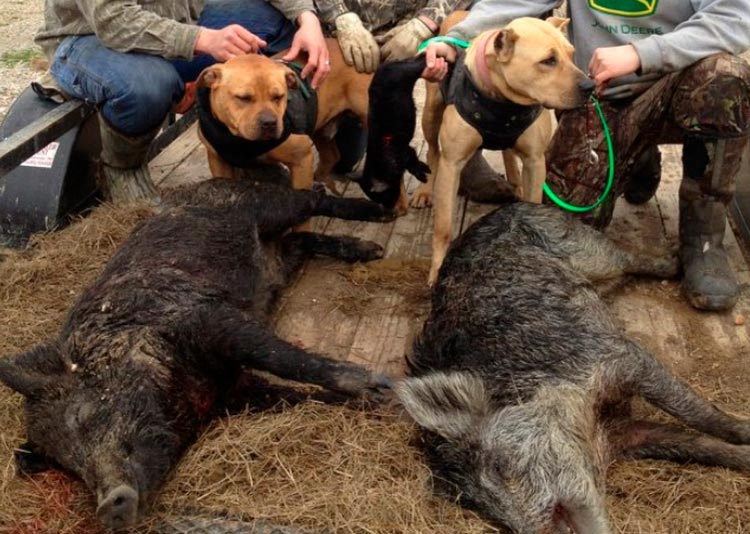
The American Bandogge, also known as the Bandoggy Mastiff or simply Bandogge, is another creation of American breeders. It combines courage, confidence, and calm, with a friendly attitude toward its owner and outstanding guard qualities. It is sometimes used for boar hunting and dog fighting, where, according to eyewitnesses, it almost always loses to pit bulls.
Content
History of origin
American Bandogges can't be considered purebred dogs in the true sense of the word. They're not a breed or even a breed group; they're a specific type of dog, created through various crossbreeding. The classic way to produce a Bandogge is to breed an American Pit Bull Terrier or Staffordshire Terrier male to a Neapolitan Mastiff female. However, this variation has long since fallen into disuse.
In medieval England, the term "bandog" or "bandog" referred to a large Molossian-type dog used for guard duty and territory protection. It was chained during the day and released at night. A 16th-century book on English dogs describes the bandog as a purposeful, extremely active, dangerous, and aggressive dog with a powerful body. Dogs of various sizes and crossbreeds were called bandogs. These guard dogs were found throughout the world, and some of them gave rise to many modern breeds. However, through extensive selective breeding, they lost some traits undesirable in the modern world (aggression, intolerance toward other animals, and independence in decision-making regarding guarding).
Bandogs are a certain type of character, mindset and temperament, not external data.
In the 1960s and 1970s, American breeders set out to recreate the ancient guard dog. John Boyard Swinford and several of his friends and followers succeeded in creating a specific type of large, athletic, companion guard dog in which cosmetic appearance was secondary to functional aspects. In 1960, he selected a male for his work. bull terrier and the bitch English MastiffThe breeder also had other projects in his breeding business, including a crossbreeding APBT And Neapolitan MastiffSwinford died in 1971 without completing his work, and his original creation, known as the Swinford Bandog or American Mastiff, degenerated several years later. This was largely due to the lack of enthusiastic breeders. It was much easier for people to work with recognized and established breeds. Recently, breeders have begun to return to the breed, experimenting and searching for the desired type.
Only a few associations worldwide register Bandoggs. The American Canine Hybrid Club (ACHC) registers and issues papers for first-generation puppies from mixed breedings. The American Sentinel Canin Registry also registers Bandogg Mastiffs from subsequent matings and supports working dog testing for guard and hunting dogs, but takes a strong stance against using animals in fighting.
American Bulldog Breeding Trends
The primary goal of breeding Bandogges is to produce large pit bull terriers with the desired character traits. The main breeding trends for American Bandogges are:
- The main group is combinations American Pit Bull Terrier and (or) Amstaff with dogs from the mastiff group, in which the bandog retains 25-75% of APBT and (or) AST blood;
- Secondary group - percentage of Neapolitan Mastiff and/or = 25%-75%;
- Tertiary group (not used by all breeders) - percentage of American Bulldog, Dogue de Bordeaux, Fila Brasileiro, Bull Terrier, Boerboel, Bullmastiff, Cane Corso, Compeiro Bulldog, Dogo Canario and/or Tosa Inu = from 0% to 75%.
Video about the American Bandogge breed:
Appearance
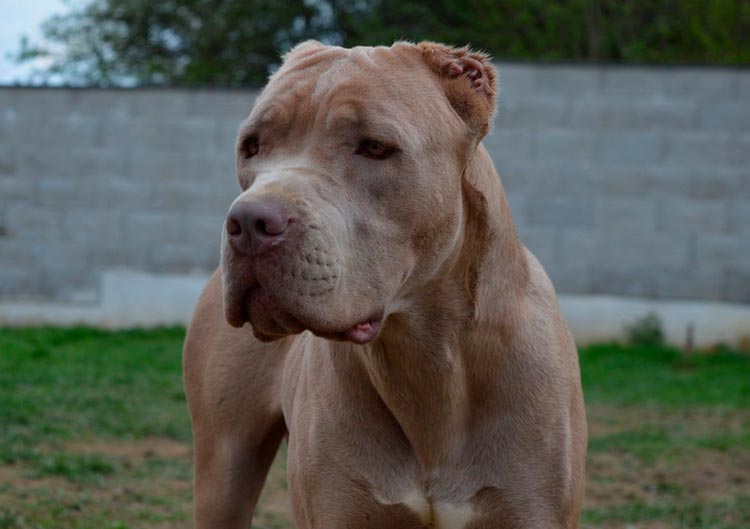
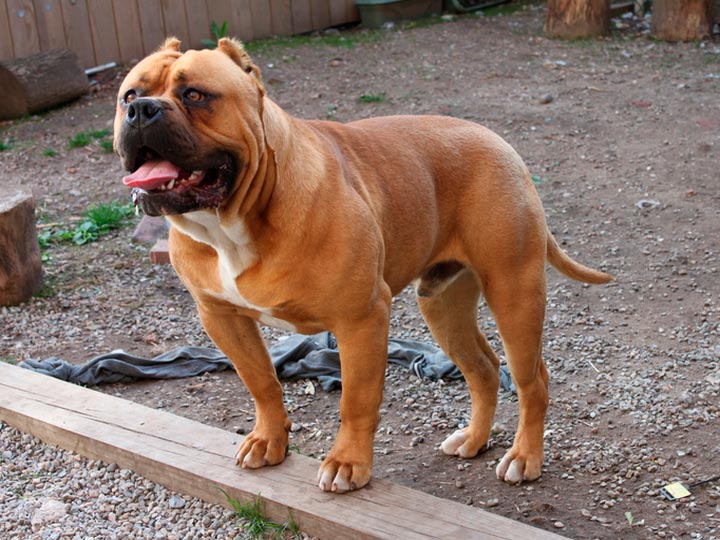
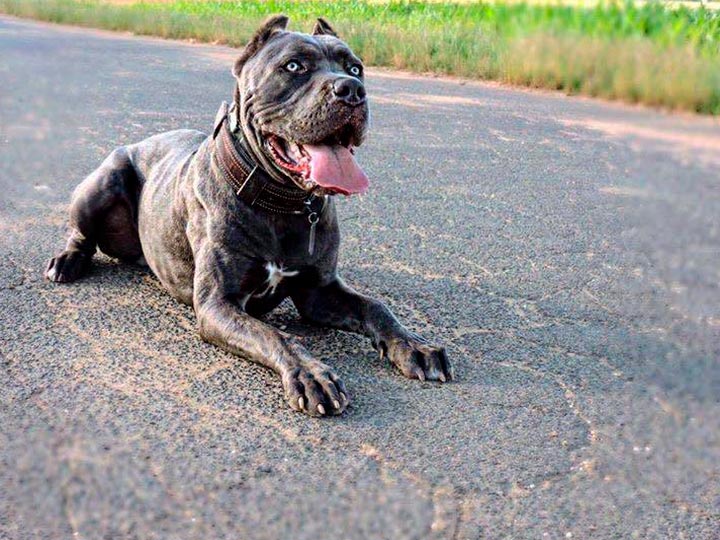
The American Bandogge inherits the appearance of its parent breeds, and since these can vary, Bandogges from different breeders look different. Breeders typically determine their desired type and maintain it through the selection of stud dogs.
It is customary for Bandogs to have their ears and/or tails cropped short.
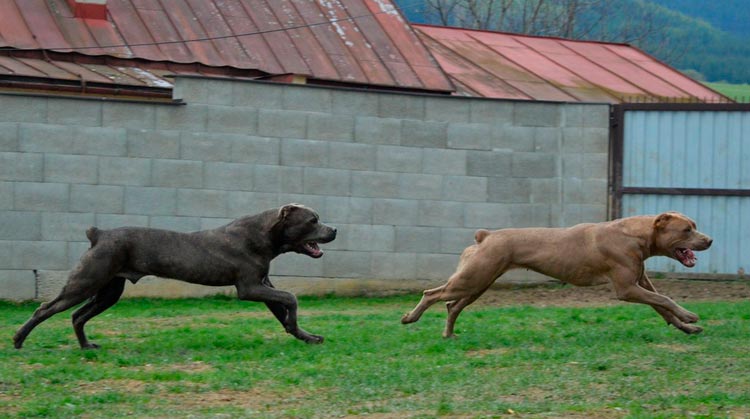
Bandogs are typically large, powerful dogs that, despite their size, possess exceptional agility, dexterity, and tremendous physical strength, with well-defined muscles and a short coat of varying colors. White is considered undesirable. The average height at the withers of a Bandog is 60-65 cm, and its weight typically ranges from 40-65 kg.
Character and behavior
Ideally, Bandogs should be intelligent, undemanding, obedient, and well-balanced dogs, friendly with family members and invited guests, without the desire to assert dominance, and not prone to excessive barking. Bandogs are typically devoted to their owners and exhibit a phenomenal combination of loyalty and strength. They exhibit a strong desire to please their owners, are tolerant of smaller dogs, and are caring towards small children. Under normal circumstances, they are not prone to aggression, but will not shy away from conflict. They have a very high pain threshold. From the mastiff, these dogs inherited a certain calmness and territoriality.
A Bandog can incorporate both the best and worst qualities of its parents. It all depends on the breeder's experience, canine expertise, and instincts.
If their territory or owner is invaded, Bandogis take immediate action. They are aware of their own power and are prone to rapid attacks. This instinctive behavior has allowed them to get into list of the best guard dogs The world, but also the most dangerous. It's crucial that the dog has a close bond with its owner and other family members. Otherwise, it can be unpredictable and dangerous. The American Bandogge is very determined and, when attacking, can easily spiral out of control, making it impossible to redirect its attention. Bandogges generally get along well with other animals, including cats and dogs if raised with them. They can be aggressive if not properly socialized.
Education and training
Bandogs are not dogs for beginners. They are serious, spirited dogs that require a firm hand and the training and obedience skills typical of similar breeds. Bandogs learn commands easily and, with the right motivation, perform well in obedience and Schutshund competitions.
Bandogs were bred to be the ideal guard dogs. With proper training, they pose a threat to any intruder and will engage in active defensive actions without human command.
Bandogs have a complex character, a tendency to make independent decisions, and a decisive nature when attacking. They are not suitable for every owner, and certainly not the best choice for inexperienced dog handlers. In the United States, some breeders use Bandogs for hunting large game, usually wild boar. The dogs work in small groups, finding, chasing, and holding the game until the hunter arrives, and can also follow a blood trail.
Content Features
The American Bandogge requires close contact with its family. Therefore, it is preferable for the dog to live indoors, even if it spends most of its time outdoors in a well-fenced yard. It is worth noting that in temperate climates, where winters can be quite cold, keeping a short-haired Bandogge outdoors is unacceptable. Bandogges adapt well to apartment living if they receive vigorous exercise twice a day for at least 45 minutes.
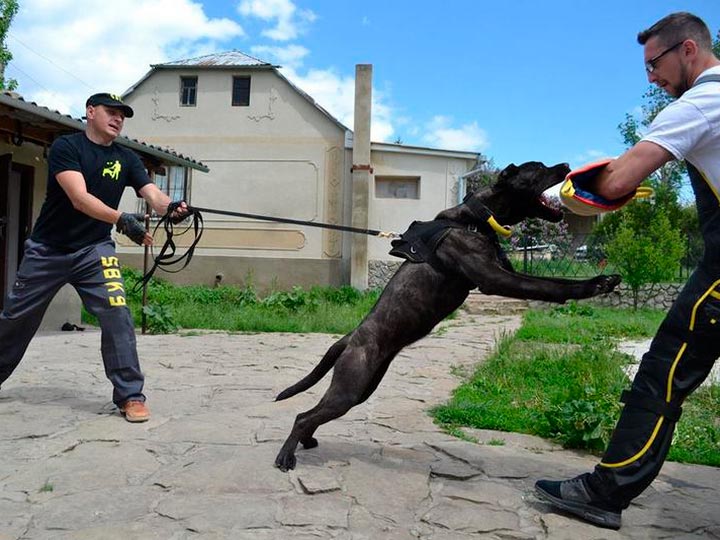
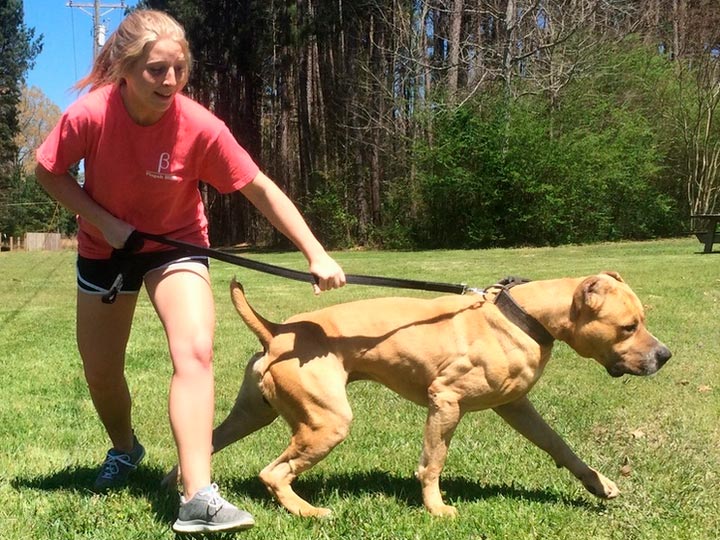
The photo shows how strong and athletic the Bandog is. Naturally, to maintain this build, it requires a lot of physical activity, but it also requires mental stimulation, regular training, and intellectual play.
Care
Grooming a Bandog is straightforward. This short-haired dog sheds moderately. Regular brushing of the mature coat is sufficient to maintain its neat appearance and reduce the amount of hair in the home. Use a special brush or mitten for short-haired breeds. It's crucial to accustom your Bandog to basic hygiene routines from an early age: brushing its teeth, eyes, ears, and nail trimming. Regular bathing will reduce shedding and eliminate the distinctive odor that inevitably accompanies dirty coats.
Nutrition
It's important to provide them with a balanced diet, which can be natural or prepared. The owner chooses the appropriate option. During periods of intense physical activity, their diet should include sufficient protein. This will help them gain good muscle mass and maintain visible muscle definition. It's important to keep in mind that too much protein, especially during periods of low physical activity, puts significant strain on the kidneys. Bandogs eat a lot, appropriate to their size, and are prone to gaining excess weight.
Health and life expectancy
The American Bandoggi Mastiff can inherit any of the diseases of its parent breeds. These typically include the following diseases and conditions:
- Dysplasia hip and elbow joint;
- Eye disease (progressive retinal atrophy, cataract, glaucoma);
- Autoimmune thyroiditis;
- Gastric torsion;
- Different types of cancer, including skin tumors;
- Epilepsy;
The Bandog requires standard veterinary and preventative care. It is very hardy and quickly adapts to a variety of living conditions, except for severe frosts. Its lifespan is typically 10-12 years.
Choosing an American Bandogge Puppy
Bandogs are primarily bred in the United States. A few breeders exist in Brazil, Greece, Slovakia, Ukraine, and several other countries. Those looking to acquire a Bandog puppy should carefully consider their breeder. While other breeds have a uniform appearance and a specific set of personality traits, with Bandogs, if the wrong breeders are chosen, there's a risk of producing a litter with undesirable temperament and health.
Bandog breeders pursue different goals and use different breeds in their crosses. Some emphasize fighting qualities, others see them as a family guard dog, and still others see them as a guard dog suitable for hunting. It's important to choose a breeder who isn't simply dreaming of dogs with certain characteristics, but who already has a good stock, possesses the necessary knowledge and experience, understands their work, and is open about their dogs' achievements.
Most Bandogge breeders, except for those who operate for profit, follow one philosophy: the existence of international canine associations and standards, as well as breeders' desire to fit their dogs to specific parameters, destroys the working qualities that should be valued above all else. American Bandogges are bred for work and must perform to perfection, regardless of their appearance.
Price
In America, the average price of a Bandog puppy is $750. Some promising puppies from reputable breeders can cost over $1,000.
Photos
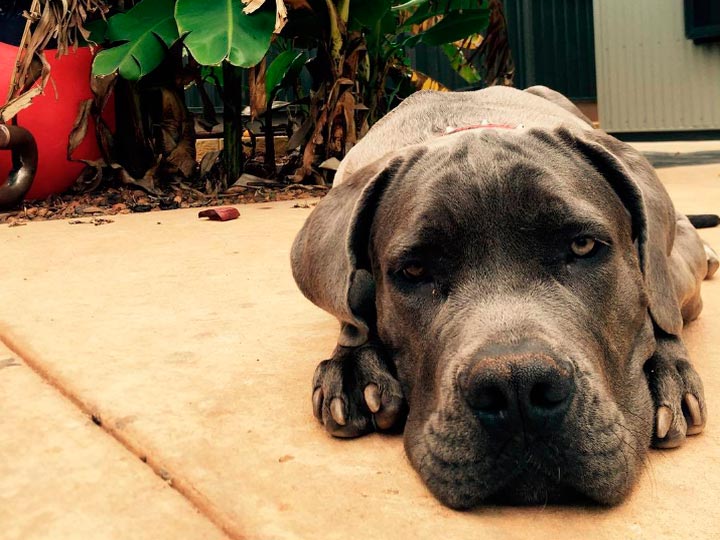
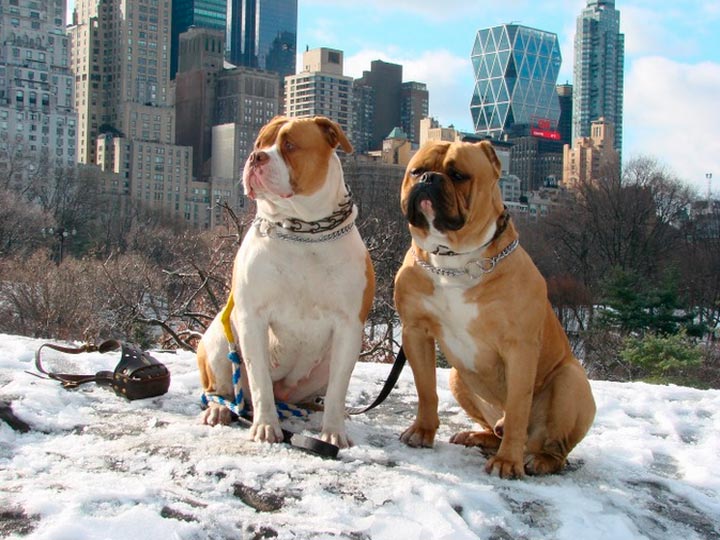
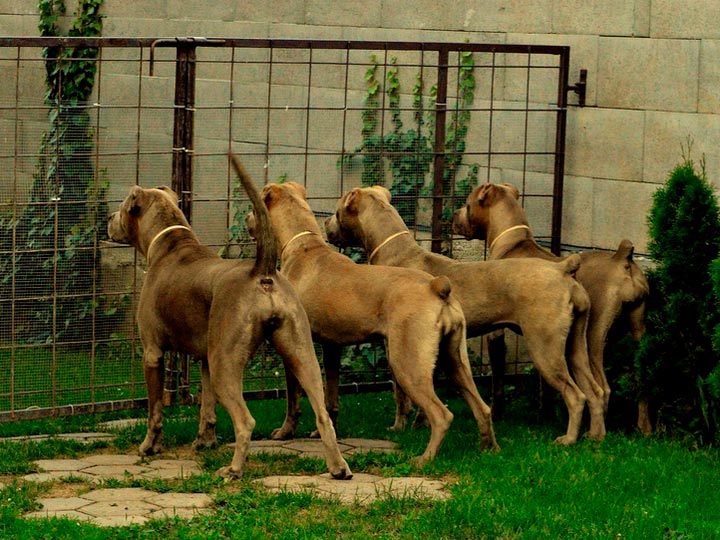
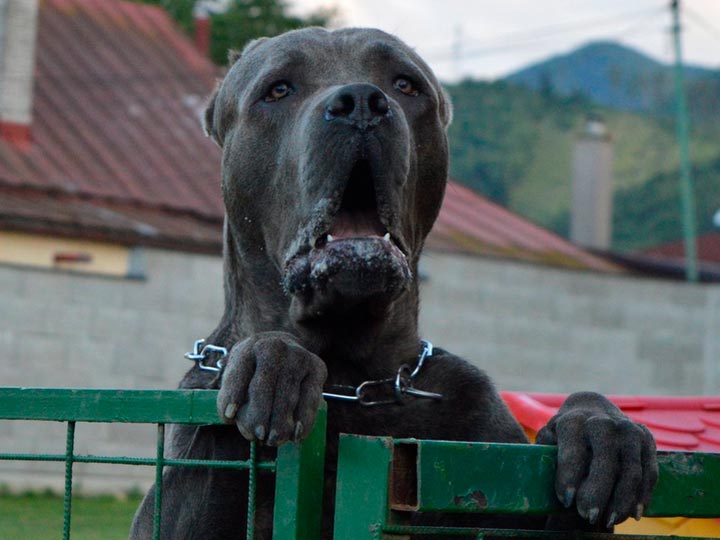
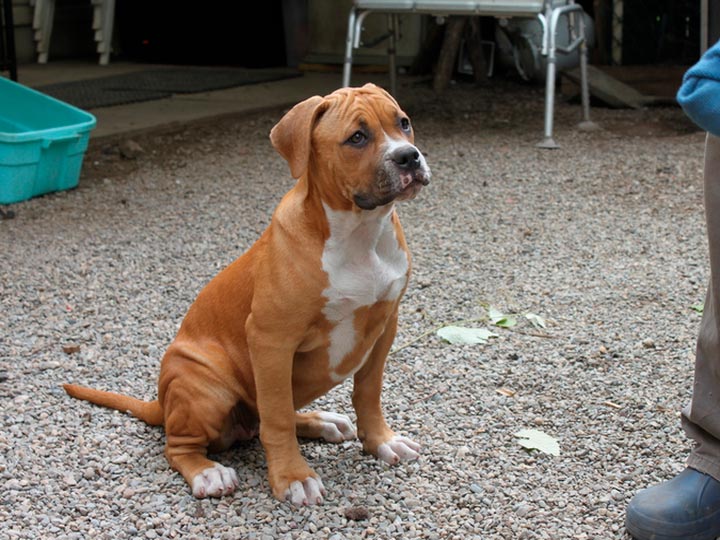
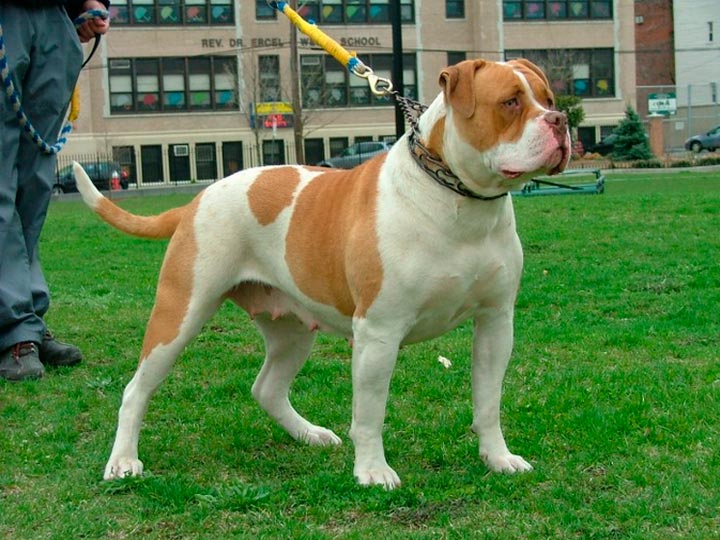
The photos clearly demonstrate the diversity of Bandogges. The gallery contains photos of American Bandogge Mastiff puppies and adults from various breeders.


1 comment
Nikolay
Thank you for such an interesting and comprehensive review.
As a breeder of this *mix*, it was very interesting for me to read your article.
Add a comment