
American Akita (Large Japanese Dog)
The American Akita is a unique combination of courage, aggression, friendliness, and boundless loyalty. This is a large and serious dog. Despite all its virtues, the Akita is challenging to train and raise, but those who can master it will find a more devoted friend and guard dog.
Content
History of origin
American Akitas are a relatively new breed, but to understand them better, we need to delve a little deeper and touch on some of the history of their closest relatives from the Land of the Rising Sun – Akita Inu.
The Japanese Akita is a breed with a centuries-old history. It is believed to have descended from dogs native to the northern region of the country. Initially, Akitas were used for hunting and guarding, and were known as Matagi Akitas. At the turn of the 20th century, dog fighting became very popular. In an attempt to make the dogs larger and stronger, they were crossed with imported breeds, such as mastiffs and shepherds. This led to a decline in the classic breeds. In 1914, at a show in Tokyo, people noticed the damage done to the breed. Soon, dogs of the traditional breed were declared natural monuments, and any crossbreeding was prohibited. Breeders have strived to restore the original characteristics of the nearly lost Matagi Akita.
The next blow came during World War II. The government ordered all breeders to surrender their dogs for military use. Many Akitas, primarily large breeds, were taken by American soldiers. In the postwar years, no more than 20 traditional Akita Inus remained in Japan. They became the basis for the breed's revival. Meanwhile, in the United States, the breed quickly found its fans and began to develop rapidly under the name "Great Japanese Dog."
Further development of the Akita in Japan and America proceeded in parallel. Japanese breeders were unable to agree with their American counterparts on a common pedigree and refused to allow the export of dogs, which were considered natural monuments. Naturally, the American Akita began to differ in appearance and character.
The breed club was established in 1956, and by 1972, the American Kennel Club officially recognized the breed. Until 1992, the American and Japanese clubs did not recognize each other, and only the Japanese Akita Inu was registered with the FCI. This led to problems judging dogs at international shows. It was only in 2000 that the FCI separated the breeds and officially approved the standard for the American Akita.
Video review of the American Akita dog breed:
Appearance and standards
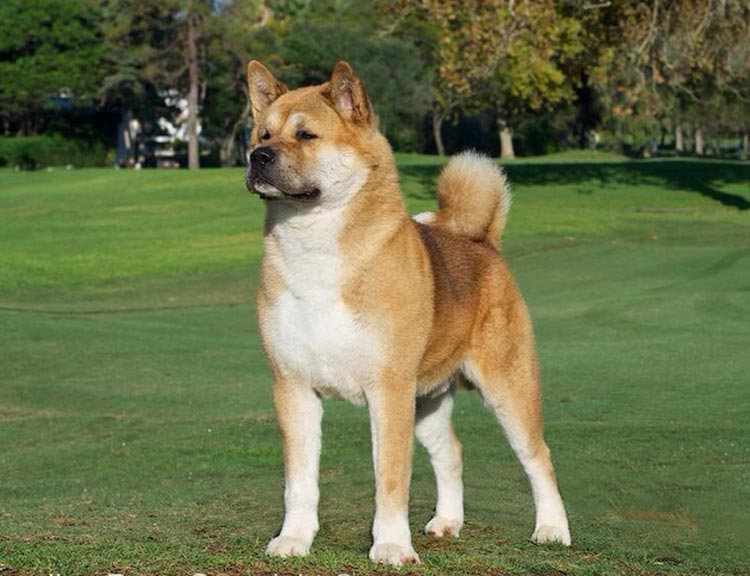
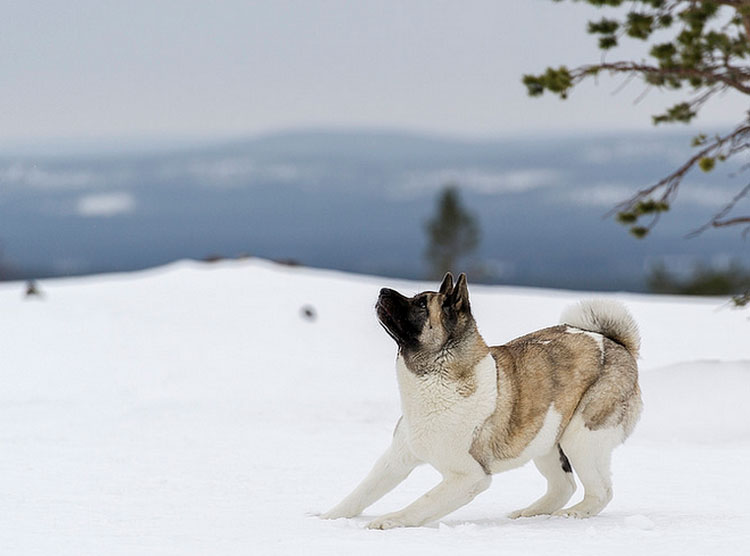
The American Akita is a large dog with a strong, powerful build, heavy bone structure, and excellent balance. Sexual dimorphism is pronounced. Males stand 66-71 cm tall, while females stand 61-66 cm tall.
The standard, describing the Akita breed, highlights important proportions:
- The ratio of the height and length of the body in a male is 9:10, in a female – 9:11;
- The depth of the chest is equal to half the height at the withers;
- The distance from the stop to the tip of the nose is related to the distance from the back of the head to the stop as 2:3.
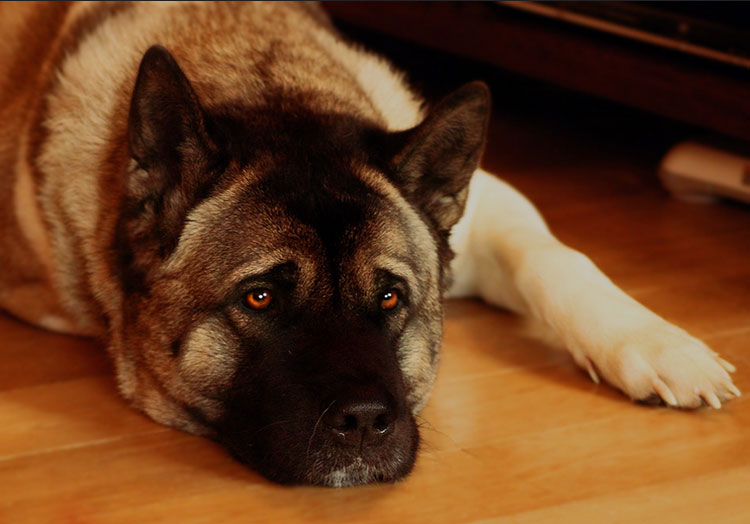
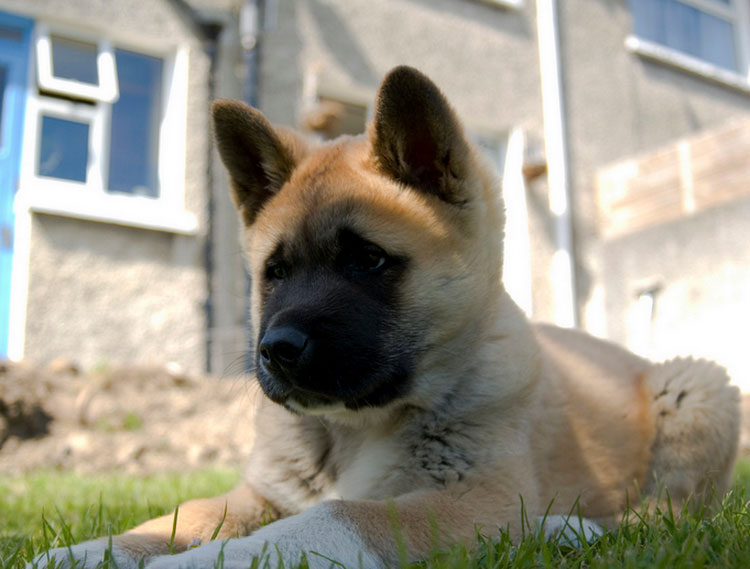
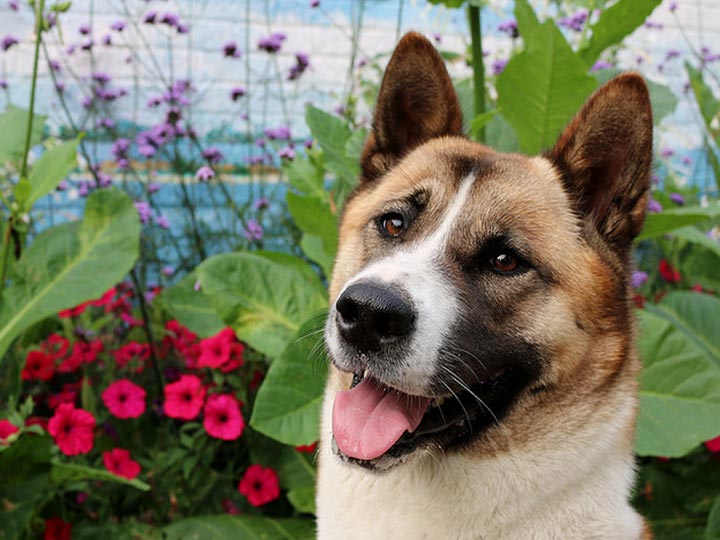
The Akita's head is massive, shaped like a blunt triangle when viewed from above. The stop is not too sharp but well defined. There is a shallow furrow between the eyes that extends onto the forehead. The muzzle is broad and well-filled. The nose is large and black. The lips are not pendulous. The jaws are blunt and strong. The teeth are complete. A level bite is acceptable, but a scissor bite is preferred. The eyes are relatively small, dark brown, and triangular in shape. The ears are erect, small, and triangular in shape with rounded tips. When viewed from the side, the ears are visible tilted forward and follow the line of the neck.
The neck is muscular and thick, with minimal dewlap, broadening well toward the shoulders. The skin is neither too tight nor too loose. The back is straight. The belly is moderately tucked up. The chest is deep and broad, with well-sprung ribs. The tail is large and set high. Carried differently in each dog, it is often curled over the back. The limbs are strong and well-boned. The feet are well-knit, pointing straight ahead, with prominent knuckles and thick pads.
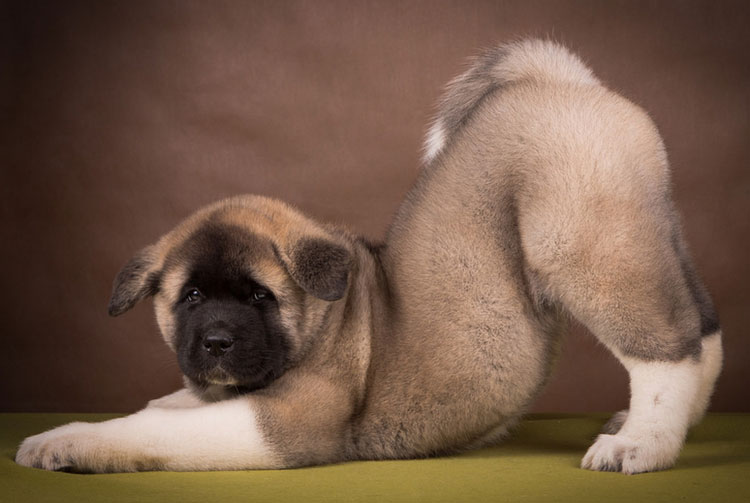
The coat is dense and very thick, consisting of a soft undercoat and a longer, harsh outer coat, which is slightly raised by the undercoat. The coat can be any color. A blaze or mask may be present. The undercoat color sometimes differs from the main coat color.
Character and psychological portrait
Akitas are even-tempered, courageous, and alert dogs, calm and dignified. They are highly intelligent, but possess the stubbornness and independence typical of Eastern breeds. Akitas are devoted to their owners and families. At home, they are affectionate, friendly, and sociable, never annoying. They get along well with children if raised in their company. They are always wary and suspicious of strangers. The American Akita's sole purpose is to protect its owner and property. A properly trained Akita should welcome any visitors when family members are home. When left alone on the property, the dog becomes a reliable guard dog.
As Akitas mature, they become serious and self-sufficient. Hierarchy issues often arise within the family. The dog will often try to assume a dominant position, so active training is essential from an early age.
Akitas have an excellent memory and trust their owners completely. It's crucial to maintain this trust and remain the dog's leader. Avoid deceiving an Akita by luring it into its kennel with treats, for example, or by giving commands like "Walk" or "Eat" unless the appropriate action is followed.
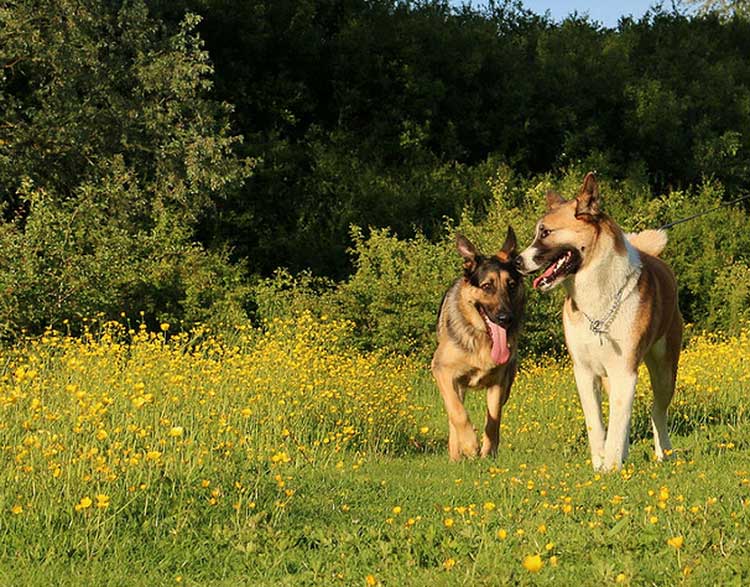
One of the most common behavioral issues is aggression toward other dogs. While they are often loyal to cats, they are not friendly toward strangers, and they will not be found on Akita territory. Adult dogs, especially males, rarely accept another dog into the pack. On walks, they often display their negative personality, provoking arguments and fights, so it's best not to let Akitas off-leash in dog parks.
The American Akita is a serious dog and should not be adopted by a child. Training and education should be handled by a firm, experienced adult. Akitas are also not suitable for weak-willed or elderly individuals.
Training and exercise
Training an Akita is hard work, but not because these dogs are stupid, but rather because of their extraordinary intelligence. An Akita will first consider whether to obey a command. Furthermore, the dog will obey only those it considers a leader.
Most Akitas are very active and learn quickly, but they quickly become bored with the same commands. Motivating the dog is crucial. Praise and treats are fine at first, but later on, you'll need to get creative. If the puppy becomes stubborn and unwilling to obey, show it "who's boss" by pinning it to the floor with its back down and holding it there until it stops resisting. You can also grab the puppy by the scruff and pin it to the floor. The Akita needs to understand that its owner is strong and in charge. In the future, the dog will repeatedly test the status quo and attempt to assert leadership.
For American Akitas, obedience training is not the best option. The owner should attend classes with the dog and train it themselves. Lessons should be short, without prolonged repetition of a single command.
Most Akitas are very active and learn quickly, but they quickly become bored with the same commands. Motivating the dog is crucial. Praise and treats are fine at first, but later on, you'll need to get creative. If the puppy becomes stubborn and unwilling to obey, show it "who's boss" by pinning it to the floor with its back down and holding it there until it stops resisting. You can also grab the puppy by the scruff and pin it to the floor. The Akita needs to understand that its owner is strong and in charge. In the future, the dog will repeatedly test the status quo and attempt to assert leadership.
Maintenance and care
The Akita is well-suited to kennel life and is relatively easy-going and hardy. Thanks to its thick undercoat, it tolerates even severe cold well, but not hot weather. A yard where an American Akita roams freely should be well-fenced. This is necessary for two reasons. First, it will protect passersby, who the dog might perceive as a threat to property. Second, Akitas are prone to escape.
Akitas can be kept in an apartment, but they need to be provided with adequate exercise. Their plush coat sheds quite heavily, even with regular brushing. When young, usually under two years old, Akitas are much more energetic and often cause irreparable damage to property, chewing shoes, baseboards, and sometimes hiding wallpaper. Akitas often lack a fear of heights. If they deem it necessary, they can jump from a balcony without considering the consequences.
A puppy should be accustomed to all cosmetic and hygienic procedures as early as possible; it will be very difficult to do anything to an adult dog if it does not want it.
Grooming is simple. Brushing the coat once a week is sufficient. During the shedding season, daily brushing is recommended. Akitas are typically bathed every 3-4 months. Ear wax should be removed as needed. It's especially helpful to acclimate your dog to having his teeth brushed from an early age, and then have this routine done regularly.
Diet
At first, it's best to feed the puppy the same food the breeder fed it. If it's natural food, the ingredients and preparation method are important. If it's prepared food, what brand is important? Subsequently, the owner chooses which option is most suitable. Every dog is an individual, and what works for one may be completely unsuitable for another. You may need to experiment to find the optimal diet. When choosing a natural diet, remember that a dog's food isn't just leftovers from the owner's table; it's meat, cereals with vegetables, dairy products, fish, eggs, and fruit.
American Akita owners should be aware that the breed is prone to gastric torsion. This means the dog should not be fed immediately after or before a walk. Food should be at a normal temperature and should not contain ingredients that increase fermentation in the digestive tract.
The quantity and quality of food depends on the activity level of each individual dog. During colder months and periods of physical activity, it's important to increase the amount of protein in the diet. Puppies up to one year of age are fed 3-4 times a day, while adult dogs are fed twice a day. Clean drinking water should always be freely available.
Health and life expectancy
The American Akita boasts robust health and a strong immune system. Puppies are less susceptible to infectious diseases than other purebred dogs. However, there are some diseases to which Akitas are genetically predisposed:
- Hip dysplasia (dogs are predisposed to this disease, but it develops more often due to improper nutrition and physical activity during the growth period);
- Inversion of the eyelids;
- Epilepsy;
- Bloating;
- Progressive retinal atrophy;
- Some dogs experience infertility due to hormonal imbalances.
Average life expectancy is 11-12 years.
Choosing a Puppy and the Price of an American Akita
Only those who want a good American Akita with the right personality and a standard appearance should approach the selection of a puppy responsibly. Buying a dog online emotionally, based on a photo, can be disappointing. First and foremost, you should choose not just a puppy from a litter, but the kennel and the parents, assessing their appearance and character.
Akita Inu puppies are ready to be adopted at 2-2.5 months of age. By this time, they must be branded and registered to receive a puppy card (a puppy card that is later exchanged for a pedigree). Puppies must also be vaccinated. A veterinary passport with stickers and a clinic seal is provided as proof of this.
It's important to decide on the dog's gender in advance. Females are calmer, bond more quickly with their owners, have less pronounced leadership qualities, and are smaller. Males are dignified and arrogant. They often try to dominate and are prone to year-round lovemaking. Raising and training a male is much more difficult.
It's very difficult for an inexperienced person to determine the character of a future puppy, but you can trust a breeder, who, based on their own observations, will recommend a dog with the desired temperament. Furthermore, the puppy should be outwardly healthy, strong, and well-groomed. They also pay attention to compliance with the standard.
The average price of an American Akita puppy is 35,000 rubles. Puppies without a pedigree typically sell for 10,000-20,000 rubles. Dogs from elite American and European breeders naturally don't come cheap; breeders ask 50,000 rubles and up for them.
Photos
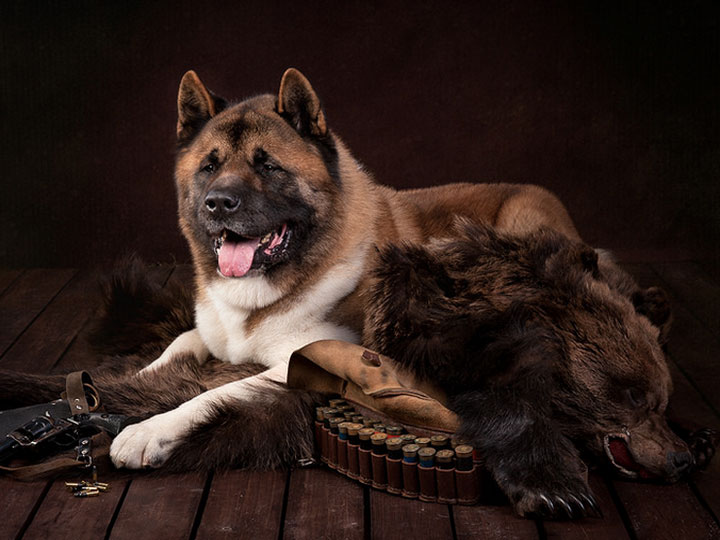
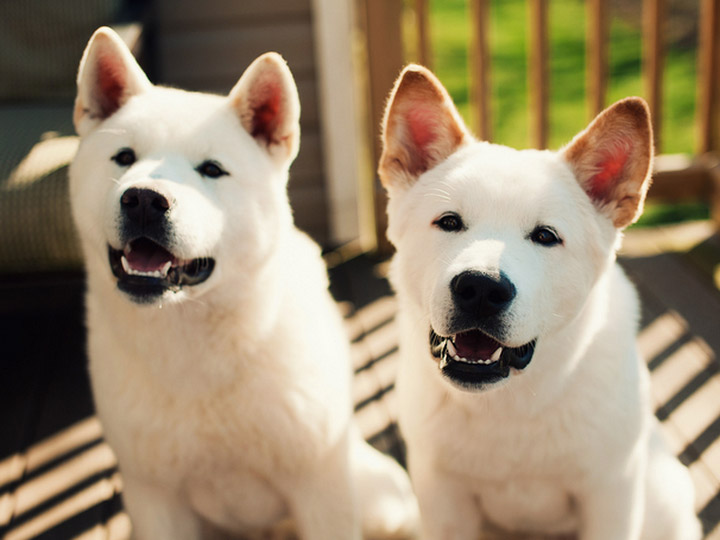
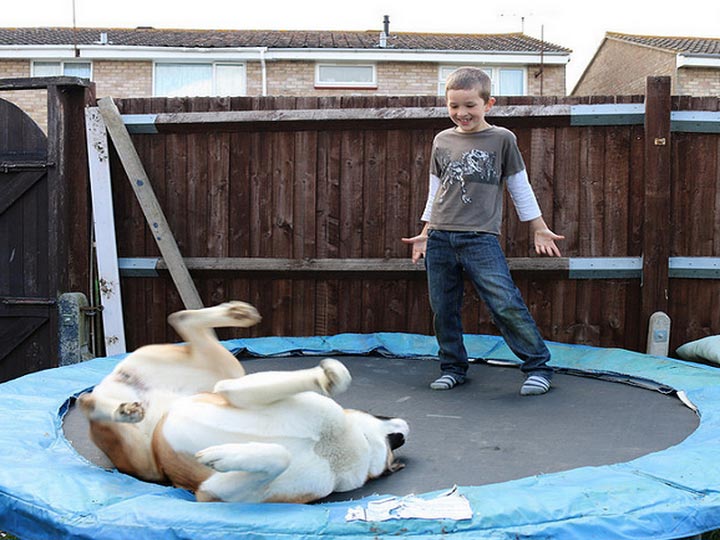
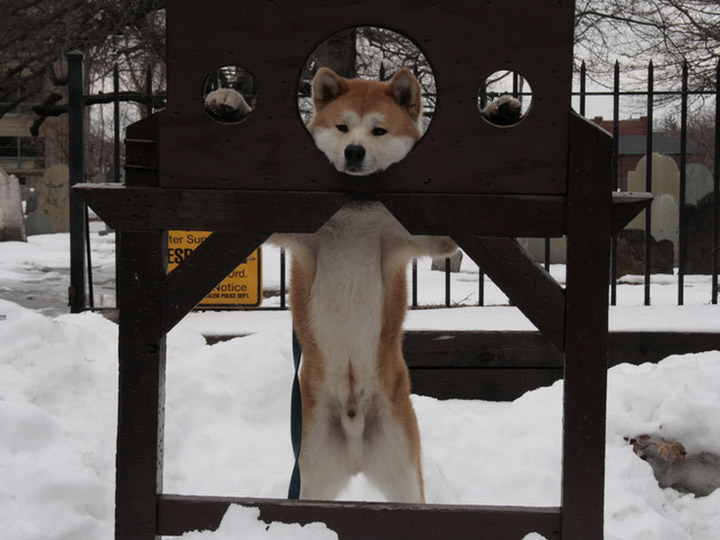
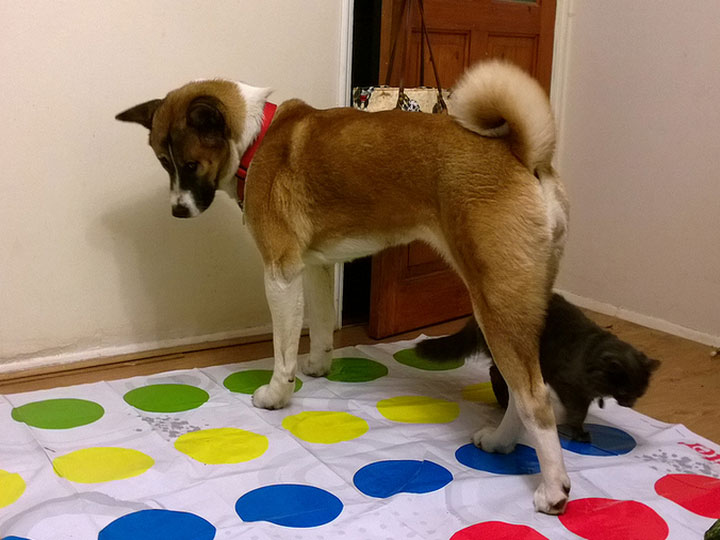
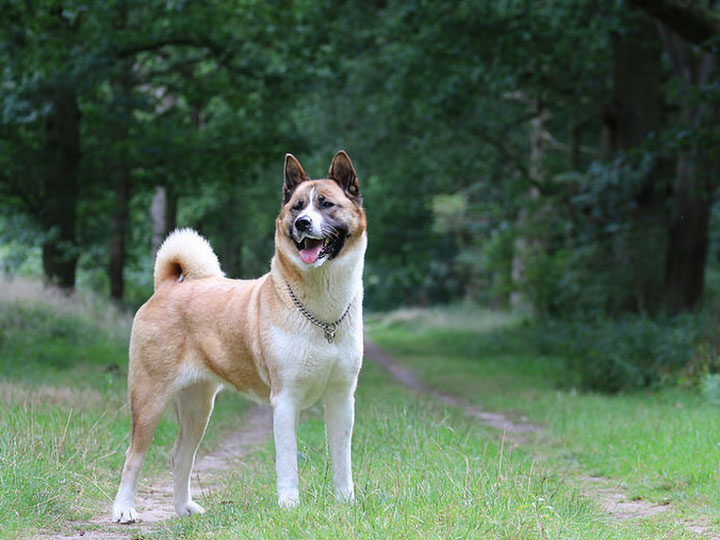
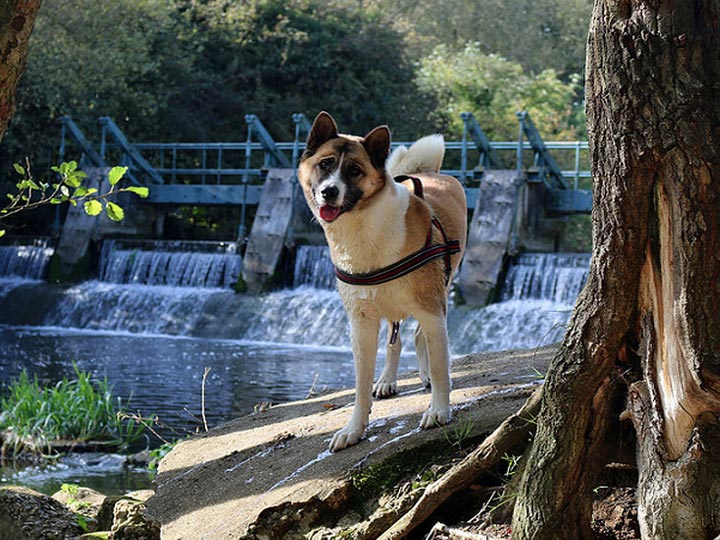
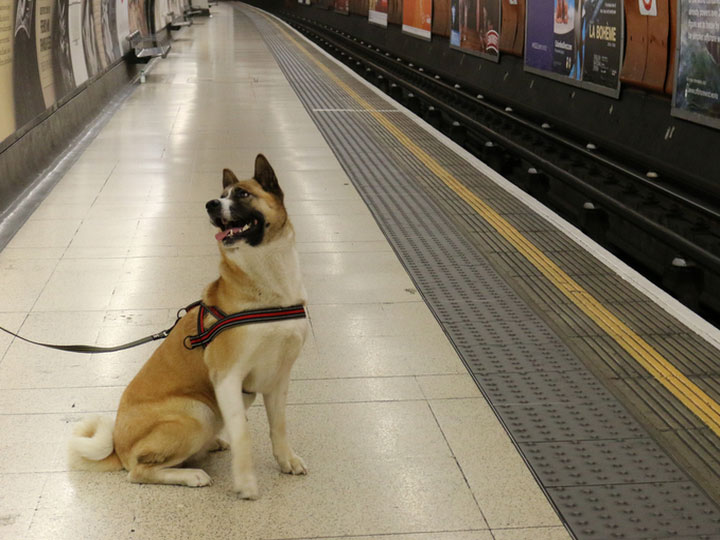
The gallery contains photos of American Akita puppies and adult dogs:
Read also:


Add a comment