
Elevated ALT and AST in dogs: what does it mean and why?
When examining a dog, a veterinarian often orders a biochemical blood test. One of the important diagnostic parameters of a biochemical blood test is the levels of alanine aminotransferase and aspartate aminotransferase. If a dog's ALT or AST levels are elevated, it may have a latent disease, and a diagnosis cannot be made based on external signs.
Content
The role of intracellular enzymes in the body
Alanine aminotransferase and aspartate aminotransferase are complex proteins that regulate metabolism (cellular exchange) in the body. They are found in the tissues of internal organs and serve as biocatalysts for synthetic, hydrolytic, and redox processes, with each enzyme responsible for a specific reaction.
ALT (ALT) and AST (AST) are endogenous enzymes. The former is synthesized in liver tissue and is present in the kidneys and pancreas. The latter is found in cardiomyocytes—the muscle cells of the heart and other visceral organs, as well as skeletal muscles. Normally, these enzymes do not spread beyond their primary organs; very little of them enter the bloodstream. If certain factors damage the organ cells, the enzyme level in the blood serum increases.
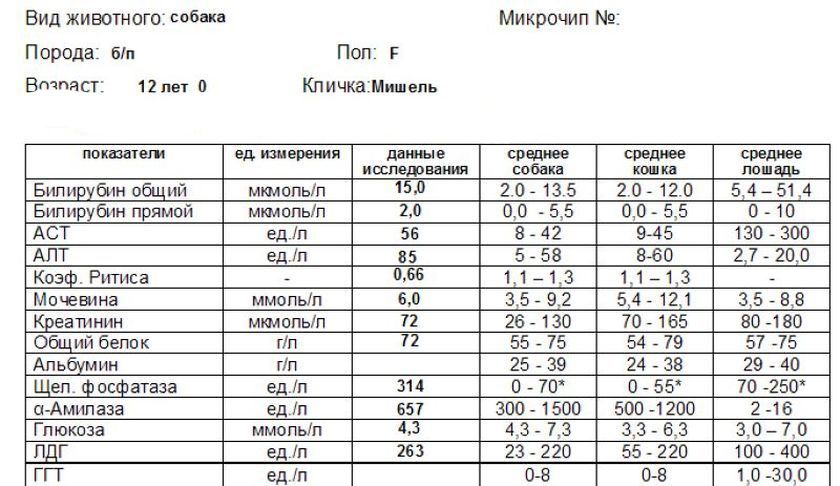
Normal ALT levels in dogs are considered to be no higher than 9-60 U/L, and AST levels are considered to be between 10 and 40 U/L. Elevated AST levels can be observed in newborn puppies, but by the time the puppy reaches one year of age, unless there are any congenital abnormalities, these levels return to normal. AST levels in dogs can increase during intense physical activity or in pregnant females.
A persistent and significant shift in the level of alanine aminotransferase or aspartate aminotransferase, either up or down, indicates the presence of pathological processes in the dog’s body.
Reasons for changes in ALT and AST levels
Alanine aminotransferase is found in the largest quantities in hepatocytes (liver cells), so the reasons for changes in its level in the blood are quite specific, and an increase in ALT in the blood of a dog many times more often indicates liver damage.
Possible pathologies include:
- cirrhosis (progressive atrophy of liver cells);
- hepatitis (inflammation of the liver tissue);
- toxic lesions;
- benign and malignant neoplasms;
- injuries;
- steatosis (fatty degeneration) of the liver;
- cholecystitis, cholangitis (inflammation of the gallbladder or bile ducts).
ALT levels in dogs can also be elevated by a course of antibiotics and nonsteroidal medications, while a decrease can be caused by a deficiency of B vitamins. Changes in AST levels in dogs can be observed in cases of hemolysis (the destruction of red blood cells), muscle and intestinal diseases, and prolonged use of steroids.
A several-fold increase in AST levels can be a symptom of:
- acute pancreatitis (inflammation of the pancreas);
- heart failure;
- last stage of cirrhosis;
- dyslipidemia (high cholesterol);
- anemia;
- acute dehydration;
- diabetes;
- hyper- or hypothyroidism;
- muscle injury;
- neoplasia.
Long-term use of certain medications, including the anticonvulsants Diphenin and Phenytoin and the anthelmintics Polivercan and Oxibendazole, can also cause elevated AST in dogs. An AST level below 9 U/L may indicate a vitamin B6 deficiency.
Signs of abnormal AST and ALT levels
Since there are many reasons that can cause low or high alanine aminotransferase levels in dogs, the clinical signs of this pathology may be as follows:
- unnatural skin pigmentation,
- too frequent urination,
- dark colored urine,
- alternating constipation and diarrhea,
- discolored stools,
- vomiting, loss of appetite.

The dog's overall health also changes. It becomes lethargic, inactive, and apathetic, avoids long walks, and loses interest in play and interaction. If you notice any of these symptoms in your pet, it's time to contact a veterinarian immediately—an illness detected and treated early always has the best prognosis.
Diagnostics
Measuring AST and ALT enzyme levels allows for the diagnosis of many pathologies with vague symptoms. For example, elevated aspartate aminotransferase in dogs is considered a highly reliable marker of liver and myocardial cell damage. Italian physician Fernando De Ritis was the first to propose laboratory testing of transaminase levels in the blood.
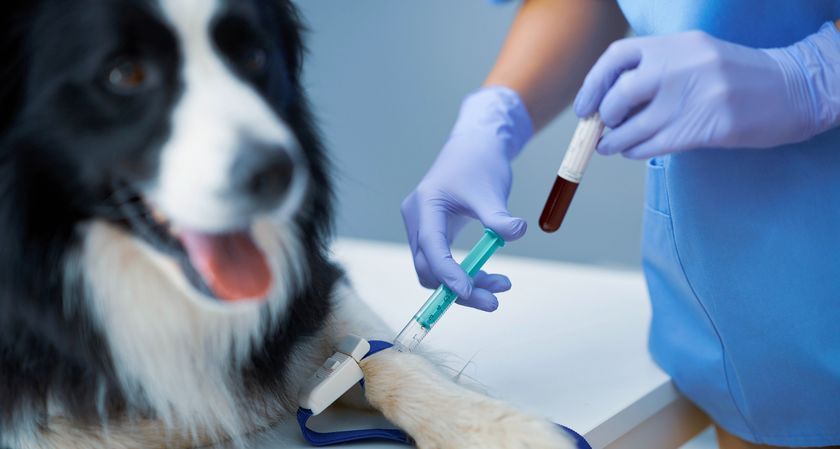
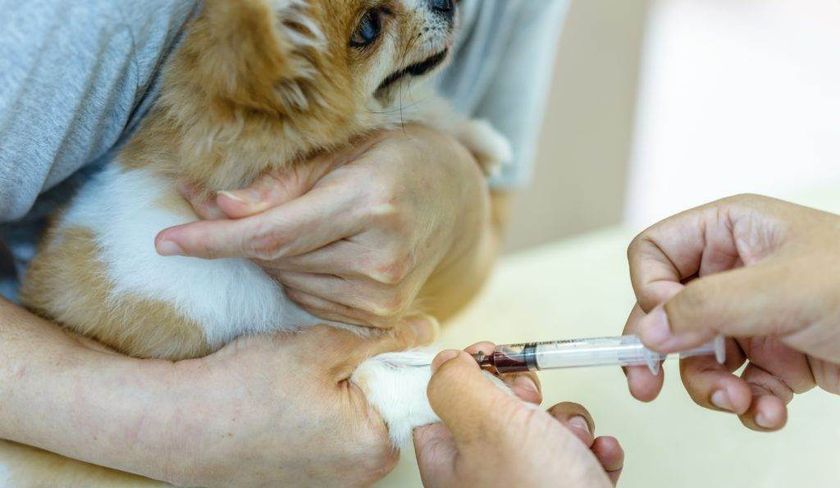
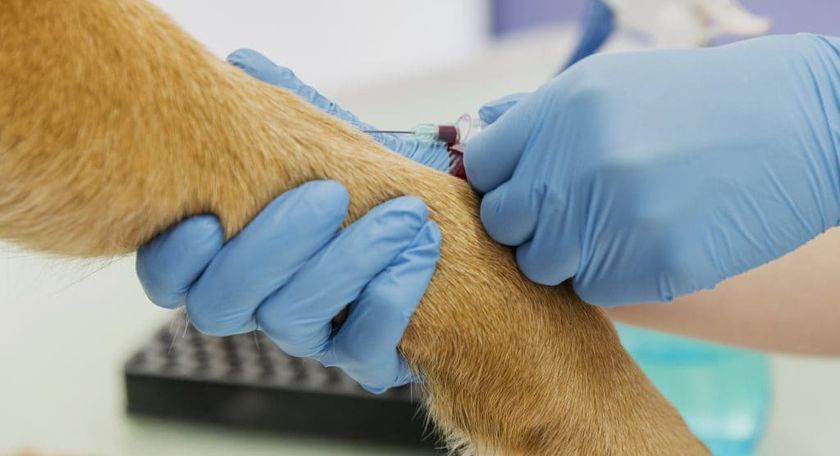
Qualitative and quantitative analysis of proteolytic enzymes in blood serum is performed using spectrophotometry. Blood is collected from the saphenous vein of the leg, forearm, or jugular vein. To obtain reliable results, the dog should limit physical activity and any medications 24 hours before the test. The dog should be fasted for 8 hours before the blood sample.
When interpreting the results obtained, the content of ALT and AST and their ratio are taken into account - the so-called Ritis coefficientThis method provides an informative picture of the likelihood of a particular disease and helps pinpoint where to look for abnormalities. For example, during a heart attack or coronary artery disease (ischemia), AST levels can increase by 7-8 times, and ALT by 2-3 times. In liver pathologies, on the contrary, ALT increases by 8-10 times, and AST by 2-2.5 times.
If a blood test indicates a suspicion of organ disease, additional tests may be prescribed to establish an accurate diagnosis:
- A complete blood count (CBC). If inflammation is present, the CBC will show an increase in white blood cells, while anemia will show a decrease in hemoglobin and red blood cells.
- Radiography is performed to assess the condition of the parenchymal tissue of visceral organs and the extent of their damage.
- Ultrasound (sonography) allows for examination of the structure of major internal organs and the detection of inflammatory processes or tumors.
Treatment
The treatment method is determined depending on the pathology identified during the examination that caused a change in the activity of proteolytic enzymes, an increase in ALT or AST in the dog:
- At cystitis In veterinary practice, antibiotics such as Sulfazin, Sulfacil, Furadonin, Urosulfan, antispasmodics, analgesics, and glucocorticosteroids that suppress inflammatory reactions are used.
- For pancreatitis, synthetic enzymes such as Creon, Pancreatin, and Mezim are used, as well as Tramadol or Fentanyl, which relieve spasms and pain.
- For liver and gallbladder diseases, dogs are prescribed anti-inflammatory drugs and bile flow stimulating drugs such as Divopride, Hepatovet, and Hepatoject.
- In cases of heart failure, vasopressors, cardiotonics, ACE inhibitors are used, and, if necessary, diuretics are also used to ensure the removal of excess fluid from the body.

The dog owner is required to provide their pet with maximum comfort, adequate nutrition, and strictly follow all instructions received from the veterinarian.
Regularly performing a biochemical blood test to assess alanine aminotransferase and aspartate aminotransferase levels, as well as other basic tests, is an important preventative measure for most diseases. Even if your dog is otherwise healthy, the recommended frequency for such a checkup is once a year.
Read also:
- White poop in dogs: why and what it means
- Blood sampling for dogs at home: cost
- My dog isn't eating and is lethargic: why and what to do


Add a comment