
Allergies in cats: symptoms and treatment
Allergies are a common condition among various cat breeds, so every owner should be aware of the symptoms that may indicate an allergic reaction in their pet, and what treatment veterinarians recommend in such cases.
Content
Allergic reactions in animals
Allergic reaction – is a disorder in the functioning of the immune system, which results in an excessively violent immune reaction to substances that should not normally provoke it.
Cats, dogs, and other animals experience allergies similar to those experienced by humans. We've previously discussed how to treat cat allergies and why they occur. Today, we'll discuss in more detail what to do if your pet develops an allergy.
Allergic reactions can occur in both small kittens and adult animals with no previous history of such problems, so it's helpful to know what allergies in cats look like and how to distinguish them from other illnesses.
Don't underestimate the dangers of an animal's hypersensitivity to various allergens, as it's not always possible to see the changes occurring in the body as a result of an allergic reaction. Without proper treatment, allergies can sometimes lead to serious consequences, including:
- decreased immunity;
- secondary infection;
- developmental pathologies (if the fetus in the womb of a cat or a kitten in the first months of life suffers);
- deterioration of the exterior (especially important for show animals);
- decreased quality of life of the cat (some manifestations can cause severe discomfort to the animal);
- fatal outcome (anaphylactic shock – a violent immune reaction to contact with an allergen – can be life-threatening).
Scientists have proven that sensitivity to certain allergens can be inherited. Most often, symptoms of allergic reactions are observed at an early age in representatives of the following breeds:
- Sphinx;
- British Shorthair;
- Siamese;
- Abyssinian;
- Bengal;
- Oriental;
- Maine Coon.
That's why, if you want to buy a Sphynx, Maine Coon, or Oriental kitten, be sure to inquire about its pedigree and the health of its parents.
What causes allergies?
Allergen – a substance that causes a violent reaction of the animal’s immune system and corresponding symptoms.
It's important to understand that there's no single definition of how allergies manifest in cats, as symptoms largely depend on what triggered the pet's strong immune response.
Allergic reactions in cats, characterized by varying degrees of severity, can be caused by:
- food products;
- household chemicals (disinfection products, laundry detergents, cleaning products, animal bathing products, etc.);
- plant pollen;
- parasites (fleas, ticks, helminths);
- insect bites;
- medical drugs (any medicine, vaccine, or vitamin can cause a reaction).

Depending on the trigger for a cat's allergy, both symptoms and treatment can vary significantly. In some cases, the reaction is caused by a combination of several allergens, making it difficult to identify them without specific testing.
Symptoms
Allergies in cats can cause a wide variety of symptoms, sometimes masquerading as other illnesses or, conversely, hidden behind secondary inflammations that arise as a result. To understand how each allergic reaction may manifest, let's look at the symptoms that may affect various organs and systems:
Skin manifestations
Most often, this is how contact allergies and reactions to food allergens manifest themselves.
The following may appear on the animal’s skin:
- inflammation (redness) of the skin;
- flaking (dandruff);
- a rash that is very itchy and provokes scratching;
- crusts and ulcers;
- hair loss;
- eosinophilic plaques;
- papules (painful nodules);
- hyperpigmentation.
You can see what skin manifestations of allergic reactions look like in the photos of cats and kittens of different breeds.
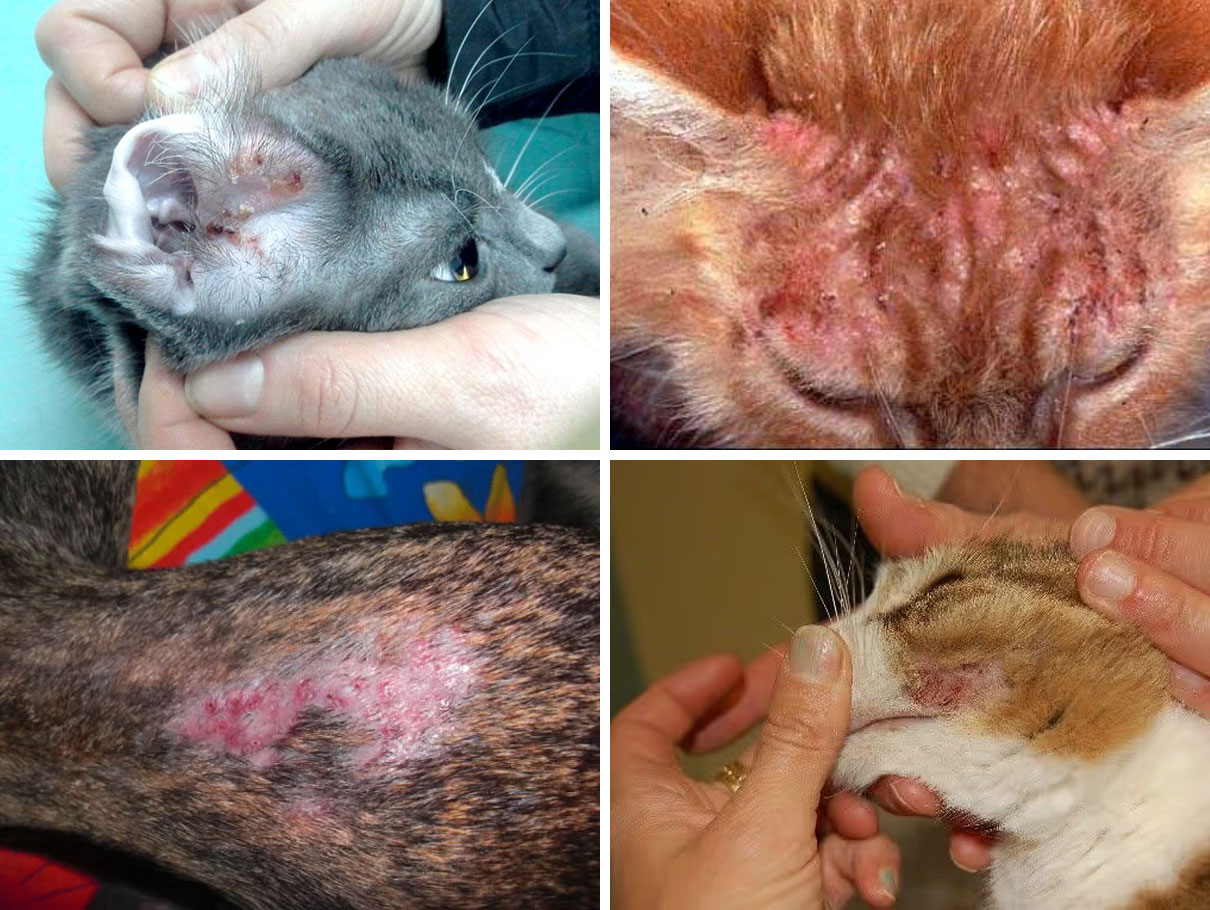
Please note that the rash may not always be easy to spot in long-haired pets. Symptoms of itching may also include constant scratching, intense licking, restlessness, and a dull, unkempt coat.
Respiratory manifestations
Respiratory signs of an allergic reaction can sometimes be easily confused with a viral infection.
This category of symptoms includes:
- rhinitis (runny nose);
- increased lacrimation;
- swelling of the eyelids (usually in combination with itching and redness of the eyes);
- sneezing;
- cough;
- shortness of breath and wheezing (asthmatic symptoms).
If you notice any of the symptoms from this list in your pet, you should take them to the veterinarian as soon as possible to rule out a viral or bacterial infection, which could very well occur secondary to an existing allergic reaction.
Gastrointestinal symptoms
Gastrointestinal problems can also be caused by an allergic reaction, but it is impossible to determine whether this is the case without further examination of the animal.
Various digestive problems are possible:
- bloating;
- vomit;
- diarrhea.
Typically, gastrointestinal disorders are accompanied by a loss of appetite or refusal to eat, which leads to weight loss and, for kittens, can lead to serious developmental problems.
Other symptoms
Also, in addition to the signs described above, allergic reactions may also cause other symptoms:
- decreased activity, apathy, drowsiness;
- behavioral changes (increased anxiety, aggressiveness);
- increase in temperature;
- swelling of the mucous membranes and various parts of the body;
- changes in blood test results.
Anaphylactic shock
This type of allergic reaction is considered the most dangerous, because the reaction to an allergen (contact with a strong allergen, a bee sting, a vaccine, or medication) occurs quite quickly (from a few seconds to several minutes) and leads to serious disruptions in the functioning of various organs and systems:
- sudden weakness;
- vomit;
- loss of consciousness;
- circulatory disorder;
- a sharp drop in blood pressure;
- vascular paralysis;
- swelling of the airways;
- cyanosis (blueness of the mucous membranes);
- state of shock;
- convulsions;
- collapse.
If antihistamines are not promptly administered to the animal, anaphylactic shock can be fatal within minutes. Knowing why an overreaction of the immune system is so dangerous, many breeders always try to keep anti-allergy pills on hand, or even better, an intramuscular injection (adrenaline, diphenhydramine, or suprastin), which can save the animal.
Important! If you can go to a clinic, don't treat your pet yourself. However, if clinics are far away, it's important to administer an antihistamine within minutes of the onset of characteristic symptoms.
Allergy diagnostics
Unless it's an emergency, diagnosis and treatment of allergic reactions should be left to a veterinarian.
In order to choose the right allergy medication for a cat, you must first determine:
- whether the symptoms are caused by any other disease;
- what specific allergen causes the corresponding reaction in the animal;
- which specific organs and systems are affected.
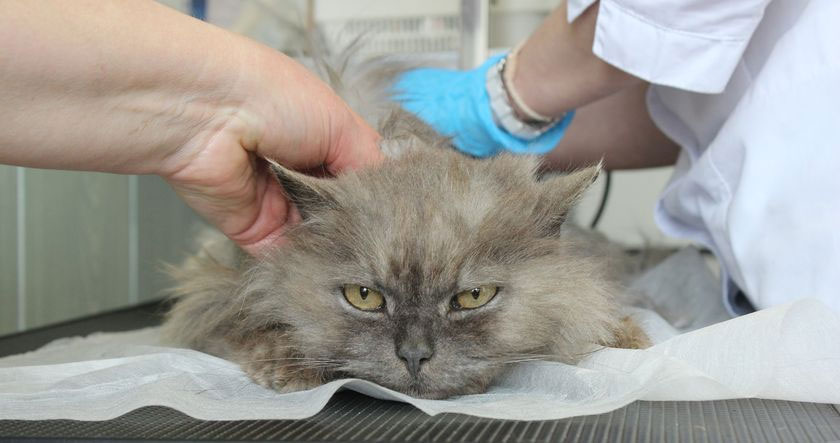
To make a diagnosis, your doctor may recommend the following methods:
- Complete blood count (eosinophilia may indicate an allergic reaction).
- Stool analysis to rule out helminthic infestation.
- Skin cytology (for dermatitis) to exclude parasitic, as well as bacterial and fungal infections.
- Intradermal tests or blood tests for IgE antibodies to identify the allergen (unfortunately, both methods often give false positive results in cats).
- Patch tests (used when contact allergy is suspected).
- Elimination diet (effective if food allergy is suspected).
Treatment
Once a diagnosis is made, your veterinarian will prescribe a comprehensive treatment plan that will include:
- eliminating contact with the allergen as much as possible;
- allergy pills for cats;
- special diet (for food allergies);
- antipruritic drugs (for dermatitis);
- topical corticosteroids (for severe skin symptoms);
- systemic corticosteroids (for severe allergic reactions);
- symptomatic therapy taking into account the animal’s condition;
- immunomodulators;
- antibiotics or antifungals (if necessary).
Your doctor may also recommend a special shampoo to reduce itching and rashes.
Veterinary antihistamines
Today, veterinary pharmacies offer inexpensive and effective medications, the dosage of which is calculated based on the cat's weight:
|
Name |
Manufacturer |
Release form |
Price |
|
Executor |
Ceva |
pills |
1900 ₽ |
|
Allervet |
BELKAROLIN |
injection solution |
380 ₽ |
|
Apoquel |
Zoetis |
pills |
4500 ₽ |
|
Stop-Itch |
Apicenna |
suspension |
540 ₽ |
|
Prednipharm Solutab |
NITA-FARM |
pills |
221 ₽ |
Medicines from the human medicine chest
If you can't buy veterinary medications in the near future, you can give your cat medications from your first aid kit.
Important! Human medications contain a higher concentration of the active ingredient than cat allergy pills, so it's important to properly administer the medication to avoid harming your pet.
|
Preparation |
Release form |
Dosage |
Reception |
|
Suprastin |
pills |
0.25 mg per 1 kg |
1-2 times a day |
|
Tavegil |
tablets, ampoules |
0.02 – 0.04 mg per 1 kg |
1-2 times a day |
|
Zodak |
tablets, drops |
1-2 mg for an animal up to 5 kg |
Once a day |
|
Cetrin |
tablets, drops |
1-2 mg for an animal up to 5 kg |
Once a day |
|
Zyrtec |
tablets, drops |
1-2 mg for an animal up to 5 kg |
Once a day |
|
Fenistil |
drops |
1 drop per 1 kg |
1-2 times a day |
|
Dimezhrol |
tablets, ampoules |
1-2 mg per 1 kg |
1-2 times a day |
Please note! It is not recommended to give Lodaradine to cats. The metabolism of this drug in animals is poorly understood, and there are reports of side effects such as severe agitation, tremors, and seizures occurring in animals treated with it.
Many topical medications (Dioxyzone, Sinaflan, Fenistil, and any hormonal ointments) are dangerous for cats, as it is almost impossible to prevent them from licking them.
Hypoallergenic diet
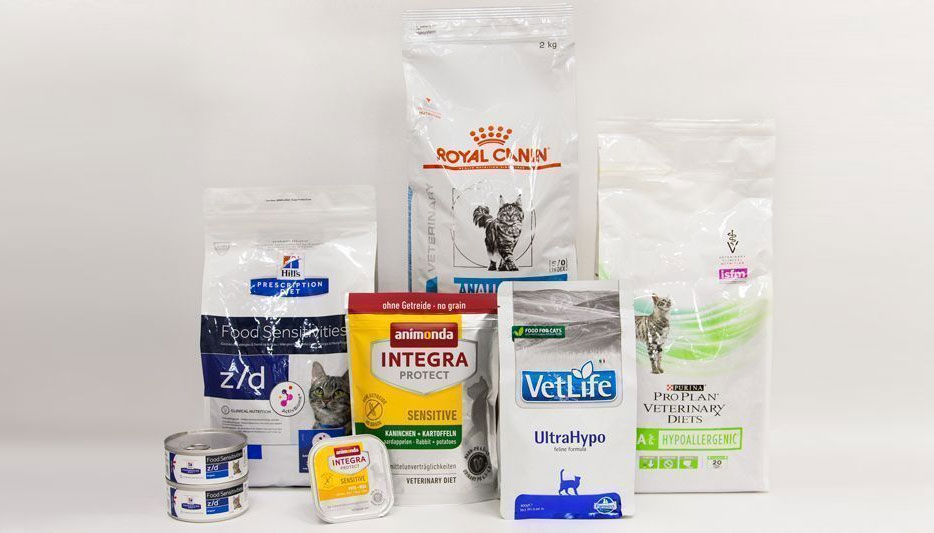
Many pet food manufacturers now offer hypoallergenic veterinary diets. Specialized diets can be found in the following brands:
- Royal Canin;
- Hill's;
- Purina Pro Plan;
- Farmina;
- Brit;
- Monge;
- VetLife;
- Ownat;
- ALLEVA.
Prevention
It's impossible to completely eliminate the possibility of an allergic reaction in an animal, as the environment contains an incredibly large number of allergens. It's also impossible to cure allergies permanently—we can only minimize the negative impact of the allergen on the animal's body and stop attacks.
What can I do to make allergic reactions happen as rarely as possible?
- Minimize the likelihood of your cat's contact with substances and foods to which it is allergic.
- Feed your pet only high-quality, proven products.
- Always have an antihistamine in your first aid kit.
- Know how different types of allergic reactions manifest themselves and carefully monitor the health of the animal.
- Have regular checkups and visit your veterinarian if any warning signs appear.
Veterinarian's advice
Read also:
- My cat has lost its voice: reasons and what to do
- Why does a cat shake its head and ears?
- Why is my cat losing weight and what should I do?


Add a comment