
Dog allergy: how it manifests itself
Allergies are among the most common diseases today. This painful condition occurs due to an abnormal immune system response to certain substances. Normally, to protect against viruses, bacteria, and other harmful factors, the body produces antibodies—immunoglobulins—that destroy or neutralize foreign agents. However, with allergies, this protective process is accompanied by a pronounced inflammatory response. This results in characteristic symptoms: watery eyes, sneezing, coughing, skin rashes, and swelling.

When the immune system malfunctions, it considers seemingly harmless elements harmful. Allergens can include dust, hair, pollen, food, cosmetics, medications, and even sunlight.
People with a hypersensitive immune system may also be allergic to dogs. However, the allergy is not to the animal itself, but to specific proteins produced by the skin glands and found in its saliva, urine, fur, and skin particles. Since statistics show that approximately half the world's population owns dogs, the treatment and prevention of allergies to these animals are highly relevant.
Content
Signs of allergies
Allergy symptoms vary greatly from person to person. Most often, the initial reaction to an allergen is mild or absent: the immune system encounters a foreign element for the first time, and antibodies are produced in small quantities. Upon repeated exposure, protective immunoglobulins are produced more actively, and external symptoms then become more pronounced.
Important to know! How quickly an allergy develops depends on individual characteristics. Some people notice the first symptoms within minutes of exposure to the allergen, while others experience them hours or even days later.
Signs of a dog allergy may include:
- runny nose, sneezing, constant nasal congestion;
- itching and swelling of the eyelids, lacrimation, conjunctivitis;
- cough, sore throat;
- skin itching, urticaria.

Severe allergies can cause swelling of the nasopharyngeal mucosa, shortness of breath, wheezing, a feeling of pressure in the ears, and ear infections. Young children may experience gastrointestinal colic and diarrhea. In childhood, long-term allergies often cause the development of bronchial asthmaThere have been cases where hypersensitivity to a particular substance has resulted in anaphylactic shock (an extremely severe immediate reaction that can be life-threatening) or angioedema (a severe, deep swelling of the subcutaneous tissue).
Differential diagnosis
It's crucial to pinpoint the allergen as accurately as possible, as a preliminary diagnosis based on the assumption that a dog is the culprit may be incorrect. The onset of allergic symptoms and the arrival of a pet in the home may simply coincide, or the body may be overreacting not to the proteins produced in the pet's skin, but to pollen or mold spores the dog brings in on its walks.
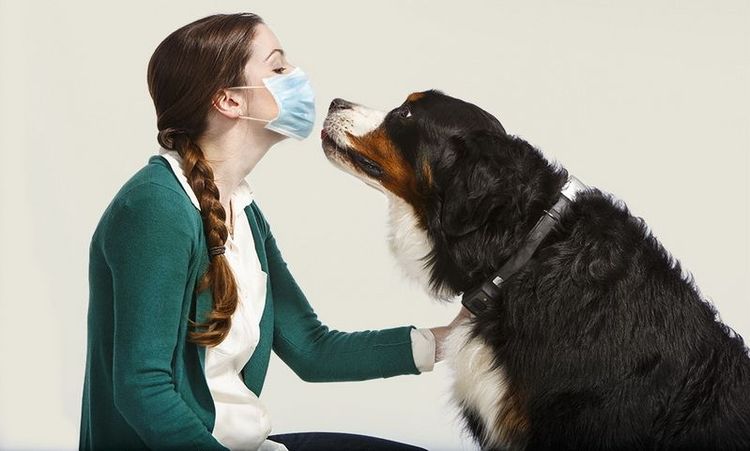
For differential diagnosis of the pathogen the following are carried out:
- An in vivo test is a skin test in which a small scratch is made on a patch of skin near the hand and a synthetic allergen analogue is applied. If redness or a rash occurs at this site, the reaction is considered positive.
- A blood test that involves conducting in vitro tests, in laboratory conditions - in the patient's blood serum.
- Radioallergosorbent test (RAST). This is a blood test that measures the level of antibodies produced by the immune system—allergy-specific immunoglobulin E (IgE).
For your information: The RAST test is considered safer, but less sensitive than skin tests, and may yield a false-positive result if the patient has a history of allergies. This is because immunoglobulin E (IgE) antibodies remain in the blood after an allergic reaction.

Treatment
To eliminate allergic reactions, you must first stop contact with the allergen—in this case, the protein produced by the dog's body. This is a categorical requirement, without which it is impossible to cure the allergy.
Clinical manifestations of hyperreaction of the body are skin itching, rashes, swelling, cough, runny nose, watery eyes - can be relieved with medications:
- Antihistamines. They block the action of substances that cause allergic symptoms. Drugs with this effect include Diphenhydramine, Claritin, Tavegil, and Loratadine.
- Decongestants (medications that reduce swelling). These are primarily osmotic diuretics, which remove excess fluid from tissues. They are usually used in combination with antihistamines. For allergic reactions, the most popular are Fexofenadine (Allegra) and Sudafed.
- Combination drugs, which contain antihistamines and decongestants. Representatives of this group include Zyrtec, Benadryl Allergy, and Tylenol Allergy.
- Corticosteroids Hormonal medications that effectively relieve the external symptoms of allergies and reduce inflammation. They are used for severe allergies. Examples include prednisolone, hydrocortisone, and dexamethasone.

Tips for dealing with allergies in children
Dog allergies in children have their own characteristics, which are important for parents to consider. Since a child's immune system is still developing, symptoms may be more pronounced, but with proper and timely treatment, treatment is often effective.
Features of diagnostics in children:
- Skin allergy tests are usually carried out starting from the age of three;
- In children, laboratory blood tests for IgE levels are more often used;
- Allergic reactions may resemble a cold or manifestations of atopic dermatitis;
- A detailed medical history is of particular importance - it is important to understand when the symptoms appear and whether they are related to contact with the dog.
Additional security measures:
- teach your child to wash their hands after any interaction with animals;
- Explain that after playing with the dog, you must not touch your face or rub your eyes;
- It is recommended to wash clothes separately after visiting houses where there are dogs;
- During periods of exacerbation, it is permissible to consider temporarily keeping the dog with relatives.
Treatment of childhood allergies:
- Dosages of medications are calculated strictly taking into account the child’s weight;
- Allergen-specific immunotherapy in children often shows a more pronounced effect than in adults;
- It is important to prevent the development of bronchial asthma;
- Regular monitoring by a pediatrician and an allergist is required.
Psychological aspects:
It's important to explain to your child that allergies aren't their fault and that they can live happily with the condition. Many children with dog allergies find it easy to interact with other pets and lead active, fulfilling lives.
How to avoid developing allergies
The best way to get rid of a dog allergy is to remove the animal from the home, perhaps by giving it to a good home. But what if you really don't want to part with your pet? By following certain preventative measures, less drastic solutions are often possible.
To reduce your risk of developing an allergic reaction to a dog:
- Treat your animal's fur with special anti-allergenic products.
- Get rid of long-pile carpets, heavy bedspreads, and drapes in your home—they accumulate dust and allergens and are difficult to remove. You'll replace them with short-pile carpets that are easy to vacuum and wash, and bedspreads and curtains made of easy-to-wash fabrics.
- It is recommended to cover the furniture with fabric covers; they should be washed 2-3 times a month.
- Vacuum your dog's bedding daily and wash it weekly to remove any hair or flakes.

- For the same reason, wet-clean your home as often as possible. It's best to have a family member who isn't prone to allergies take on this responsibility.
- If possible, purchase a dry air filter—it can capture up to 70% of allergens from the air.
- To remove dandruff Bathe your dog to remove loose fur and loose hair. You can wash it weekly with clean water, or twice a month with shampoo, otherwise it can cause dry skin.
- When walking your dog, try to avoid contact with other animals whenever possible. Allergists say that allergies to other dogs are usually more severe, and close contact will inevitably leave allergens on your pet's fur.
Important! Ideally, there should be a room in the house where your dog is not allowed. You can retreat there to avoid unnecessary contact with your pet if you experience an allergic reaction. Ideally, this no-go zone should be your bedroom.
Finally, one more piece of advice for pet lovers. There are dog breeds called hypoallergenic, meaning their bodies produce fewer proteins that trigger an overreaction of the immune system. These dogs are typically small in size, with short or, if long, silky fur, and rarely shed. Since saliva contains a large number of allergens, the best choice for allergy sufferers is a dog without flews. Chihuahuas, Affenpinscher, Dachshunds, Fox Terriers, Bichon Frises, Poodles, and Maltese all meet this requirement.
Read also:


Add a comment