
Cat allergies: symptoms and treatment
According to WHO statistics, one in four people on the planet suffers from allergies today, and one in ten people suffers from an allergic reaction to cats, the most beloved of pets. Historically, the fearless commander Napoleon Bonaparte fled immediately upon seeing this animal: contact with a cat caused him severe choking and tearing.
The common belief that cat hair inhalation is the cause of an allergic attack is incorrect—the development of such an exaggerated reaction in the human body to cats can be provoked by various factors.
Content
Causes of cat allergies
When foreign elements—viruses, microbes, fungi, chemical molecules, and certain foods—enter our bodies, they are recognized as enemies by our immune system. To protect ourselves, the body begins to produce special antibodies (immunoglobulins), and their presence in large quantities causes a painful condition known as an allergy.
It's not the cat's fur itself that triggers allergies. It's the primary carrier of microscopic particles of Fel D1 proteins. These proteins are found in the animal's skin, saliva, sebum, and urine. Furthermore, after a walk outside, a cat can pick up pollen or dust mites on its fur, which also often trigger hypersensitivity. Allergens from a cat's fur easily spread into the air in the room, onto the floor, furniture, household items, and the owner's hands and clothing.
Symptoms
Cat allergies can manifest themselves in a variety of ways. Let's look at how they manifest. The "bouquet" of symptoms may include:
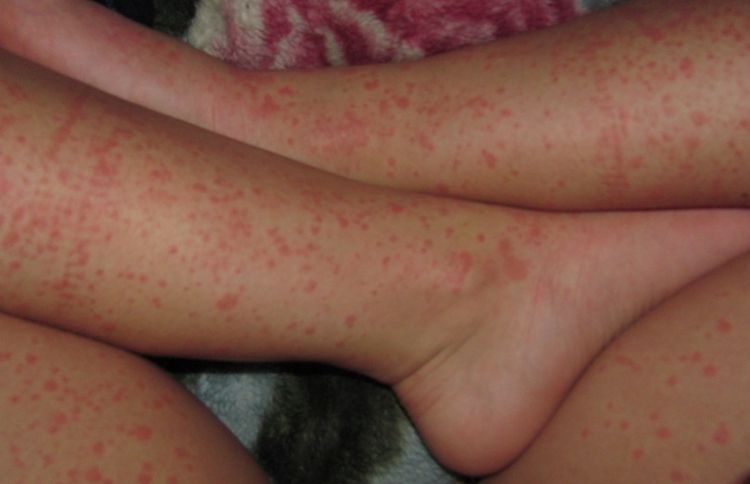
- Skin symptoms include itching, burning, flaking, hyperemia (redness), dry or blistering rashes.
- Gastrointestinal symptoms include pain in the stomach or epigastric region, nausea.
- General symptoms include conjunctivitis, profuse lacrimation and salivation, headache, and lethargy.
- Respiratory symptoms include rhinitis, sneezing, persistent nasal congestion, coughing, and, in severe cases, shortness of breath, difficulty breathing, or swelling of the nasopharyngeal mucosa.
Interesting fact: According to pediatricians, children exposed to cats from infancy are less likely to develop allergic reactions to these animals. This is likely due to the child's body adapting to the allergen proteins secreted by cats.
The cat allergy symptoms described above can easily be confused with other illnesses, particularly respiratory ones. Therefore, if you suspect that your pet is the cause of your or your child's illness, do not self-diagnose or self-medicate. A diagnosis can only be made based on the results of an examination.
Diagnostics
The arrival of a cat in the home and the development of allergies in adult family members or a child do not always coincide, meaning that the pet's fur or excrements are the cause. The animal can carry pollen, mold spores, and mites. Some people experience hypersensitivity to particles in cat food or litter. cat litterTherefore, if a person's medical history suggests a cat allergy, the doctor will refer them for testing to confirm the diagnosis and identify the causative agent.
This differential diagnosis is performed using a skin test (allergy test). In a patch test, a swab soaked in an allergen solution (in this case, a swab from a cat's epidermis or fur) is applied to the patient's arm for several hours. In a scratch test, the solution is applied to the skin of the forearm, then a small scratch is made with a disposable scarifier. Redness at the site of application indicates an allergic reaction to the substance.

In some cases, a blood test for immunoglobulin E levels is required to confirm the diagnosis. Elevated levels of this type of antibody are one of the main indicators of allergic diseases.
Treatment
Any type of allergy can be completely cured by eliminating the patient's contact with the triggering substance. All medications are considered symptomatic and are intended to relieve the external manifestations of the disease: itching, skin rashes, swelling, bronchial spasms, or rhinitis.
For allergies to cats, the following are used:
- Antihistamines. They block the action of the allergen, preventing the development of an allergic reaction, and thereby alleviating the patient's condition. Of this group of drugs, the most commonly used derivatives are diphenhydramine, chloropyramine, loratadine, or cetirizine—Diphenhydramine, Suprastin, Claritin, and Zyrtec.
- Corticosteroids. Steroid hormones inhibit the synthesis of inflammatory mediators and reduce the severity of allergy symptoms. Popular steroid medications include Prednisolone, Kenalog, Flixotide, Celestone, and Elokom.
- Bronchodilators, drugs cromoglycic acid. Bronchodilators (Almont, Montelar, Singlon) and the sodium cromoglycate-based drug Cromolyn are good at relieving allergic bronchospasms and rhinitis.

How to get along with a cat if you have allergies
As mentioned above, to get rid of allergies, you need to eliminate contact with the allergen. In this case, the most drastic solution would be to eliminate the animal from the house. However, if you really don't want to part with your beloved pet, you can take measures to reduce the risk of developing the disease.
- Keep your home thoroughly clean; you will have to do wet cleaning at least twice a week.
- Regularly ventilate the rooms where your pet spends time, or even better, buy an air purifier.
- Never allow an animal into the room where you sleep.
- After each time the animal uses the toilet, change the litter.
- Do not allow your cat to make a home in a closet where clothes or bedding are stored.
- Minimize the number of "dust collectors" - long-pile carpets, heavy curtains and bedspreads.
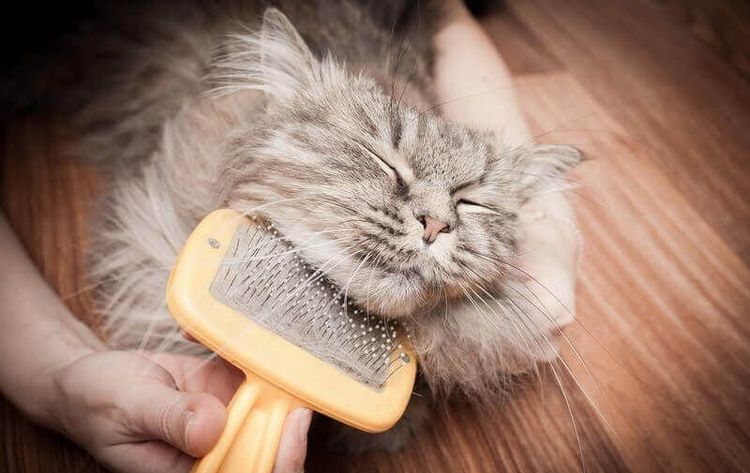
- Brush your cat frequently and bathe it weekly. This should be done by a healthy family member.
Not every cat can cause an allergy. Therefore, if you've decided to get a cat, try it out first at the previous owner's house. After a few hours, you'll be able to see the reaction and decide whether it's "the cat for you." This is especially true if you have a child. Taking the kitten along to the "seeing" stage allows you to test the child's reaction and give them the pleasure of participating in the kitten selection process.
Completely hypoallergenic cats don't exist. However, some breeds produce fewer allergen proteins or are endowed with a "non-shedding" coat. These include:
- Burmese;
- Balinese;
- Bengal;
- Cornish and Devon Rex;
- Russian Blue;
- sphinx;
- Siberian;
- Siamese.
Following all cat allergy prevention measures requires patience, but it always yields results. If you follow them consistently, your chances of living together with this charming animal for a long time are quite real.
Read also:


1 comment
Polina.Gromova
Thanks for the article, it's very interesting! I went through the same thing myself, and now I have a cat and don't have any problems.
Add a comment