
Allergic otitis in dogs: symptoms and treatment
Otitis is an inflammatory ear, nose, and throat condition that can affect parts of the ear: the auricle, external auditory canal, eardrum, or labyrinth. Ear infections are very serious, as they can lead to life-threatening brain pathologies. Depending on the cause, otitis is classified into several types: purulent, fungal, bacterial, and allergic. The latter is quite difficult to diagnose, as it requires pinpointing the allergen causing the reaction.

Reasons for development
The immune system of humans and animals produces specialized cells designed to destroy potentially dangerous foreign substances or pathogenic microorganisms. In some cases, the immune system operates in an overdriven mode, reacting to completely harmless substances as if they were an "aggressor." Moreover, the reaction is so strong that it leads to a painful condition called allergies, and the irritant that causes it is called an allergen. Allergies can manifest as skin rashes, asthmatic symptoms, and inflammatory diseases of the ears, mucous membranes of the eyes, and upper respiratory tract.
Allergic otitis in dogs can be triggered by:
- Weak immunity. This is usually caused by an unhealthy diet or a sedentary lifestyle.
- Past illnesses or medications used to treat them.
- A new product in the dog's diet.
- Previously unused care products.
- Hormonal imbalance that causes increased sensitivity of the immune system.
Caution! If your dog is prone to allergic reactions, or if their ancestors were prone to them (frequent skin rashes or seasonal rhinitis, such as hay fever), they are at high risk of developing allergic otitis. These animals should be treated with caution when making changes to their diet or environment, use chemical-free bath gels and shampoos, and use medications only with a veterinarian's approval.
Symptoms
The most obvious symptoms of otitis in dogs are pain. The animal is restless, tries to press the affected ear, scratches it, tilts its head to the side, and suppresses yawning due to pain. When the owner attempts to touch the inflamed ear, the dog abruptly pulls away and whines. A visual examination reveals redness and swelling of the auricle, a hot ear, and an unpleasant odor.
There's a large amount of earwax in the ear canal, even if you recently cleaned your dog's ears. There may be purulent-bloody discharge or crusty dried pus (this is clearly visible in the photo). Your dog may lose its appetite and develop a fever.

In severe cases, lacrimation and swelling of the submandibular nodes may occur. Partial hearing loss often occurs; the animal responds poorly to the owner's commands and sometimes not at all. The dog becomes easily irritated and displays aggression.
Good to know! In addition to the obvious symptoms of an ear infection, there are several other accompanying signs that an attentive owner might suspect otitis in their dog. Typically, any inflammatory condition causes bowel problems, such as diarrhea or constipation. Allergens can also affect the mucous membranes of the eyes and respiratory tract, so an animal with otitis often suffers from watery eyes and a runny nose.
Diagnostics
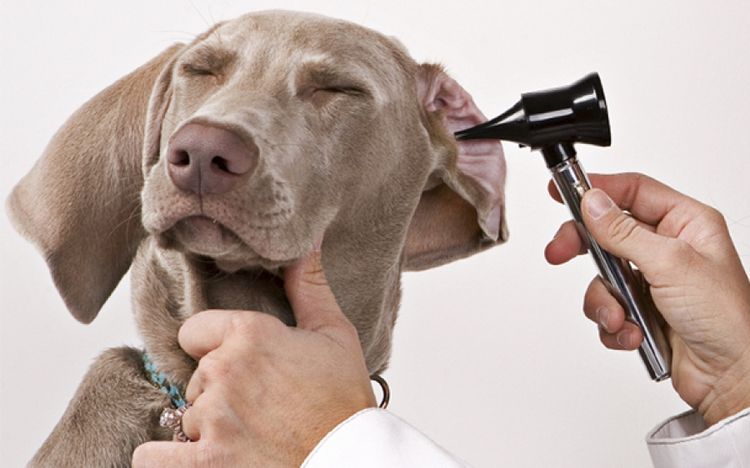
Treatment for otitis depends directly on the underlying cause. During the initial examination, the vet asks the dog's owner about any external signs of the disease they've noticed at home and thoroughly examines the auricle, ear canal, and eardrum with an otoscope. A swab is then taken from the inner ear to check for microflora and parasites, and an allergy test is performed. This is a skin test to determine sensitivity to common allergens or medications the animal is taking.
Differential diagnosis of allergic otitis may also include:
- urine analysis;
- general and biochemical blood tests;
- determination of the level of thyroid and adrenal hormones;
- biopsy;
- X-ray;
- magnetic resonance imaging or computed tomography of the head.
Treatment
If you suspect an ear infection, never rely on advice from fellow dog owners or information found online about how to treat it. If the otitis is allergic in nature, symptomatic treatment (attempts to reduce pain and inflammation) will not produce long-term results.
Treatment of allergic otitis involves:
- identification and elimination of the provoking factor;
- the use of antihistamines that block receptors responsible for the production of antibodies to the allergen;
- relief of pain, itching, inflammation and swelling.
The most commonly used ear drops for dogs that suppress the action of histamine, a mediator of allergic reactions, are Sofradex. The active ingredients are framycetin sulfate, gramicidin, and dexamethasone, which have anti-inflammatory, anti-allergic, and antipruritic effects. Your veterinarian may also prescribe desensitizing medications in tablets or mixtures to suppress allergic reactions: suprastin, desloratadine, tavegil, levocetirizine, diphenhydramine, and quifenadine. To alleviate the animal's condition and cleanse the ears, painkillers and anti-inflammatory drops can be used: Ottinum, Ottipax, or Otodepin.
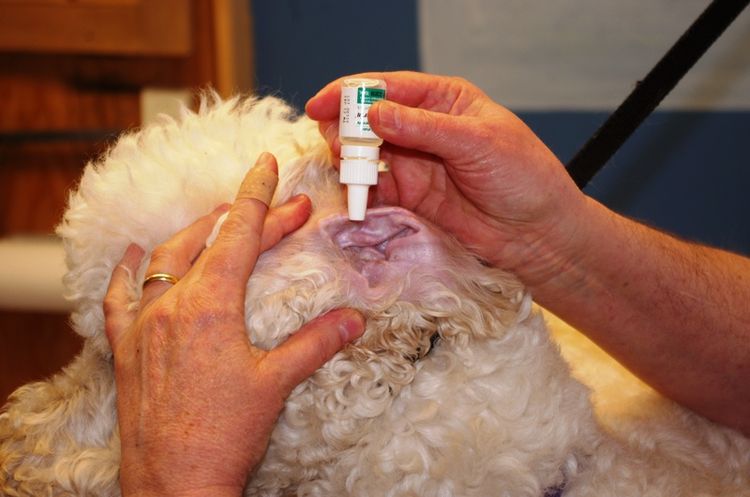
Most medications, including ear drops, can be used at home, but they must be done correctly:
- Before instilling drops into the ears, they must be carefully cleaned of discharge and crusts with a swab soaked in a solution of chlorhexidine or miramistin, or with boiled water.
- Drops should be warmed in hands before use.
- To help your dog endure the procedure calmly, hold it tightly against you and lightly massage its body.
- The animal's ear needs to be pulled back so that the drops can penetrate deep enough into the ear canal.
In addition to medication, dogs with allergic otitis are prescribed a hypoallergenic diet for approximately three months. Since animals suffering from allergic diseases are typically at risk of weakened immunity, a course of treatment with an immunomodulator and vitamins is usually recommended to achieve lasting remission.
Read also:
- Otitis in dogs
- Dog scratching ears and shaking head: causes and treatment
- Why does my dog's ears smell?


Add a comment