
Alabai - dog breed
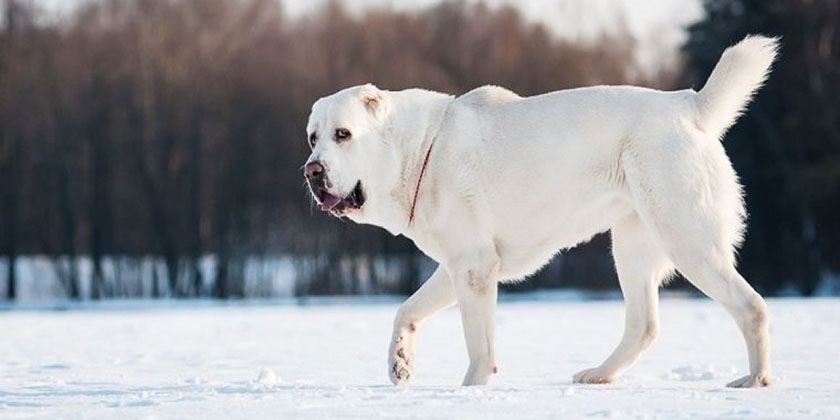
The Alabai dog breed and the Central Asian Shepherd Dog are the same breed, but the abbreviated name is more commonly used among dog enthusiasts. This animal combines the remarkable endurance of ancient Asian shepherd dogs with the fearlessness of the fighting breeds of Mesopotamia. It's hard to resist the charm and strength of this dog, but before deciding to get one, you should learn more about the breed's characteristics and care requirements.
Content
Origin
This breed originated as an indigenous breed in Central Asia. Its ancestors were the Asian and Tibetan Mastiffs, which were used as herders and fighting dogs. Over thousands of years, selective breeding and natural selection have shaped this beautiful animal with unique characteristics. Traits such as territoriality and decision-making have become instinctive.

Breeders first noticed the Alabai in the 1920s and decided to pursue targeted breeding. The Central Asian Shepherd Dog was intended to be used to guard classified Soviet facilities, but the dog's love of freedom and independent nature prevented these plans from being realized. Therefore, subsequent breeding was largely unpredictable. Nevertheless, in 1993, breed standards were officially approved. Currently, the Central Asian Shepherd Dog is considered a national treasure of Turkmenistan.
Character
For centuries, these animals' job has been to make decisions to protect their herds or people from danger. This has shaped their independent and stubborn nature, as well as their remarkable intelligence. Their protective instincts completely determine their behavior. Because of this, they are extremely hostile to any strangers, whether animals or people.
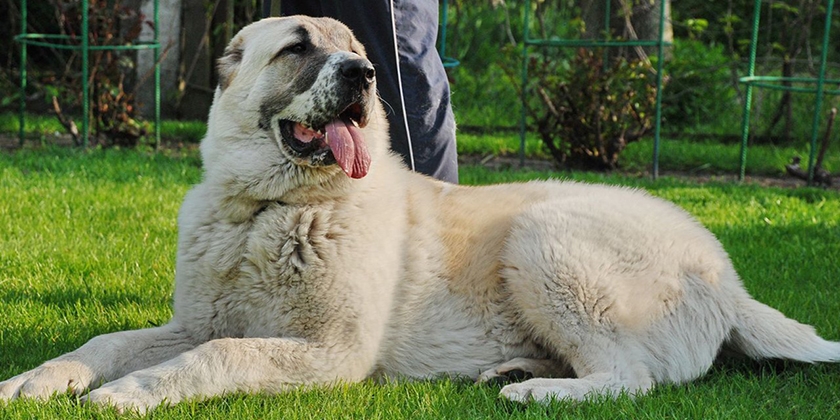
At the same time, outside the territory it considers necessary to protect, the Alabai is quite patient and friendly. It's important to understand that it needs to be provided with "its" territory, where it can fully satisfy its natural instincts to protect its space; otherwise, its character will inevitably deteriorate.
The Central Asian Shepherd is slow and full of self-importance. It can become offended if ignored.
Characteristics
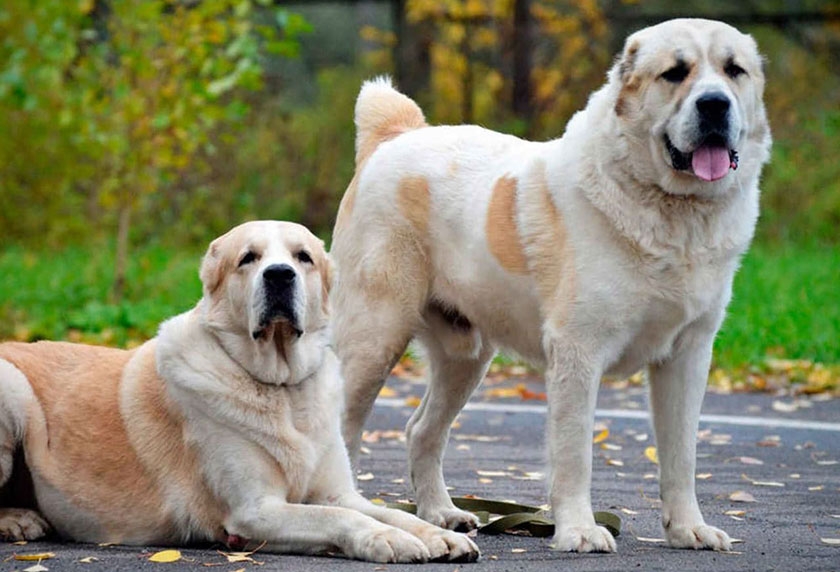
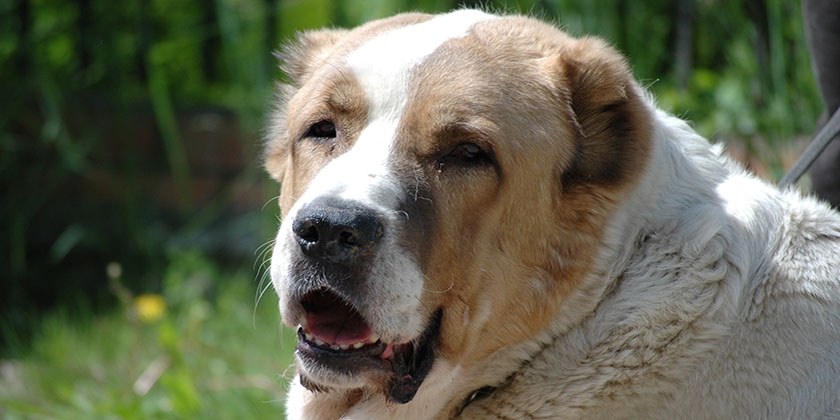
The Alabai is a very large dog, yet it appears proportionate, with harmonious limbs and body. The chest is well developed. The height at the withers of an adult male is 0.75 m, and the weight is 70-80 kg. If the proportions are maintained, breed standards allow for larger heights. Females are smaller in height and weight—70-75 cm and 60-70 kg.
Alabai breed standards:
- large pentagonal head, skin folds in the neck area.
- a smooth slope from the forehead to the muzzle.
- strong jaw bones.
- the lower lip covers the jaw.
- The eyes are set at the front of the head, small, with a brown iris. The lower eyelid is drooping. The look is calm.
- Uncropped ears are allowed.
- The nose is black, regardless of the color of the coat.
- large, straight, wide back, capable of withstanding heavy loads.
- lean belly.
- straight, high, muscular limbs.
- The tail is set high and is usually docked.
- coat with developed undercoat, moderately hard.
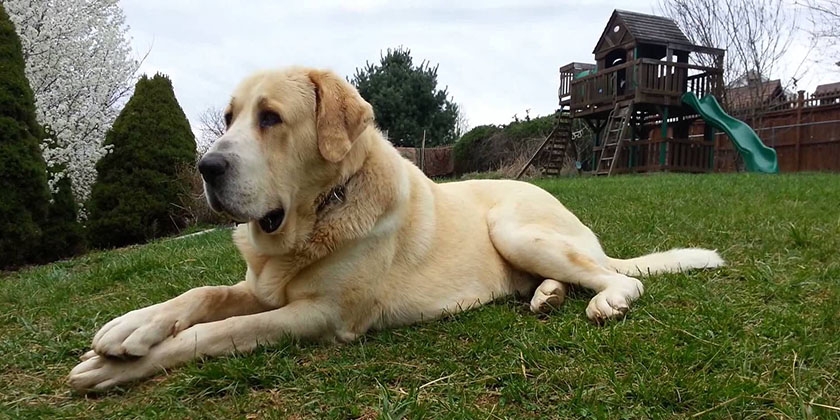
- The color is often two-colored, possible colors are piebald, speckled, gray, brown or fawn.
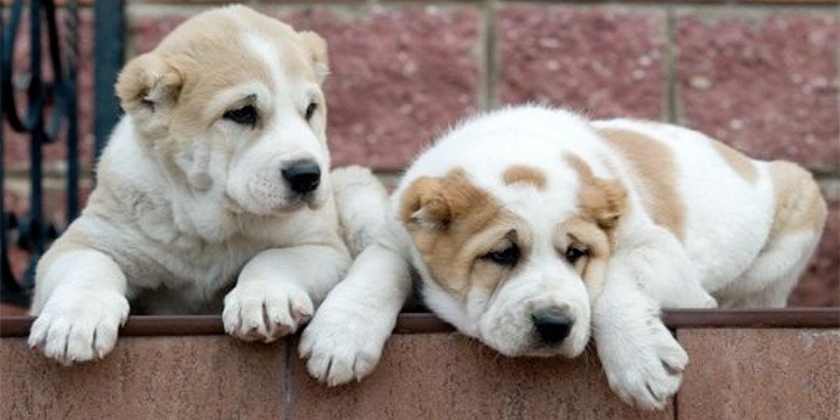
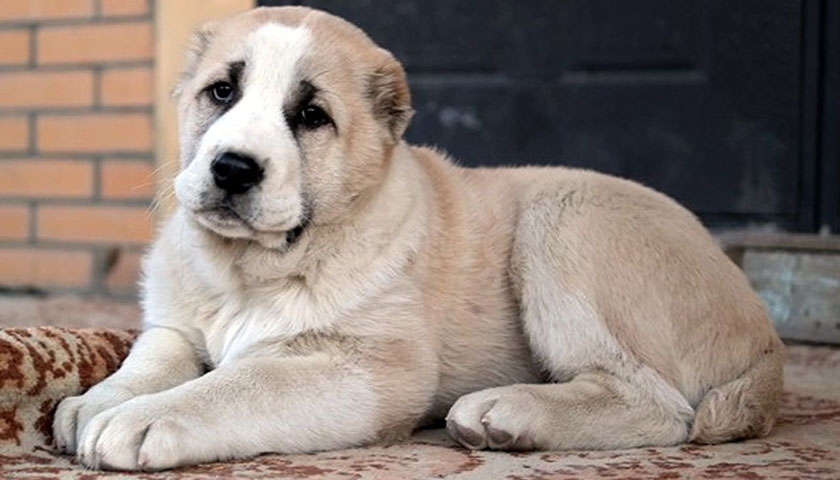
The Alabai's features are expressive, so even puppies are easy to identify, not to mention adult dogs. Life expectancy is 12-15 years.
Upbringing
It's important to understand that the Alabai is not a fighting dog, as many believe, but a guard dog. It's very independent and won't perform any tasks for food; rather, something tasty can be used as a reward. The breed is not aggressive and won't attack first. It's important to learn the signals the dog gives before attacking: initially, it will bark quietly or growl as a warning. If these signals are ignored and attempts to invade the territory continue, the dog will attack.
All members of the breed exhibit strong personalities, so training should begin in the first weeks of life. Physical punishment should be avoided, as Alabai can become very upset. The key to successful training is mutual understanding. It is recommended to contact a professional with experience working with this breed for training.
Care
Keeping an Asian Shepherd in an apartment is not permitted; they require space, exercise, constant movement, and walks. However, Alabai puppies are kept indoors for the first few months, and only after they have grown stronger and been vaccinated can they be moved outdoors. Despite their low maintenance, this breed loves cleanliness, so daily cleaning is essential.
Bathing
Their coat doesn't get dirty easily, so bathing this dog rarely is necessary. Once every two months is sufficient. A warm shower, not a bath, should be used. Otherwise, dry veterinary shampoos can be used as needed.
Combing
The breed can have a smooth or slightly longer coat, which sheds evenly throughout the year. Shedding intensifies in spring and fall. During these times, it is recommended to use a furminator to remove the undercoat or express linkBrushing your Alabai for 10 minutes every other day is enough to make shedding virtually unnoticeable.
Hygiene
Once a week, the mouth, ears, and eyes should be inspected. The ears of undocked dogs are especially carefully examined, as they hang down, so ticks or inflammation may go unnoticed. Alabai's eyes should be washed with a cotton ball soaked in fresh tea leaves, and the ears should be wiped with a damp cotton cloth soaked in hydrogen peroxide or special ear drops.
It is prohibited to use cotton swabs for hygiene, as the dog may jerk its head and damage the inner ear.
If your dog isn't getting enough exercise, their nails may not be worn down. In this case, they should be carefully trimmed with a nail clipper as needed.
Health
Proper care for an Alabai includes regular veterinary checkups. It's important to remember that this breed is prone to the following health problems:
- musculoskeletal system - dysplasia of the pelvis and joints of the extremities, sprains and dislocations;
- eyes - conjunctivitis, eversion of the eyelid, injuries;
- internal organs - congenital and acquired heart pathologies, intestinal volvulus.
Proper nutrition and regular physical activity can prevent most of these problems.
Feeding
When developing an Alabai's diet, it's important to consider that excess weight significantly increases the risk of musculoskeletal disorders. The diet should include:
- fresh lean meat - veal, beef, turkey or domestic chicken fillet;
- porridges - rice, buckwheat, oatmeal;
- vegetables;
- eggs;
- lean sea fish;
- low-fat cottage cheese.
Water must be available 24 hours a day.
Not recommended:
- sweet;
- salty;
- smoked meats;
- sausages;
- fatty meat.
If you use ready-made balanced feeds, you should give preference to formulations for large breeds.
Selection and purchase
The average price of an Alabai is 25,000–45,000 rubles, depending on the status of the dog's parents, pedigree, exterior, and other factors.
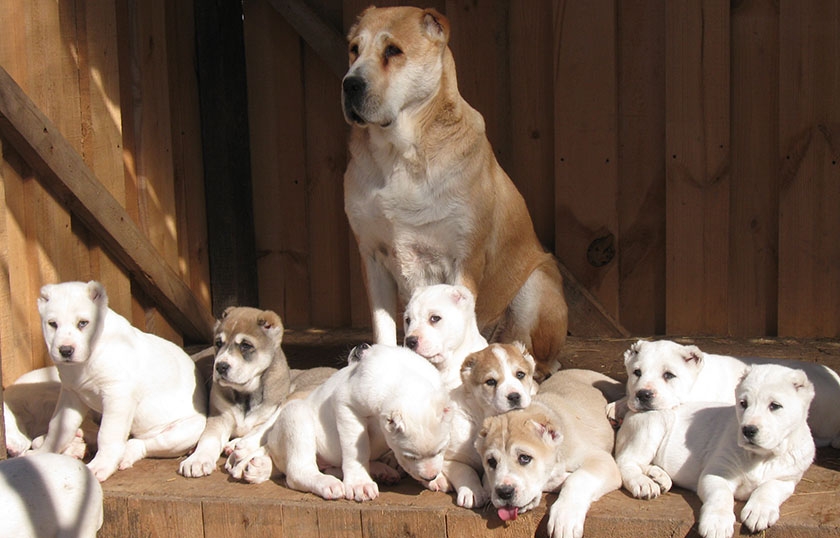
Before choosing a pet, you need to know the following points in more detail:
- see parents or their photos;
- inquire about certificates and prizes received at exhibitions;
- find out about the purity of the breed indicators in previous litters;
- inquire about possible genetic diseases.
Sometimes a puppy is taken to a veterinarian, who can conduct an examination and confirm good health. It's best to buy an Alabai from professional breeders or specialized kennels.
Read also:


Add a comment