
Puppy certification: what it is and how to do it
A certification is an examination of a puppy before it reaches three months of age. The examination is performed to confirm the dog's purity—to prove that it does not deviate significantly from the accepted standard. The results influence the pet's price, its eligibility for participation in dog shows and competitions, and its breeding plans.
Content
What does activation mean in dogs?
Breeding puppies undergo a mandatory breed standard compliance procedure. This procedure is designed to identify potential developmental defects and mutations, which are then recorded in the growing dog's metrics. If a temporary defect is detected, a re-examination is performed after a period of time, and the reason for the re-examination is indicated in the document. A puppy that fails this examination is not considered purebred. This verdict bars the puppy from participating in competitions, dog shows, and breeding.

The absence of a proper entry in the birth certificate and a special brand reduces the animal's value. Essentially, the dog is declared a mongrel, unfit for breeding. If the inspection is negative, the puppy is sold for a price that is usually half the expected value.
Features of activation
Any puppy from the litter is allowed to undergo testing, even in the case of a pronounced breed defect or exteriorThe owner is also given an RKF (Russian Cynological Federation) certificate indicating the defect, and the animal is branded.
The only downside to a slight non-standardization is exclusion from the breeding program and ineligibility for shows. Selling such a pet is easy; many buyers are looking for a loyal companion and don't intend to become breeders.
When does litter inspection take place?
RKF rules strictly define the time from birth when examinations should be performed: puppies are examined for the first time after 45 days. If for some reason the owner is unable to perform the examination on time, the procedure is postponed. The latest possible time is when the puppy is no older than 3 months old. The date must be set within two weeks of the litter's birth.

Who examines the animals?
Cynologists and individuals with animal science training familiar with the characteristics of the breed are permitted to conduct the examination. Judges from local kennel clubs and breeders may also conduct the examination.
Reasons for inspection
The RKF regulations outline how to perform certification and at what age it should be performed. The new rules came into effect on March 1, 2020. They also stipulate that all exterior defects must be indicated in the certificate, and the inspection process is described in detail.
How does the puppy certification process work?
To carry out activation means to carry out several procedures necessary for planned mating and to obtain the necessary ones for a purebred baby documents. Confirm pedigree start with agreeing on the mating:
- The owner of the female dog receives a mating referral from the club, certified by a cynologist and the owner of the male dog.
- The dog's owner provides show diplomas, championship and breeding certificates, and a copy of the pet's pedigree. These documents are presented to the female dog's owner and the dog handler.
- The mating is carried out in the presence of club representatives, on its territory.
- After a litter is born, the female's owner notifies the club of the birth of the puppies, their number, and reserves the letter with which their names will begin. Only puppies with a name that includes both their name and the kennel's name are activated.
Confirmation of the litter's purity takes place at the club's premises. The puppies undergo an individual examination and are certified according to RKF regulations.
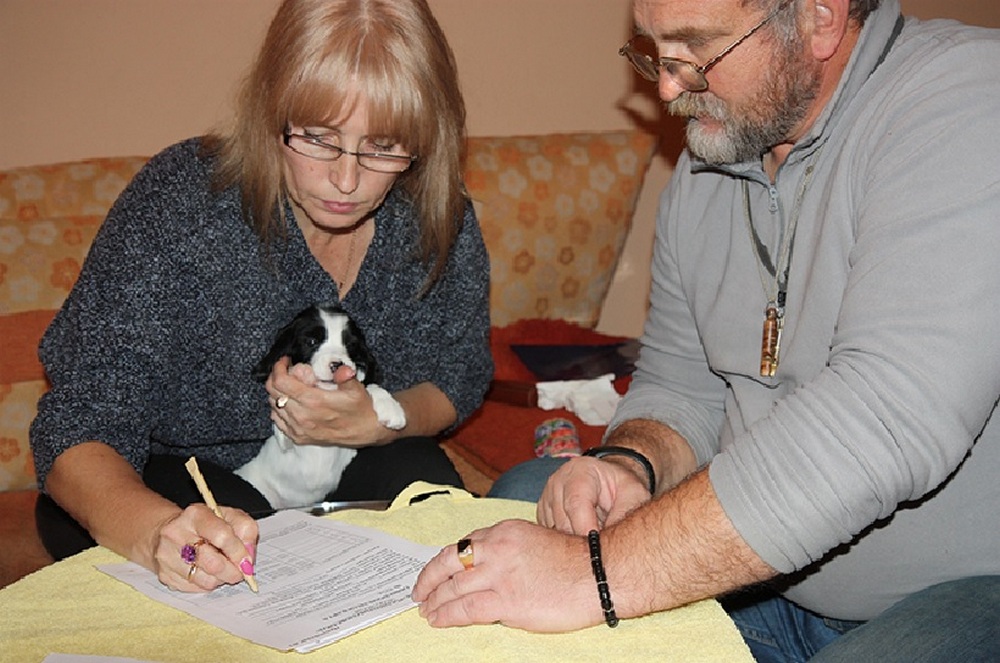
The procedure is carried out in several stages:
- visual examination to identify defects visible to the eye;
- measurement of body weight and height;
- assessment of the correctness of the bite;
- identification of tail kinks.
If a chronic disease is traced in the pedigree, a more thorough examination is carried out, which includes checking the veterinary card, diagnostics of smell, hearing and vision.
In addition to the puppy's information, the birth certificate also includes details about the mother and the litter's living conditions. The process concludes with each puppy being microchipped or tagged with a unique number. Puppies found to have a defect are marked as a breeding fault. The expert collects the documents, and the owner is left with a litter record containing information about all the offspring.
Assigning a nickname
The dog's full name is entered into the official document. It must be no more than 29 characters long and must combine the dog's nickname and the club name. The first letter is assigned by the kennel club director – usually related to the mother's nickname or the litter number. The dog's name cannot be changed later, but a shortened or simpler version can be used at home.

Certification is crucial for the future of a growing pet. If the owner plans to show the dog in championships in the future, an examination is mandatory. An animal with unconfirmed purebred status is disqualified. matings With the club's elite representatives. Even if the puppy is sold, the breeder will lose approximately half the amount due for an excellent pedigree and compliance with conformation standards.
Read also:
- Blood sampling for dogs at home: cost
- MRI of the brain in a dog: what is the procedure for and how much does it cost?
- Ritis coefficient in dogs


Add a comment