
Akita Inu (Japanese Akita) is a breed of dog
The Akita Inu is a beautiful dog with a fascinating history, gaining incredible popularity worldwide after the release of the film "Hachiko." Representatives of the breed have a striking, eye-catching appearance and excellent guarding qualities, developed over centuries. If you're considering adopting an Akita Inu puppy, we recommend thoroughly familiarizing yourself with the specifics of caring for these dogs, as dog handlers unanimously agree that the Japanese Akita is not a breed for beginners.
Content
Breed characteristics
- original title – Akita-inu;
- origin – Japan (Akita Prefecture);
- weight – K(60-70 kg), C(50-60 kg);
- height – K(64-70 cm), C(58-64 cm);
- life expectancy – from 10 to 12 years;
- character - complex, independent;
- appointment – companion, hunting, guard.
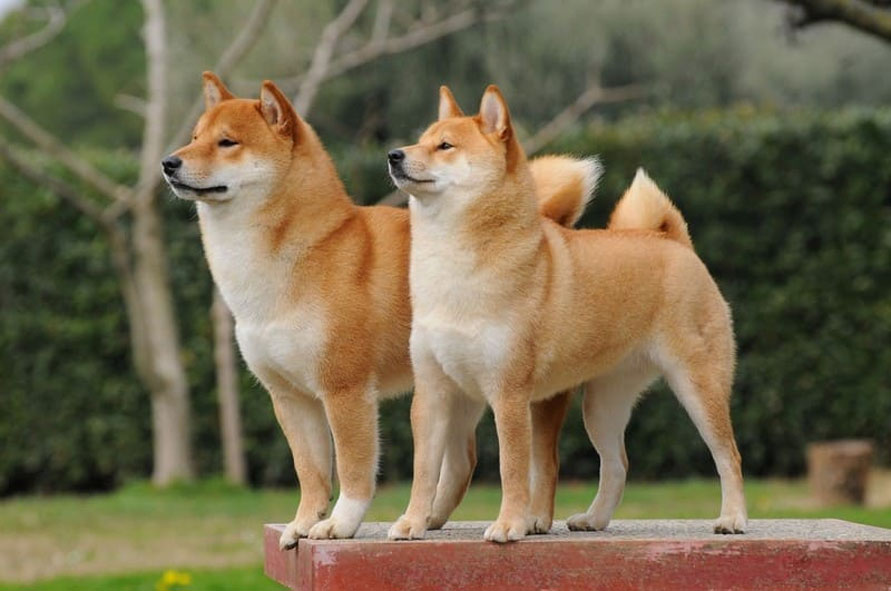
Based on official data and owner reviews, the following characteristics of the Akita Inu breed were compiled:
|
Low level |
Intermediate level |
Above average |
High level |
|
health difficulty of care noise in the house trainability |
intelligence friendliness attitude towards loneliness |
aggressiveness molting |
activity cost of maintenance security qualities |


Origin
The Akita Inu, also known as the "Japanese Akita," is one of the 14 oldest breeds on the planet. This dog's character and appearance were shaped over centuries in the north of Japan's largest island, Honshu.
Archaeological excavations confirm that the Akita's ancestors have lived in this region for at least 4,000 years, but the breed's history undoubtedly goes back even further.
The main occupation of the Ainu people who inhabited Akita Prefecture was hunting large animals such as foxes, deer, wild boars, bears, etc., so originally large and strong dogs called Matagi-inu, were bred for hunting game. Naturally, the dogs' size, aggressiveness, muscularity, and endurance were prized, which laid the breed's unique foundation.
Human activities changed, and a little later, dogs became in demand not only as hunters but also as guard dogs. A separate line emerged, known as Akita Inu.
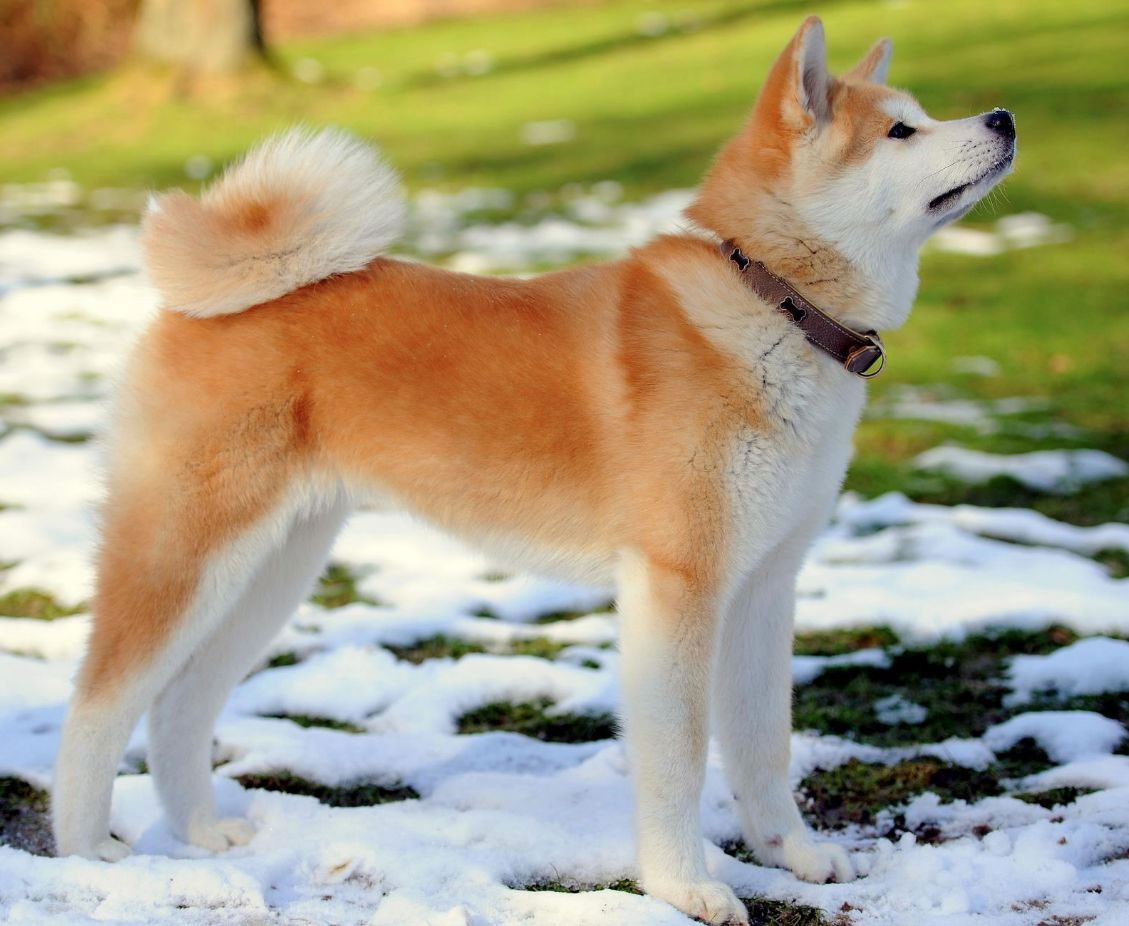
Dog fighting began in Japan in the 12th and 13th centuries. Owners of fighting dogs Adate-inu Over the course of many centuries, aggression and endurance have also been cultivated in representatives of the breed, just like in their hunting ancestors.
In the mid-19th century, other fighting breeds (primarily Mastiffs and Bullmastiffs) began to be imported to Japan, as well as attempts to crossbreed Japanese dogs with the largest and most aggressive European fighting dogs. As a result, the breed gradually began to lose its distinctive characteristics. In the 1930s, Japanese dog breeders expressed concern, banned crossbreeding of the Japanese Akita with other breeds, and began efforts to revive the original Akita-inu. Furthermore, in 1931, nine of the breed's best specimens were designated "Natural Monuments."
Today, the Akita Inu retains its guard qualities, but is more often used as a companion dog. It holds a special place in the culture of the Land of the Rising Sun and is proudly called a "treasure of Japan." The Nippo organization has included the breed in the list of six indigenous Japanese breeds, whose breeding is strictly controlled to preserve the authenticity of their appearance: the Akita, Kai, Kisyu, Hokkaido, Kikoku and Shiba.
The Akita Inu breed appeared in America after World War II. American soldiers stationed in Japan admired the Akita Inu's appearance and guarding qualities and took these dogs with them when they returned home.
As a result, two branches of the breed were formed:
- authentic (Japanese), in which they try to preserve the original qualities and exterior of ancient Japanese dogs;
- American, which resulted from crossing the Japanese Akita with the German Shepherd (to improve guard qualities) and the Mastiff (to improve fighting qualities).
Exterior (external data)
Japanese Akita Inu
The authentic Japanese Akita Inu dog belongs to the Spitz family.
The FCI classification system sets the following characteristic features for an adult:
|
Size |
large |
|
Physique |
strong, muscular |
|
Balance of withers to body length |
10:11 |
|
Head |
large, proportional |
|
Forehead |
wide, with a groove in the center |
|
Muzzle |
moderately long |
|
Nose |
large, black (minor pigmentation is allowed) |
|
Eyes |
small, triangular, always brown |
|
Ears |
small, triangular, tilted forward |
|
Neck |
thick, muscular (without dewlap) |
|
Back |
strong, straight |
|
Breast |
deep and powerful, with moderately sprung ribs and well developed forechest |
|
Stomach |
pulled up |
|
Paws |
powerful, thick, with heavy bones |
|
Tail |
set high, twisted into a donut |
|
Wool |
dense, short, three-layered |
|
Undercoat |
soft and thick |
Akita Inu colors can vary:
- red-fawn (considered classic for Japanese dogs);
- sesame (similar to red fawn, but there is a black tint at the ends of the red hair);
- brindle;
- white.
Important! The first three colors require the presence of "urajiro" (patches of white fur located on the cheekbones, sides of the muzzle, lower jaw, front of the neck, inside of the body and legs, and outside of the tail).
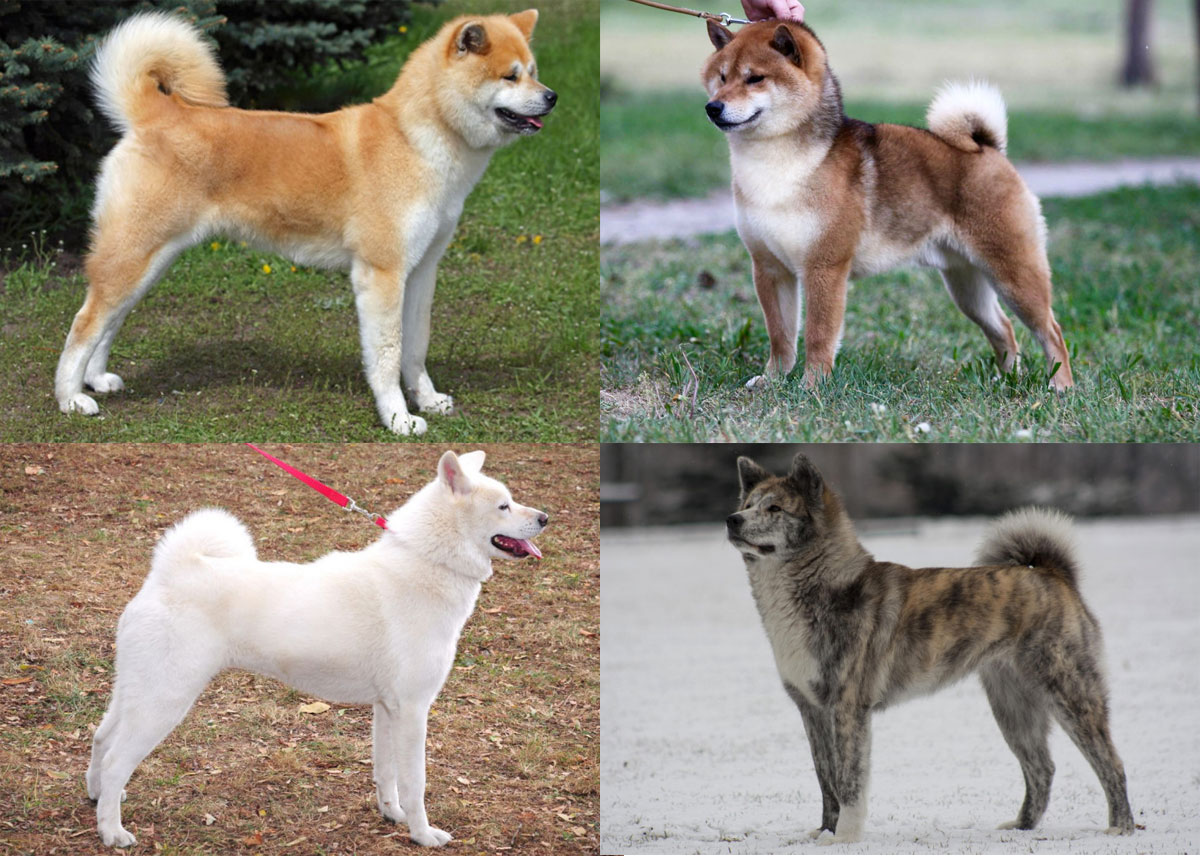
Please note that a white Akita is recognized by the standard, but a completely black Akita is not included in the breed classification. A dark mask on the muzzle is also considered a fault.
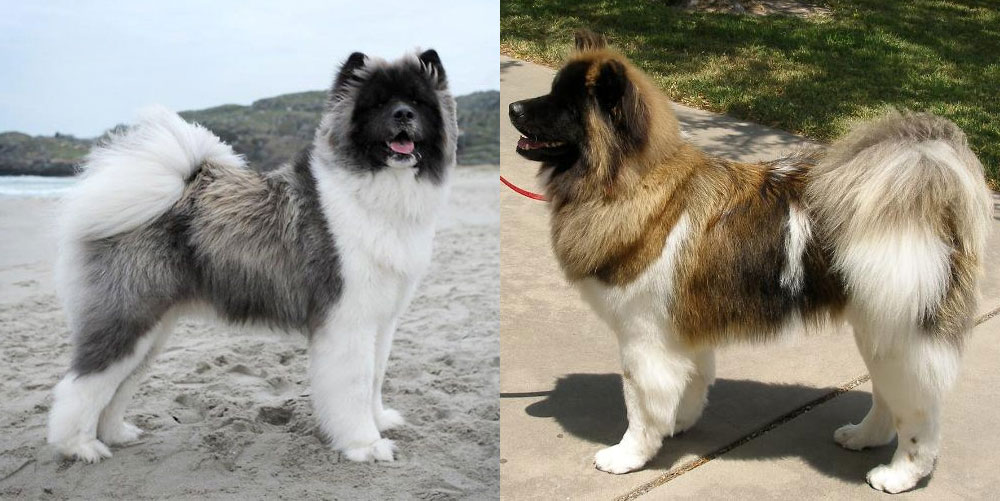
Long-haired puppies are uncommon in the classic Japanese line of the breed. They are extremely rare, as this trait is caused by a recessive gene, originally obtained through crossbreeding with long-haired breeds, and breeders try to minimize the occurrence of such dogs.
American Akita Inu
Following the ban on exporting dogs of the authentic breed from Japan, the American branch of the breed took a separate development path. Since this dog genetically carries not only the qualities of the classic Akita but also traits derived from Mastiffs and Shepherds, some characteristics of the American type differ from those specified in the Japanese Akita standard.
Yes, according to the standard American Akita has:
- more massive skeleton (an adult dog can reach 65 kg and 71 cm at the withers);
- bear-type head;
- absolutely any color variations, including a dark mask on the face, spotting and various tiger variations;
- two-layer (short or long) wool;
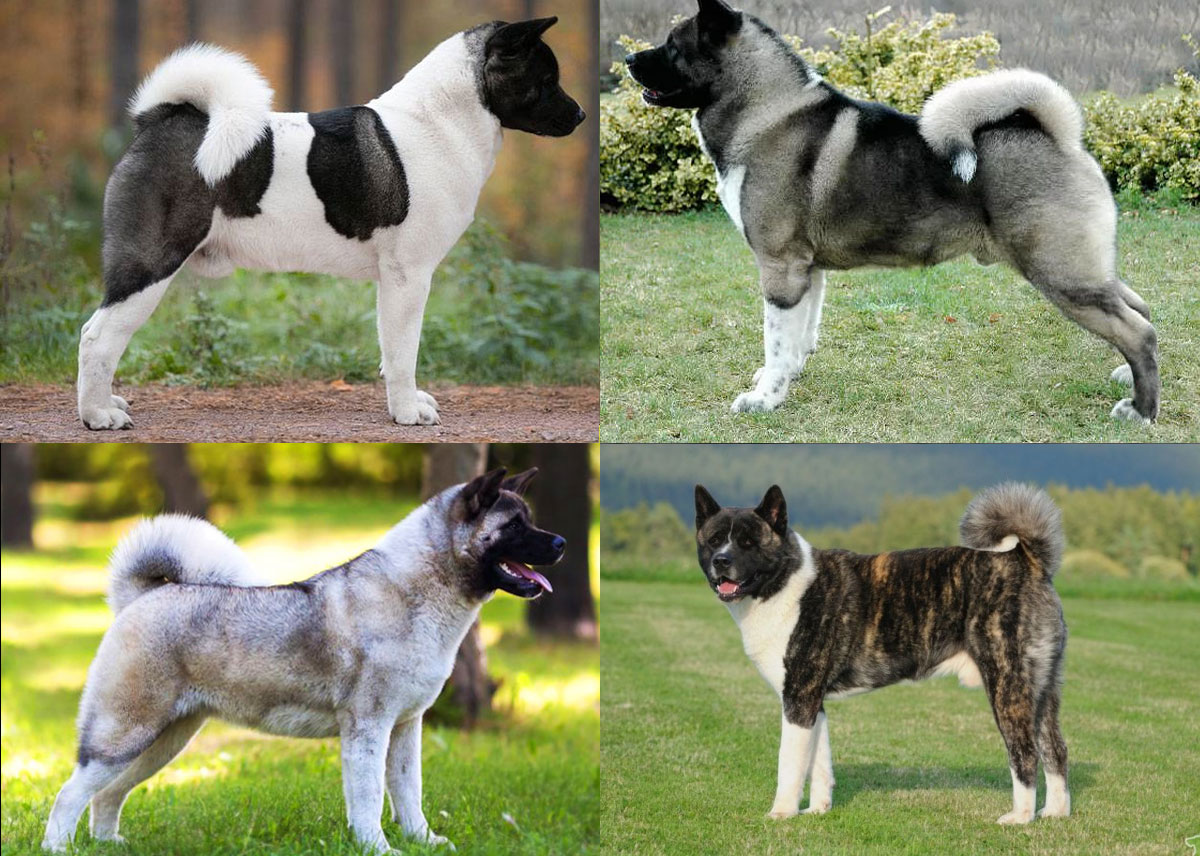
For American-type dogs, long hair is not a fault. In the US, such specimens are allowed to compete in shows and are used for breeding.
We invite you to take a look at the photos to see what long-haired Akitas of American breeding look like.
Character
As a rule, a dog's character is formed based on several factors:
- genetically determined characteristics (read the section on origins);
- the conditions in which the pet is kept, its environment;
- the level of training and the amount of attention the owner devotes to raising the dog.
Akita Inus are a versatile and diverse breed. They can be loyal and devoted companions, reliable guard dogs, and fearless hunters.
However, when planning to get an Acti puppy or bring an adult animal into your home, it's important to understand that most representatives of the breed have the following character traits:
- developed sense of hierarchy (if the dog does not consider the owner to be the leader, it will strive to take a dominant position);
- independence (without mutual understanding between the dog and the owner, it can be difficult to achieve compliance with requirements);
- high activity and craving for space (dogs are playful, love to run and require a lot of daily physical activity);
- learning ability (Akitas are capable learners if training is based on mutual trust and respect for the owner);
- tenderness and patience (a dog can get along with a child, but on the condition that it does not see him as a competitor for the owner’s love);
- loyalty (if a close, trusting relationship is established between the owner and the dog).
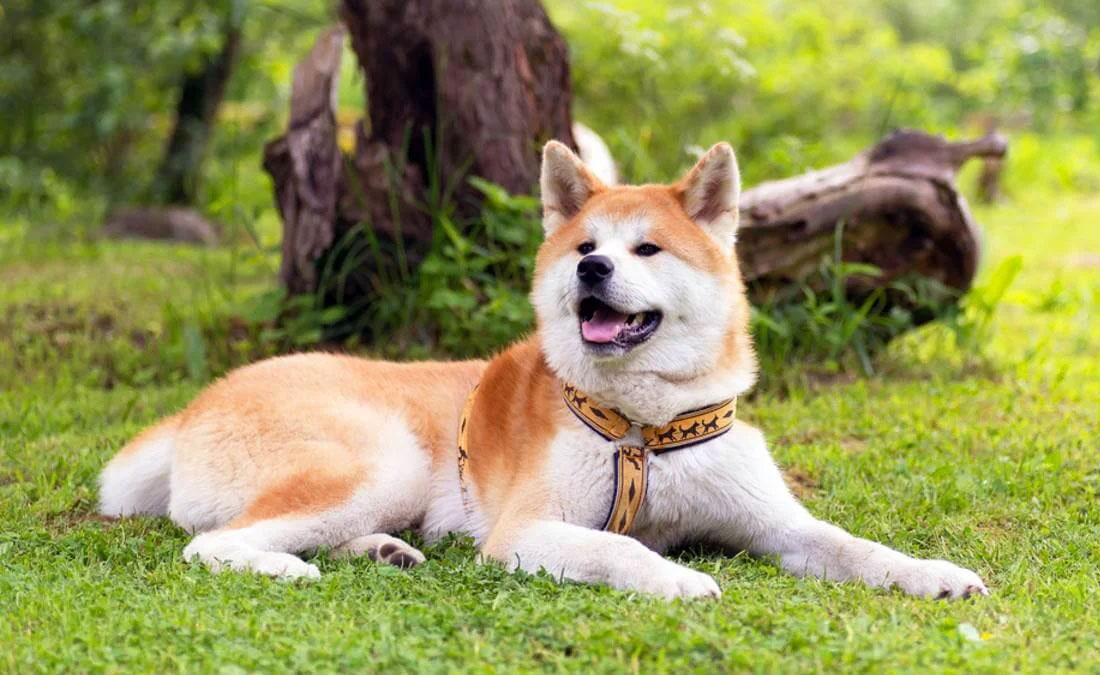
Dogs generally get along well with adults in their owner's immediate circle, but are wary and distrustful of strangers. It's more difficult to introduce an adult dog to another pet in the confined space of an apartment. If a puppy is brought into a home with another dog, it may adapt and establish a bond, although it will likely be dominant.
It is not recommended to bring an adult Akita into a home with other animals. Friendship is unlikely, and given their size and genetically predisposed aggressiveness, competition for territory and the owner's attention can be very fierce.
Content Features
Thanks to its warm coat, the Akita Inu will feel great in a kennel, although it can also live well in a city apartment, if the room is large enough to accommodate a dog of this size.
An important part of a pet Akita's life is long, active walks twice a day and regular training.
Owners note that these dogs are quite quiet. With proper training, loud barking or howling will certainly not bother neighbors. However, if a dog lacks attention and exercise as a puppy or teenager, it may become addicted to destroying property. This tendency is more difficult to eradicate than it is to prevent with adequate attention and proper training.
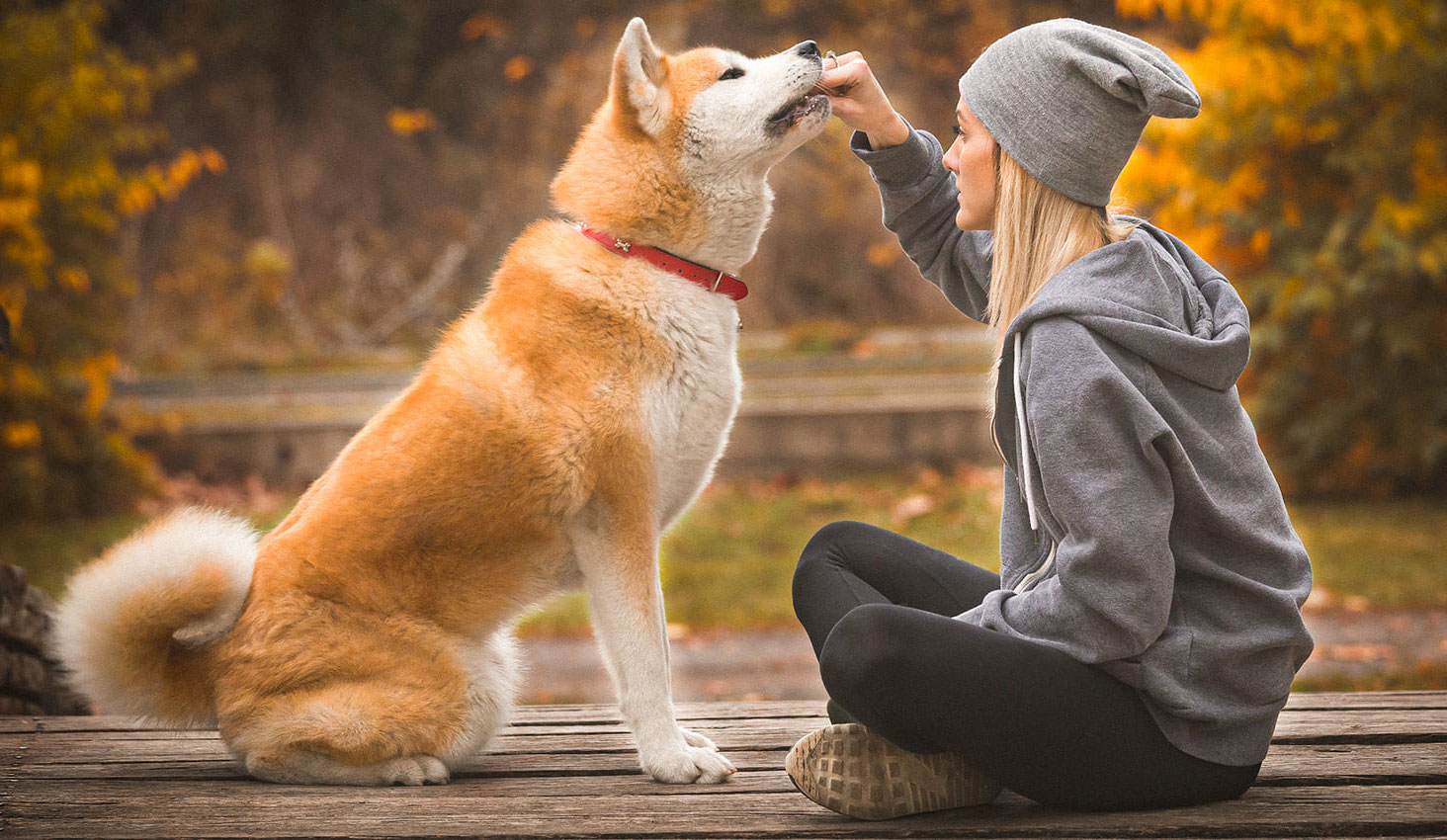
The Akita has a fairly thick coat, so it requires proper care:
- bathing no more than 2 times a year;
- combing at least once a week;
- daily combing during the shedding period (January-February and May-June);
- The procedure " will help simplify the careexpress molts", which is carried out in salons.
Constant shedding in dogs living in apartments may be caused by air that is too dry during the heating season.
Training
Training must begin from the day the Akita Inu puppy appears in your home.
The basics of a comfortable dog's life in your family are:
- strict hierarchy (the owner is the leader);
- unquestioning obedience (willingness to give the owner a favorite toy or treat on command);
- the dog's understanding of its place in the house (provide your pet with a comfortable bed and a place to eat);
- communication with all family members (this will prevent aggression in the future);
- socialization and acquaintance with the outside world.
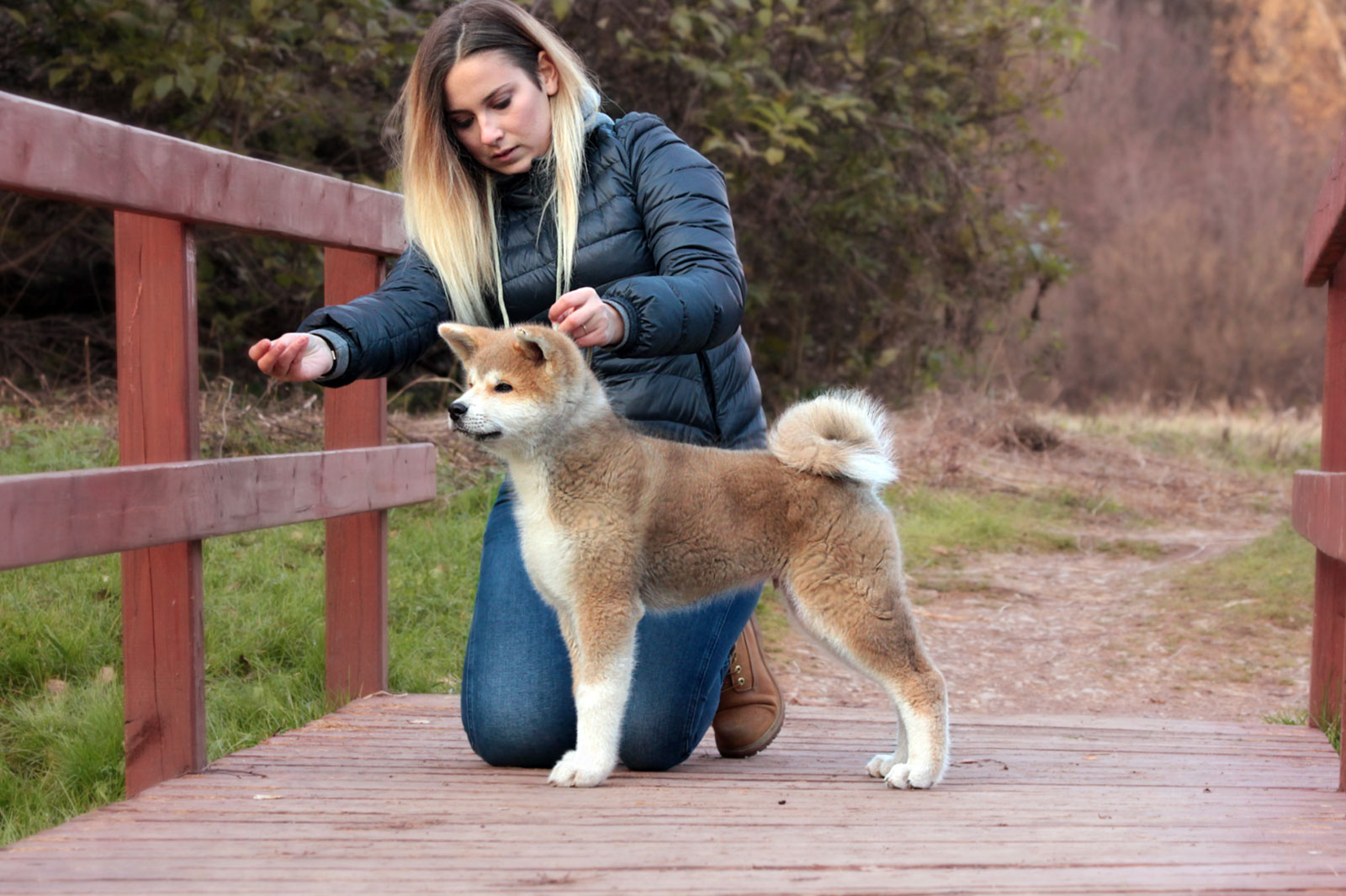
Remember that the foundations of a dog's character are laid at an early age. If a puppy doesn't receive proper training by 4 months and doesn't learn the rules of family life by 7 months, it will be extremely difficult to correct its behavior as an adult. If your puppy shows signs of aggression, stubbornness, or disobedience, it's important to contact experienced dog trainers as soon as possible to correct these unwanted behaviors.
Health
Puppies born to healthy individuals of the breed through planned matings are most often healthy. However, the sale of puppies outside of club ownership also occurs in Russia, so it's important to be aware of a number of genetic diseases that can manifest in puppies if their ancestors were carriers of an undesirable condition.
Among the most frequently diagnosed diseases (hereditary and acquired) in representatives of this breed, veterinarians note:
- various forms of allergies;
- hip dysplasia (typical for many large dog breeds);
- hypothyroidism;
- von Willebrand disease;
- pseudoparalytic myasthenia;
- sebaceous adenitis;
- bloating;
- entropy;
- cataracts, glaucoma and retinal atrophy.
Where to buy a puppy
If you've decided to buy an Akita Inu puppy, we recommend contacting one of the Russian kennels specializing in breeding this breed:
|
City |
Name of the nursery |
Federation |
|
Moscow |
Vanko-Biyori |
RFLS |
|
Less's Fantasy |
RFSS |
|
|
OOKAMI |
OANKOO/Elite |
|
|
Elmonte's |
OANKOO/RKK |
|
|
Saint Petersburg |
Amaterasu Hana |
RFLS |
|
From the parental home |
RFSS |
|
|
Yekaterinburg |
Lurua Düring |
RFSS |
|
From the Star of Grzessika |
RFLS |
|
|
Krasnodar |
DideRusui |
OANKOO/RKK |
|
Barnaul |
Prestige of the Nation |
RFLS |
|
Novorossiysk |
CHINSHOU |
RFLS |
|
Rostov-on-Don |
From the Don flock |
RFOS |
|
Samara |
Victory of Heaven |
RFLS |
|
Sochi |
KINBOSHI |
OANKOO/RKK |
When purchasing a puppy in Moscow, St. Petersburg, or any foreign breeder, it's important to know that you have the right to visit the seller and choose a puppy from several options. Don't buy an animal from a photograph, as you won't be able to assess its health and activity level.
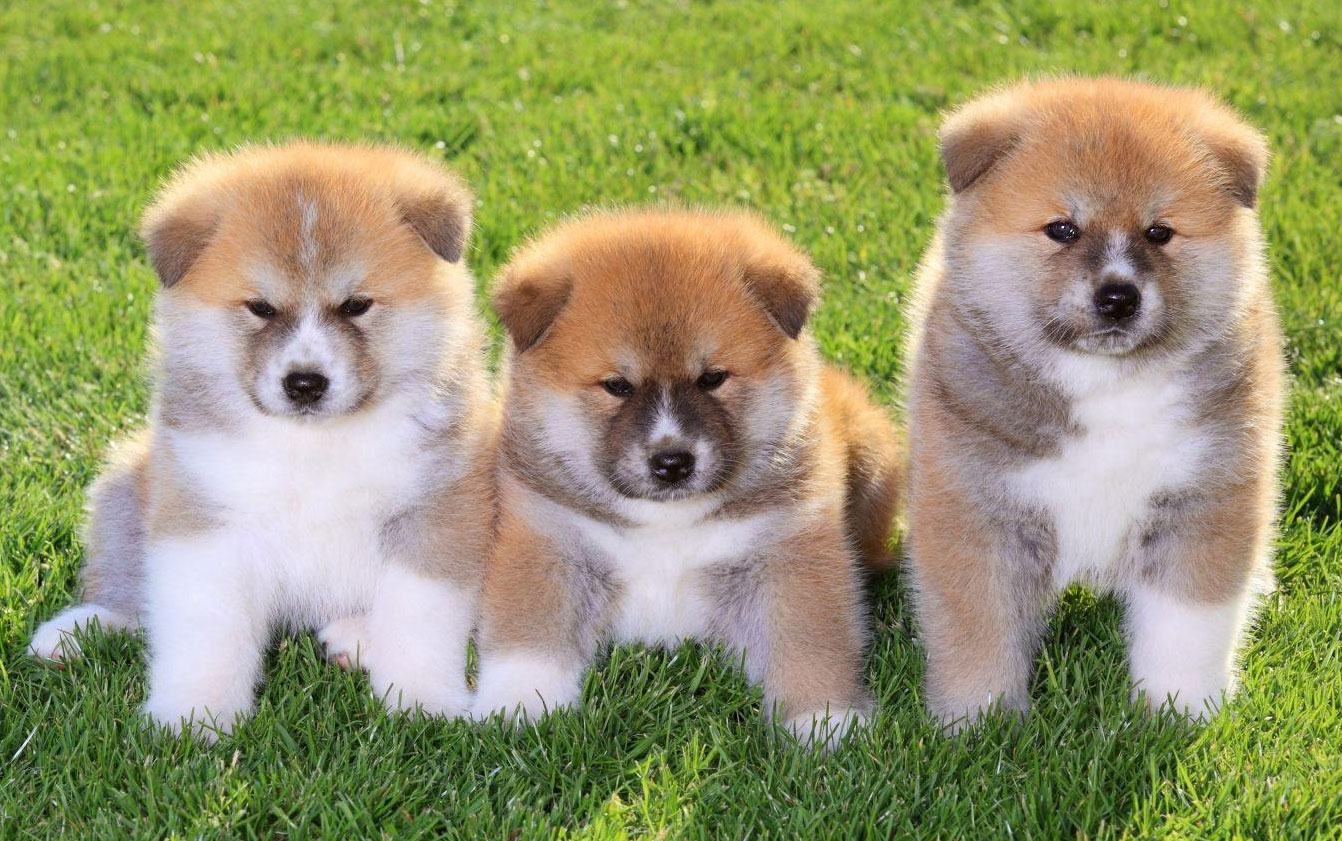
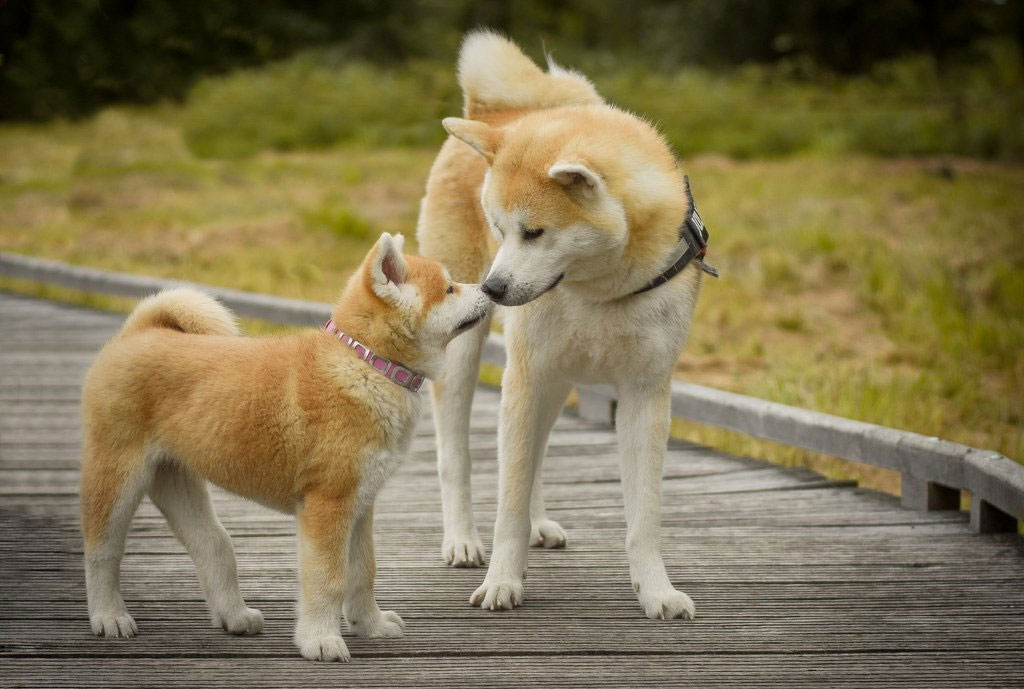
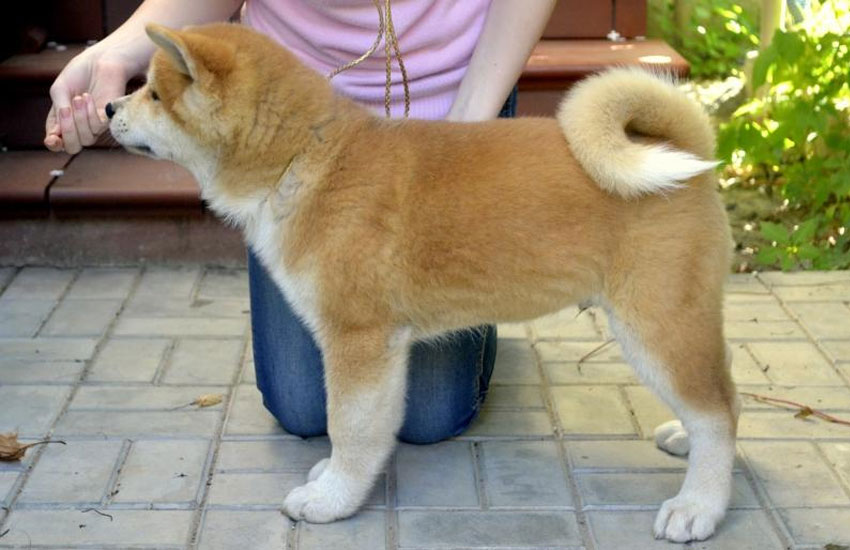
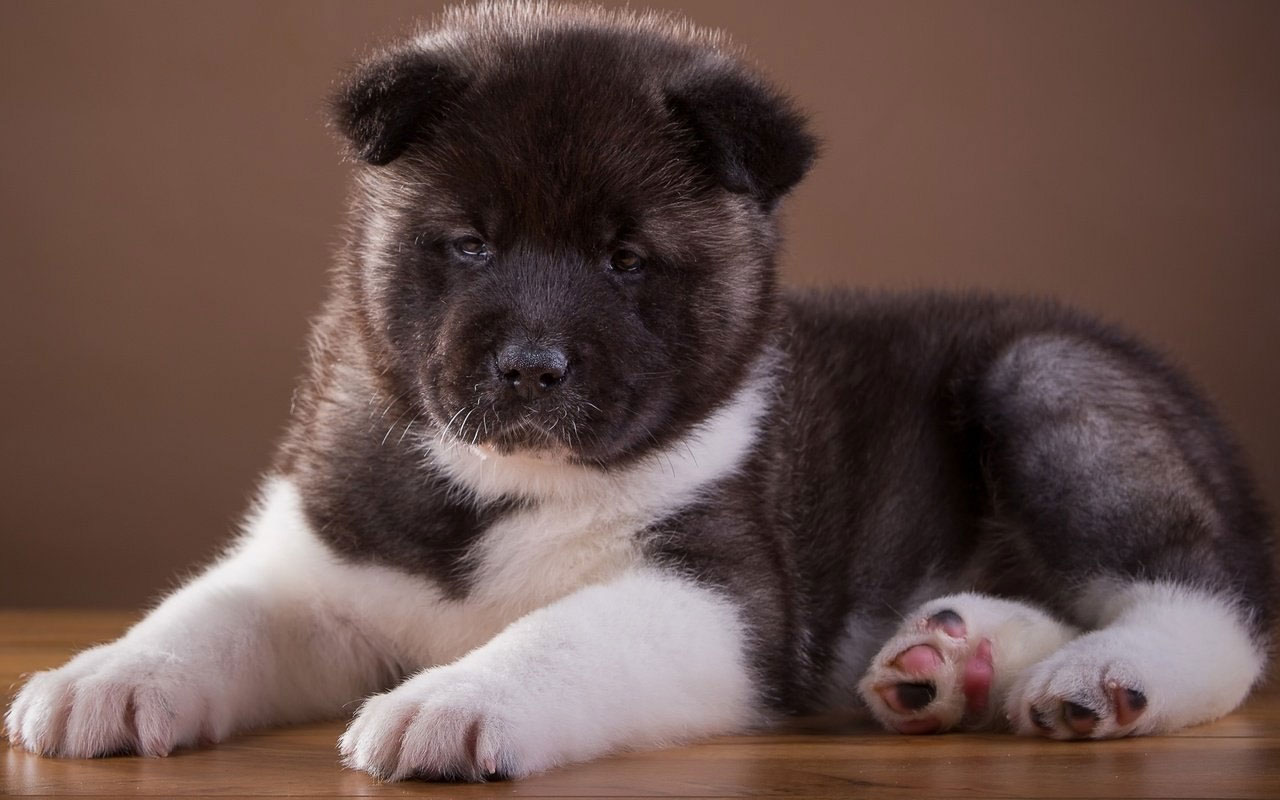
We invite you to look at the photo to see what a healthy Japanese Akita puppy looks like at 2-3 months of age (optimal for weaning).
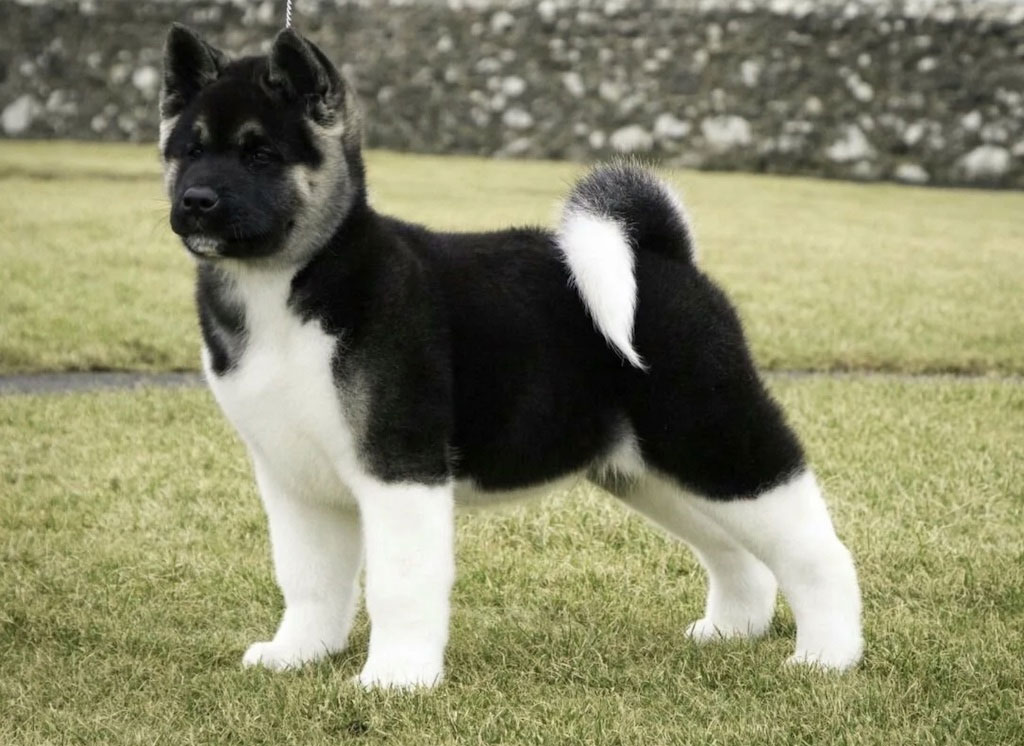
This is what an American-type baby looks like.
Don't think the kennel only offers very expensive puppies. All puppies are divided into three classes:
- pet class – babies from famous producers that have certain defects that deprive them of a show career;
- ordinary - obtained from parents with a pedigree, having exhibition potential, but not particularly outstanding among their fellow tribesmen;
- Elite babies are babies obtained from the best representatives of the breed and possessing special qualities that promise to receive high titles and awards.
The price of a puppy can vary in rubles from 60,000 for a pet-class baby to 230,000 for an elite representative of the breed.
Video about the breed
Read also:


Add a comment