
Affenpinscher
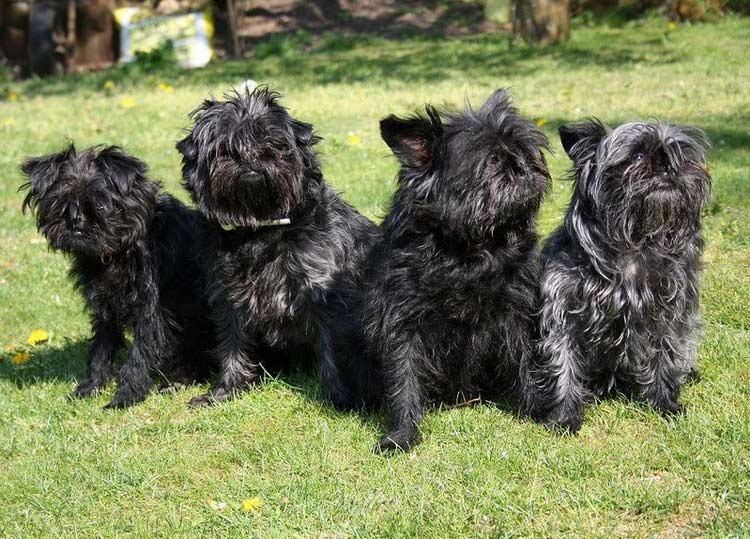
Affenpinschers are small, energetic dogs with a distinctive appearance. In their native Germany, they are called "monkey dogs" due to their distinctive facial structure, curiosity, and habits. In France, they were nicknamed "little black devils," denoting their activity, stubborn nature, and unique appearance. Affenpinschers were once excellent rat and mouse hunters. While such workers are no longer needed, the breed hasn't faded; on the contrary, it has evolved and acquired new qualities characteristic of companion dogs.
Content
History of origin
The breed's history spans centuries. In the Middle Ages in Germany, many farmers bred energetic little hunters for the home and farm, capable of skillfully catching rats and mice. Later, these dogs were also popular in cities. They were undemanding in maintenance, ate little, and destroyed rodents fearlessly and tirelessly. Scraps of surviving evidence suggest that Affenpinschers descended from Schnauzer-type farm dogs. The breed's development involved pugs, silky and German pinschers, and later Belgian Griffons.
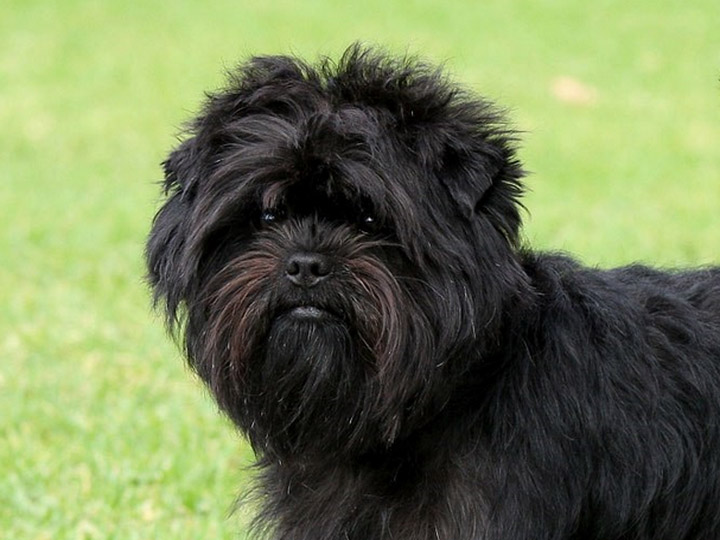
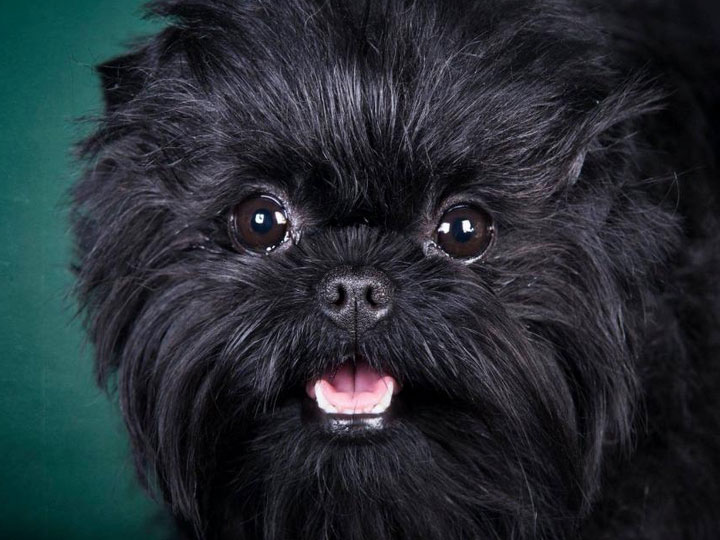
There's nothing mysterious about the breed's name. The word "Affen" translates from German as "monkey." The primate features are obvious: a short muzzle, dark eyes, a small nose, and short jaws with a prominent lower lip. Pinschers — a group of breeds, which were bred for guarding and catching rats.
The first Affenpinscher standard was developed in 1902. It was finally approved in 1913, and in 1936, the breed was first added to the British breeding register. However, it's worth noting that numerous attempts to import dogs to the United Kingdom and popularize the breed were unsuccessful. Affenpinschers were brought to the United States from Germany in 1935, and just a year later, the breed was recognized by the American Kennel Club.
Affenpinschers' numbers dwindled significantly after World War II. The breed virtually disappeared, but by the mid-1950s, enthusiasts were able to revive the population. The emphasis was on correcting shortcomings, bringing them closer to the temperament of toy dogs, and improving their appearance. Dogs with good black characteristics were used in the breeding process. It wasn't until 1992 that international cynological organizations recognized the Affenpinscher breed as having reached a level worthy of championship competition, but it never achieved widespread popularity.
Video review of the Affenpinscher breed:
Appearance and standards
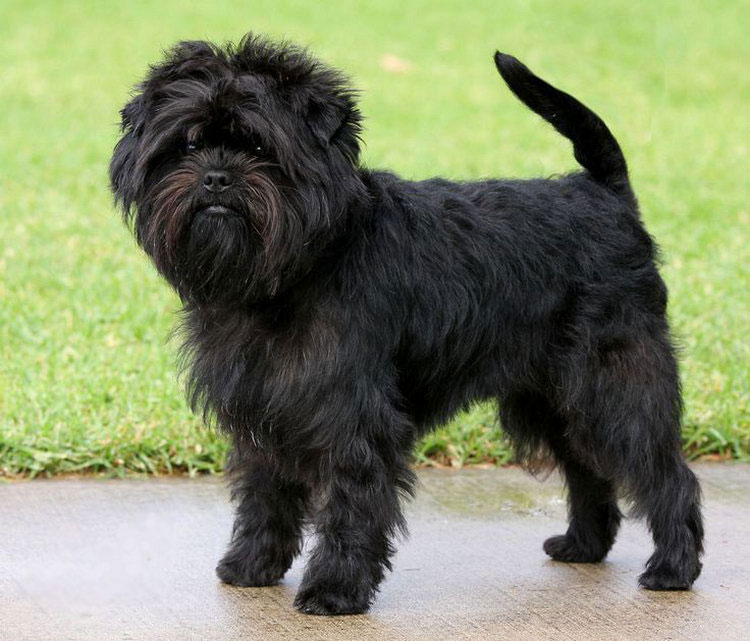
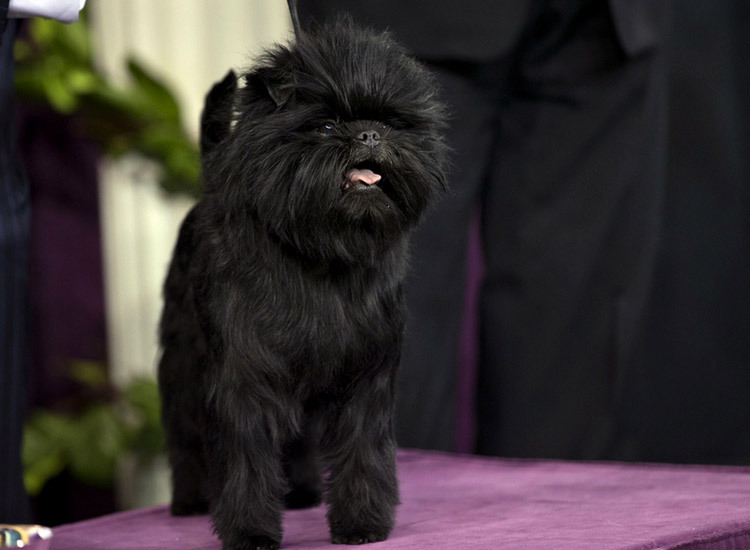
Affenpinschers are small, strong, harmoniously built dogs with a square frame and a dry constitution. They are very agile. Their bones are fine, and their muscles are moderately developed. Sexual differences are well-defined, with males being larger and more masculine than their lighter females. They stand 25-28 cm tall and weigh up to 6 kg.
Head and muzzle
The small head is set high. The forehead is broad and convex. The stop is not pronounced. The muzzle is short, not too wide, and tapers slightly toward the nose. The eyes are well filled out. The upper jaw is slightly shorter than the lower jaw, which emphasizes the rounded chin. The lines connecting the nose and the eyes form an equilateral triangle. The ears are small, set high, erect or semi-erect, and turned forward. The eyes are medium-sized, rounded, set straight and low, and set wide apart. The eyelids are pigmented. The teeth are small but strong. The bite is tight undershot. When the jaws are closed, the teeth should not show.
Physique
The neck is short, almost straight. The back is strong. The topline is level. The loin is short, slightly arched. The croup is rounded. The chest is broad and strong with round ribs. The belly is moderately tucked up. The front and hind legs are set under the body, straight. The paws are small. The claws and pads are black.
Not long ago, the standard called for docking of ears and tails. Today, such modifications offer no advantage at shows. Moreover, they are banned in many countries, so breeders and owners are increasingly less likely to crop their pets' ears and tails.
Coat and colors
The Affenpinscher's coat consists of a soft, dense, short undercoat and wiry guard hairs of varying lengths across the body. On the body, the hairs are approximately 2.5 cm long, while on the neck, chest, head, stomach, and limbs, they are longer. On the head, the hair forms the eyebrows, mustache, and beard. A small ruff may be present on the neck.
According to the standard approved by the FCI, to which the RKF and many other European clubs are subordinate, the Affenpinscher can only be of one color - black with a black undercoat.
Character and psychological portrait
These dogs are distinguished by a truly Pinscher-like attitude toward life. They are by no means couch potatoes; they bark, frolic, and run around a lot, eager to prove to everyone that they are true family members and protectors whose opinions are worth respecting. Affenpinschers are intelligent and independent, curious and adventurous, agile and very courageous, and sometimes even bold. Therefore, owners should be careful that their little fighter doesn't decide to attack a larger companion. Their character is characterized by fearlessness, vigilance, and stubbornness. Another negative trait is greed and an excessive protective instinct. They are very jealous of their food, bedding, and toys, and will fiercely protect them even from their own kind.
Affenpinscher dogs are generally affectionate, obedient, and very loyal among family members. They will defend their home, family, and property with all their might. They are wary of strangers and will alert you to unusual sounds or the approach of guests with a loud bark. They adapt easily to new conditions and surroundings. They rarely get along with small rodents, birds, and cats. They may also coexist peacefully with another dog.
Most Affenpinschers have funny habits, such as throwing toys into the air or picking them up with their front paws and walking on their hind legs, or sitting on their backs with their hind legs extended.
This small, energetic creature will bring a lot of joy to families with older children and to young, moderately active people. If you have very young children in the house, getting a Pinscher is not recommended, as they may be intolerant of children's affection and may even bite. An Affen can be very tiring and active for older people.
Training and exercise
Many Affenpinscher owners consider their dogs to be dwarfs and mistakenly believe they don't require training. Training is further complicated by the fact that Pinschers can be stubborn and independent, making it difficult to achieve exceptional obedience. To achieve results, you need to find a special approach, engage the puppy, and become an authority figure. Affenpinschers learn commands and rules fairly quickly, but aren't always willing to follow them, especially if they don't fit into their plans.
Teaching commands and basic rules of behavior at home and outside will require effort and patience on the part of the owner, but will make life with a dog less problematic.
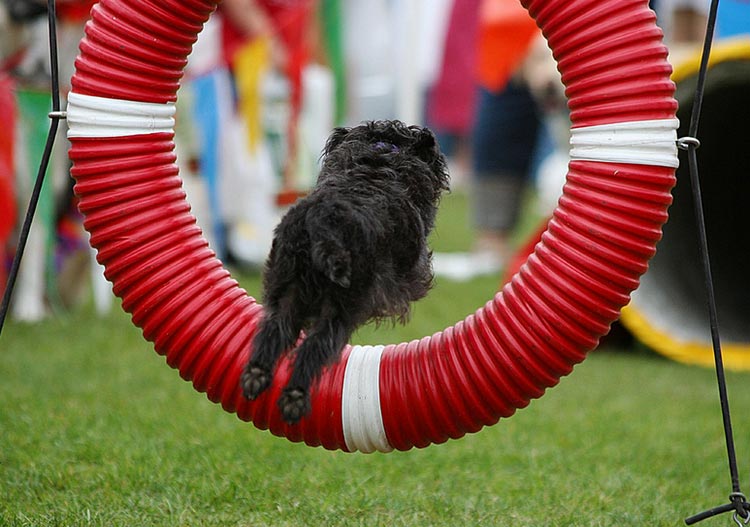
Moderate exercise is required. Affens are curious and energetic dogs who enjoy running for long periods off-leash and are always up for active play, but in bad weather, they're more likely to stay indoors. While they won't make a great jogging or cycling companion, they'll be a loyal companion on long walks.
Maintenance and care
The Affenpinscher should live in a house or apartment; they require constant interaction and close contact with their family. It is not recommended to leave the dog alone for long periods of time. Grooming for this breed is moderately difficult.
Brush your pet once a week. More experienced owners resort to stripping, a technique for manually removing "overripe" hair. This is believed to help maintain the coat's proper structure. The coat should be trimmed periodically, with particular attention to the head. If the dog is not being shown, trimming the entire body is not necessary, but it is advisable to trim the hair in the anal and genital areas.
The goal of grooming is to leave six 2.5 centimeters long hairs on the body, and lengthen them in some places, particularly on the muzzle, to emphasize its shape.
Bathe as needed, usually once a month. Daily grooming is essential to keep the facial fur healthy and beautiful. Shampoos designed for wire-haired black dogs are used. After washing, conditioners or balms appropriate for the breed are applied.
Once a month, the dog's nails need to be trimmed if they aren't worn down to the ideal length during walks. The eyes are washed daily with a special lotion to remove dust, hair, and secretions from the cornea. The ears are cleaned approximately once a week. Oral hygiene is taught from an early age. Special toothpastes and toothbrushes are used for brushing the teeth.
Diet
Dogs eat very little, but they can be picky eaters, making it difficult to provide them with a balanced natural diet. This is one reason why most breeders feed their dogs prepared super-premium or holistic dry food. Food is selected based on the dog's age and physiological condition. It is recommended to adhere to a feeding schedule and not exceed the recommended amounts. Lean meat and various treats are sometimes given as a supplement to the main diet.
Health, disease and life expectancy
Affenpinschers live on average 11-14 years. Most health problems are related to improper maintenance or nutrition, but there are also those that are hereditary:
- Congenital heart defects;
- Cataract (can develop at any age);
- Hip dysplasia;
- Hernias;
- Hypothyroidism;
- Spontaneous degeneration of the hip joint;
- Patellar dislocation;
- Congenital absence of some teeth;
- Sebaceous cysts.
The skull structure suggests potential breathing problems and excessive tearing. Furthermore, Affenpinschers are recommended to be walked on a harness to prevent tracheal damage from the constant pressure of the collar. Vaccinations, deworming, and regular deworming are mandatory to prevent infectious and parasitic diseases.
Choosing a puppy and the price of an Affenpinscher
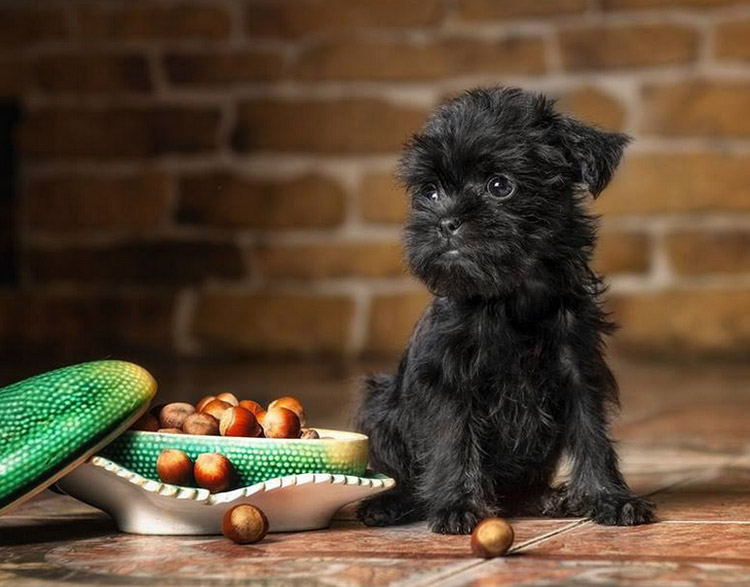
The Affenpinscher is a relatively rare and expensive breed. If you decide to buy a small black puppy, you'll likely have to reserve it in advance and wait. Ads offering puppies for sale at low prices or next to nothing should be treated with caution.
It is better to buy babies of this breed from a professional nursery that carefully monitors their health, living conditions, and the selection of breeding stock.
By 45-60 days old, when potential owners are invited to see the puppies, they are quite independent. They begin to develop individual character traits, and their conformity to the standard can be assessed using a variety of criteria. This is especially important if the dog is intended for show or breeding. The assistance of a breed expert may be needed in making the selection.
An Affenpinscher puppy from a reputable breeder will cost around 100,000 rubles. Puppies born from amateur breedings are usually sold for less.
Photos
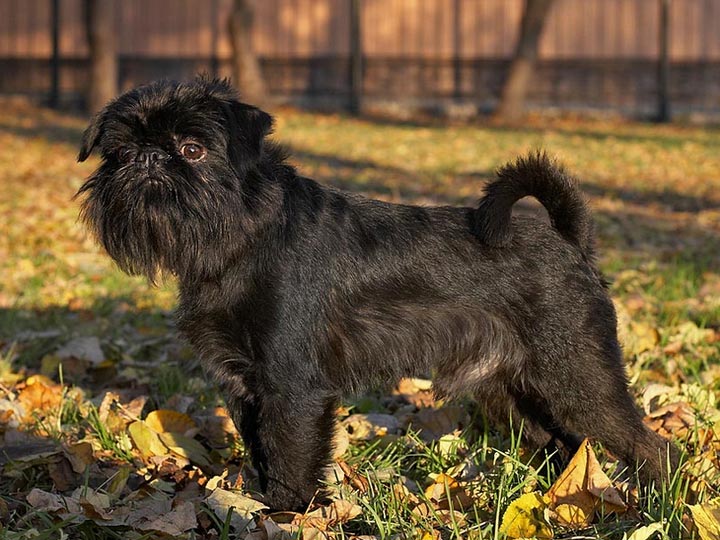
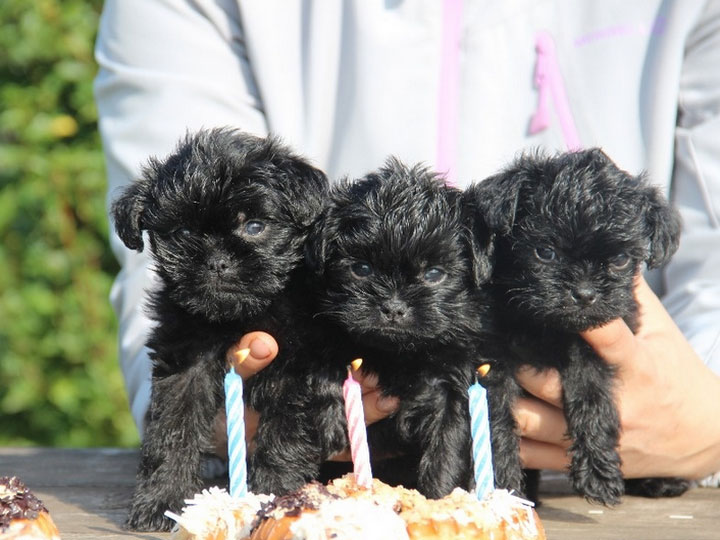
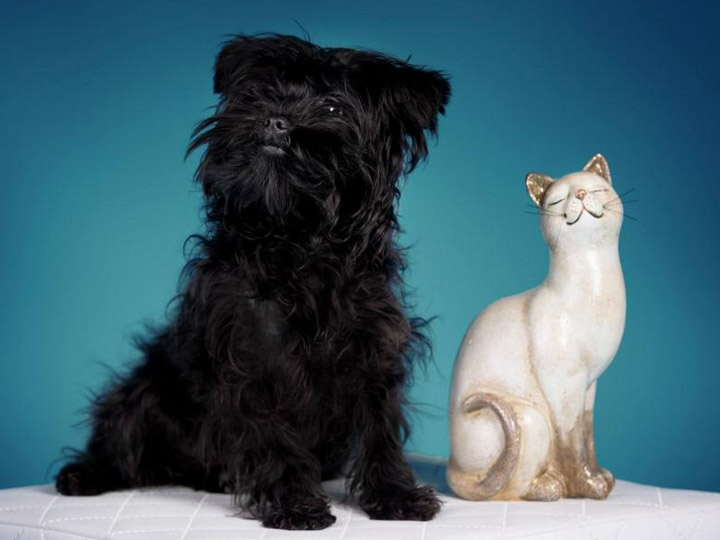
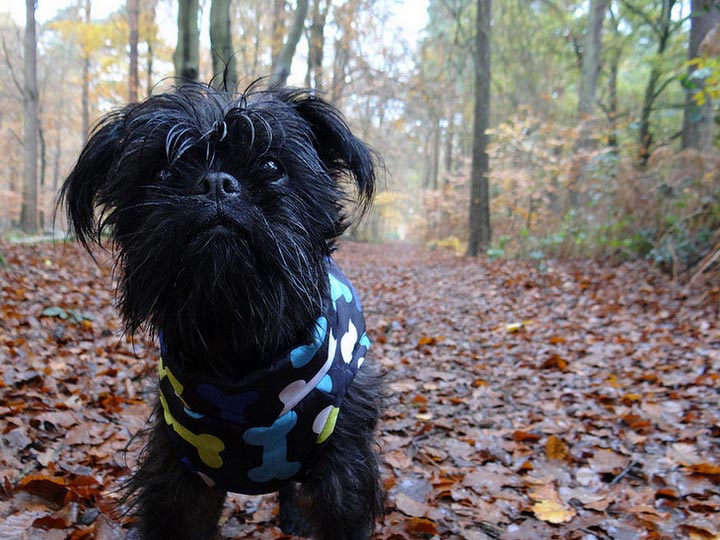
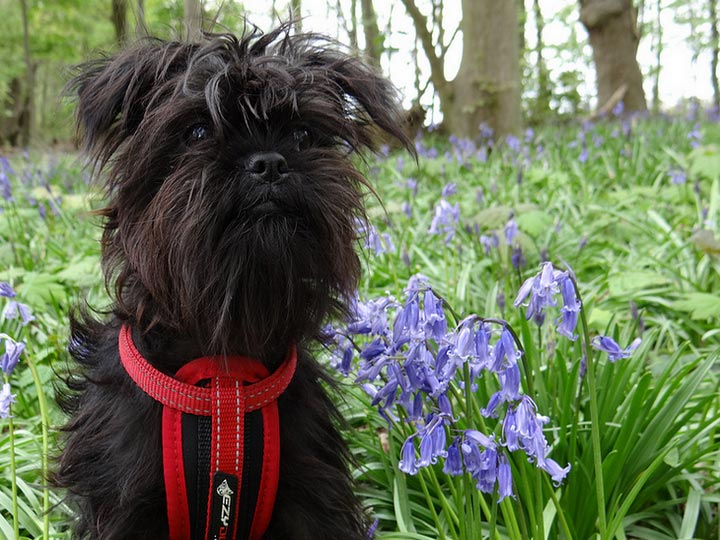
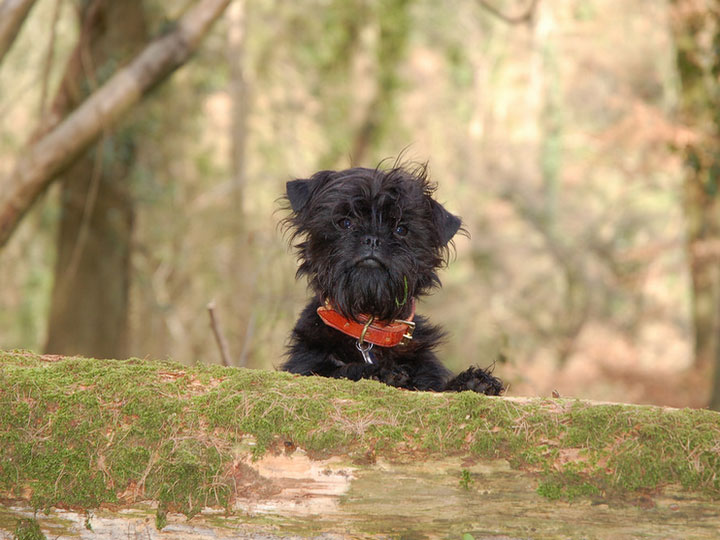
Photos of Affenpinscher puppies and dogs:
Read also:


Add a comment