
Dog agility: what it is and the best breeds
Agility is a competitive sport open to all dog breeds. The winner is determined by the best time on a specially equipped course, which requires participants to demonstrate such skills as obedience, speed, and quick orientation. The English word "agility" translates as "dexterity." The name aptly describes the specific nature of this canine competition.
Content
Historical background
The creator of the trend was John Varley, an equestrian enthusiast and a member of the organizing committee of the Crufts dog show, which took place in the UK in 1978. The organizers' goal was to entertain the public during the break before the judging.
John and his friend Peter Meanwell developed a special performance program, similar to equestrian sports. It featured two teams, each with four dogs and their handlers. The entertainment attracted fans, so the show was repeated the following year. Soon, the Kennel Club officially recognized agility as a new sport.
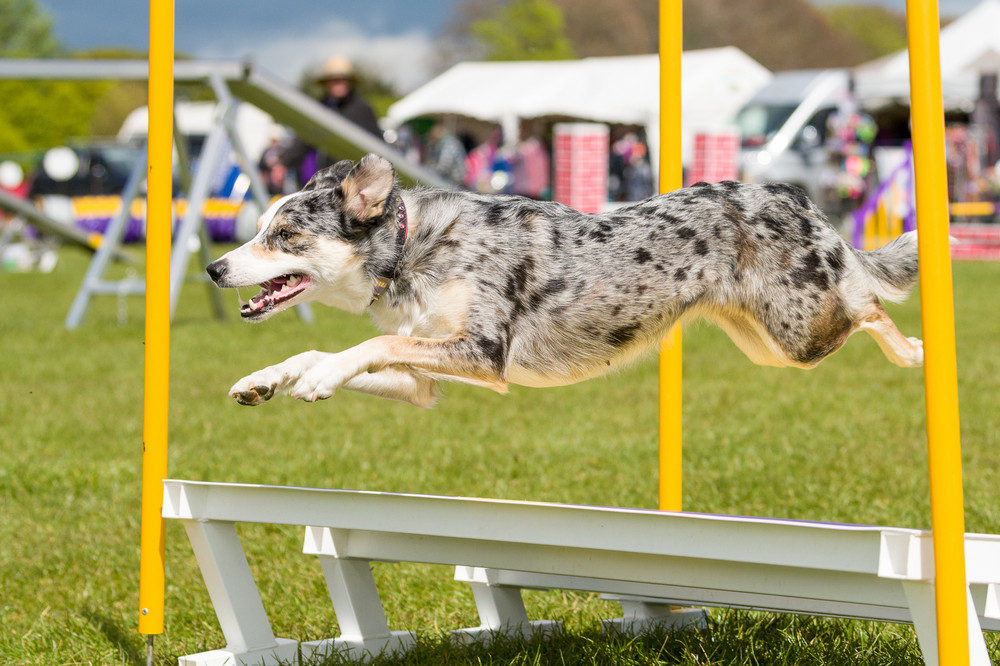
Track and field quickly gained recognition and popularity worldwide. Among the sport's advantages, competitors and fans note the excitement, the spectacle, and the need for coordinated work between dog and owner—dogs will only achieve excellent results after careful training. The sport is developing according to specially developed rules, violation of which can lead to disqualification.
Basic rules
The requirements for competitors are developed by the international organization, the FCI. Rule changes are permitted for championships held within a single country. In Russia, the RKF is responsible for approving amendments submitted by kennel clubs.
Participants' rights:
- The handler can walk along the route in advance and mentally develop the optimal way to overcome it.
- Before the race, the dog's collar and leash, which restrict its movements, are removed to increase safety - excitement can cause injury.
- It is possible to withdraw from the competition independently without stating a reason.
- The route is equipped individually for each breed, depending on the size of the participant.
- To overcome a specific obstacle you are given 3 attempts.
Before the race, the judge talks to the handlers, reiterating the rules and informing them of the time limit and maximum permissible time for the performance. Completing the course is called:
- "complete" if no more than 3 mistakes were made;
- "clean" in their absence.
What is considered a violation of the rules:
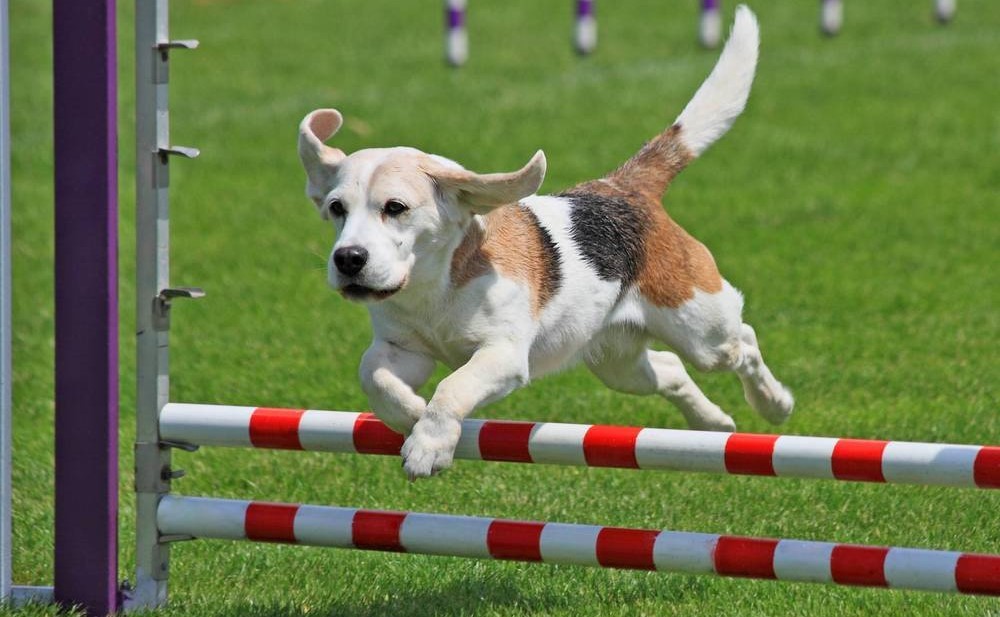
- touching the surface in a non-contact area or no contact in a contact area;
- leaving the route, refusing to obey an order;
- contact with another contestant;
- re-passing the section;
- run in the opposite direction;
- bypass rack;
- knocking down the bar while jumping.
See the table for how penalty points are calculated.
|
Violation |
Number of points per second |
|
Control time exceeded |
1 |
|
The participant passed through the starting gate before the start of the race or the finish line before the end of the performance |
5 |
|
Handler touching a structure or pet |
5 |
|
Knocking down planks, supports, shields, benches |
5 |
|
Refusal of a furry pet to pass the area, incorrect execution |
5 |
|
Touching non-contact structures, no touching on contact structures |
5 |
The judge may decide to disqualify in the event of:
- 3 unsuccessful attempts;
- the owner’s use of objects that help the animal overcome the route - only voice commands, gestures, and glances are allowed;
- aggressiveness towards opponents, spectators, judges;
- disrespect of the handler to the judicial body;
- exceeding the maximum permissible time;
- owner's harsh treatment of the pet.
It is forbidden to use the same commands in different areas. Each area is assigned a unique command word.
Competition classification
In modern agility, there are 3 difficulty classes for dogs in competitions.
|
Jumping |
Who is allowed to participate? |
|
No. 1 |
Purebred and mongrel |
|
No. 2 |
Only for certified agility dogs |
|
No. 3 |
Three-time prize winners |
Dogs that receive an "excellent" rating three times and complete the course flawlessly in the presence of two judges are awarded an FCI class certificate. The judging panel varies for each championship.
The FCI also established competition classes:
- Standard. Classic sports tournaments requiring participants to overcome all three types of obstacles. Beginners compete on a course with 15 obstacles. Experienced athletes are offered courses with a larger number of obstacles—sometimes as many as 22.
- Jumping. The course includes only the launch platform and jumping structures. A slalom or tunnel course may be added. Since there are no contact obstacles, the animals demonstrate excellent speed.
From time to time, local championships are held according to rules that do not comply with those established by the International Cynological Association.
Jackpot, aka Joker
The championship is held in 2 stages:
- During the introductory phase, the animal earns points by performing exercises at the handler's discretion.
- In the final round, participants must overcome several obstacles selected by the judges. In timed tournaments, the winner is the participant who finishes faster than their competitors and makes the fewest mistakes.
Jackpot is considered a challenging championship. During the second stage, crossing a line drawn 3-6 meters along the working area is prohibited. Remote control greatly complicates teamwork.
Snooker
A billiards-style competition, where the animal works with numbered equipment. Typically, the course includes three red jumping structures labeled "1" and six other structures of a different type, labeled "2" through "7." The tournament is also held in two stages:
- During the introductory phase, the participant first navigates one of the red sections, then one numbered "6" or "7." Next, they sequentially complete exercises on the remaining two red obstacles and structures, numbered "2" through "7."
- At the final stage, additional points are gained by overcoming those not yet used in the order of the numbers placed.
Mistakes include knocking down the bars while performing jumps or touching the structures, as well as passing through red sections in a row.
Relay
Several teams of animals and their handlers participate in the tournament. The goal is to complete their section of the course without breaking a sweat and pass the baton to the next pair. Participants in the relay are animals of the same breed or similar size.
Gambler
An exciting tournament game with the goal of scoring the most points within a certain time limit. The owner is responsible for choosing the route. If the animal is not yet fully trained on a particular type of equipment, it can simply go around it. However, the same obstacle can only be overcome twice. Points are awarded for each completed element. Points are deducted for errors.
Time gambler
The master gives orders remotely. The goal is to successfully complete three sections. World and Russian championships in standard programs and jumping are held annually.
Who is participating?
Modern agility is a democratic sport where both purebred and stray dogs can demonstrate their skills. However, there is a selection process that emphasizes the character and physiology required for speedy completion of the course. Therefore, overweight and elderly dogs are eliminated during the preliminary stages or are not allowed to compete.
Pregnant females and pets recovering from illness should also not participate in the program. Puppies under one year of age are prohibited from participating in the program, as there is a high risk of injury to their immature musculoskeletal system.
Furry friends participate in sports competitions, divided into 3 categories depending on their size:
- L – Large. This group includes large individuals. The withers height reaches 43 cm.
- M – Medium. This category includes medium-sized animals, measuring 35–43 cm at the withers.
- S – Small. Height at the withers no more than 35 cm. Competitions for tiny dogs are called "mini-agility."
The route is designed according to the category. The height of the structures must not exceed the standard, limiting the physical capabilities of the four-legged athletes. The championships begin with the S-category competition and conclude with the L-category races.
Although all animals, regardless of aristocratic or mongrel origin, are allowed to participate, only those with a confirmed pedigree can compete for the champion title in Jumping Program No. 3.
Which dogs are considered the best in agility?
Speed and agility alone aren't enough to excel in sports programs. Obedience and a trusting relationship with their owner are essential. These qualities are developed through consistent training. However, there are herding breeds that are especially suited to agility conditions, having been created by nature and refined by humans for close collaboration.
List of dog breeds recognized as the best for agility:
- Shepherd - German, Belgian, Australian;
- Sheltie;
- border collie;
- Terrier - Irish, Jack Russell;
- golden retriever;
- Welsh Corgi;
- English Springer Spaniel.
According to experts, two breeds are most suitable for sports tournaments:
- Swedish VallhundA four-legged friend with a stable psyche rarely loses his temper and pays almost no attention to external stimuli.
- Australian KelpieA tireless animal that does not pretend to be a leader.
The breeds listed above are distinguished by high intelligence, are more trainable, and get along well with people. Other breeds require more diligence in training. Training should be tailored to the individual's physical and personality deficiencies.
|
Name |
Flaws |
|
Rottweiler |
Performs every little thing, so often loses speed |
|
Terrier |
Perceives the tournament as a game, concentration on the strip is insufficient |
|
St. Bernard |
Poorly adapted to jumping |
|
Shepherd |
Passion for speed leads to breaking the rules |
|
Collie |
Raises his voice at every opportunity, which leads to fines |
How to train
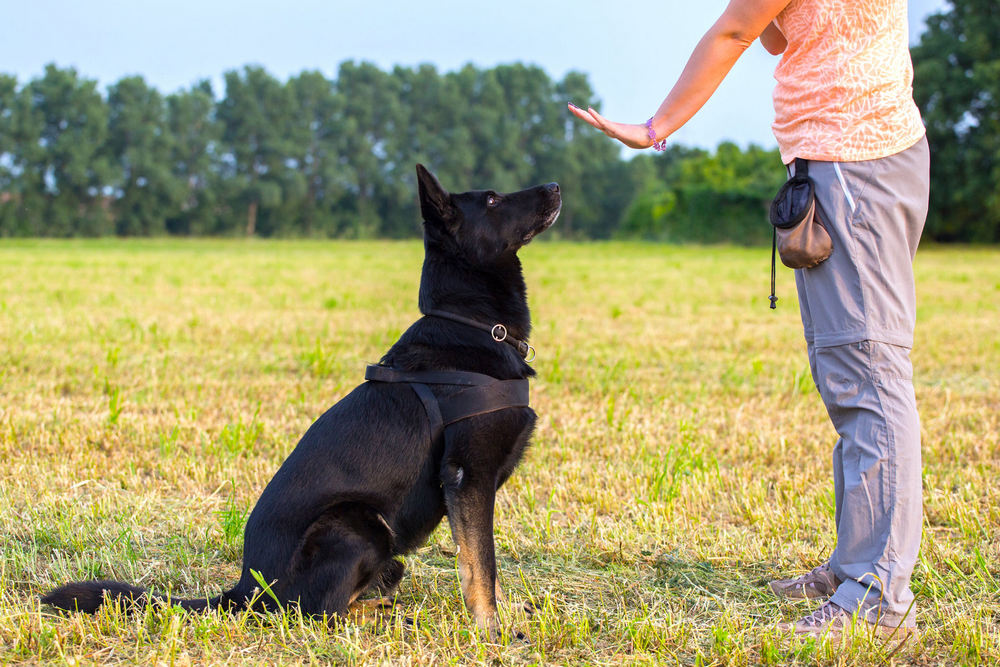
Before training, you need to teach basic commands—sit, no, stay, and lie down. Your dog should trust its owner, not bark at passersby during walks, and ignore its fellow dogs unless given permission to interact.
You can train your dog yourself using city dog parks, homemade exercise equipment, or equipment purchased from specialized stores. The best option is to attend classes at a canine training school. Under the guidance of an experienced trainer, your dog will learn to ignore outside stimuli, control aggression, and remain silent unless commanded. A three-hour professional training session once or twice a week is sufficient. In Moscow, the average cost of a lesson is 500 rubles.
Don't make training boring! For a dog, agility isn't a sport, but an interesting game. Therefore, it's important to provide short breaks and use different exercises.
Don't show your irritation to your puppy or punish him for lack of diligence. You need to develop a positive attitude toward training, rewarding him with treats and praise.
Gentle initial training is permitted from 4-6 months of age. By this time, basic commands are sufficiently mastered, so active training can be gradually introduced, excluding climbing and descending stairs. Such training is prohibited for puppies under one year of age due to their immature skeleton.
Treats and other rewards are used only at first and are gradually phased out. Avoid training with multiple training devices simultaneously until the animal is accustomed to working with one. Training can be done at home or outdoors, without excessive strain. Be sure to spot your pet while using the equipment to prevent injury.
A variety of sports obstacles
The design and angle of individual elements can be modified, but the operating principle remains the same. There are several types of equipment typically found on sports grounds.
Contact
Proper execution requires contact with the structure. Popular equipment includes:
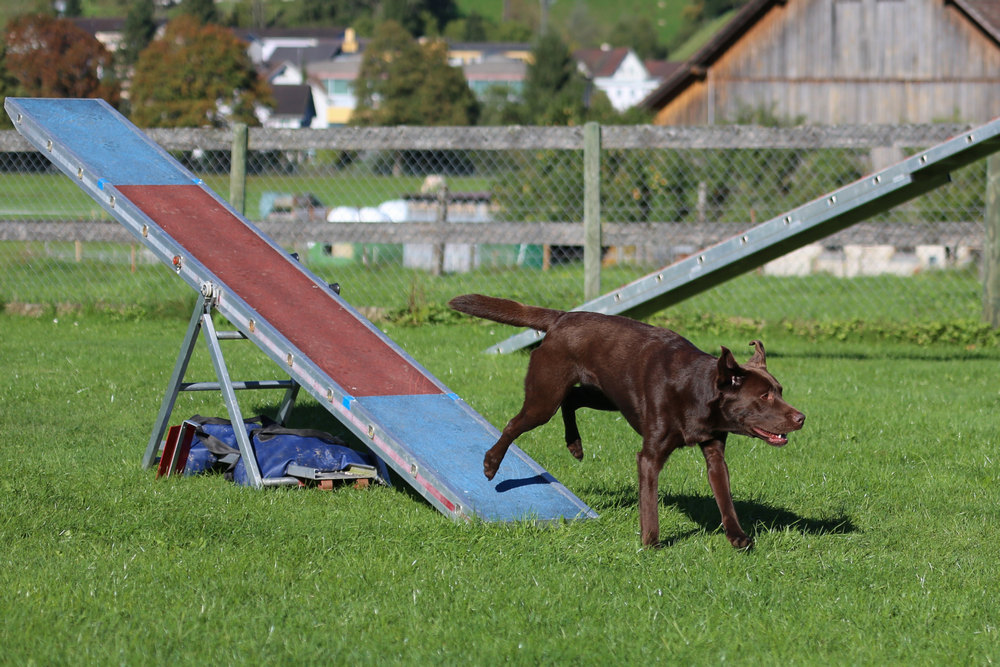
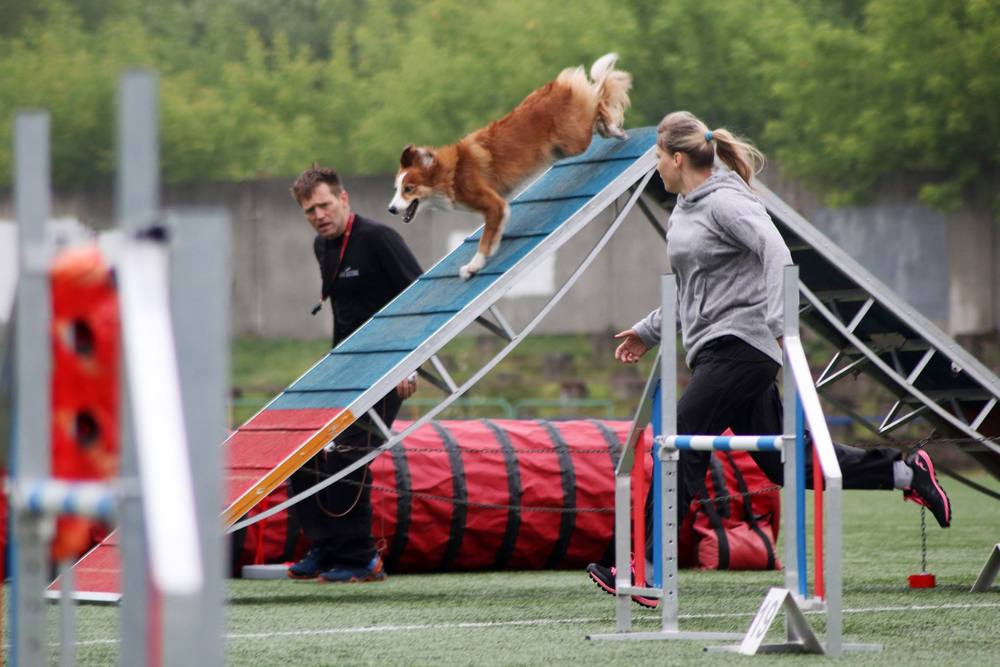
- Slide. It consists of two shields fixed at an angle. The upper part is 1.5-2 meters above the surface. The contact zone is painted red or yellow. Movement occurs using crossbars installed on the side elements. Climbing begins with the command "Home!" or "Slide!"
- Swing. The design consists of a fairly wide board that rotates around a base as the animal moves from one side to the other. Performing the swing requires good coordination. To facilitate climbing onto the platform, the balance of the board is shifted to one side. At this point, handlers typically use the word "Swing!"
- Boom. An alternative slide. It differs from the standard simulator in that the board is horizontally positioned between two inclined panels. The surface of the element is contact-sensitive, so it is painted yellow or red. The slide begins after the command "Boom!"
- Tunnel. A short, barrel-shaped opening. A fabric tube (a soft tunnel) or a long, winding frame made of rigid material is attached to the structure's exit. The signal to enter is "Down!", "Toot-toot!", or "Tun!"
The route must be covered at a good speed.
Contactless
These structures include apparatuses that require a high or long jump to clear. These exercises are more difficult than contact ones, so they are worth more points.
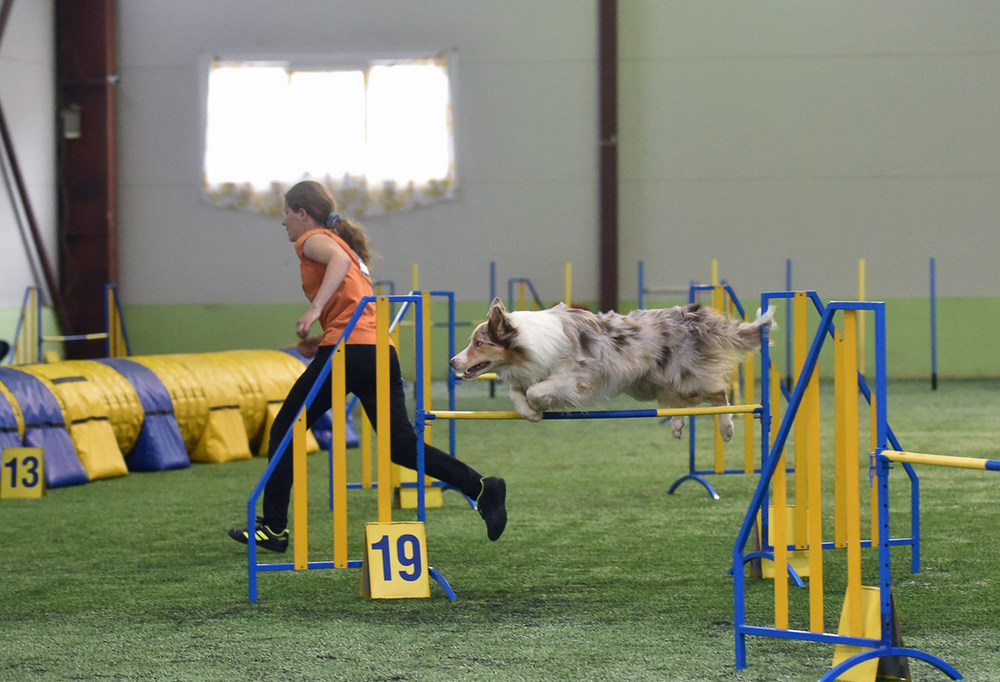
- Hurdle. A free-standing bar rests on two vertical posts. The furry friend's task is to jump over the barrier without knocking the bar down.
- Double barrier. The posts have not one, but two horizontal bars.
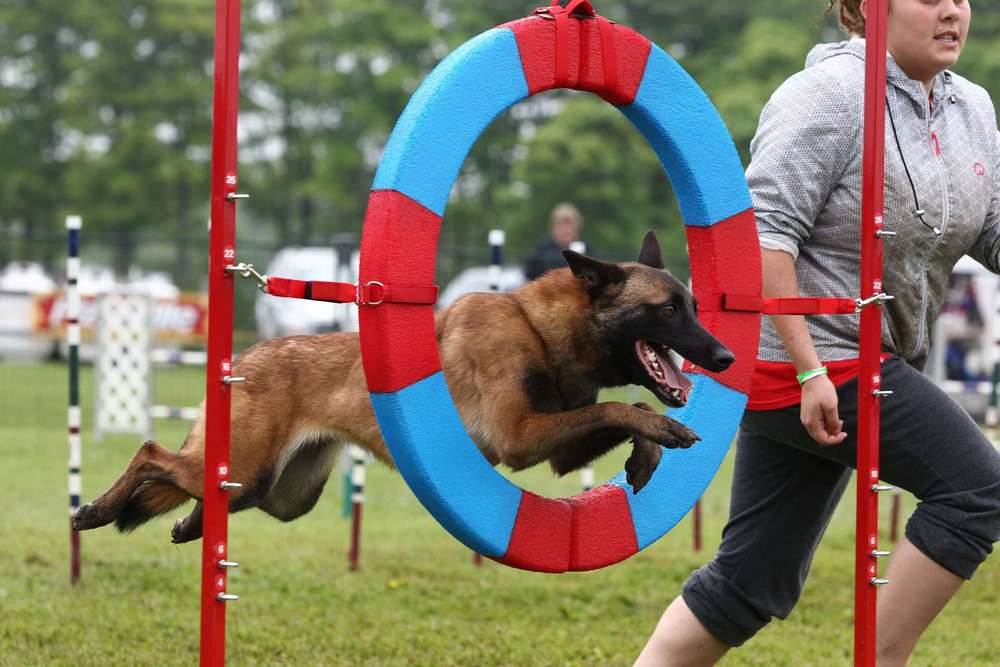
- Ring. The main element, a hoop or tire, is attached to a support inside a frame. On command, the participant must jump through the opening.
- Platform jump. Several benches are placed parallel to each other with small gaps between them. The pet makes a long jump over the platform. The exercise is considered complete when the paws and body no longer touch the benches.
- Fence. A solid wall is installed on the top of the machine, making it easy to knock off if you jump incorrectly.
Pass the obstacle after the voice command "Bar!", "Hop!", "Up!" or "Jump!"
Other
Also, structures are used for equipment, interaction with which occurs in a different way:
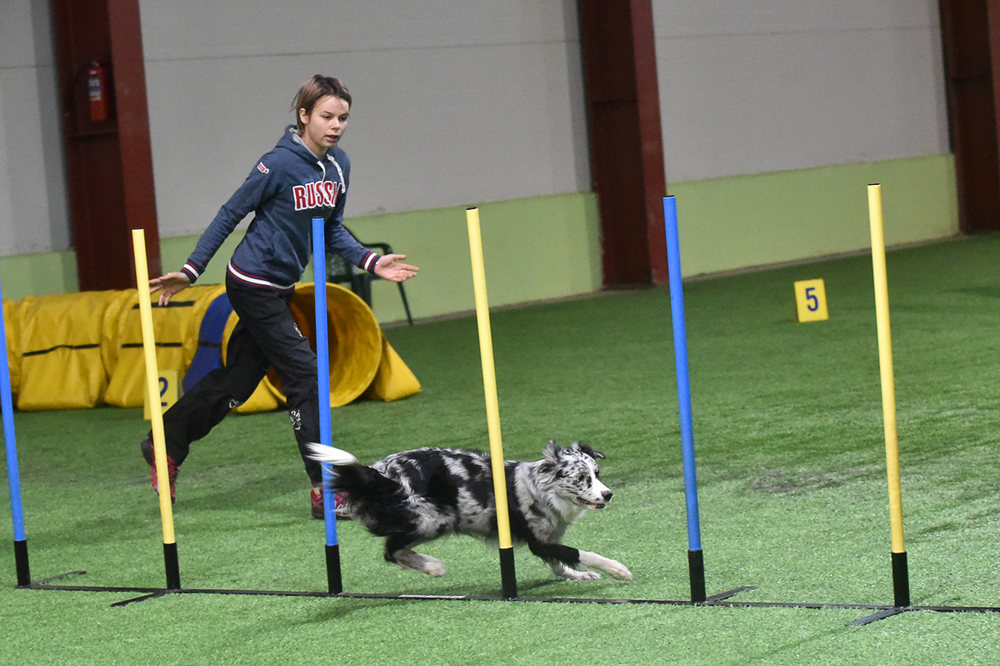
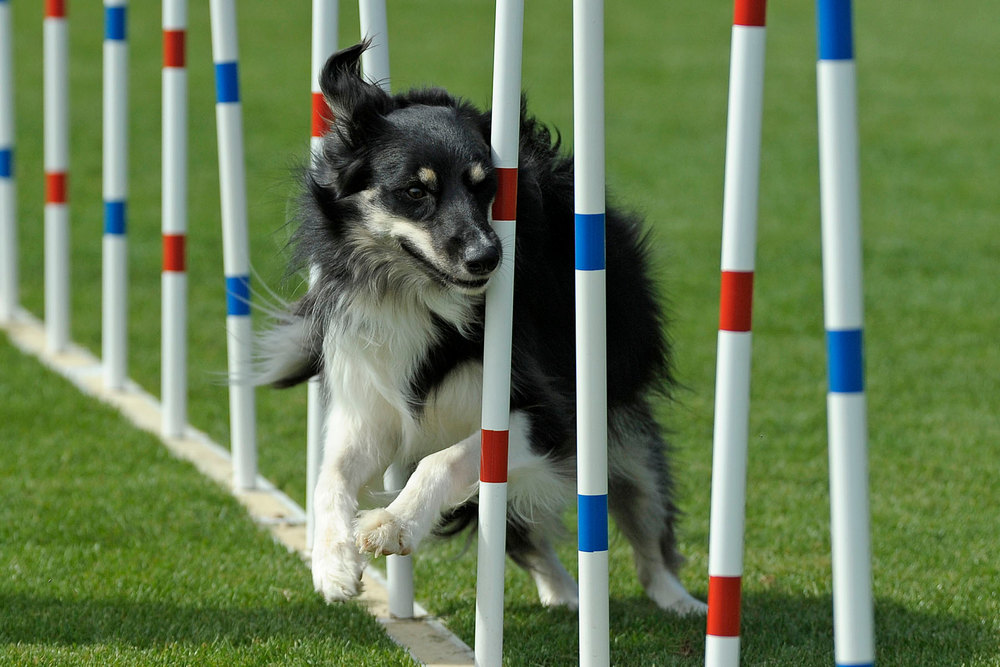
- Canine slalom. Twelve posts are placed along a single line. The course snakes around each post, and the competitor must navigate the course. Taking shortcuts results in penalty points. The command is given with the words "Hop!" or "Trrr!" If the previous command has already been used, another one is chosen.
- Podium. A square platform with sides of 1 meter is mounted at a height of 0.75 to 2 meters. The animal runs onto the platform and stops. The duration of the stand is equal to the time set by the rules. The apparatus is similar to a square. This exercise is similar to the "podium" but is performed within a fenced perimeter.
Tournament courts vary in size. The standard is 30 x 30 m, with obstacles spaced 3-6 m apart. The track is approximately 100-200 m long. A shorter track is available for smaller players.
Interesting
Here are some facts to help you learn more about this popular four-legged competition:
- Training is beneficial for both dogs and humans. Regular training together promotes better understanding and improves the health of both pet and owner.
- Four-legged participants who have undergone training for sports competitions are distinguished by better discipline than ordinary untrained ones.
- Until 1987, competitions were held only in Great Britain.
- The first World Championship took place in 1996. Switzerland hosted the event, with 88 pairs of participants coming from 22 countries.
- The structures are placed on the strip in a single copy - there should be no repetitions.
- In training, the emphasis should first be on high-quality completion of the obstacle course and only then on speed.
- The course layout is unknown before the competition. The head judge is responsible for setting up the equipment. Handlers are allowed onto the course before the competition, but the animals are not introduced to the course in advance.
- In France alone, around 500 official tournaments are held each year.
- In the United States, the sport's popularity has grown rapidly. In 1993, there were no competitions, but by 1998, 4,000 had been held.
- The International Cynological Sports Federation believes that this sporting competition will definitely be included in the Olympic Games program in the coming years.
Small and large breeds, both purebred and lesser-bred, are eligible to participate in competitive events. Local championships are held in Russia, and there is a Russian national team. In 2023, Nizhny Novgorod will host several tournaments, scheduled for February.
Read also:


Add a comment