
Abscesses in cats: symptoms and treatment
Cats' strong immune systems respond very quickly to infection. Any wound on a cat's body is prone to inflammation and the formation of an abscess. Since cats lead active lifestyles, this condition is considered quite common. It's important to recognize an abscess in a cat promptly and take appropriate measures to treat it.
Content
How does an abscess form and what is its danger?
Pathogenic microorganisms, penetrating wounds in the skin or mucous membranes, destroy tissue as a result of their vital activity. The cat's immune system responds to this "invasion" by sending leukocytes—white blood cells whose primary function is to destroy foreign bodies and remove tissue breakdown products—to the site of aggression.
If white blood cells fail to cope with the task, the remains of necrotic cells, bacterial fragments, and dead leukocytes accumulate at the site of inflammation, forming a cloudy, foul-smelling exudate called pus. To limit the affected area and prevent infection from spreading to other organs and tissues, the body forms a dense connective tissue membrane—a capsule—around the purulent lesion.
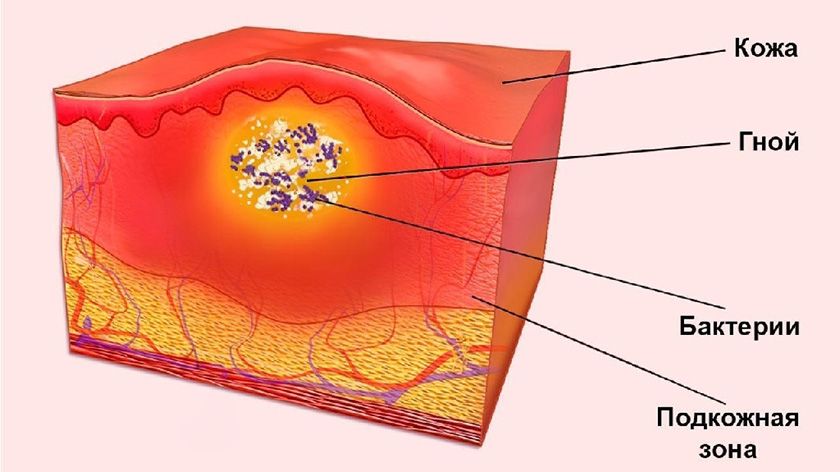
When the capsule accumulates too much, it can't withstand the pressure, and the abscess ruptures. If the pus is released, and the abscess is small, the abscess will heal on its own after the capsule is cleared of pus. However, if the purulent contents leak into the abdominal or chest cavity, or spill into the subcutaneous space, it poses a health and sometimes life-threatening risk to the animal.
Depending on the location of the abscess in a cat, complications may include:
- phlegmon is an abscess characterized by the absence of a capsule and wide boundaries of the lesion;
- fistulasthrough which pus gets into other organs;
- proctitis - inflammation of the mucous membrane of the rectum;
- Gangrene, peritonitis, septicemia are diseases for which, even in a clinical setting, it is not always possible to save the animal's life.
Causes of abscess development
An abscess can develop as a result of pathogenic microorganisms transported from another site of inflammation via the bloodstream or as a result of the suppuration of blood clots (hematomas) formed by ruptures of small vessels. However, the main cause of abscess development is infection of wound surfaces.
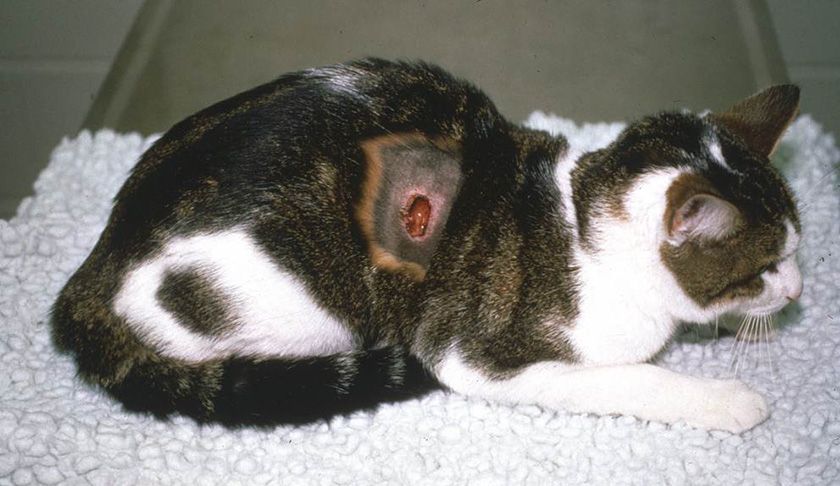
Damage to the integrity of the integumentary tissues in cats can cause:
- injury;
- scratches received by adult animals during a fight, and by kittens during play;
- failure to comply with antiseptic rules when administering medications;
- insect bites.
Factors that increase the risk of a cat developing an abscess include:
- free range, in which the animal often has to fight off aggressive relatives or dogs;
- gender - males, especially uncastrated ones, have a more developed instinct to defend personal boundaries than females;
- poor oral hygiene, eating tubular bones.
Animals with weakened immune systems following childbirth or serious illnesses are at high risk of developing abscesses. This is especially true for cats with ovarian syndrome. acquired immunodeficiency (FIV). This is a dangerous, untreatable disease. Affected by a species-specific retrovirus, the cat's immune system reacts to any minor scratch or mucosal injury by forming slow-healing abscesses.
Types of abscesses
An abscess can be superficial – located under the skin, or deep – developing in the layers of fatty tissue and muscles (it is denser to the touch).
Based on their clinical course, abscesses are divided into acute and chronic. The former progress quickly and with pronounced symptoms (which is why they are called "hot"), while the latter, "cold", are less pronounced, are not as painful, are usually small in size and open up on their own, but are prone to relapse.
Based on their stage of development, abscesses are divided into two types. Mature abscesses already have a capsule, and fluid movement is felt upon palpation. Immature abscesses lack a restrictive capsule and exhibit noticeable local hyperthermia.
Based on the composition of the exudate, an abscess can be benign or malignant. The exudate from a benign abscess in a cat contains live leukocytes, which form a barrier capsule and destroy the infection. A malignant abscess contains live microbes, has a weak granulation barrier, and grows over time, leading to the formation of a phlegmon with no clear boundaries.
Symptoms of an abscess in a cat
Abscesses of internal organs, apart from signs indicating the presence of an inflammatory process in the body (high temperature, weakness, loss of appetite, a strong smell of hydrogen sulfide from the mouth), do not produce visual clinical signs.
Signs of abscesses that form under the skin or in the muscle layer appear gradually as they mature. Initially, there is redness of the skin caused by the inflammatory process, followed by localized swelling that gradually increases. As the purulent process progresses, the swelling becomes more extensive, and pressing on the affected area causes a sensation of fluid flowing within the bulge (this is called fluctuation).
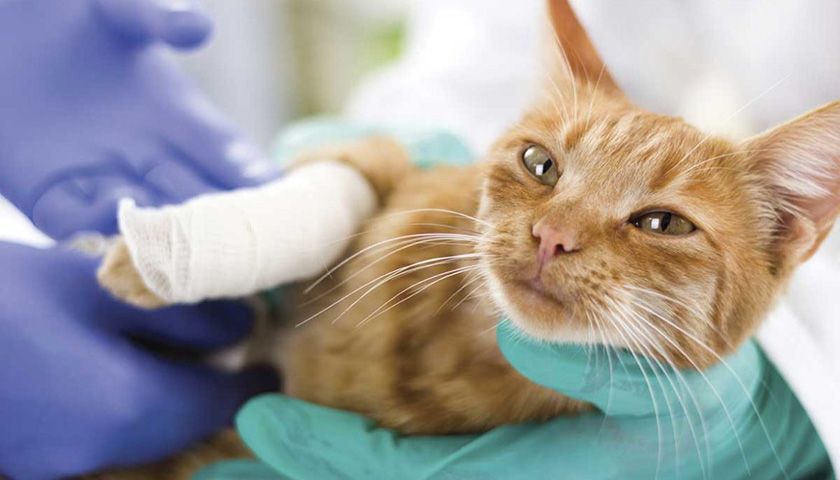
If the abscess is allowed to mature for a long time, the affected area may become bald, and the cat may experience fever, lethargy, and pain when pressure is applied to the tumor. If the animal has a strong immune system, the mature abscess will rupture on its own, its purulent contents will be expelled, and the abscess site will gradually heal.
The symptoms of an abscess depend on its location:
- The location of the abscess in the anal area, which is often caused by inflammation paraanal gland, can be noticed by a reddish swelling under the tail and frequent, but short-term, trips to the toilet due to pain during defecation.
- An abscess on a cat's paw, withers, or behind the ear is easy to detect both visually and by its behavior. It avoids stepping on the affected paw, constantly licks it, and if a swelling develops on the withers, it refuses to be petted or touch its neck.
- Odontogenic (dental) abscesses can be caused by dental caries or bone trauma to the gums. Signs include swelling on the cheek or chin, which resembles a gumboil, drooling, and difficulty eating (the cat tends to chew with one side of the jaw). A complication may include inflammation of the jaw bones.
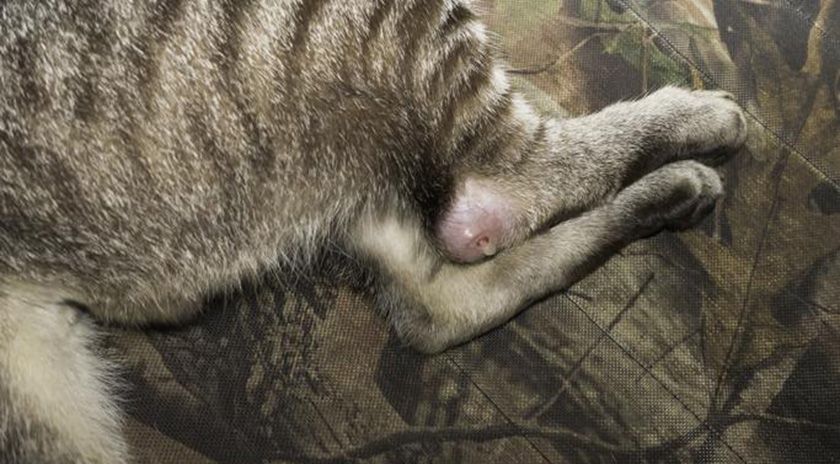
- Breast abscess (mastitis) is one of the most dangerous types of pathology. The affected gland becomes inflamed, turns bluish, and drops of pus and blood are released from the nipple.
Diagnostics
A veterinarian can make a preliminary diagnosis of a superficial abscess by examining the animal and palpating the swelling. The area of the body where the abscess is located in a cat is usually hyperthermic and hot to the touch. Unlike a tumor, an abscess does not move under the skin. When pressing on it with the fingers, a pronounced fluctuation is observed—a wave-like movement characteristic of a fluid-filled capsule.
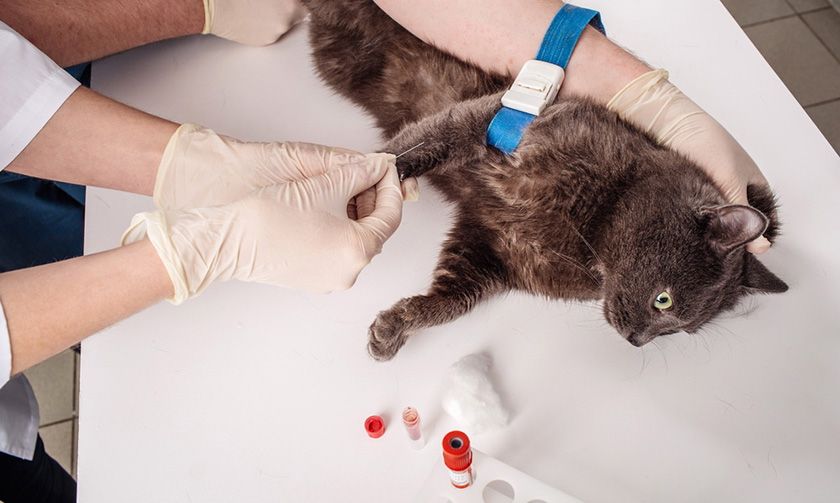
To detect an abscess in the deep layers of muscles or formed on internal organs, as well as to differentiate it from phlegmon, hematoma, cyst or tumor, laboratory and instrumental studies are required:
- Blood test - in case of inflammation it will show an increase in the level of leukocytes and an elevated ESR.
- Microscopy and bacterial culture of the exudate obtained by puncture will identify the type of microorganism that caused the disease.
- MRI will provide information about the condition of the tissues and the presence of internal fistulas.
Treatment
Treatment of an abscess in a cat can be conservative or surgical. To resolve an abscess that is in the inflammatory infiltrate stage (when the abscess has not yet encapsulated and matured), a specialist may prescribe a novocaine block, warm compresses, and antibacterial therapy (usually broad-spectrum antibiotics of the penicillin or cephalosporin group).
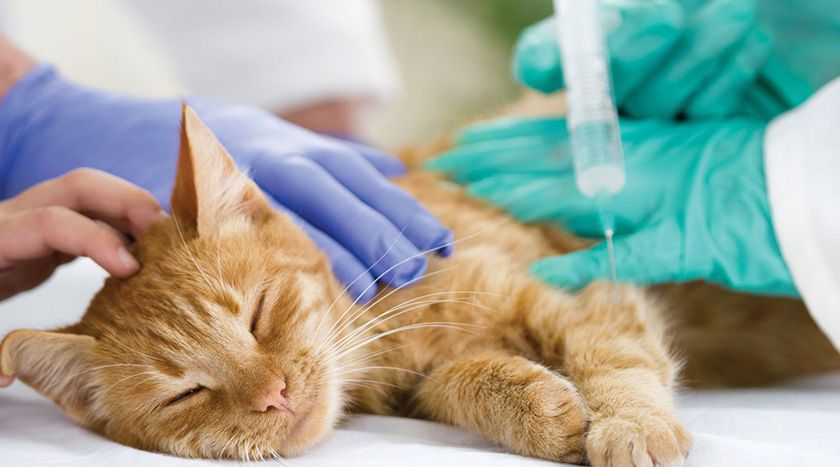
If fluctuation is present (when fluid movement is felt when palpating the surface of the abscess), the abscess is considered mature and should be lanced to remove the purulent contents. Attempting to lance an abscess yourself is not always successful, and if the antiseptic level is insufficient, it can lead to complications. Therefore, it is best to perform this procedure in a veterinary clinic. This surgery is simple and is usually performed under local anesthesia.
Stages of the operation:
- A superficial abscess on a cat's paw or neck is lanced or incised with scissors. If the abscess is located in the muscle or subcutaneous fat, an incision is made with a scalpel, taking care not to damage the inner wall of the capsule to prevent infected exudate from spreading to healthy tissue.
- The capsule cavity is carefully cleaned of thick exudate and washed with a local antiseptic solution - hydrogen peroxide or furacilin.
- For large and malignant abscesses, the wound is sutured. For deep abscesses, a drain is placed, and for superficial abscesses, a medicated tampon is applied. In veterinary medicine, Levomekol, which has antimicrobial, healing, and anti-inflammatory properties, an emulsion containing synthomycin, and streptocide are used. For mammary gland abscesses, the antibacterial drug Mastiet-Forte is used, and for large abscesses, compresses with ointments that draw out pus are applied.
- The dressing is changed as needed. The drain or packing is removed when the amount of exudate becomes insignificant, usually after 4-5 days.
- If necessary, the cat may be prescribed anti-inflammatory drugs: corticosteroids, NSAIDs diclofenac or nimesulide.
- After returning from the veterinary clinic, it is recommended to keep the animal in a separate room for a few days. To prevent the cat from scratching or licking the wound, a protective collar is placed on it.
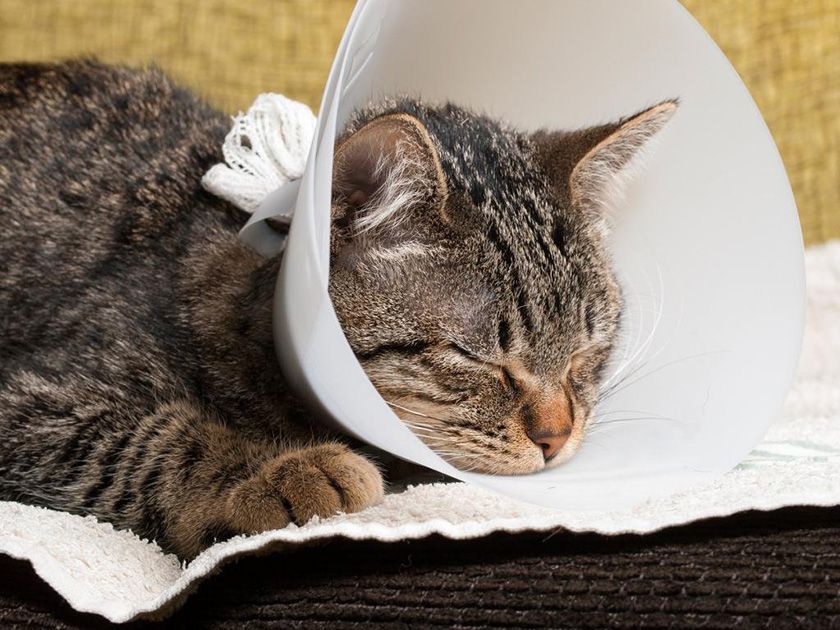
Full recovery usually takes about 2 weeks. In cases of malignant and extensive internal abscesses, recovery is slower, and the pet's general condition must be monitored. A normal temperature for cats is 38-39ºC (100-102ºF), but a low-grade fever up to 40ºC (104ºF) is acceptable for the first 2-3 days after surgery. A persistent or significant increase in temperature may indicate a spreading infection, in which case a veterinarian should be consulted.
Prevention
Since trauma is the most common cause of abscesses, the primary preventative measure is prevention. If possible, avoid free-roaming your pet, and castration will reduce aggression and fighting in cats.
To prevent your cat from developing oral abscesses, do not let it chew on sharp bones, do not feed it stale food, and do not allow it to search for "prey" in the trash.
To prevent inflammation of the anal glands, they should be cleaned periodically to remove discharge. You can learn to do this yourself or take your cat to a veterinarian for the procedure.
If you notice a fresh bite wound, scratch, or itch on your pet, be sure to treat the area with disinfectant. Regularly treat your cat's home for endoparasites and keep them up-to-date on all necessary vaccinations.
This simple set of measures, while not completely protecting the animal, will certainly eliminate the risk of severe disease progression and facilitate the treatment of abscesses in cats.
Read also:
- Fistula in cats: how to treat it
- Lump under the skin in cats: what to do
- Sores on a cat's body: causes and treatment


Add a comment