
The 10 Most Dangerous Cat Breeds in the World
Although cats are often associated with sweet and gentle creatures, there are 10 of the most dangerous breeds in the world. Felines are predators by nature, but even after years of domestication, the following cats can exhibit aggressive behavior and traits typical of their wild relatives. Before adopting a pet, it's a good idea to learn about the characteristics of your chosen breed. An aggressive nature can cause a variety of problems, from damaged items to scratched hands and feet. This is especially true for families with small children, as not all animals tolerate constant "shows of affection." However, it's important to remember that aggressive outbursts can be associated with stress, illness, or threat, and in these cases, breed status may no longer matter.
Content
Savannah
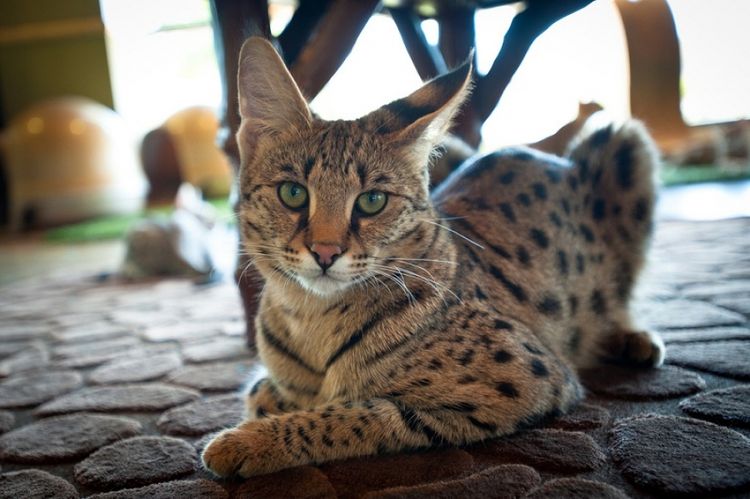
Savannah breed Savannah cats are not only one of the most dangerous, but also one of the most expensive in the world. These graceful, intelligent, and active cats are easily trained to walk on a leash. They are prone to wildness and aggression, and may even perceive strangers as prey, which should be taken into account when walking or leaving them alone with a stranger. This is not surprising, as Savannah cats are direct descendants of the wild African serval. First-generation cubs can be especially dangerous to humans.
Abyssinians
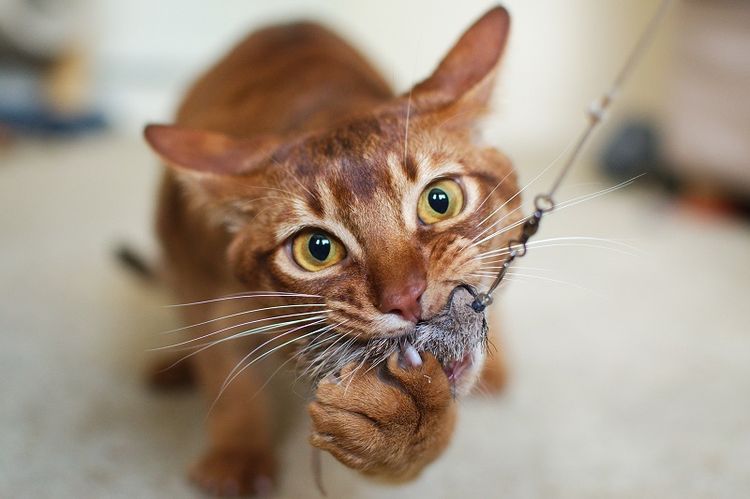
Abyssinian cats Abyssinians get along well with people and other pets, but if something doesn't suit them, aggression won't be long in coming. Without sufficient attention from family members, they can quickly become feral, becoming vindictive and retaliating with scratches and bites even for seemingly no reason. Among the Abyssinians' positive traits are loyalty and high intelligence. They can be trained to fetch their owner's things and go for walks on a leash.
Siamese
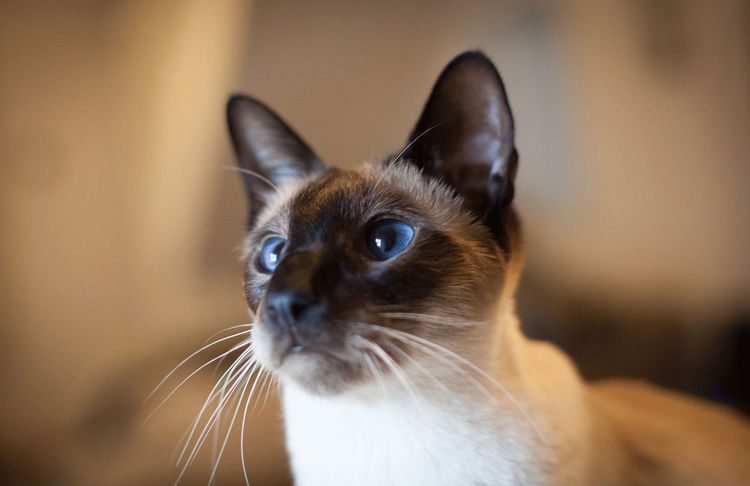
Cats Siamese breed With their easily recognizable pattern and bright eyes, these cats have long been considered among the most vindictive and vindictive. They dislike excessive attention, neglect, and intrusions on their territory or food. They respond aggressively to any inappropriate treatment, often leaving their owners with scratches. If a Siamese cat "decides to be offended," it may retaliate immediately or at the most unexpected moment. Breeders do not recommend keeping Siamese cats with small children, who may unknowingly offend the cat. However, not everyone shares this opinion, claiming that they are loyal and sociable pets.
Maine Coon
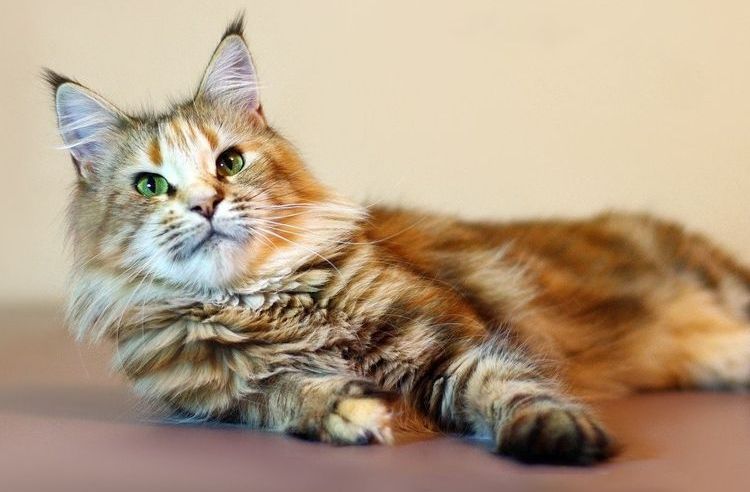
Maine Coons Maine Coons are among the largest domestic cats, with distinctive ear tufts and a body weight of up to 15 kg. They are easygoing, good-natured, and highly intelligent pets who don't require special living conditions but don't like being left alone for long periods. They can sometimes become unpredictable and aggressive, especially toward strangers or if overly persistent. Given the Maine Coon's large size, an attacker can suffer serious injuries.
Bengals
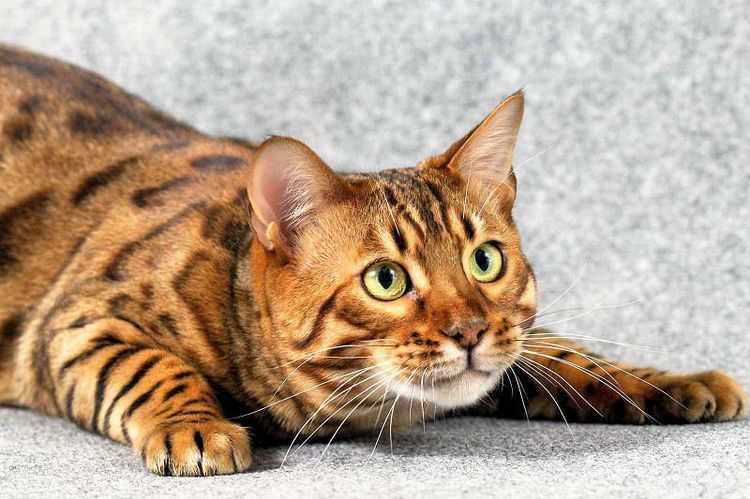
Bengal cats Bengals are characterized by an impulsive temperament and a strong hunting instinct. They require a lot of attention and affection from puppyhood, otherwise the kitten may grow up to be aggressive, especially if their parents have exhibited this behavior. Bengal cats are very active and curious, so they don't like to be held, and if left alone for long periods, they can create a complete mess in the house. They don't tolerate harsh tones or yelling, especially without cause, which can also cause changes in personality and behavior for the worse.
Stone Cougar
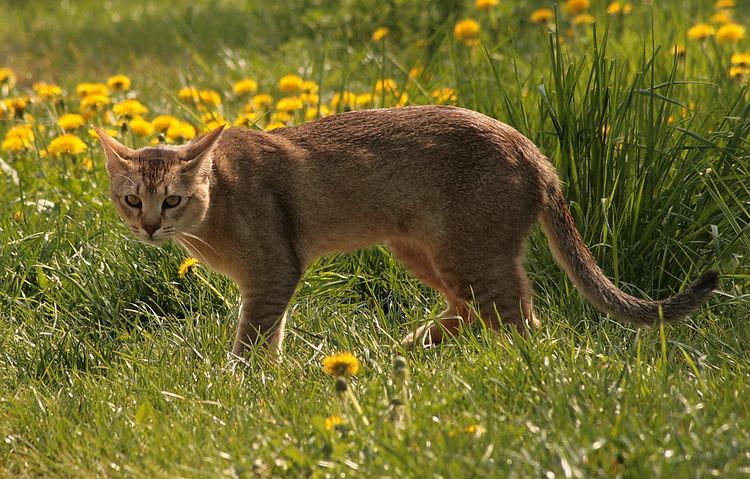
The breed was created by crossing a domestic cat with a jungle cat. The latter's wild, aggressive nature explains why the stone cougar is considered one of the most dangerous cats. They are loyal only to their owner, while they are hostile and distrustful of all others. These animals are especially unsuitable for families with small children or other pets, as the stone cougar will view them as competition. It will demand your full attention, otherwise it may become offended and even run away from home for a while.
British
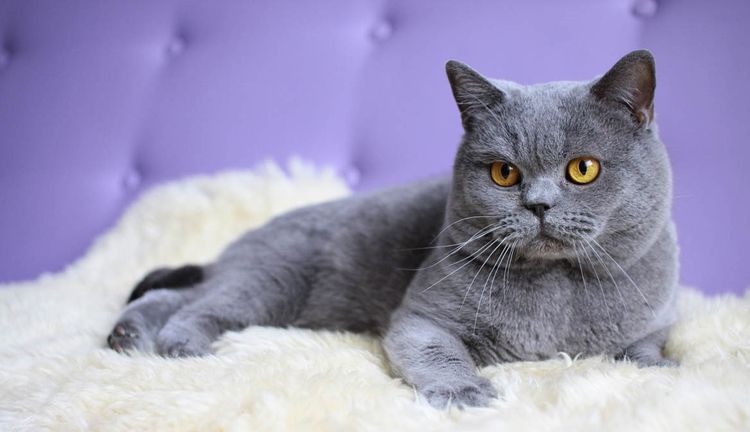
Despite their plush toy appearance, most British Shorthairs are distinguished by an independent and proud nature. They prefer to distance themselves from people, especially strangers, and rarely tolerate being picked up or excessively petted. With this attitude, scratches and bites won't be long in coming. Building a trusting relationship with a British Shorthair is only possible through long-term interaction. This will result in an intelligent and devoted pet who will make a wonderful companion.
Chausie
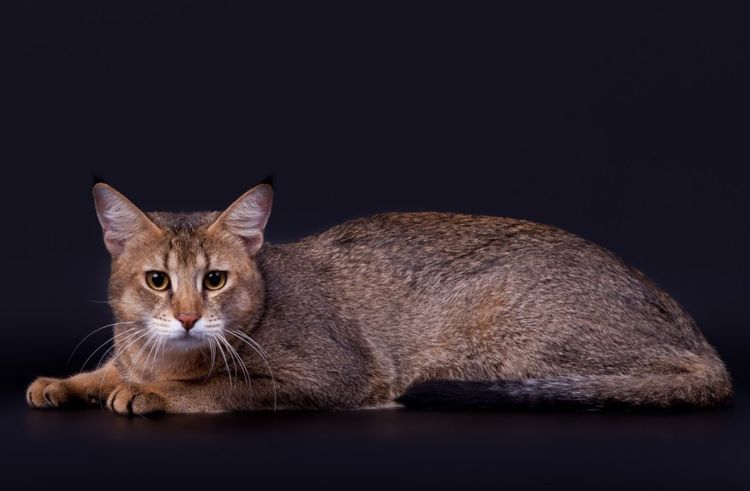
The list of top 10 most dangerous cats can be added Chausie Chausies are a breed resulting from the crossbreeding of a wild swamp lynx and a domestic cat. They are very freedom-loving pets with a strong build. They require a lot of space and dislike confined spaces, so they are not the best choice for apartment dwellers. With proper training, a Chausie can be raised to be a truly well-behaved and obedient pet. It is important to discourage the kitten from playing with your hands and feet, especially from a young age, and to avoid biting.
Siberian breed
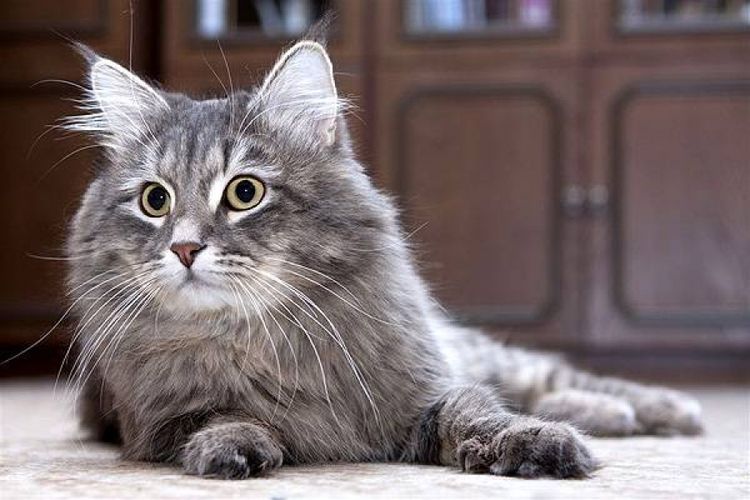
Fluffy large Siberian cats Siberians are often content to befriend only their owners and will bravely guard their territory from intruders, which is why their character is often compared to that of a dog. They won't show aggression without a compelling reason. If one arises, they will fight to the death, which is why they're listed as dangerous cats. Siberians are very loyal and crave companionship, but intrusive attention can also lead to aggressive behavior.
Pallas's cat
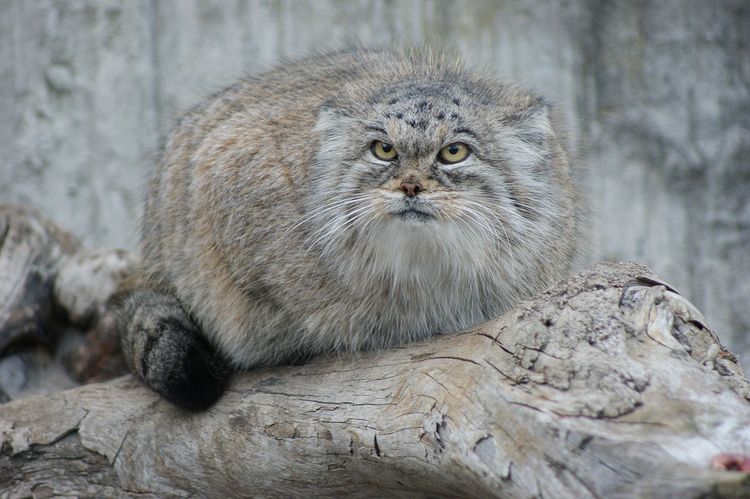
The Pallas's cat is a wild cat listed in the Red Book, which doesn't rule out its possible adoption as a pet. However, they are virtually impossible to tame. They have an untamable, arrogant nature and rarely warm up to humans, even after prolonged interaction. These small cats with voluminous, fluffy fur are quite dangerous to people and other animals. They like to hide and attack from cover. Furthermore, their fangs are three times longer than those of domestic cats.
Read also:
- A breed of cat with tufts on its ears
- The most unusual cat breeds
- The Most Expensive Cat Breeds: Top 10


Add a comment